Holiday Lighting Ladder Safety

Holiday ladder safety is the difference between a profitable season and a catastrophic one. Every year, ladder falls during light installations kill and permanently injure professionals who knew better but skipped the gear. A window cleaner died last season falling from a roof while hanging lights for his business — and he was not the only one.
The CPSC reports roughly 200 decorating-related injuries per day during the holiday season, most from falls. The CDC puts annual ladder-fall injuries requiring medical treatment at around 165,000 nationwide. Men are 40% more likely to be hurt, and severity climbs sharply with age. If you are a contractor adding holiday lighting to your service mix, these numbers are your numbers.
Why Winter Ladder Work Compounds the Risk
Ladder work is dangerous year-round, but winter stacks hazards on top of each other:
- Surface conditions change by the hour. Frost forms on rungs overnight. Morning dew freezes on shingles. A roof that was safe at noon is a skating rink by 4 PM.
- Cold muscles fatigue faster. Grip strength drops measurably in cold air. Three hours into a job, you are weaker than you think.
- Wind loads multiply at height. A 20 mph gust at ground level is significantly stronger at the top of a 28-foot extension ladder. Add a strand of lights acting as a sail and the ladder becomes a lever.
- Bulky clothing restricts movement. Heavy coats limit shoulder mobility. Thick gloves reduce tactile feedback on rungs.
Recognizing these factors is step one. Step two is equipping against them.
Ladder Safety Fundamentals
Before any product helps you, technique has to be right:
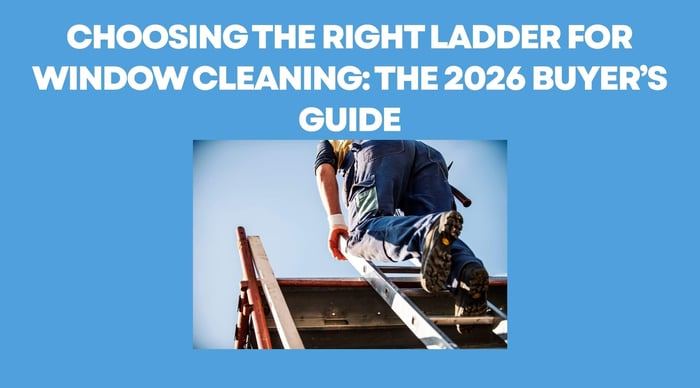
- Three points of contact — always. Two hands and one foot, or two feet and one hand. No exceptions while repositioning.
- Pre-climb inspection. Bent rails, cracked rungs, worn feet — any one of these is a no-go. Check before every setup, not just once a season.
- Level ground or level the ladder. Soft soil, sloped driveways, and landscaping grades are everywhere. If the ground is not flat, use levelers.
- 75-degree setup angle. One foot of base distance for every four feet of working height. Steeper invites a backward tip; shallower and the base kicks out.
- Belt buckle between the rails. The moment you lean past a side rail, the center of gravity shifts outside the ladder's footprint.
- Extend 3 feet above the roofline. This gives you a handhold at the transition point — the most dangerous moment on any extension ladder.
- Stand down in bad weather. High wind, active precipitation, or icy rungs mean you come down and reschedule. Period.
Ladder Safety Equipment That Earns Its Place on the Truck
Good technique reduces risk. The right hardware eliminates specific failure modes. Here is what actually matters and why.
Ladder Lock
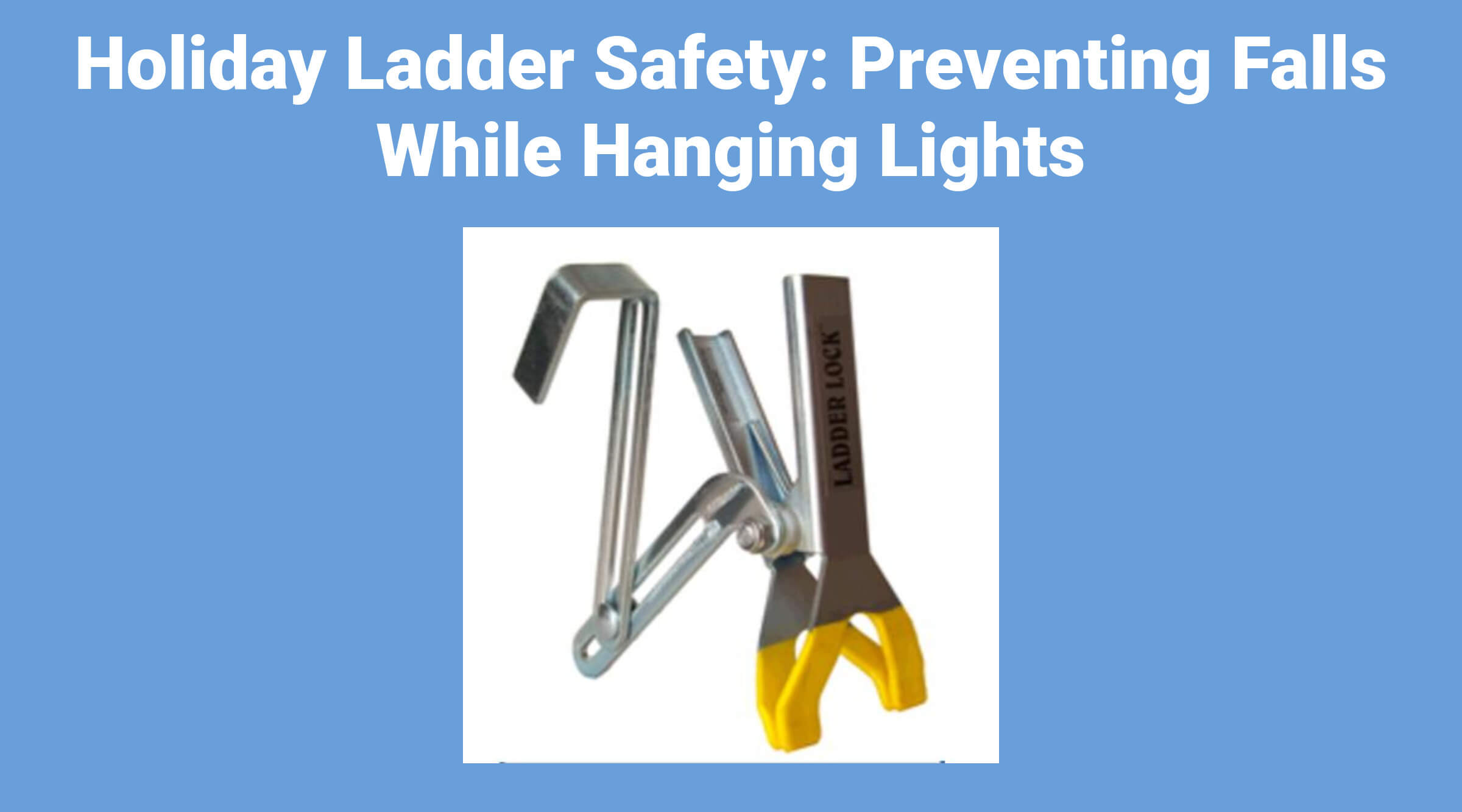
The ProTool Ladder Lock clamps your extension ladder to the gutter line, eliminating lateral sway — the side-to-side wobble that causes most reaching-related falls. A latch connects to a rung and a clamp grips the gutter edge. Once locked, the top of the ladder cannot shift when you lean to place a clip or route a wire.
Paired with a rigger's belt and ladder hook (the Sky Genie system), it lets you work with both hands free while maintaining OSHA-compliant contact. For holiday lighting specifically, where you are constantly reaching to the side, this is the single most impactful piece of safety gear you can add.
Ladder Standoff
Resting an extension ladder directly on a gutter is a liability twice over: the gutter can crush and fail under load, and the narrow contact point invites slipping. The ProTool Ladder StandOff moves the bearing surface to the wall or fascia, spreading the load across a wider base. Your ladder sits more securely, and you avoid a damage claim on the customer's gutters.
For any job where the ladder contacts a roofline — which is every holiday lighting job — a standoff is standard operating procedure, not an upgrade. The Ladder Stand Out with Foam Elbows is another option if you need a stabilizer that also protects siding and trim from scuffing.
Leg Levelers
Residential driveways slope. Walkways tilt. Landscaping grades away from the foundation. Setting up on uneven ground without correction is gambling with physics. Xtenda-Leg Levelers attach to the ladder's base rails and independently adjust each side with a foot pedal — no tools, no fuss. Heavy-duty steel feet with rubber pads prevent sinking on soft ground and sliding on hard surfaces.
If you work on properties with slopes or terraced yards, also look at the LeveLok Quick Connect Levelers, which swap between ladders without hardware changes.
Vee Groove Ladder Top
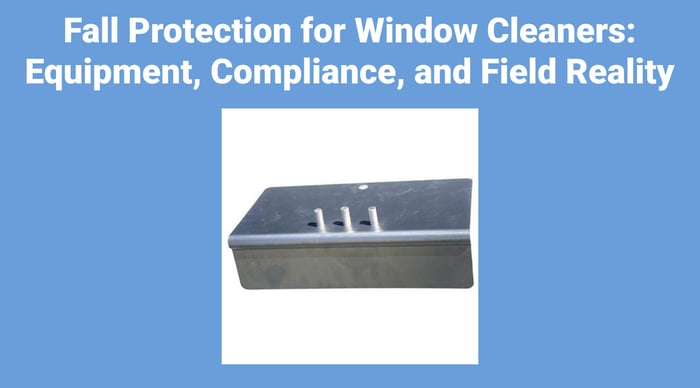
Corner work — where two walls meet at an outside angle — defeats flat-rung ladders. The ladder can only contact one plane, so it rocks. The Metallic Vee Groove Ladder Top solves this with a V-profile that nests into the corner, locking the top against both surfaces simultaneously. For holiday lighting on two-story colonials and similar architecture, corners are everywhere and this section earns its keep fast.
Fall Protection for Roof Transitions
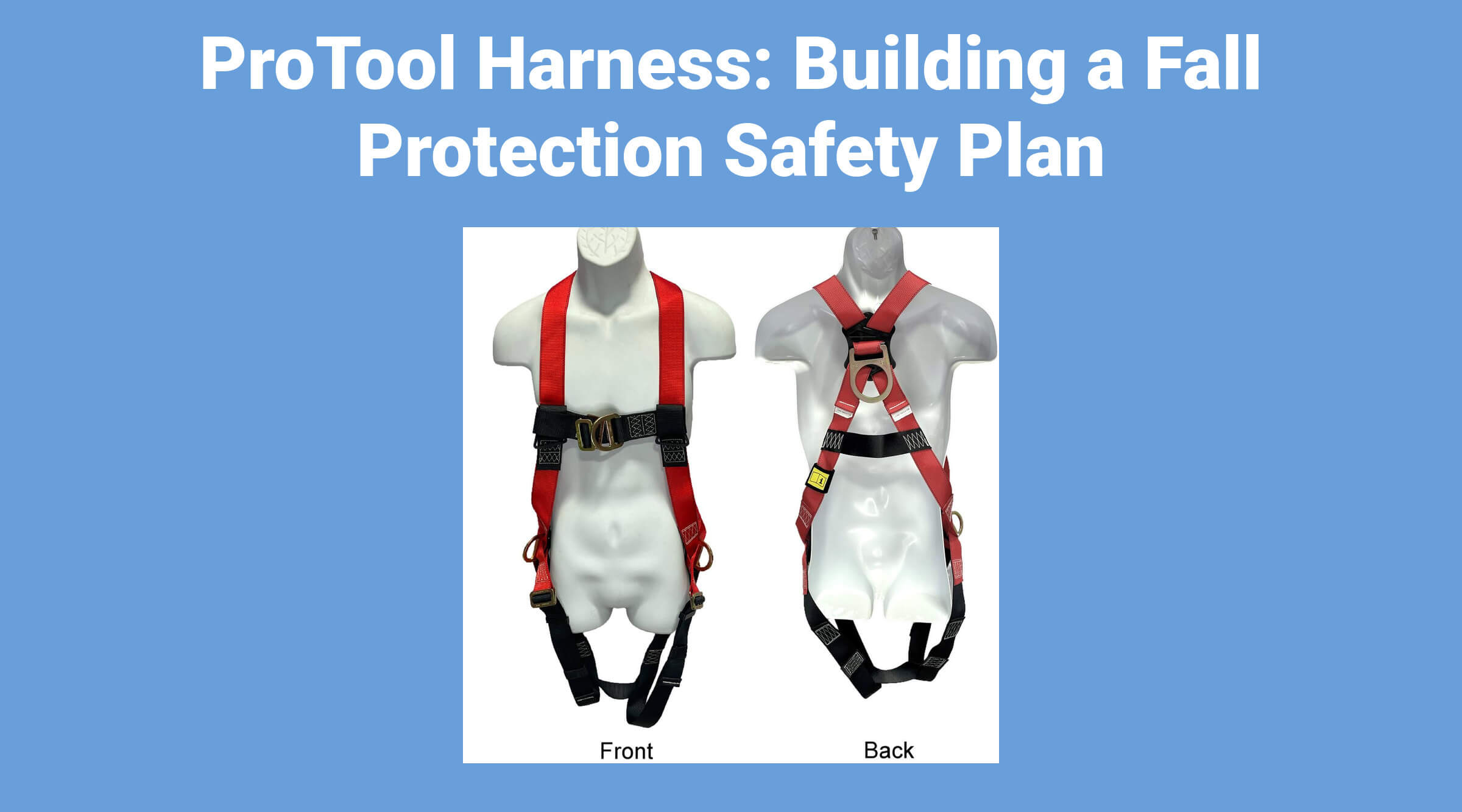
If your holiday lighting work involves stepping onto a roof — even briefly — you cross from ladder safety into fall protection territory. A fall protection kit with a harness, roof anchor, and shock-absorbing lanyard is not optional once your feet leave the ladder. J.Racenstein carries complete fall protection systems sized for this exact use case.
OSHA Compliance Is the Floor, Not the Ceiling
OSHA's portable ladder standards (29 CFR 1926.1053) are minimum requirements, not best practices. The key mandates:
- Three points of contact at all times.
- Face the ladder when ascending or descending.
- Never exceed the rated load capacity (your weight plus tools plus materials).
- Keep rungs free of ice, grease, or any slippery substance.
- Secure the ladder at top or bottom to prevent displacement.
Compliance keeps you legal. The equipment above keeps you alive. Both matter, but do not confuse one for the other.
Adding Holiday Lighting to Your Service List
For window cleaning and exterior cleaning contractors, holiday lighting is a natural revenue extension — you already own the ladders, know the rooflines, and have the insurance. The margin is real, but so is the liability. Invest in the safety hardware before you sell the first job. A properly equipped ladder setup — standoff, lock, levelers, and fall protection where required — is the cost of entry, not a nice-to-have.
The holiday season should add to your bottom line, not your incident rate. Gear up before you go up.
Products Mentioned
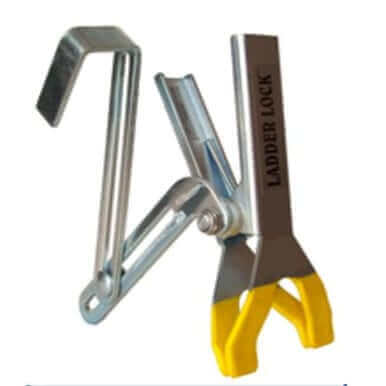 Ladder Lock SKU: 73-109 | 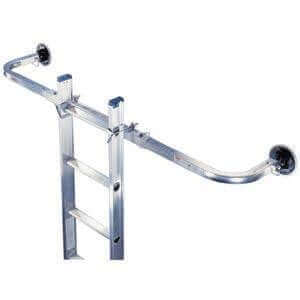 ProTool Ladder StandOff SKU: 73-101 | 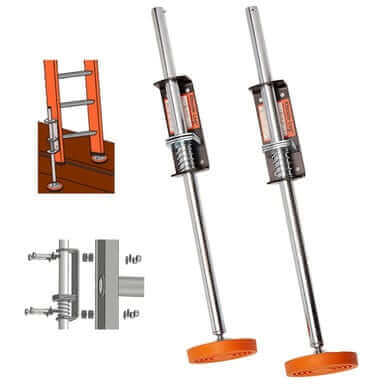 Ladder Leveler with Rubber Feet (Pair) Xtenda-Leg SKU: 73-41 |
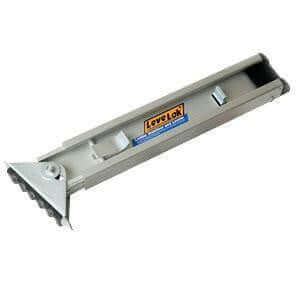 Ladder Levelers Quick Connect LeveLok SKU: 73-25 | 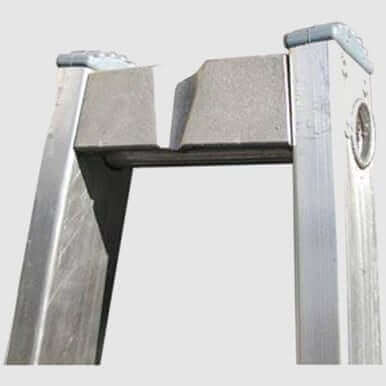 Ladder Top 06ft Vee Groove Metallic Ladder Mfg. Corp. SKU: 72-141 | 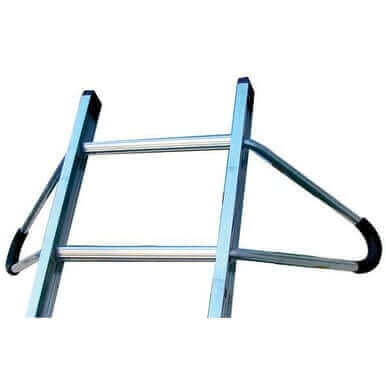 Ladder Stand Out - Stabilizer with Foam Elbows - Pair SKU: 73-20 |
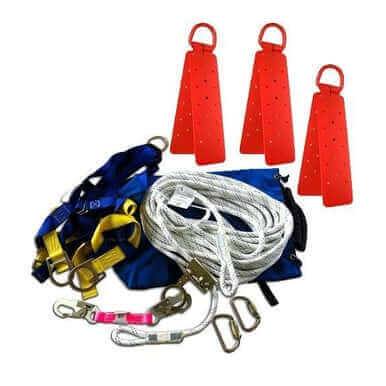 Roof work Fall Protection Kit SKU: 12-660 |