Best Hose for Soft Wash System: Professional Selection Guide

Table of Contents
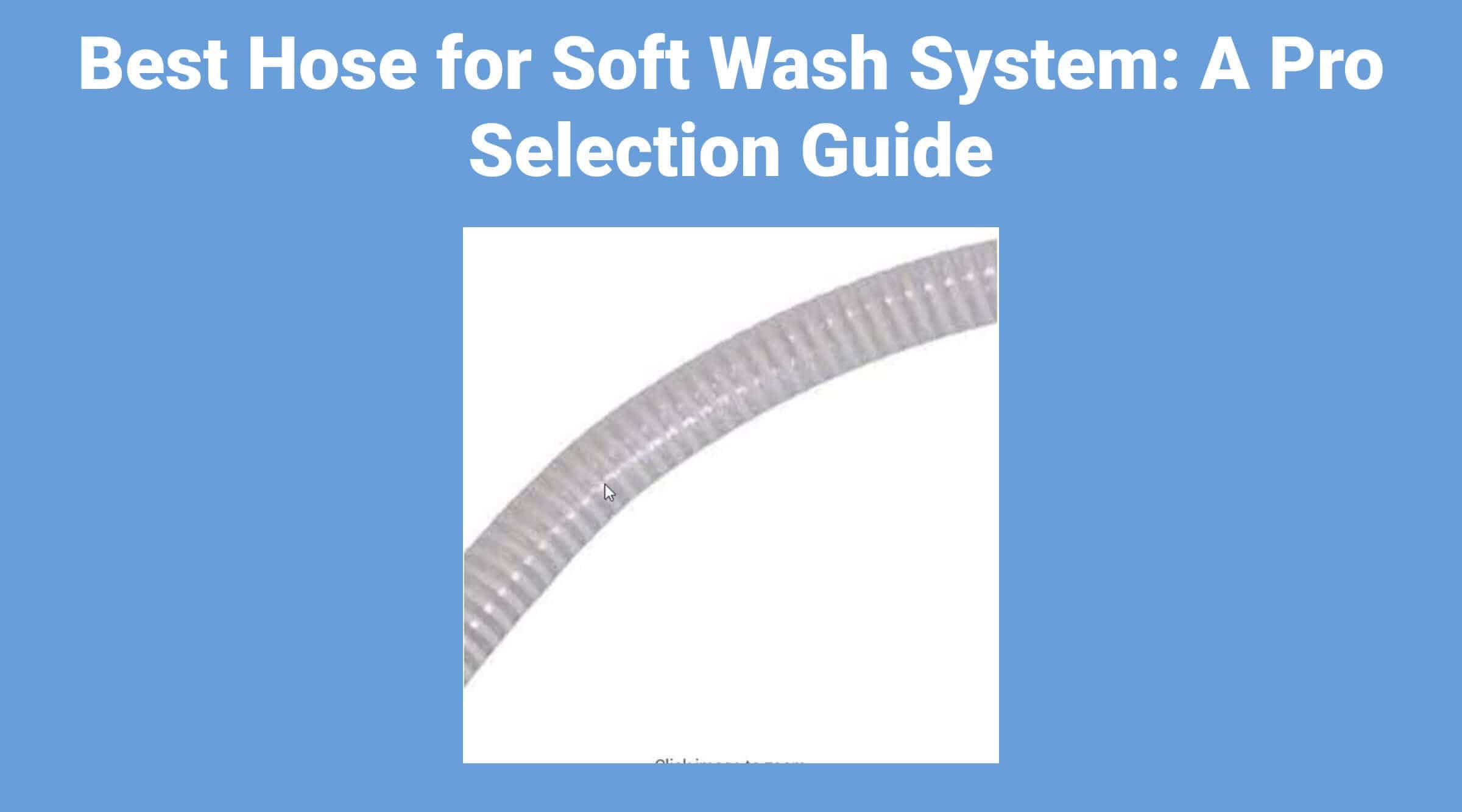
The best hose for soft wash system builds is the one that survives sodium hypochlorite, matches your pump's flow, and doesn't fight you on the reel. Most contractors learn this the expensive way — a pinhole leak from degraded PVC, a seized brass swivel, a crew standing idle while you drive to the supply house. The hose is the cheapest component on your skid and the one most likely to shut you down.
This guide breaks down the three material families that matter, the diameter math that determines whether your pump actually delivers its rated GPM, and the fittings and reel hardware that keep SH from destroying your connections.
Why Soft Wash Hose Selection Matters More Than You Think
Soft washing operates at 300–800 PSI with aggressive chemistry. That's a fundamentally different demand than a 4,000 PSI pressure hose. Standard pressure wash hoses use internal steel braiding — sodium hypochlorite corrodes that reinforcement almost immediately, leading to catastrophic bursts and hazardous leaks on a customer's property.
You also can't grab a garden hose. The brass fittings corrode within two weeks of SH exposure, and the internal rubber compounds aren't formulated for oxidizers. SH leaches plasticizers from the material, making it brittle and prone to splitting.
Professional soft wash hoses prioritize three things: chemical inertness, flexibility at working temperatures, and low weight over 200–300 foot runs. A 300-foot wire-braided hose is too heavy for one person to maneuver on a roof. That's why the material choice matters as much as the diameter.
Material Comparison: PVC vs. EPDM vs. Hybrid
The three material families each solve different problems. Your climate, chemical concentration, and crew endurance on the job site determine which one belongs on your rig.
PVC and Reinforced Vinyl
Reinforced PVC (Kuri Tec is the industry standard) is the most cost-effective and lightweight option. The clear or semi-transparent jacket lets you monitor chemical flow and spot air bubbles in the line. The limitation: below 45°F, PVC becomes rigid, difficult to coil, and prone to kinking during roof applications. If you work year-round in northern climates, PVC is a three-season hose at best.
EPDM Rubber
EPDM is synthetic rubber with superior resistance to heat, UV, and aggressive oxidizers. Field testing shows EPDM maintains structural integrity roughly 40% longer than standard PVC under continuous 12.5% SH exposure. It stays flexible in sub-freezing conditions, making it the only real option for year-round operations in cold climates. The trade-off is weight and cost — EPDM is heavier and more expensive than PVC.
Hybrid Polymers
The hybrid category — Flexzilla being the most recognized — gained popularity for its "zero-memory" characteristics. These hoses lay flat immediately and won't fight you during wrap-up. The concern: some hybrids are more porous than EPDM. Over multiple seasons, they can weep chemical residue through the outer jacket if they aren't flushed properly after each job. Hybrid polymers perform optimally from -40°F to 140°F.
J.Racenstein carries hoses across all three material categories. Browse the low-pressure spraying hoses to compare options by diameter and length, or check the 3/8" clear braided hose for suction-side applications where visibility matters.
Diameter Sizing: 1/2-Inch vs. 5/8-Inch vs. 3/4-Inch
Friction loss is the silent killer of soft wash productivity. Every foot of hose creates resistance. Over a 200–300 foot run, cumulative head loss throttles your GPM, generates heat at the pump head, and shortens equipment life.
When 1/2-Inch Works
The 1/2-inch diameter is the industry standard for 5–7 GPM 12V pumps. It offers the best balance of agility and performance for residential house washing. For runs under 200 feet, it provides sufficient flow without excessive weight. It's also universally compatible with standard 1/2-inch barb fittings, so field repairs are fast. The ProTool 1/2" blue braided hose is a popular choice in this category.
When to Step Up
On a standard 7 GPM 12V pump, switching from 1/2-inch to 5/8-inch hose can reclaim up to 1.5 GPM previously lost to friction. That translates to faster rinsing and more efficient chemical application. The weight penalty is real — a 5/8-inch hose filled with liquid weighs roughly 40% more — but for high-volume systems like the Comet P40 diaphragm pump pushing 10–12 GPM, a 1/2-inch line is a bottleneck. The 3/4" braided hose eliminates that restriction on gas-powered rigs.
A practical rule: if your pump is rated above 7 GPM, or your typical run exceeds 200 feet, the larger diameter pays for itself in recovered flow.
Rig Hardware: Reels, Fittings, and Kink Prevention
Even the best hose fails prematurely if the supporting hardware can't handle SH. High-grade sodium hypochlorite destroys standard plumbing components in weeks.
Reel Swivels
Standard brass swivels are the most common single point of failure on a soft wash rig. SH reacts with the zinc in brass, causing the metal to become brittle and seize. A seized swivel creates torque on the hose connection every time you pull or reel, eventually snapping the fitting. Use 316 stainless steel swivels — the ProTool 1/2" NPT stainless swivel is built for this environment.
Fittings and Clamps
Use 316 stainless steel or Hastelloy hose clamps. Standard galvanized clamps rust through within 60 days of bleach overspray. For rapid hose swapping, polypropylene quick connects (Banjo style) are chemically inert and let you switch between line sizes in seconds without tools. The ProTool polypropylene ball valves and Banjo hose barb fittings are purpose-built for SH environments. When sealing threads, use PTFE-based sealant rated for chemical resistance — generic plumber's tape shreds and enters pump valves.
Kink Prevention
Most kinks happen at the 90-degree connection inside the reel core. Installing a 2-foot reinforced "pigtail" hose at this junction provides a gradual bend that eliminates crimping. Avoid reeling under full pressure — it stretches the material and creates permanent memory folds. The ProTool 10" stainless steel reel accommodates proper coiling radius for soft wash hose.
Daily Maintenance
Flush your system with fresh water or a dedicated neutralizing agent — ProTool Post Rinse works well — for at least five minutes after every job. This removes salt crystals that cause internal abrasion and pump damage. Never leave a pressurized hose in direct sunlight; the combination of heat and internal pressure accelerates material failure.
Building a Complete Soft Wash Hose System
If you're assembling a rig from scratch or upgrading piecemeal, J.Racenstein carries pre-configured options that eliminate compatibility guesswork. The Gas Soft Wash Starter Kit includes matched hose, fittings, and pump components. For a full skid build, the BPX25 Soft Wash Sprayer Skid comes plumbed and ready to mount.
For contractors who want to spec their own components, start with the pump — it dictates everything else. Match the hose diameter to the pump's rated GPM, select fittings in 316 SS or polypropylene, and choose a reel with adequate capacity and a proper swivel. The soft wash equipment section has the full range.
Products Mentioned
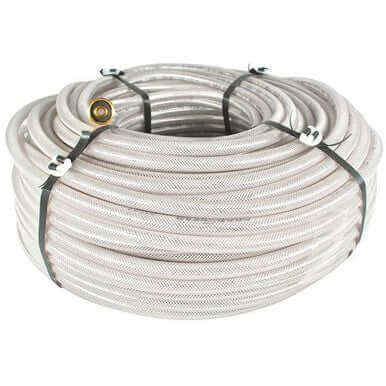 Hose 3/8in Clear Braided SKU: 150-0EM | 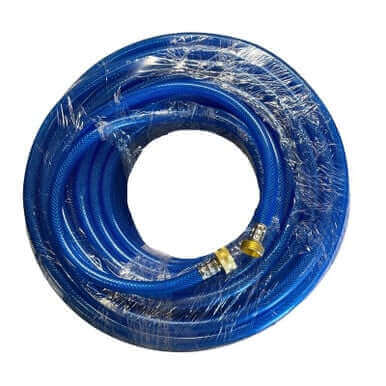 1/2in Blue Braided Hose SKU: 150-04M | 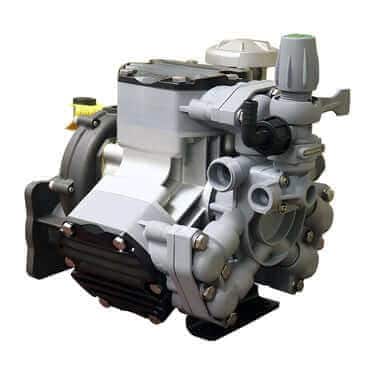 Comet P40 Diaphragm Pump w/ Regulator SKU: 150-0428 |
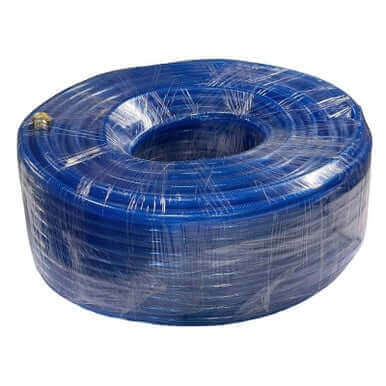 Hose 3/4in Braided By the Ft Blue SKU: 150-0318 | 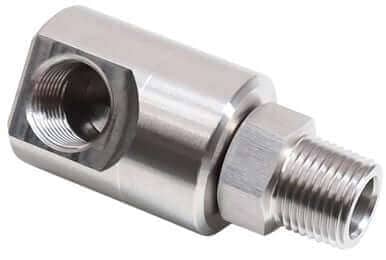 ProTool Swivel 1/2 npt Male, Female SKU: 68-242 | 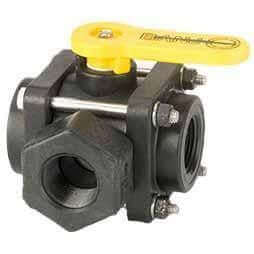 ProTool Softwash 2 Way Poly Valve Side Port SKU: 150-0881 |
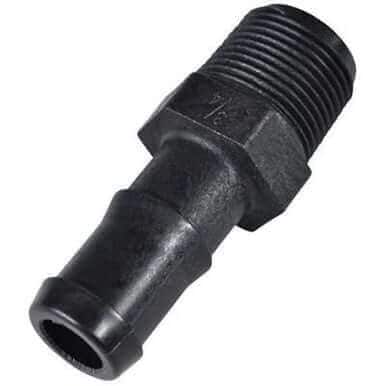 ProTool Hose Barb Banjo 1/2in to 1/2in MNPT SKU: 74-8113 | 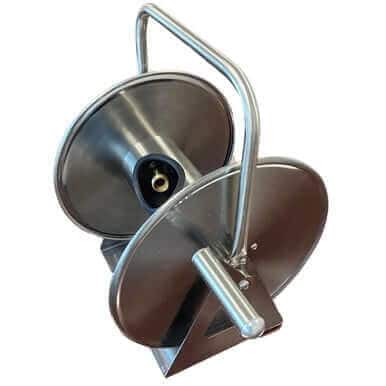 ProTool 10in wide Stainless Steel Reel SKU: 68-01 | 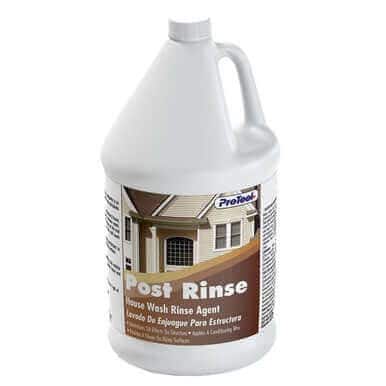 ProTool Post Rinse SKU: 83-03M |
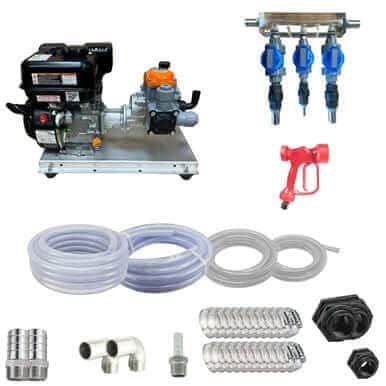 Gas Soft Wash Starter Kit SKU: 150-04582 | 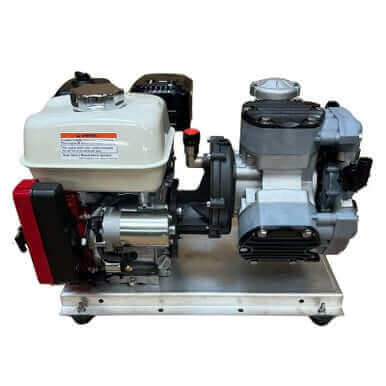 BPX25 - P40 Soft Wash Sprayer Skid SKU: 150-0432M |