How to Clean Awnings and Canopies with Soft Washing
Table of Contents
Cranking the PSI on a pressure washer is the fastest way to destroy an expensive fabric installation. High pressure strips UV coatings, blows out seams, and leaves you holding the replacement bill. Knowing how to clean awnings and canopies professionally means using controlled chemistry — not brute force — to remove organic growth and environmental contamination without damaging the substrate.
This guide covers substrate identification, chemical selection, the complete soft washing workflow, and the equipment that makes it work. If you're adding awning cleaning to your service menu or tightening up an existing process, this is the framework.
Identifying Awning Substrates Before You Touch Anything
Treating every awning with the same detergent is how you damage property. Woven fabrics (acrylic, polyester, canvas) are porous — organic spores root deep into the fiber structure. Non-porous vinyl traps contaminants on the exterior top-coat. Each demands a different chemical approach.
The water bead test: Mist a small dry section with water. If it beads and rolls off, the factory fluorocarbon finish is intact. If it soaks in immediately, the substrate has lost its repellency and will need a post-cleaning protectant. Run this test during your site assessment, before you mix a single chemical.
Before applying any solution, inspect for UV degradation (brittle fabric) and thread rot in the seams. Cleaning a structurally compromised awning can cause catastrophic failure under the weight of the cleaning solution. That's a liability problem, not a cleaning problem.
Woven Acrylic and Canvas
Solution-dyed acrylics like Sunbrella rely on a tight weave — not a solid coating — for water resistance. Aggressive scrubbing or high-pressure nozzles cause pilling: fibers fray, clump together, and the damage is permanent. Chemical dwell time is the only professional method for neutralizing mold within porous weaves.
Vinyl and Plasticized Canopies
Determine whether the vinyl is top-coated with a protective lacquer or is non-top-coated. Wrong pH or harsh solvents trigger plasticizer migration — the material turns sticky or yellows over time. For industrial soot and oily residues common on storefront canopies, high-alkaline cleaners break surface tension without attacking the plasticized structure.
Equipment and Chemical Selection
Downstream injectors are standard in pressure washing but often fail for awning work — inconsistent ratios and high water volumes saturate fabric too quickly. A dedicated soft wash system gives you precise chemical metering: exactly what's needed to kill organic growth without over-wetting the substrate or wasting expensive product.
Soft Washing Hardware
12V diaphragm pumps are the standard for this application. The ProTool SoftWash System 5gpm 12V Pump handles corrosive chemicals while maintaining the low flow rates (2–5 GPM) necessary for delicate fabrics. Pair it with 40-degree fan tips to minimize physical impact while providing an even spray pattern.
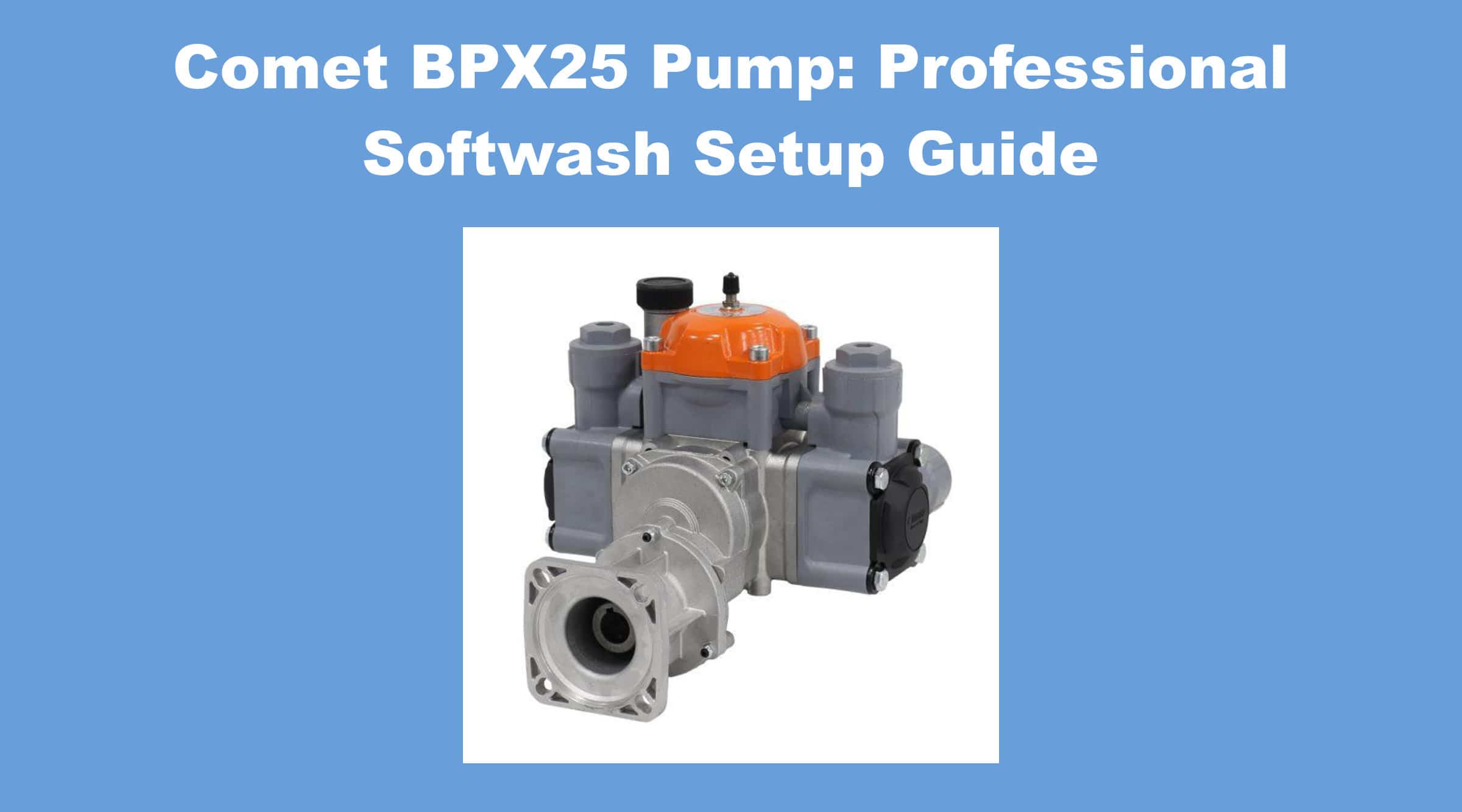
For truck- or trailer-mounted rigs, a ProTool BPX25 Soft Wash Sprayer Skid gives you the metering precision and chemical resistance that general-purpose pressure washing setups lack. The dedicated ProTool Soft Wash Metering Block lets you adjust SH concentrations on the fly — critical when moving between a heavily molded vinyl canopy and a lightly soiled acrylic awning on the same job.
Cleaning Chemicals
Sodium Hypochlorite (SH) is the most effective mold killer on vinyl and colorfast acrylics. For delicate or non-colorfast fabrics, oxygen-based bleaches are the safer alternative. The choice depends entirely on the substrate you identified during assessment.
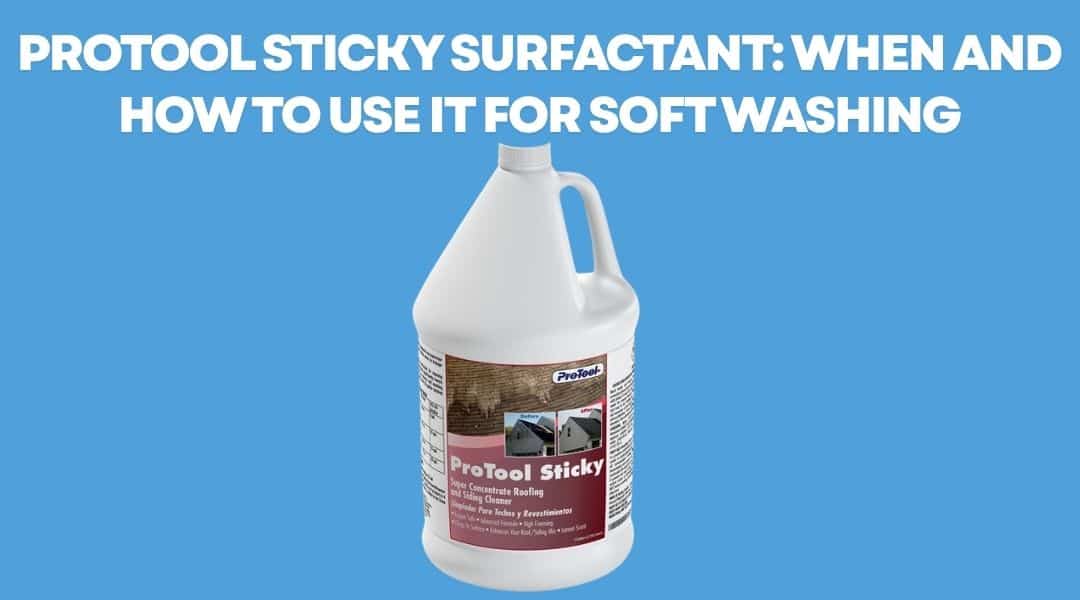
Surfactants are equally critical. They reduce surface tension so your mix penetrates woven fibers instead of sheeting off. On vertical surfaces where runoff is constant, a quality surfactant like ProTool Sticky keeps the solution where you spray it, maximizing dwell time and chemical effectiveness. For vinyl canopies with kitchen grease, a high-pH degreaser like EBC Degreaser emulsifies oily residues that standard soaps cannot touch.
For neutralizing after an SH wash, ProTool Post Rinse eliminates residual bleach and stops chemical action on the fabric.
The 5-Step Soft Washing Workflow
Step 1: Site Preparation
Pre-wet all surrounding vegetation. Cover sensitive plants with breathable tarps. Use bleach neutralizers on the soil if you're running high SH concentrations. This isn't optional — a burned-out planting bed costs you more than the awning job is worth.
Step 2: Dry Soil Removal
Use a soft-bristled brush to sweep away loose dirt, cobwebs, and bird droppings before any liquid touches the fabric. Skipping this creates a mudding effect that pushes fine particulates deeper into porous fibers.
Step 3: Pre-Wet
Saturate the awning with clean water. This fills the fabric's pores and prevents cleaning chemicals from absorbing too deeply into the fiber core. It also makes the eventual rinse far more effective.
Step 4: Apply Soft Wash Mix
Apply using low-pressure equipment. Start from the bottom and work up to prevent clean streaks from running through dirt above.
For most awning mold, 1%–3% SH concentration is sufficient. Higher concentrations rarely help and increase the risk of color loss. Monitor ambient conditions: high humidity slows evaporation and extends dwell time; direct sunlight and wind accelerate drying. If the solution starts drying on the fabric, it stops working.
Step 5: Rinse
Rinse from the top down. For woven fabrics, use a flood rinse — high-volume, low-pressure — until no soap bubbles appear in the runoff. If organic stains persist after a thorough rinse, apply a second light application. Let the chemistry do the work.
Specialty Stain Removal and Post-Cleaning Protection
Standard soft washing handles organic growth. Deep-set inorganic stains — rust from metal frames, tannins from fallen leaves, kitchen grease on restaurant canopies — bond differently to the substrate and require targeted chemistry.
Oxalic acid is the standard for rust spots. It breaks the bond between iron oxide and fabric without compromising fiber integrity. F9 Efflorescence & Calcium Remover handles mineral deposits and rust staining on both fabric and the metal frames beneath. Apply specialty cleaners as spot treatments, not blanket sprays.
Restoring the Protective Finish
Every deep clean strips some of the factory fluorocarbon finish. Once that barrier is gone, the fabric becomes absorbent and re-soils rapidly. Restoring it is a critical upsell that extends installation life and maintains results.
Winsol Awning Armor restores hydrophobic properties on vinyl canopies. For woven acrylics like Sunbrella, solvent-based protectants from the awning cleaning category typically offer superior durability and UV protection. Apply with a dedicated pump sprayer or low-pressure system for uniform coverage.
A 24-hour cure time is non-negotiable. Moisture exposure before the protectant fully bonds causes clouding and treatment failure.
Bidding and Scaling Awning Cleaning Services
Awning cleaning carries higher margins than standard flatwork because it requires specialized substrate knowledge and chemical expertise that most pressure washing contractors don't have. That's your competitive advantage.
Measurement: Linear footage for standard storefront installations. Square footage for large commercial entrance canopies or residential patio covers. Factor in a complexity multiplier for height, limited access, heavy soiling on porous fabrics, and the volume of chemical required.
Liability: Ensure your insurance includes "care, custody, and control" (CCC) clauses. Standard general liability covers damage to the building but may exclude damage to the specific item you're cleaning. Document pre-existing UV degradation and thread rot before you start — it protects you from claims on pre-existing failures.
Maintenance contracts: Semi-annual cleanings prevent environmental fallout from etching into fabric. High-traffic commercial sites (restaurants, storefronts near industrial roads) often need quarterly service. Recurring schedules keep substrates manageable and your per-job efficiency high.
Safety on High-Access Jobs
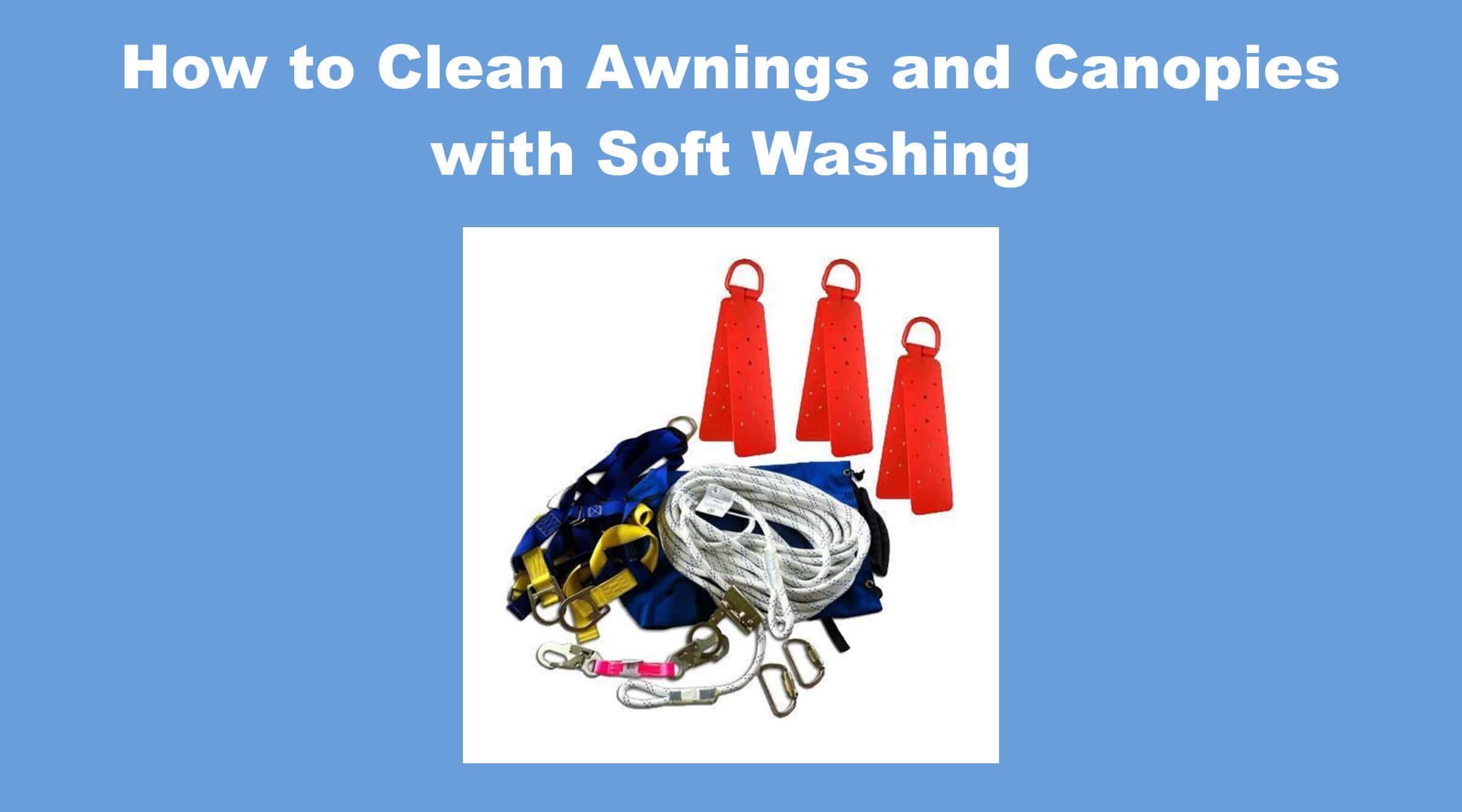
Commercial canopy work often means heights. A Roof Cleaning Safety Kit covers the fundamentals — harness, lanyard, rope grab, and anchor. For jobs requiring boom lifts or extensive masking of building facades, price those operational overhead costs into the bid. Don't absorb them.
Products Mentioned
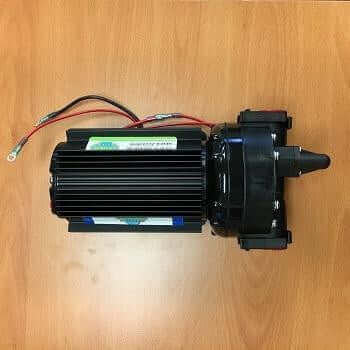 ProTool SoftWash System 5gpm PolyPro 12v Pump SKU: 150-0859 | 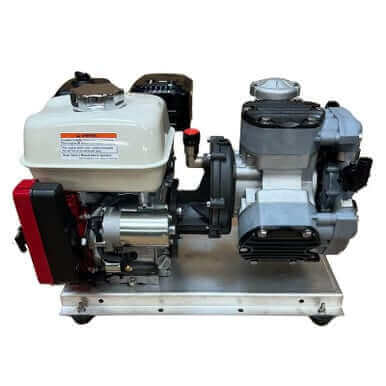 BPX25 - P40 Soft Wash Sprayer Skid SKU: 150-0432M | 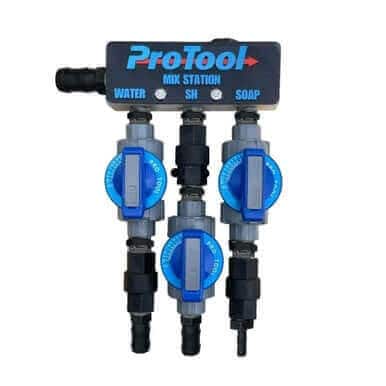 Soft Wash Metering Block SKU: 150-0454M |
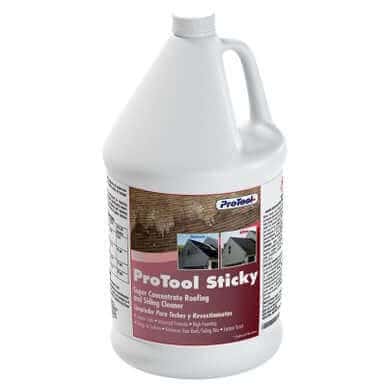 ProTool Sticky SKU: 83-07M | 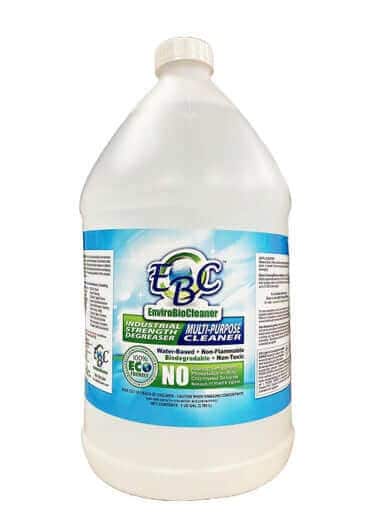 EBC Degreaser, Detergent SKU: 83-81M | 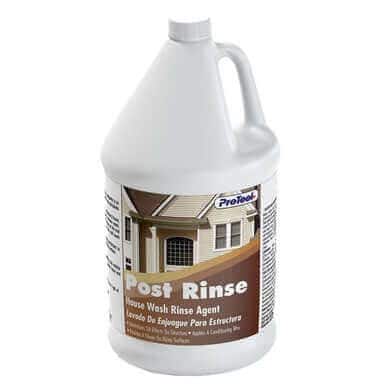 ProTool Post Rinse SKU: 83-03M |
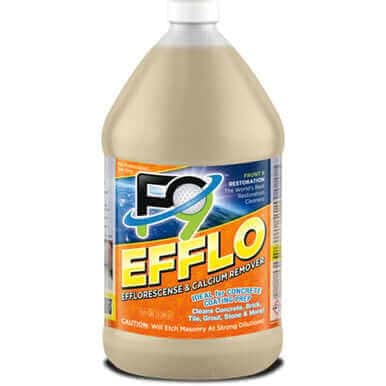 F9 Efflorescence/Calcium Remover Front9 Restoration SKU: 320-62M | 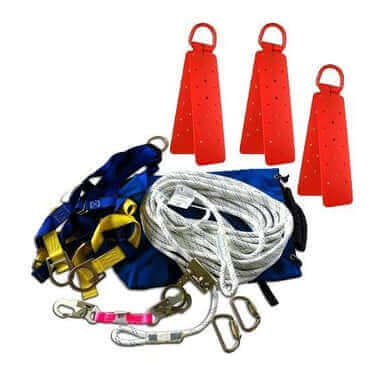 Roof work Fall Protection Kit SKU: 12-660 |