Best Way to Clean a Tile Roof: Soft Washing Equipment and Process
Table of Contents
The best way to clean a tile roof is to never touch it with a pressure washer. Clay and concrete tiles fracture under high PSI, moisture forces past the underlayment, and you end up owning a leak that wasn't yours. Most contractors figure this out after one bad job — or one conversation with a roofing manufacturer's warranty department.
Soft washing — low-pressure chemical delivery — is the standard for tile roof restoration because it solves the actual problem. The staining on a tile roof isn't dirt. It's biological. And you can't blast biology off a porous substrate without destroying the substrate in the process.
Why Tile Roofs Fail Under Pressure
The dark streaks on concrete and clay tiles are almost always Gloeocapsa magma, a cyanobacterium that feeds on calcium carbonate — which concrete tiles are full of. Moss and lichen are worse. Moss holds moisture against the tile surface and into the laps. In freeze-thaw climates, that retained water expands and cracks tiles. Lichen anchors into the substrate with root-like structures that cause permanent pitting.
Both concrete and clay tiles are porous. High-pressure water etches the protective slurry coat or glaze, strips it off, and leaves the tile rougher and more porous than before. That rougher surface lets algae spores anchor deeper, which means faster regrowth and shorter intervals between cleanings — the opposite of what your customer is paying for.
Pressure washing also forces water upward past the tile lap. The roof was engineered to shed water downward by gravity and overlap. A 3,000+ PSI stream at the wrong angle overcomes the lap, saturates the underlayment, and causes attic leaks or long-term rot in the decking. Most tile manufacturers explicitly forbid high-pressure cleaning. Use one on a warranted roof and you may own the replacement.
What a Professional Soft Wash Rig Requires
A soft wash system is architecturally different from a pressure washer. It's built for high-volume, low-pressure chemical delivery. Every component in the fluid path must be rated for sodium hypochlorite — brass fittings, steel components, and standard pressure washer internals corrode fast in SH service.
Core components of a roof-capable rig:
- Chemical-resistant diaphragm pump — The Comet P40 Diaphragm Pump or a 12V soft wash pump handles SH without the seal failures you get from plunger pumps. 12V units deliver 5–7 GPM for residential; gas diaphragm pumps cover commercial volume.
- Metering manifold — A ProTool Soft Wash Metering Block lets you proportion water, concentrated bleach, and surfactant on the fly instead of batch-mixing in the tank. Faster adjustments per roof condition.
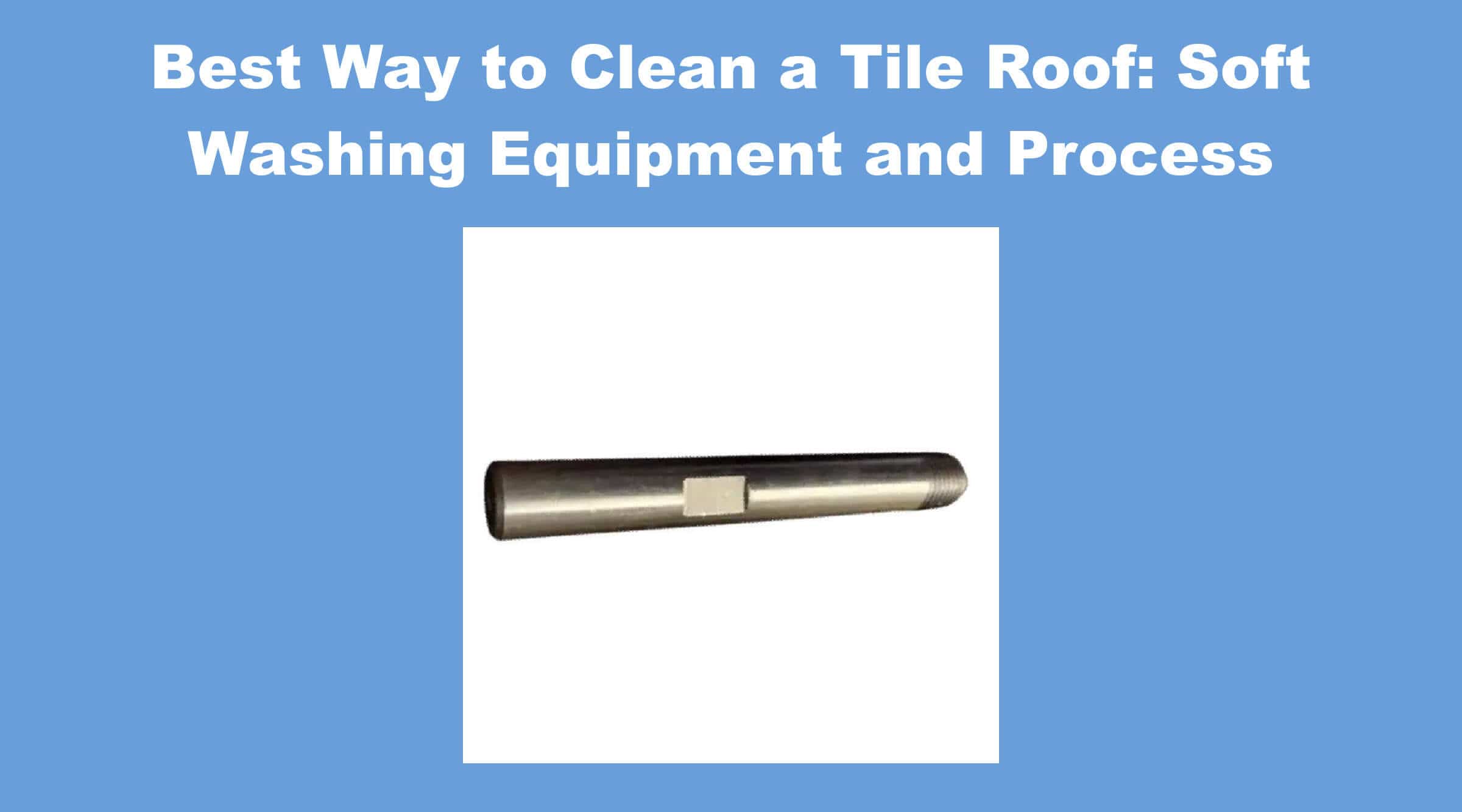
- Shooter tips — ProTool Shooter Tips throw a stream 30–40 feet at low PSI, keeping the technician off the tiles and on the ground or ladder line.
- Chemical-resistant hose and gun — PVC-reinforced hose and poly-composite spray guns. Metal triggers corrode in SH service within weeks.
Chemical Proportioning
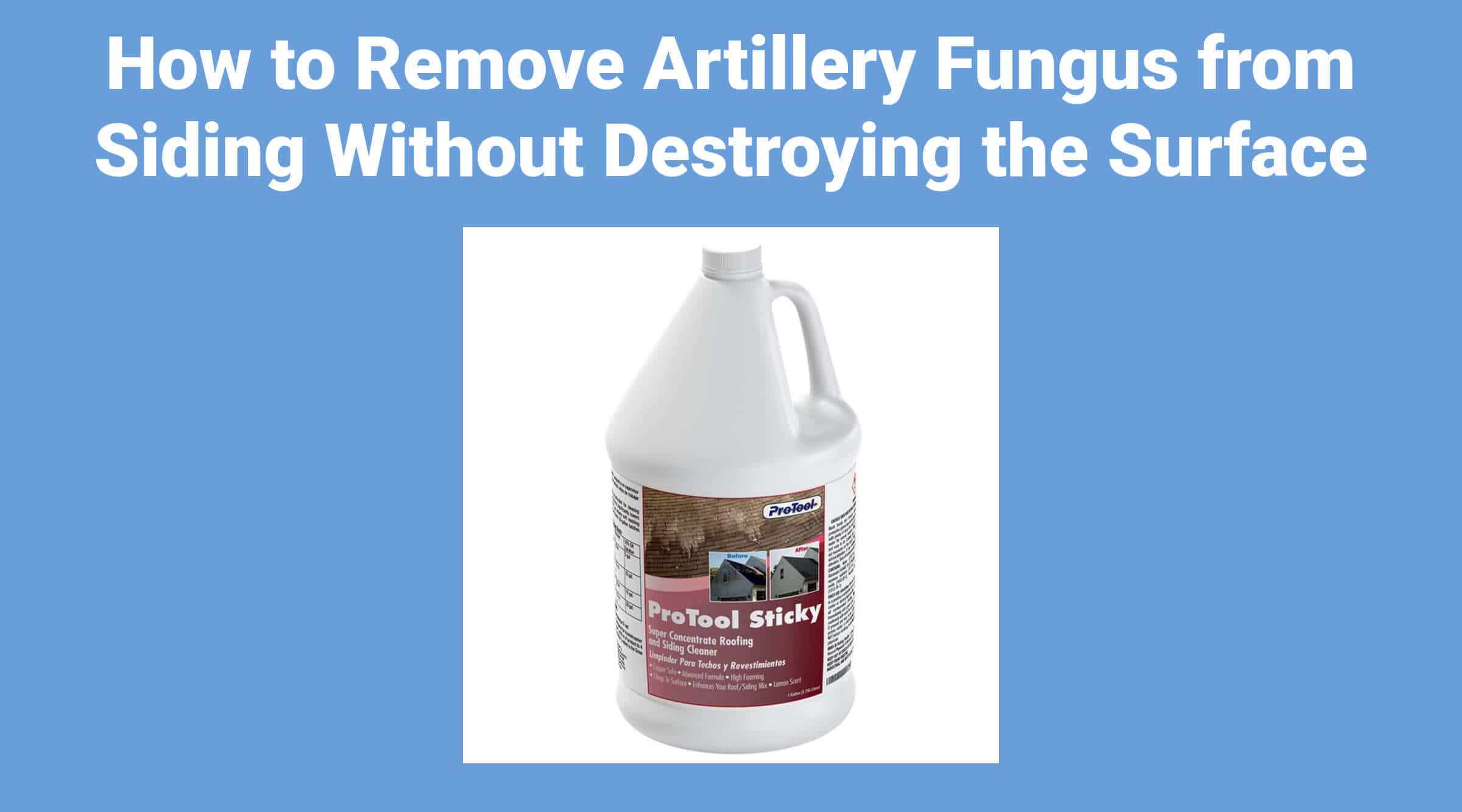
Concrete tiles typically need 3–4% sodium hypochlorite concentration to penetrate the pores and kill algae at the root. Surface-level rinsing with water alone fails because it doesn't reach the embedded root systems. A high-tack surfactant is critical on sloped tile — it increases dwell time so the biocide stays in contact with the organism long enough for a total kill instead of a cosmetic rinse.
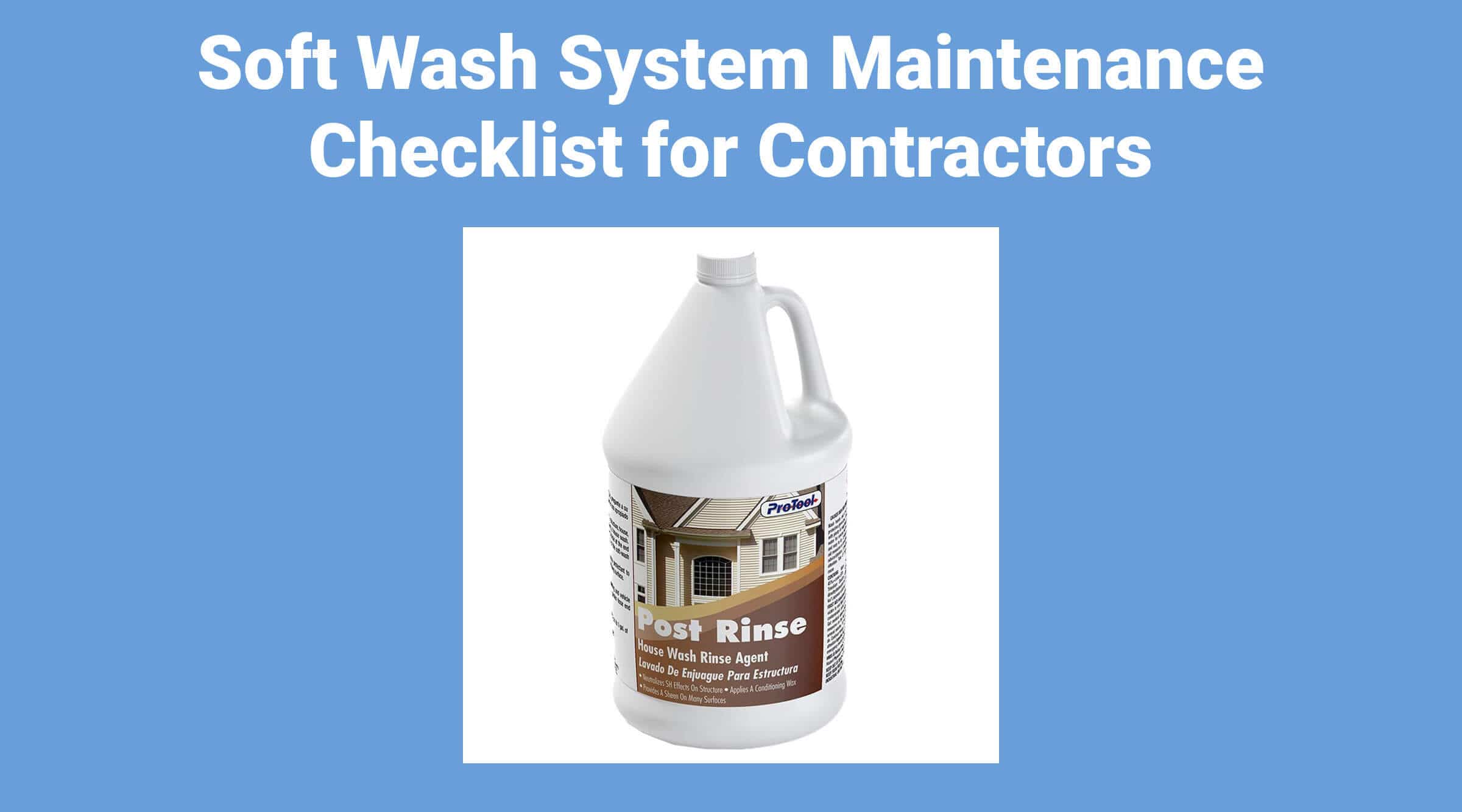
ProTool Sticky is built for this — it clings to vertical and sloped surfaces where thinner surfactants run off before the chemistry finishes working. For post-application neutralization and plant protection, ProTool Post Rinse handles the runoff side.
The Cleaning Process, Step by Step
Site Prep and Safety
OSHA requires fall protection for any work at six feet or above — residential roofs included. That means a full-body harness, compliant rope grab, and certified anchor points. The Safety Kit for Softwash Roof Cleaning covers the harness, lanyard, and anchor in one package built for this application.
Before any chemical is mixed, identify and seal potential leak points — degraded flashing around skylights, cracked vent boots. Sodium hypochlorite is phytotoxic. A dedicated ground person saturates all nearby vegetation with fresh water before, during, and after application. This dilutes runoff before it reaches root systems.
Application
Apply bottom-up, from the gutter line toward the peak. Starting at the top lets solution run down dry tiles and create uneven clean streaks that are difficult to correct. The goal is an even, soapy coat. Monitor dwell time — most biological loads need 10–20 minutes of contact. If the solution dries before the chemistry finishes, a light re-wet maintains activity.
Heavy Lichen and Thick Moss
Don't scrape live lichen. Its grip on the tile is strong enough to pull the factory finish off with it. Once the biocide kills the root system, the organism's hold relaxes. A gentle rinse after dwell removes the bulk of the biomass. The remaining dead material detaches naturally during subsequent rain cycles. This "let it die and fall" approach preserves the tile surface and prevents regrowth — which is the entire point.
Building a Rig from J.Racenstein
The difference between a rig that lasts a season and one that runs for years is chemical compatibility. Every fitting, valve, hose, and pump in a soft wash system sees sodium hypochlorite daily. Consumer-grade hardware corrodes. The ProTool BPX25 Soft Wash Sprayer Skid is a pre-configured system where all components — pump, reels, proportioning valves — are matched for SH service. It eliminates the compatibility failures common in piecemeal builds.
For contractors building a custom rig, J.Racenstein stocks every component individually: soft wash pumps, metering manifolds, soft wash tips, and fall protection kits rated for rooftop work. One supplier, one standard of chemical resistance across the entire fluid path.
Products Mentioned
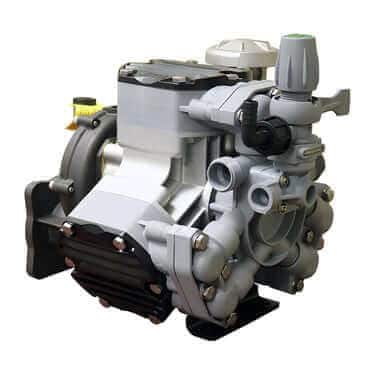 Comet P40 Diaphragm Pump w/ Regulator SKU: 150-0428 | 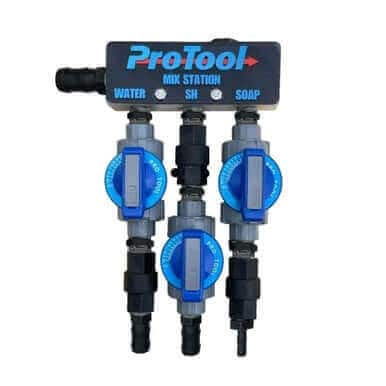 Soft Wash Metering Block SKU: 150-0454M | 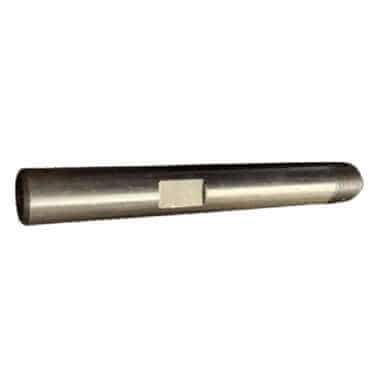 ProTool Shooter Tips Stainless Steel SKU: 75-57M |
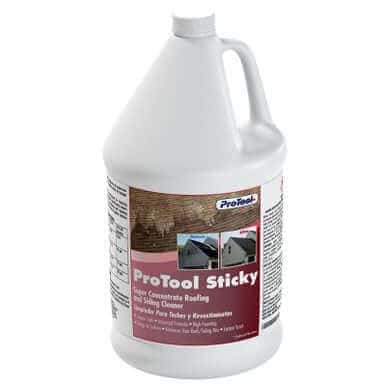 ProTool Sticky SKU: 83-07M | 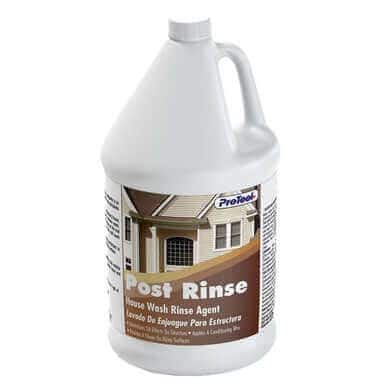 ProTool Post Rinse SKU: 83-03M | 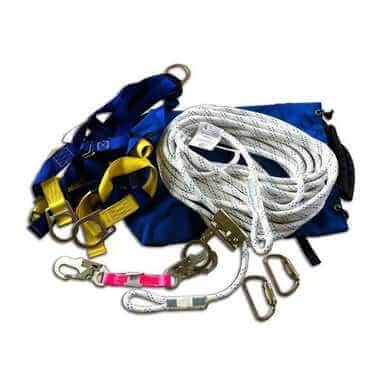 Safety Kit for Softwash Roof Cleaning SKU: 12-650 |
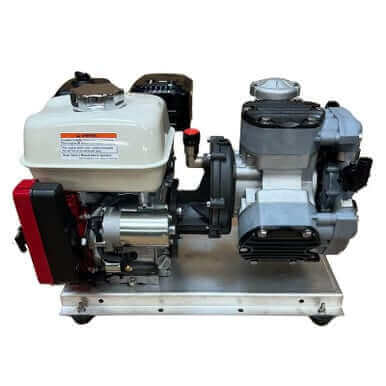 BPX25 - P40 Soft Wash Sprayer Skid SKU: 150-0432M |