How to Clean Metal Roofs Without Damage
Table of Contents
A single scratch on a Kynar 500 coating can trigger a five-figure repair bill and void a 20-year manufacturer warranty on the spot. Metal roofs are less forgiving than asphalt or tile — the factory finish is the product, and your job is to clean it without compromising it. This guide covers how to clean metal roofs without damage: soft wash configurations, chemical ratios, rinse technique, and the fall protection that keeps your crew off the surface whenever possible.
Why Metal Roofs Demand a Different Approach
A metal roof is a 40- to 70-year system. Its performance depends on factory-applied PVDF or Kynar 500 coatings that maintain color stability and UV resistance. Aggressive scrubbing, stiff-bristled brushes, or any abrasive mechanical method degrades the resin layer and accelerates chalking — the powdery residue that signals coating failure. Most manufacturer warranties explicitly forbid these methods.
Algae, moss, and lichen do more than look bad. They trap moisture against the panel surface, seeding oxidation and localized corrosion. On "cool roof" systems, even a thin layer of dirt absorbs heat instead of reflecting it, pushing cooling costs up measurably during peak summer. Cleaning isn't cosmetic — it's maintenance.
Why Pressure Washing Fails on Metal
Standard pressure washing above 1,500 PSI forces water under standing seams and lap joints. The result: trapped moisture, hidden leaks, and eventual structural rot. High-pressure tips also leave permanent wand marks — etching you cannot buff out. Soft washing at under 100 PSI relies on chemical action instead of kinetic force, killing organic growth at the root while preserving the mechanical integrity of every seam and fastener.
Equipment for Damage-Free Metal Roof Cleaning
The shift away from high-pressure on metal roofs is complete. Soft wash systems are the standard because they let the chemistry do the work. Chemical-resistant pumps and dedicated delivery lines keep sodium hypochlorite from degrading internal seals. Bleach-stable surfactants create thick foam that clings to steep pitches and vertical ribs instead of sheeting into the gutter before it can act.
Choosing the Right Soft Wash Pump
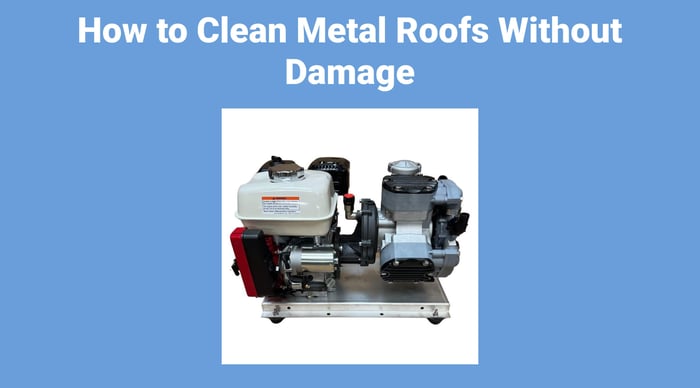
A 12V diaphragm pump handles most residential metal roofs quietly and cost-effectively. For large commercial panels, a gas-powered diaphragm pump like the Comet P40 delivers the flow rate you need. Either way, precision chemical metering is non-negotiable — you need repeatable mix ratios every time.
Purpose-built skids integrate tanks, hose reels, and proportioners into a single footprint. The ProTool BPX25 Soft Wash Skid is the workhorse setup most established crews run. Pair it with a ProTool Soft Wash Metering Block for consistent downstream ratios job after job. For operators who also run pure water or pressure washing services, the ProTool Pressure Washing, Soft Washing, Pure Water Truck Skid consolidates everything onto one platform.
Reach: Staying Off the Roof
Low-pressure shooter tips let you hit a roof peak from the gutter line or even from grade. The ProTool Ladder Saver Shooter Tip reaches up to 50 feet, eliminating most ladder work and all foot traffic on the panels. For rinse passes, an 8-to-24-foot telescoping wand gives you the volume and angle control you need from a safe position.
Fall Protection on Metal
Wet metal on any pitch is a slip hazard that standard work boots cannot handle. Small stones in boot treads act like sandpaper on painted panels, and stepping on ribs instead of the flat of the pan causes oil-canning — visible waviness that cannot be repaired.
When you must access the roof, a full fall-arrest system is mandatory. The J.Racenstein Roof Work Fall Protection Kit covers the anchor, harness, and rope grab in one package. On steep or thin-gauge panels (26- or 29-gauge residential), the better answer is to stay off entirely and work from grade with shooter tips and soft wash skids.
Step-by-Step Soft Wash Process
1. Property Protection
Saturate all surrounding vegetation and turf with fresh water for a full 10 minutes before any chemical touches the roof. Pre-wetting prevents plants from absorbing SH solution through their roots. Mask electrical outlets, keypads, and cameras with plastic sheeting. Keep the roof panels cool with water to prevent the mix from flashing — drying on contact before it can work.
2. Chemical Application
Sodium hypochlorite is the primary kill agent for algae, mildew, and Gloeocapsa magma. Concentration matters:
- Light staining: 1% SH with 2 oz of surfactant per gallon.
- Heavy organic growth: 2.5% SH with 4 oz of surfactant per gallon.
- Dwell time: 10–15 minutes. Do not let the solution dry on the surface.
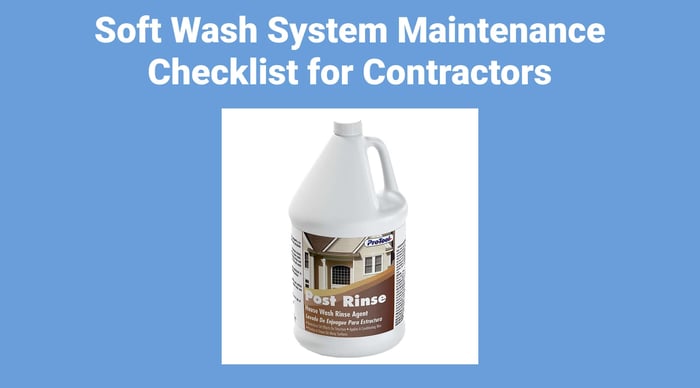
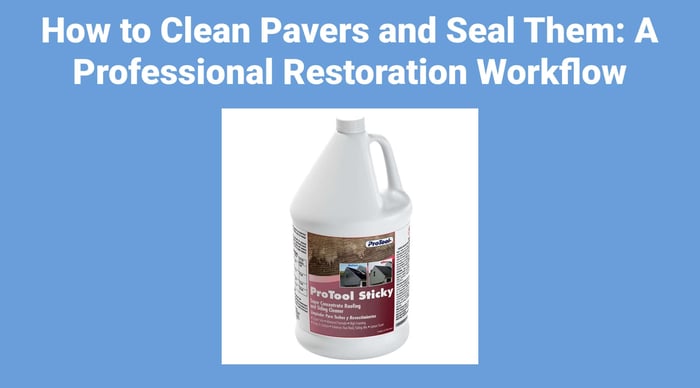
Use a bleach-stable surfactant — not dish soap. ProTool Sticky is formulated to reduce surface tension so the mix clings to steep pitches and vertical standing seams instead of running off. For the post-application neutralizing rinse that protects vegetation, follow with ProTool Post Rinse.
3. Rinse
Remove every trace of chemical residue with high-volume, low-pressure water — 8 to 10 GPM at under 100 PSI. Always rinse top-down, following the natural flow of the ribs. Never force water up under laps or into ridge vents.
On dark-colored roofs in hard-water regions, mineral spotting is a real aesthetic problem. A portable DI rinse system eliminates white spots on Kynar and SMP finishes. The ProTool Dual 20in DI is a compact spot-free rinse solution that fits on a cart or skid.
Finish by flushing all gutters until downspout water runs clear. Debris collects during the wash and will corrode the gutter line if left sitting in chemical residue. Check eaves and architectural trim for overspray.
Critical Mistakes That Cause Permanent Damage
Chemical Incompatibility
Hydrochloric acid on galvanized or Galvalume surfaces is a catastrophic error. The acid strips zinc-based protective coatings and exposes raw steel to immediate oxidation — you will see "white rust" within minutes. Stick to SH-based solutions at the concentrations above, and verify compatibility with the panel manufacturer's maintenance guide before every new substrate.
- Acidic reactions: High-strength acids cause rapid white rust on zinc-aluminum coatings within minutes.
- Mechanical abrasion: Wire brushes and metal scrapers gouge Kynar 500 and Hylar 5000 finishes, creating moisture entry points. Prohibited.
- Gutter neglect: Trapped debris acts as a sponge for chemical runoff. If SH sits in the gutter line, it causes edge corrosion that eats through the panel perimeter.
Walking Damage
Stepping on the high point of a rib instead of the flat of the pan, directly over a purlin, causes oil-canning on thinner residential panels. This deformation is permanent. If pitch or gauge makes walking risky, clean from the ground. Shooter tips, telescoping wands, and soft wash skids exist specifically so you don't have to put boots on every roof.
Scaling into Metal Roof Cleaning
Metal roof cleaning commands higher per-job revenue than basic house washing because the stakes — and the technical requirements — are higher. A purpose-built soft wash rig lets a crew complete a residential metal roof 30% faster than modified consumer equipment, which means more stops per day without sacrificing the finish quality that prevents callbacks.
The equipment investment pays for itself in avoided liability. Consistent chemical application from precision nozzles and metering blocks eliminates the hot spots and streaking that generate insurance claims. Build your rig around components rated for daily chemical exposure — ProTool Red Hybrid Hose for delivery lines, stainless or brass valves throughout, and a metering manifold that locks in your ratios.
If you're expanding from window or pressure washing into roof services, the transition is straightforward: the soft wash skid is your anchor, shooter tips give you reach, and fall protection fills the safety gap. J.Racenstein supports custom skid builds tailored to specific truck or trailer footprints — reach out to the team if your setup needs differ from a standard configuration.
Products Mentioned
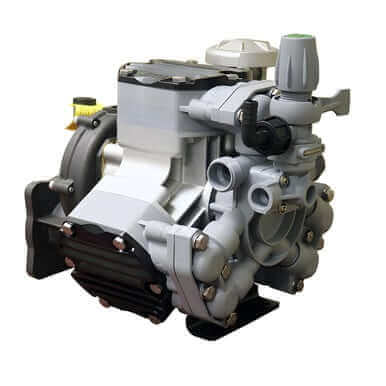 Comet P40 Diaphragm Pump SKU: 150-0428 | 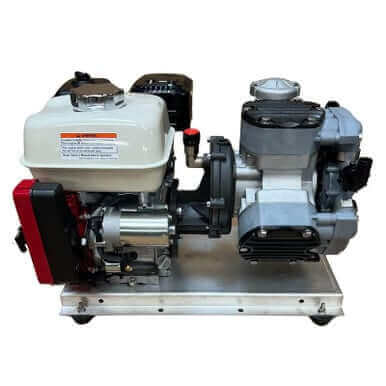 BPX25 - P40 Soft Wash Sprayer Skid SKU: 150-0432M | 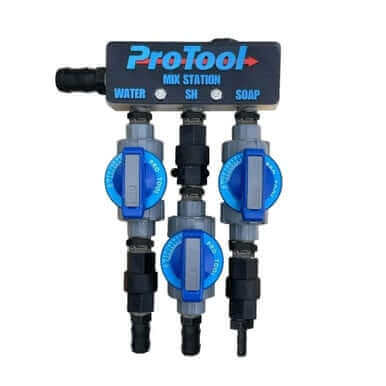 Soft Wash Metering Block SKU: 150-0454M |
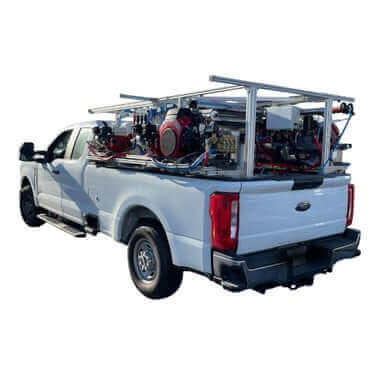 Pressure Washing, Soft Washing, Pure Water Truck Skid SKU: 180-3822 | 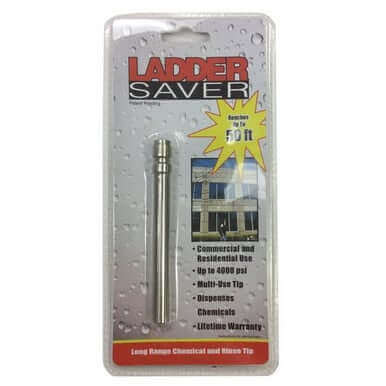 ProTool Nozzle Ladder Saver Shooter Tip to 50ft SKU: 74-5719 | 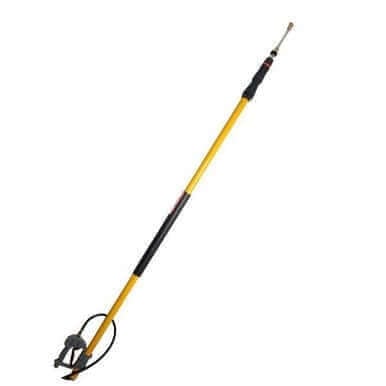 Extension Pole Wand with Trigger 8ft to 24ft 200deg 3500psi SKU: 74-5372 |
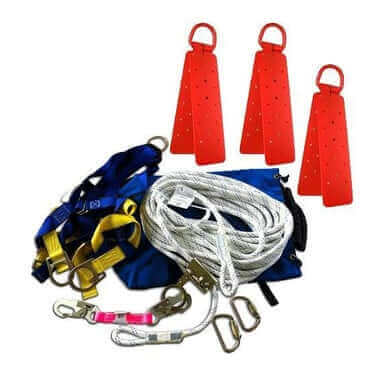 Roof work Fall Protection Kit SKU: 12-660 | 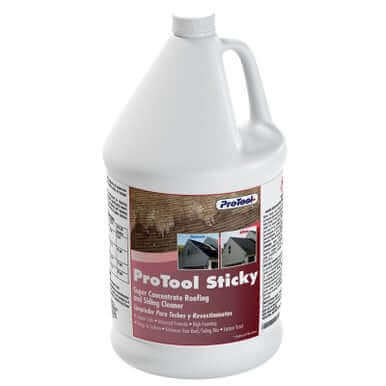 ProTool Sticky SKU: 83-07M | 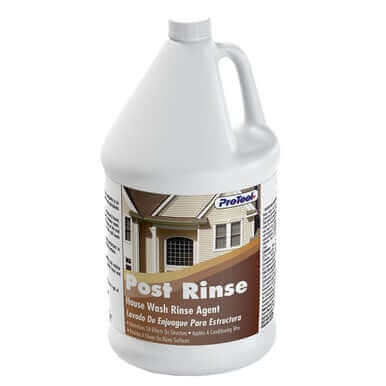 ProTool Post Rinse SKU: 83-03M |
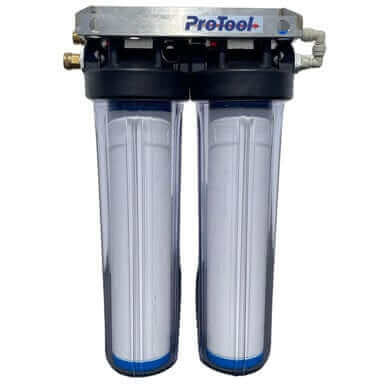 ProTool Dual 20in DI Ready to Use SKU: 150-05301 | 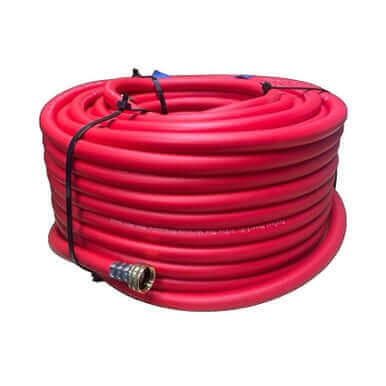 ProTool Ultra Light Hybrid Hose 300 PSI SKU: 150-035M |