How to Remove Artillery Fungus from Siding Without Destroying the Surface
Table of Contents
High-pressure washing is the fastest way to gouge vinyl siding while leaving artillery fungus completely intact. Those tar-like black specks are physically fused to the surface — they aren't dirt, and they don't respond to PSI. Sphaerobolus stellatus launches spore masses up to 20 feet, and once the adhesive cures, it rivals industrial superglue. Knowing how to remove artillery fungus from siding starts with accepting that blasting is never the answer.
This guide covers the chemical-and-mechanical protocol that actually works: surfactant dwell, targeted scraping, substrate-matched tools, and the mulch management that keeps spores from returning. Every step is built around protecting the siding finish while getting the spots off.
What Artillery Fungus Actually Is — and Why It Sticks
Sphaerobolus stellatus appears as tiny raised black or dark-brown dots that feel like sandpaper. They're spore masses mechanically launched from decomposing hardwood mulch, not surface mold or insect waste. The fungus is phototropic — attracted to light and reflective surfaces — which is why white and beige vinyl takes the worst hit.
Each spore arrives encased in gleba, a sticky biological adhesive that bonds to the siding almost on contact. Standard house-wash surfactants dissolve fly speck (insect waste) easily; artillery fungus resists them because of that hard outer casing. If you can't flick a spot off with your thumbnail, you're dealing with Sphaerobolus.
The Mulch Connection
Decomposing shredded hardwood mulch is the incubator. Moisture and temperatures between 50 °F and 68 °F trigger spore discharge. The blast zone extends roughly 20 feet vertically and horizontally from the mulch bed. Any siding inside that radius is a target.
Why Fresh Spores Are Easier
Fresh spores haven't fully cured. As they age, the gleba hardens, and UV exposure bakes the bond deeper into the finish. Removal difficulty increases exponentially with time — and so does the risk of permanent ghosting or surface etching. Catching spores within the first two weeks is a different job than scraping year-old spots.
Why High Pressure Fails
The fungus is harder than the siding's finish. Cranking PSI high enough to dislodge the adhesive will etch vinyl, strip paint from fiber cement, or shred the factory texture ("fuzzing") before it removes the spore. You trade black dots for permanent wand marks — a worse outcome.
Excessive pressure also drives water behind siding panels, trapping moisture in the wall cavity and creating conditions for mold and structural rot. On older vinyl, high-pressure streams strip the oxidation layer and leave conspicuous clean streaks that can't be blended.
Soft Wash Alone Won't Finish the Job
Sodium hypochlorite kills the living fungus, but it does not dissolve the hardened gleba shell. SH is essential for the final sanitation step — it just can't do the whole job. Removing artillery fungus from siding requires a hybrid approach: chemical softening followed by targeted mechanical agitation.
The Removal Protocol
Phase 1 — Chemical Softening
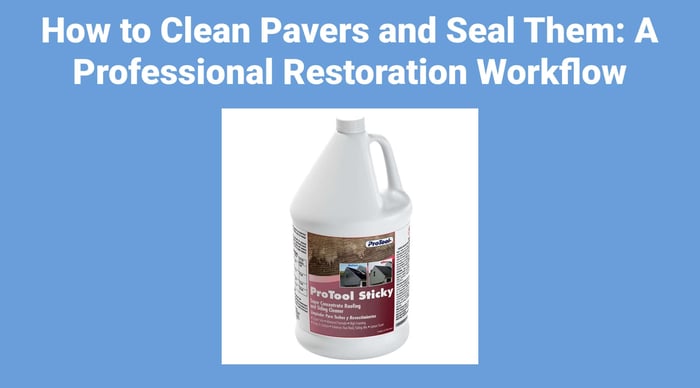
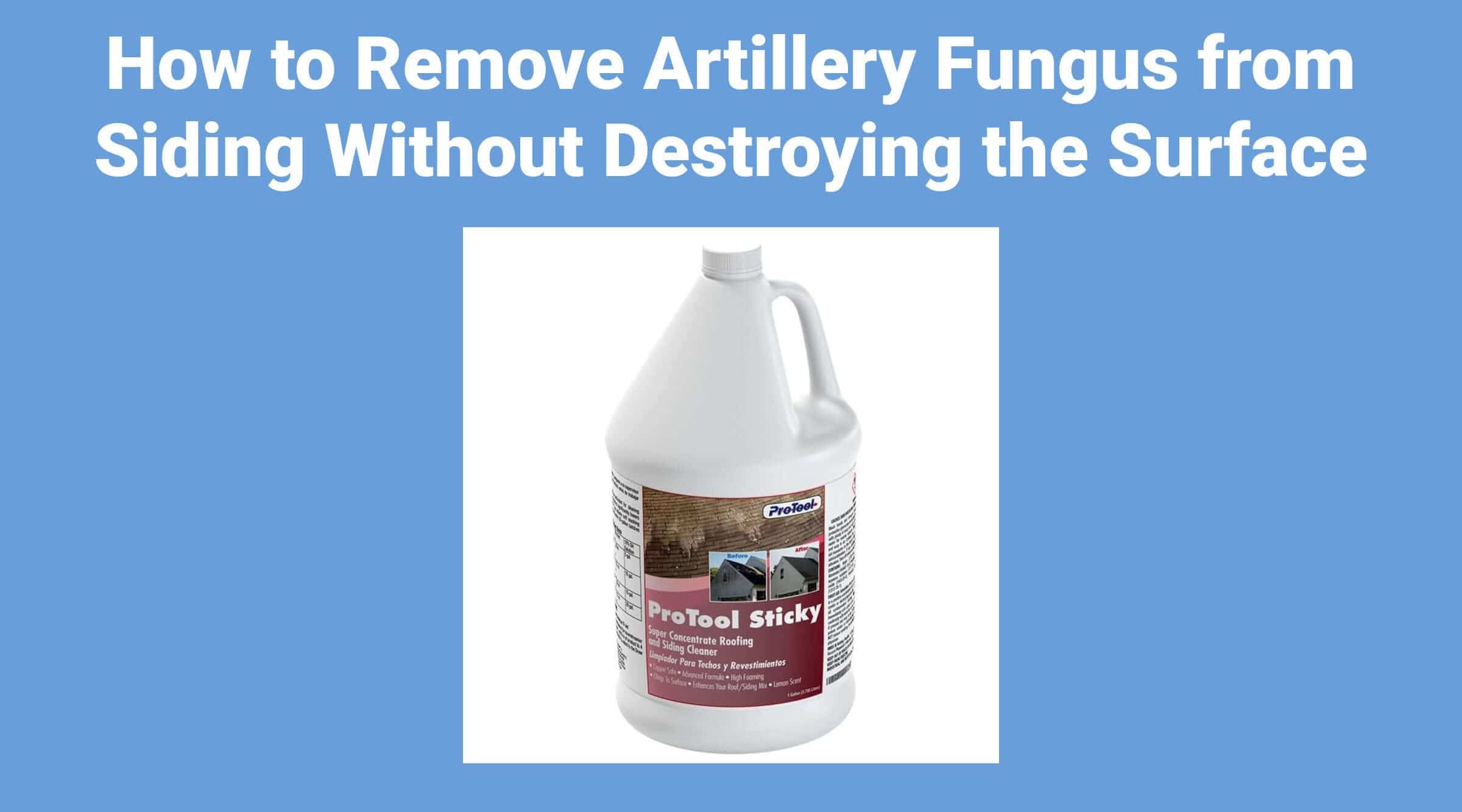
Apply a professional exterior detergent mixed with a high-cling surfactant and allow 10–15 minutes of dwell time. High-cling formulas like ProTool Sticky reduce surface tension so the chemistry can penetrate the waxy gleba coating that plain water and consumer soaps slide off of. Keep the siding wet throughout — if the solution dries, it can streak vinyl or paint permanently. Re-mist as needed.
Phase 2 — Mechanical Agitation
Run the thumbnail test: press your nail into a treated spore. If it compresses or slides, the adhesive has softened enough to scrape.
- Vinyl siding: Use a plastic razor blade held at about 15 degrees to lift the spore mass. Plastic is rigid enough to pop the spot but too soft to scratch the substrate.
- Glass and metal: A stainless-steel Triumph scraper or Unger ErgoTec scraper works here — but never on vinyl.
- Textured vinyl or painted wood: Switch to a white non-scratch abrasive pad. It conforms to the texture and provides friction without sanding the factory finish.
Work in small sections to control blade angle. After scraping, rinse at low pressure / high volume to clear loosened debris.
Phase 3 — Final Kill and Documentation
Apply a 2–3 % SH solution as a fungicidal rinse to neutralize any microscopic spores left in the substrate. Pre-wet surrounding vegetation before application.
Document the finished surface. Even with perfect technique, long-term spots may leave faint ghosting — a light brown shadow where the gleba cured into the finish. Showing the client before-and-after photos alongside your protocol manages expectations and demonstrates professional due diligence.
Equipment Checklist
| Tool | Substrate | Why |
|---|---|---|
| Triumph MK3 6 in scraper | Glass, metal | Rigid carbon-steel blade, no chatter |
| Unger ErgoTec 4 in scraper | Glass, metal | Ergonomic grip for detail work |
| Plastic surface scraper | Vinyl siding | Lifts spores without scratching plastic |
| ProTool White Scrub Pad 6×9 | Textured vinyl, painted wood | Non-scratch friction on irregular surfaces |
| ProTool 0000 Steel Wool | Glass only | Removes fungus without scratching glass |
| ProTool Sticky surfactant | All | High-cling dwell on vertical surfaces |
| Soft wash system | All | Low-pressure chemical delivery, no water intrusion |
For a deeper look at matching chemicals to biological growth, J.Racenstein's video library covers exterior cleaning chemical selection: J.Racenstein YouTube channel.
Preventing Recurrence
Removal without source control is a treadmill. If the hardwood mulch stays, the spores come back every cool-wet cycle.
Mulch Alternatives
- Cedar or cypress mulch — naturally resistant to fungal colonization.
- Large pine bark nuggets — drain and dry faster than shredded wood, starving the fungus of moisture.
- Inorganic covers (stone, gravel, rubber mulch) — zero organic food source, zero artillery fungus. Permanent fix.
- Top-dressing — if the client insists on wood mulch, a fresh 2-inch layer each year buries existing spores and blocks light from triggering discharge.
Buffer Zone
Remove all wood mulch within three feet of the foundation. Improve air circulation and sunlight exposure to remaining beds so they dry below the moisture threshold. Ground-cover plantings reduce exposed mulch surface area.
Annual Maintenance Upsell
Schedule annual soft-wash inspections. Catching fresh spores before the adhesive fully cures cuts removal time dramatically. Bundling mulch-management consulting into a maintenance contract positions you as the total exterior solution — not just the guy with the wand.
Products Mentioned
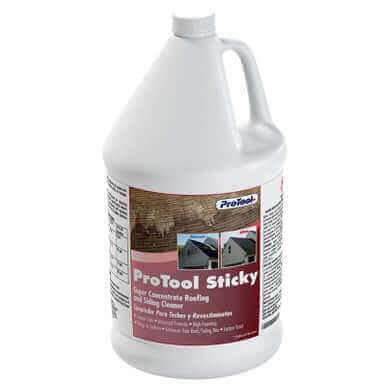 ProTool Sticky SKU: 83-07M | 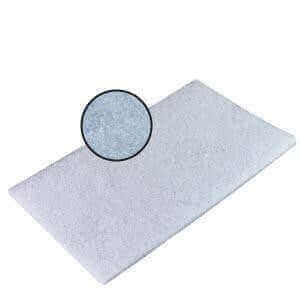 ProTool Pad Scrub White 6x9 (1) SKU: 26-10 | 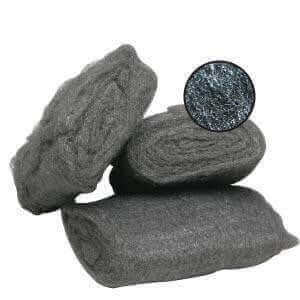 ProTool Steel Wool Bag 0000 SKU: 26-20 |
ProTool Pad Scrub White 6x9 (1) SKU: 26-10 |