Soft Wash System Maintenance Checklist for Contractors

Table of Contents
Sodium hypochlorite doesn't wait. The moment your pump shuts off, residual SH begins crystallizing inside the fluid path — scoring diaphragms, eating Viton seals, and turning brass fittings green. A mid-job pump failure on a commercial route doesn't just cost a rebuild; it costs the entire day's revenue and a client relationship you spent months building. This soft wash system maintenance checklist covers the daily, weekly, monthly, and seasonal protocols that keep your rig producing instead of sitting on a trailer waiting for parts.
Why SH Destroys Equipment Faster Than You Think
Soft washing isn't pressure washing with soap. The fluid path carries a corrosive oxidizer that attacks every component it contacts. When 12.5% SH dries inside a pump head, it doesn't evaporate — it leaves behind salt crystals that act as an abrasive on ceramic plungers and tear through seals. A water-only flush helps, but water alone can't neutralize the residual pH. That's where a dedicated post-rinse agent matters: it stabilizes the internal environment and halts the oxidation process before it causes pitting.
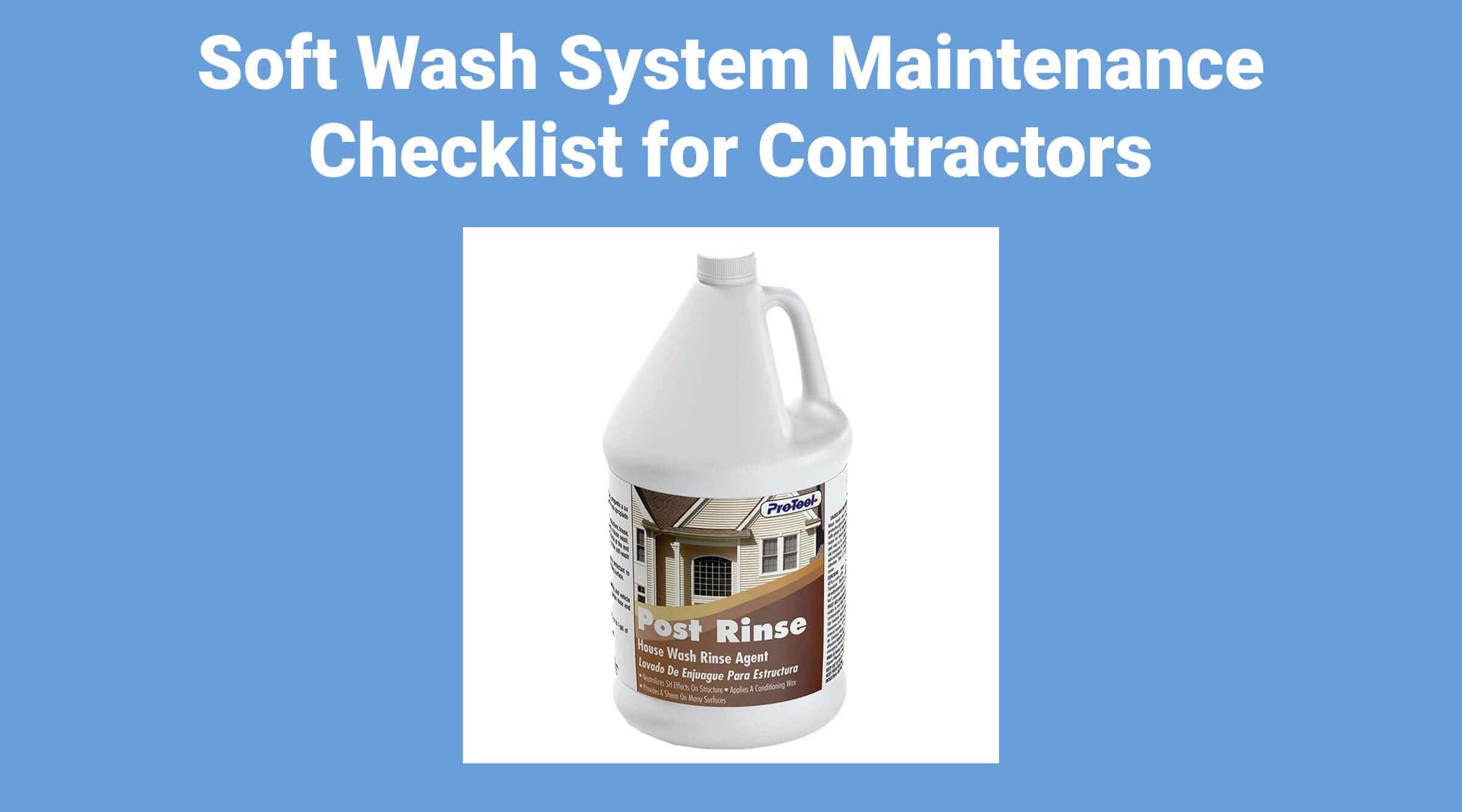
The cost math is straightforward. A daily flush uses a few gallons of neutralizer like ProTool Post Rinse and about fifteen minutes of labor. Skipping it accelerates diaphragm wear, seal failure, and manifold corrosion — problems that surface as unscheduled downtime during your highest-revenue weeks. Documented maintenance logs also raise your rig's resale value and give every technician on your crew a standard operating procedure instead of guesswork.
The Daily Soft Wash System Maintenance Checklist
End-of-day maintenance is non-negotiable. Every hour that residual SH sits inside your lines moves you closer to a rebuild. This is the minimum your crew should complete before the truck parks for the night.
System Flush Protocol
- Switch to fresh water. Rotate your metering manifold valves from the chemical draw tank to a clean water source.
- Run until clear. Operate the pump at moderate flow until discharge from the gun loses all bleach odor and runs clear.
- Draw neutralizer. Pull a chemical neutralizer — Post Rinse or equivalent — through the system for the final 60 seconds of the flush. This stabilizes the pH inside the pump head and lines.
Daily Hardware Inspection
Start at the pump head. Look for weeping — any fluid escaping from the manifold or seal area signals impending seal failure. Catching it today prevents a chemical spray onto the motor housing tomorrow. Move to the hose reels: check swivel connections for drips (a leaking swivel wastes product and creates a slip hazard on the truck bed) and confirm reel tension is correct.
For 12V electric systems like the ViPower Electric Soft Wash Sprayer, inspect battery terminals for green or white oxidation — a sign of high-resistance connections that drop voltage and overheat the pump motor. Clear suction strainers every day; a clogged filter causes cavitation that can destroy a pump in minutes. Finally, check spray tips for pattern distortion. SH erodes orifices over time, leading to inaccurate application rates and wasted chemical.
Weekly and Monthly Deep Dives
Weekly: Metering Valve Calibration
Your metering system is the brain of the rig. Surfactant residue gums up check valves and metering orifices, causing ratio drift you won't notice until a customer's siding tells you. Once a week, run a bucket test: draw from your water, SH, and surfactant tanks for a timed interval and measure the volume depleted from each. If your 3% dial isn't delivering 3%, you have a clogged check valve or a valve that needs recalibration. Lubricate all O-rings with chemical-resistant grease to maintain seal integrity and prevent air ingestion.
Monthly: Hose, Electrical, and Accumulator Audit
Chemical-resistant hoses are durable, not invincible. Walk the full length checking for soft spots, pinholes, and UV cracking. On the electrical side, inspect fuse health and terminal cleanliness — soft wash environments are humid and corrosive, and even sealed connections develop high resistance over time. That resistance forces the motor to draw more current, generating heat that shortens component life.
Check accumulator tank pressure with a standard tire gauge. If the pump cycles rapidly during use, the bladder has likely lost charge. Set it 2–3 PSI below the pump's pressure switch cut-in setting. This simple adjustment reduces mechanical stress on the diaphragm and extends pressure switch life. For Comet P40 diaphragm pumps, also follow the manufacturer's oil-change interval and inspect the spark plug for carbon buildup if running a gas-driven version.
Monthly: Proportioner and Manifold Service
Disassemble the manifold and clean internal check valves to prevent cross-talk — SH backflowing into your water or surfactant tanks. If you're running a translucent 5-port manifold, visual inspection is easier, but every manifold needs a hands-on cleaning at least monthly regardless of housing material.
Winterization and Off-Season Storage
A single overnight freeze cracks manifold blocks and pump heads. And even without freezing, dormant SH residue concentrates as it dries, pitting metal surfaces and hardening Viton seals so they fail on the first spring startup. Winterization addresses both threats.
Step-by-Step Winterization
- Deep flush. Run a heavy-duty neutralizer through the entire system — pump, hoses, reels, gun — to remove all SH residue.
- Circulate antifreeze. Draw non-toxic propylene glycol (RV antifreeze) into the pump and push it through every line and reel until the fluid exiting the nozzle is a solid color. Never use automotive antifreeze — its chemistry damages soft wash seals and creates environmental liability during spring flush.
- Relieve and seal. Open the trigger gun briefly after shutdown to relieve system pressure, then close all valves to prevent air intrusion and moisture buildup.
For 12V systems, remove the battery and store it on a maintainer in a temperature-controlled space. Deep discharge causes plate sulfation that permanently reduces capacity.
Spring Recommissioning
Flush antifreeze into a collection bucket with fresh water until lines run clear. Conduct a full leak test with water only — no chemicals — so any dried-out seals or loosened fittings reveal themselves without the risk of a bleach spill. Then re-calibrate your proportioners and metering valves. Seals and springs take a set during dormancy, and your first job of the year needs accurate mix ratios, not last season's numbers.
Build a "Job-Saver" Spare Parts Kit
A single failed check valve shouldn't cancel a commercial route. Every truck should carry a field kit stocked with the parts that actually fail mid-job:
- Check valves and manifold O-rings matched to your specific proportioner
- Assorted stainless steel softwash nozzle tips to replace worn or clogged units
- Professional-grade thread sealant (not hardware-store tape) for leak-proof field repairs
- A backup 12V demand pump pre-wired for a 15-minute swap
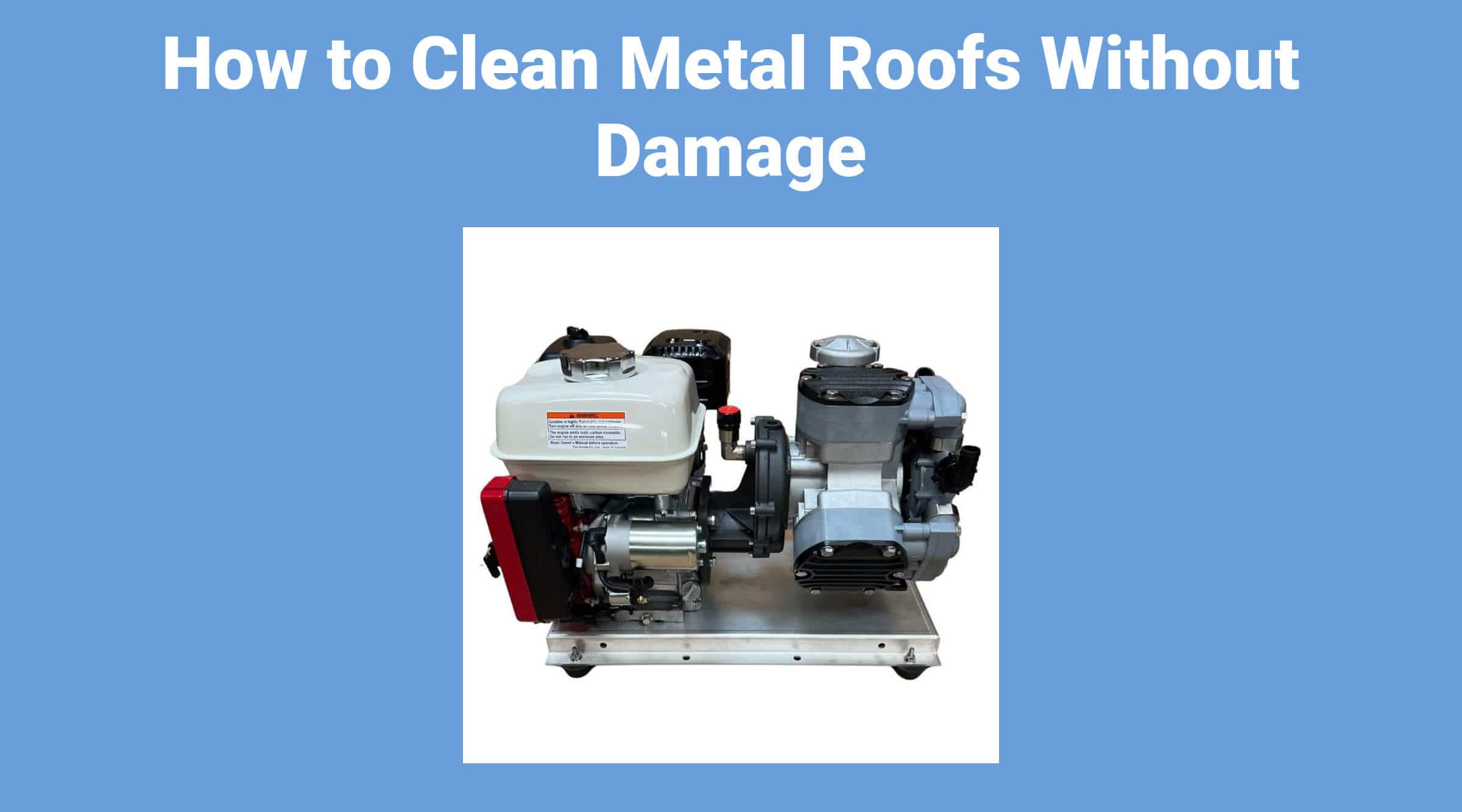
Carrying a spare ProTool 5 GPM 12V pump turns a potential $2,000 lost day into a 15-minute field swap. If you're running a skid-mounted system like the BPX25 Soft Wash Sprayer Skid or the ViPower electric sprayer, standardized plumbing makes parts interchangeable — another reason integrated skids beat DIY builds at scale.
When your rig is due for a rebuild or your spare kit needs restocking, J.Racenstein stocks the full fluid path — from individual Comet P40 O-rings to complete ProTool 12V soft wash skids. Fast shipping keeps your trucks in the field instead of waiting on backorders.
Products Mentioned
 ProTool Post Rinse SKU: 83-03M | 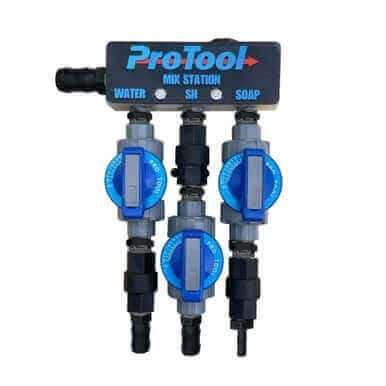 Soft Wash Metering Block SKU: 150-0454M | 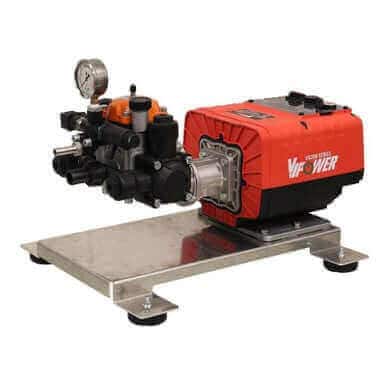 ViPower Electric Soft Wash Sprayer SKU: 150-0433M |
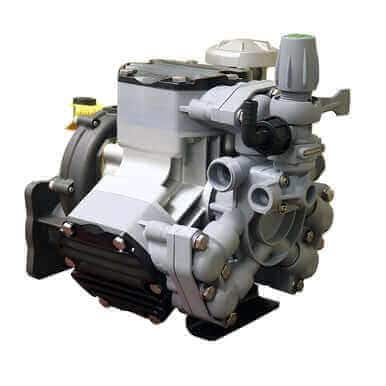 Comet P40 Diaphragm Pump SKU: 150-0428 | 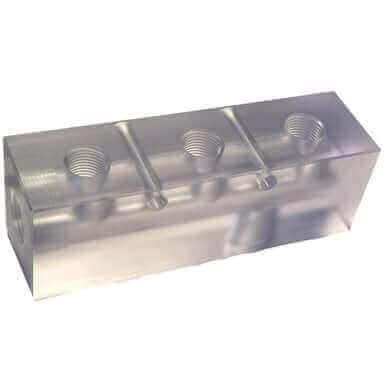 Metering Manifold Translucent 5 Port Softwash (3ea) 1/2in and (2ea) 3/4in SKU: 150-361 | 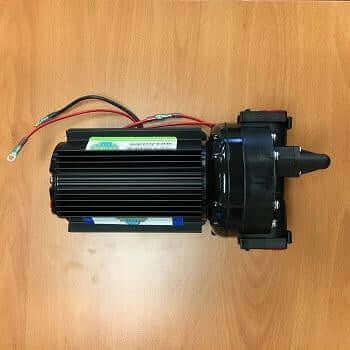 ProTool SoftWash System 5gpm PolyPro 12v Pump SKU: 150-0859 |
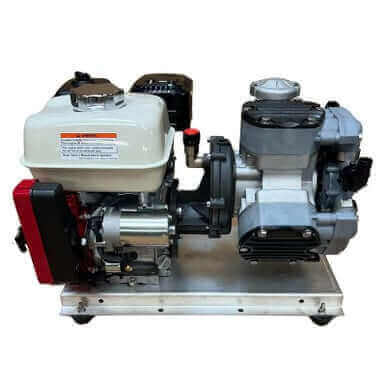 BPX25 - P40 Soft Wash Sprayer Skid SKU: 150-0432M | 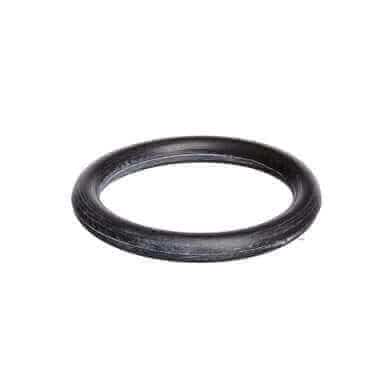 Comet P40 O-Ring 3.53 x 34.52 SKU: 74-9573 |