Bio-Clean Hard Water Stain Removal: A Professional Field Guide

Table of Contents
Bio-Clean hard water stain removal has become the default approach for contractors who need repeatable results without the liability of acid chemistry. If you're still reaching for hydrofluoric or phosphoric acid on restoration jobs, you're managing risk that mechanical abrasives eliminated years ago. This guide covers the compound itself, the applicator pairings that actually matter, staging techniques for commercial-scale work, and the kit build that keeps your crew moving.
What Bio-Clean Actually Does — and Doesn't Do
Bio-Clean is a non-acidic abrasive paste. Its particles sit in a hardness range above calcium and lime scale but below glass silica — so they shear mineral bonds without etching the pane. Surfactants in the formulation keep loosened deposits suspended in the paste rather than re-depositing during your squeegee pass.
That mechanical action is the entire point. Chemical dissolvers (HF, phosphoric) rely on reaction time you can't always control. Over-dwell burns glass. Under-dwell wastes labor. Bio-Clean gives you real-time visual feedback: you can see the scale lifting as you work, which means you stop when you're done — not when a timer goes off.
Where it does not belong: porous substrates (concrete, siding, natural stone), aftermarket tint films, or factory-applied self-cleaning coatings. Always spot-test coated glass in an inconspicuous corner first. For rust on concrete or masonry, reach for F9 GroundsKeeper or ProTool Oily Man instead.
Stage 1 vs. Stage 2: Know What You're Cutting
The single most important assessment on a restoration bid is stain staging.
Stage 1 — topical mineral deposits sitting on the glass surface. A white pad and Bio-Clean will clear these in one pass. This is the majority of residential irrigation-overspray work.
Stage 2 — minerals have leached into the glass, creating physical pits. Side-lighting reveals surface irregularities; you can often feel depth with a fingernail. Stage 2 requires heavier mechanical pressure — 0000 steel wool or bronze wool paired with Bio-Clean — and possibly power-assisted polishing to level the surface back to optical clarity.
Communicating this distinction to your client before you start sets realistic expectations and protects your margins. Stage 2 takes longer and costs more. Price accordingly.
Why Bio-Clean Beats Acid on the Job
Liability
Acid runoff etches anodized aluminum frames and discolors stone sills on contact. One drip on a marble surround is a property-damage claim. Bio-Clean's inert formulation won't chemically react with frames, sills, or surrounding hardscape — even on direct contact.
Logistics
No HAZMAT labeling, no corrosive-rated containment, no specialized transport. A gallon jug of Bio-Clean rides in your van like any other supply. That matters for mobile crews running three or four jobs a day.
Technician Safety
No volatile fumes means no forced-air respirator requirement on standard exterior work. No acid burn risk means lighter PPE. Wear nitrile gloves to keep the surfactants from drying your skin on long days — that's the extent of the protection needed.
Environmental
Biodegradable formulation. No neutralizing rinse. No masking of adjacent landscaping. For residential restoration next to high-end plantings, this alone can win you the contract over a competitor quoting acid work.
The Five-Step Workflow
This is the protocol that keeps commercial restoration fast and consistent:
- Prep wash. Strip loose particulates with a standard washer sleeve and squeegee. Scrubbing Bio-Clean over trapped grit causes scratches the paste itself never would.
- Select your applicator. White non-abrasive pads for Stage 1. 0000 steel wool or bronze wool for Stage 2.
- Apply in pattern. Tight, overlapping circles to break mineral peaks, then finish with linear strokes for even coverage across the pane.
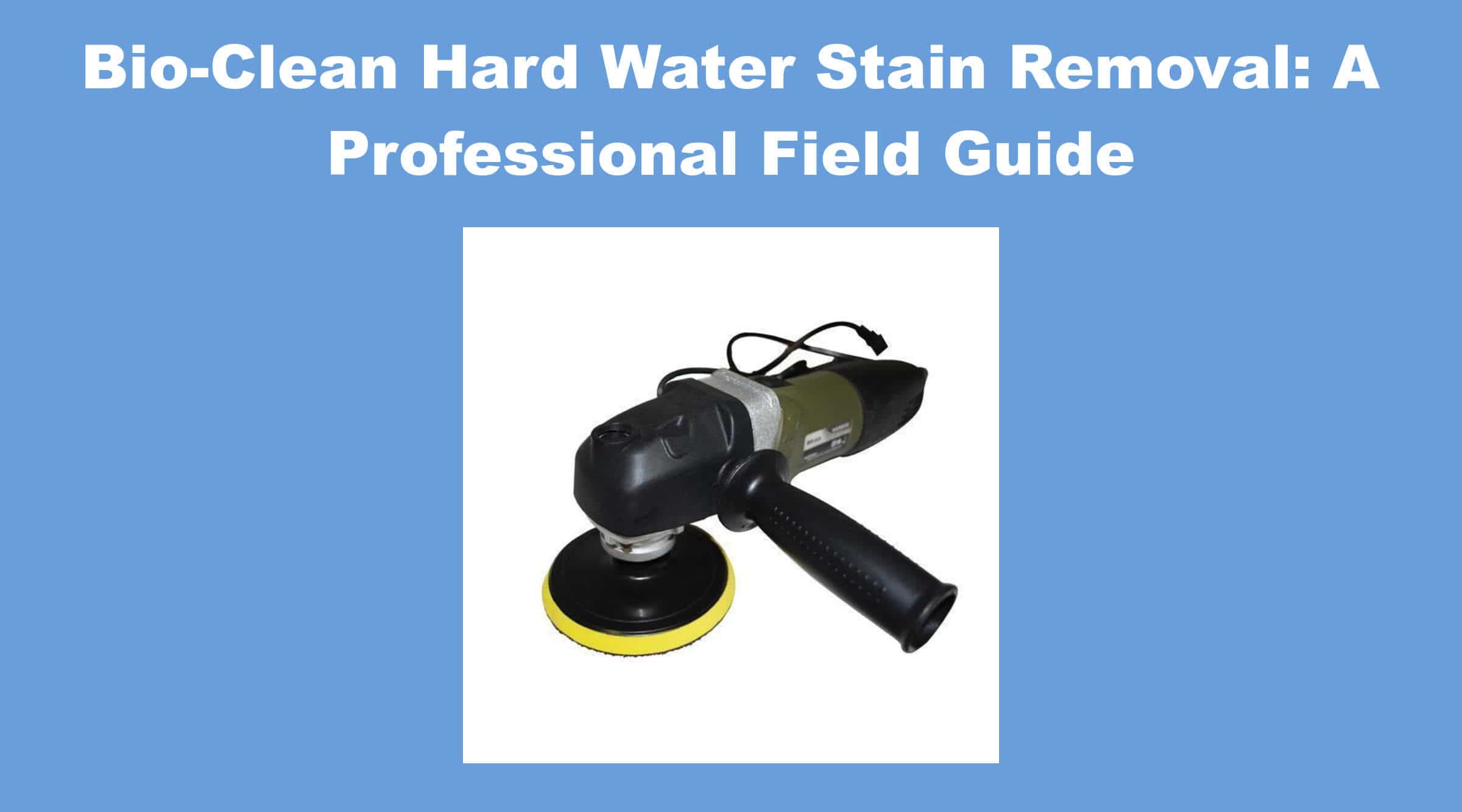
- Power assist (large-scale). Orbital polishers or drill-mounted pads at 1,000–2,000 RPM. Keep the surface wet. Never let heat concentrate in one spot — maintain a steady moving pace to avoid thermal stress on the glass.
- Final rinse and inspect. Flush all residue with tap water. If you're transitioning to a water-fed pole finish, rinse thoroughly before engaging your pure water brush — residual paste clogs bristles and contaminates DI resin fast.
Integrating with Pure Water Systems
Bio-Clean works well as a pre-treatment before a water-fed pole final rinse, but the two systems must stay separated. Residual abrasive paste will foul your DI resin and shorten filter life. The sequence is: Bio-Clean restoration → thorough tap-water rinse → pure water final pass. On commercial facades where you're restoring select panes and maintenance-cleaning the rest, keep a dedicated rinse bucket and sleeve for the restoration work so your WFP gear stays clean.
Building Your Restoration Kit
A Bio-Clean hard water stain removal kit that covers Stage 1 through heavy Stage 2 work:
- Bio-Clean paste — 48oz jar for route work, 40oz bottles for crew kits. Buy in bulk for commercial contracts.
- White pads — ProTool 6×9 white scrub pads for Stage 1 surface agitation.
- Steel wool — ProTool 0000 steel wool for Stage 2 mechanical shearing.
- Bronze wool — ProTool bronze wool for heavy mineral crusts on architectural glass.
- Pad holder — ProTool threaded pad holder for consistent pressure and pole-mounted work.
- Polisher — variable-speed polisher for large-pane power-assisted restoration.
- Squeegee rubber — fresh Black Diamond rubber for the post-restoration clarity check. Old rubber hides your results.
- Scrapers — Triumph MK3 6-inch for paint overspray or heavy debris removal before restoration begins.
Coverage and Sourcing
For moderate mineral oxidation, expect roughly 50–100 sq ft per 20oz of Bio-Clean. Heavy Stage 2 deposits cut that range. On large commercial contracts, gallon sizing eliminates mid-job supply runs and locks in better per-ounce cost. Store sealed in a cool, dry location — the paste's only enemy is dehydration. If it separates, a quick stir restores the suspension.
Solar panel restoration is a growing add-on. Most tempered solar glass is compatible with mild abrasives, but verify the panel manufacturer's warranty language on mechanical cleaning agents before you commit. Follow Bio-Clean work with a pure water rinse to ensure no residue blocks light absorption.
Products Mentioned
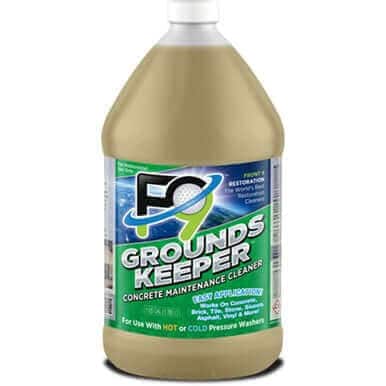 F9 GroundsKeeper Concrete Cleaner Gal SKU: 320-619 | 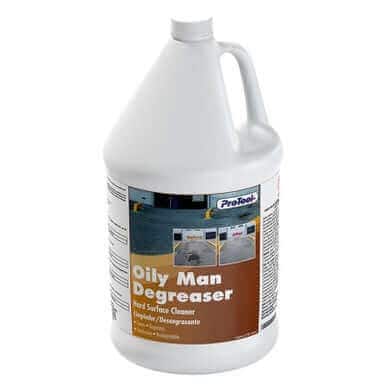 ProTool Oily Man SKU: 83-02M | 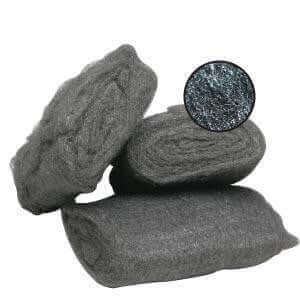 ProTool Steel Wool Bag 0000 SKU: 26-20 |
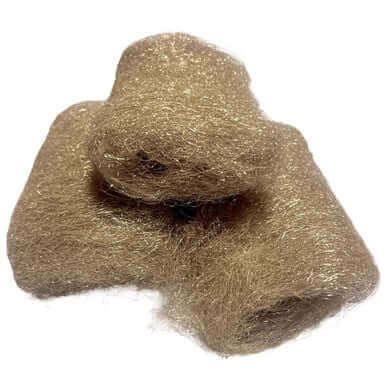 ProTool Steel Wool Bronze Fine (3) SKU: 26-50 | 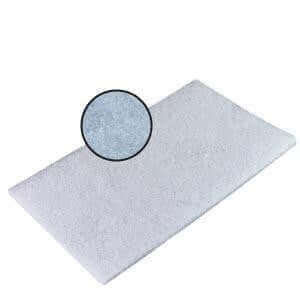 ProTool Pad Scrub White 6x9 (1) SKU: 26-10 | 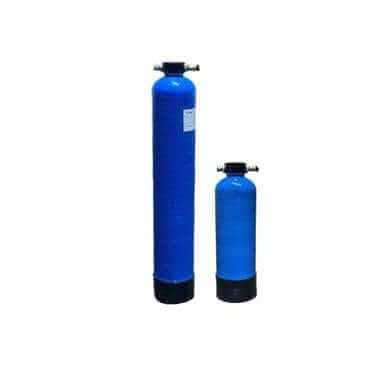 ProTool DI Tank with Virgin Resin SKU: 150-011M |
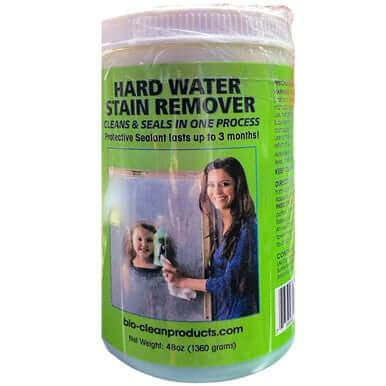 Bio Clean 48oz Jar SKU: 85-700 | 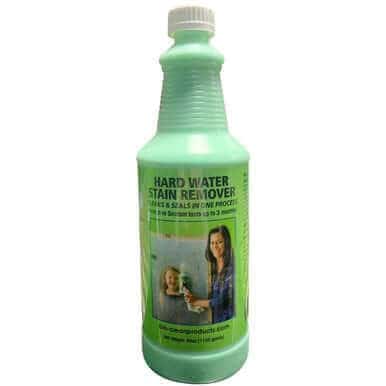 Bio Clean, 40oz, (1) SKU: 85-703 | 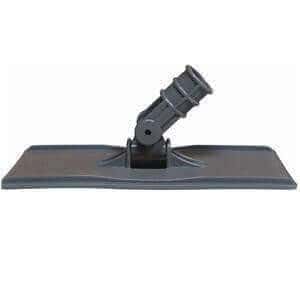 ProTool Pad Holder Threaded Socket (no pads) SKU: 362-154 |
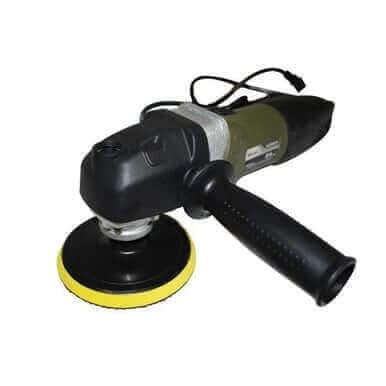 Polisher Variable Speed Top Switch SKU: 76-451 | 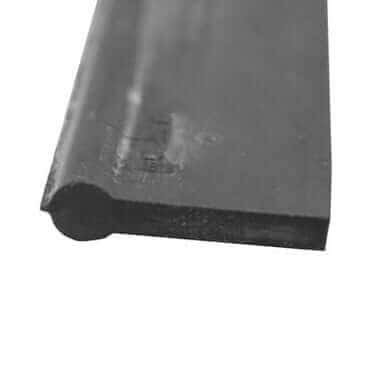 Black Diamond Rubber SKU: 03-9M | 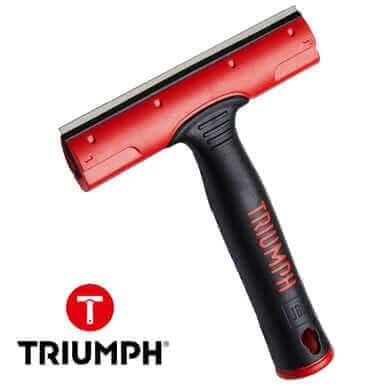 Scraper Straight Triumph MK3 6in SKU: 35-36 |