Cerium Oxide Glass Polish: Professional Glass Restoration Guide

Table of Contents
Cerium oxide glass polish isn't a simple abrasive task — it's a chemical-mechanical reaction where heat is your only real leverage. Get the slurry wrong, let the pad dry out, or lose track of surface temperature, and you're staring at a permanent lens-effect distortion instead of restored glass. This guide covers the specifications and methods that separate reliable restoration work from expensive callbacks.
How Cerium Oxide Actually Works
Standard abrasives like aluminum oxide or silicon carbide grind glass into progressively finer scratch patterns. Cerium oxide operates differently. It triggers Chemical-Mechanical Planarization (CMP) — a dual-action process where the compound chemically reacts with the silica network in the glass while the pad simultaneously planes the surface flat.
When you mix the powder with water, hydrolysis temporarily softens the glass at a molecular level. The mechanical action of the pad then moves softened material more efficiently than any abrasive-only approach. The result is true optical clarity rather than the frosted haze that grinding leaves behind. This is why cerium oxide remains the industry standard for architectural and automotive glass restoration — it's the only compound that restores factory-spec clarity without compromising structural integrity.
Purity and Micron Size Matter
Two grades dominate the market, and they perform very differently:
- High-Purity (White, 90%+ cerium oxide): Fastest chemical reaction. Required for final finishing where maximum clarity matters. This is what you want for commercial work.
- Standard-Purity (Tan/Brown): Contains secondary rare earth elements like lanthanum. Cheaper in bulk, but slower and less brilliant. Fine for industrial applications where optical perfection isn't the deliverable.
Micron grading runs 1–5 microns for professional work. Smaller particles yield higher clarity but remove material slower. Larger particles cut faster but may leave slight haze requiring a follow-up pass. Choose your micron grade based on the damage — deep mineral etching needs a coarser initial pass; wiper streaks need a fine polish only.
When Cerium Oxide Works — and When It Doesn't
Before touching a polisher, identify what you're dealing with. Stage 1 water spots are surface mineral deposits — an acid wash often handles them. Stage 2 etching means minerals have chemically bonded with the silica. That requires the CMP reaction only cerium oxide delivers.
The Fingernail Test: Run your nail across the defect. If it catches, the scratch exceeds the surface layer and likely exceeds what polishing can fix. Attempting it anyway grinds a concave dip into the glass — the lens effect — creating visible distortion worse than the original scratch. Quote replacement instead.
Architectural vs. Automotive Considerations
Vertical architectural glass adds slurry management challenges. Runoff stains frames and masonry if you don't contain it. Tempered glass (commercial doors, large storefronts) reacts to heat differently than annealed glass — excessive friction can cause thermal stress cracks. Monitor surface temperature closely on tempered panels and keep the polisher moving.
When to Walk Away
Pitted glass from welding sparks or long-term salt exposure is structural damage, not surface damage. Existing cracks or deep chips are a liability — rotary polisher vibration and heat will propagate them. Recommend replacement when restoration labor approaches a significant fraction of replacement cost, or when structural integrity is compromised. Knowing these limits is what separates a professional from someone who makes problems worse.
Application Process: Slurry, Heat, and Technique
You need a high-torque rotary polisher. Dual-action machines lack the sustained friction to trigger the CMP reaction. Before the pad touches glass, decontaminate the surface completely — use a dedicated glass cleaner and fresh microfiber. Any remaining grit gets ground in by the polishing pad, creating deeper scratches than what you started with.
Mixing the Slurry
Target a consistency similar to heavy cream:
- Light hazing and wiper marks: 1.6 oz powder per gallon of water
- Significant mineral etching: 4–7.2 oz per gallon
Keep a spray bottle of distilled water on hand. If the slurry dries or cakes on the pad, a light mist reactivates the compound and prevents the pad from grabbing the glass. Over-applying powder doesn't speed the process — it just makes cleanup harder. The compound acts as a catalyst in the chemical reaction; a thin, consistent slurry outperforms a thick paste every time.
Heat Management
The optimal slurry temperature during polishing is 90°F–105°F. Below that range, the chemical reaction is too slow. Above it, you risk thermal shock — especially on tempered panels.
Set your rotary polisher to 1,000–1,500 RPM. Lower speeds won't generate enough friction for CMP. Higher speeds sling slurry off the glass. Keep the polisher moving in overlapping passes to prevent localized heat spikes. If the glass feels hot to the touch, stop and let it cool naturally. Never hit hot glass with cold water — the thermal shock will shatter it.
Maintain steady, moderate pressure and let the tool's weight do the work. Once complete, clean with a 50/50 isopropyl alcohol mix to strip slurry residue and inspect under a high-lumen light source.
PPE and Site Protection
Dry cerium oxide powder is a respiratory irritant. Wear an N95 or better respirator during mixing. Wrap-around eye protection is mandatory — slurry splatter at polishing speed is constant. On architectural sites, protect facades and frames with plastic sheeting. Dried slurry is extremely difficult to remove from porous surfaces like brick or stone.
Choosing the Right Grade and Format
For commercial window professionals, optical-grade (high-purity white) is the only viable choice. Lower-grade compounds save money per ounce but cost more per pane — they leave lingering haze that requires secondary polishing passes, effectively doubling labor.
Dry Powder vs. Pre-Mixed
Dry powder gives you the best cost-per-job ratio and lets you dial in slurry concentration for specific damage levels. It stores indefinitely in dry conditions. Pre-mixed liquids eliminate the dust hazard of mixing and ensure consistent micron distribution across every application — better for crews where you want zero variability between technicians.
ProTool Cerium Oxide Polishing Powder is a 3.5 oz high-purity white powder sized for the typical commercial job — enough for multiple storefront panels at standard concentration. For technicians who prefer a ready-to-use format, the Glass De-Etcher is a pre-mixed liquid polish formulated for consistent results without on-site mixing.
Matching Pads to the Job
Compressed felt pads are the standard for cerium oxide work — dense enough to hold slurry against the glass while generating the friction heat that catalyzes the reaction. For final finishing or lighter polishing, rayon pads offer a thinner, less aggressive profile that restores brilliance without heavy material removal. Foam pads (common in paint correction) are too soft for glass and should be avoided.
Dedicate specific pads to your cerium oxide grades. Cross-contamination from coarser abrasives ruins the finish. The ProTool Felt Polishing Pad 3in and 5in version are purpose-built for glass restoration work. If you need a complete setup, the Polishing Kit bundles the compound, pads, and adapters into a single package — eliminates the guesswork of matching components for crews just adding restoration to their service list.
After Polishing: Protection and Maintenance
Restoration without protection is a one-time revenue event. Applying a hydrophobic coating after achieving optical clarity creates a durable barrier against future mineral deposits and environmental etching — and sets up the recurring maintenance contract.
Invisible Shield is purpose-built for post-restoration glass protection, creating a hydrophobic layer that extends the life of your polish work. For ongoing maintenance between restoration visits, ProTool 0000 Steel Wool removes light mineral deposits and surface contamination without re-scratching polished glass. Pair that with a ProTool Pad Adaptor and foam polishing pad for quick touch-up passes between full restoration cycles.
Products Mentioned
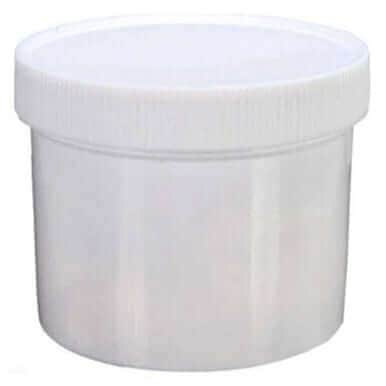 ProTool Cerium Oxide Polishing Powder 3.5oz SKU: 76-119 | 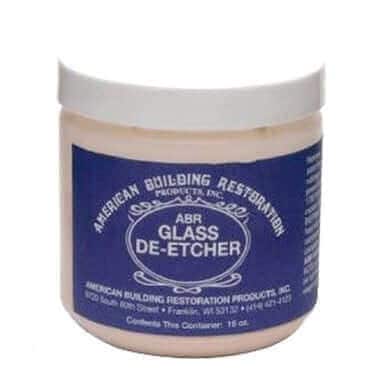 Glass De-Etcher Pt SKU: 76-20 | 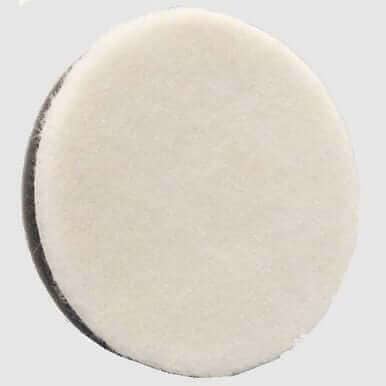 ProTool Felt Polishing Pad 3in SKU: 76-117 |
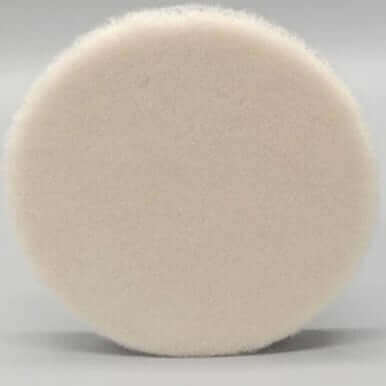 ProTool Felt Polishing Pad 5in SKU: 76-118 | 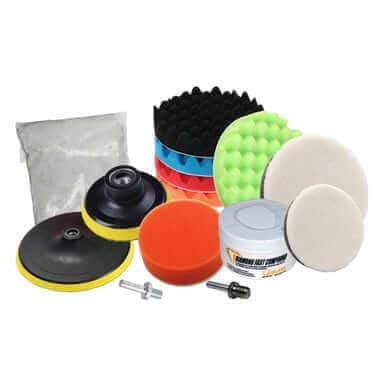 Polishing Kit, for glass, paint, granite remove stains and light scratches SKU: 76-00 | 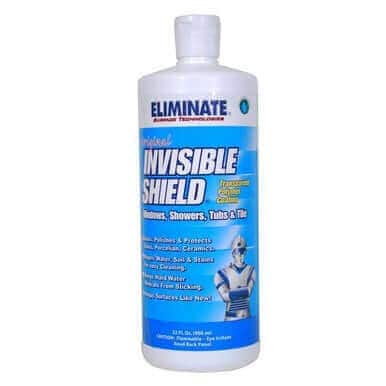 Invisible Shield SKU: 87-8M |
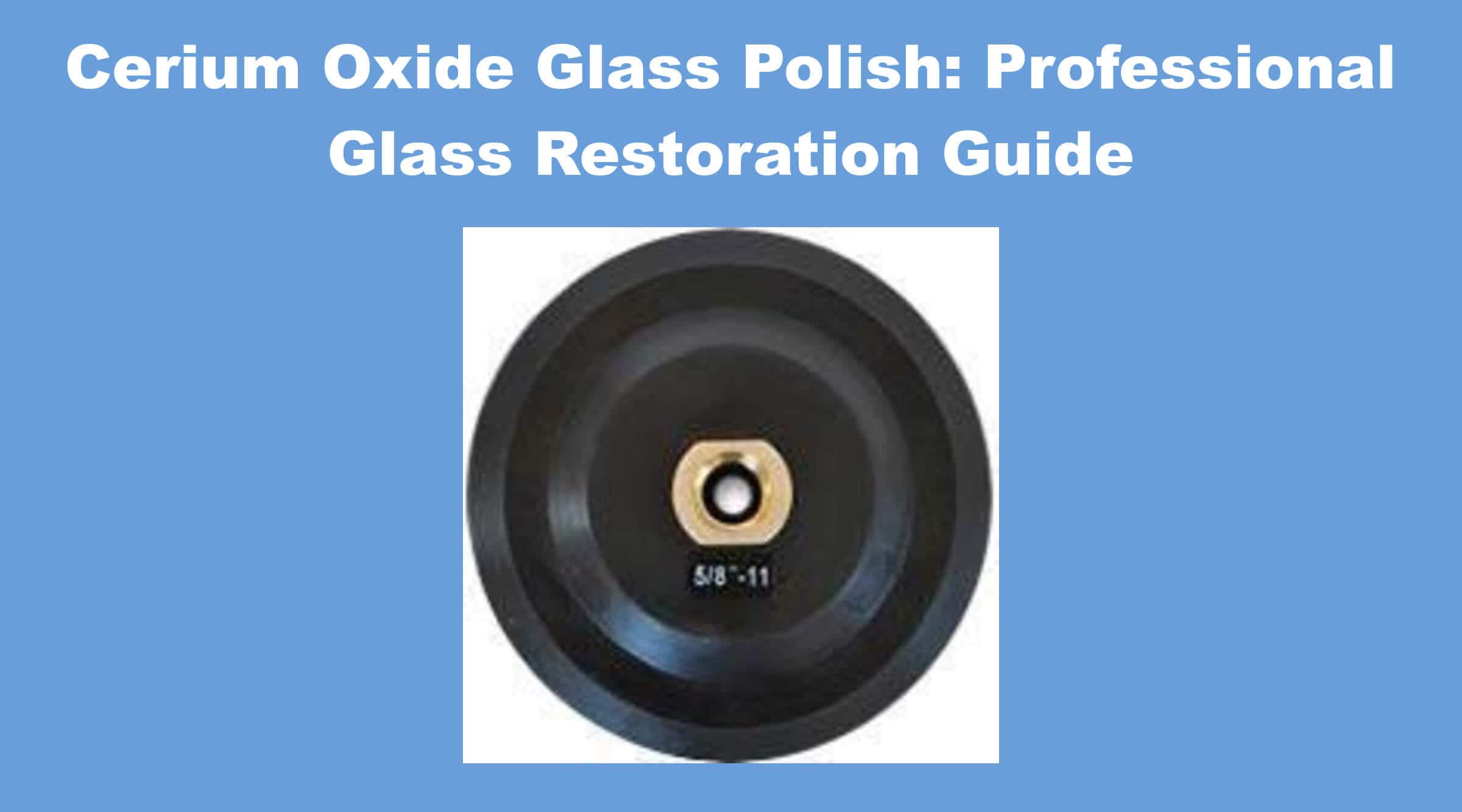
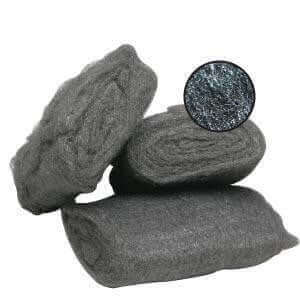 ProTool Steel Wool Bag 0000 SKU: 26-20 | 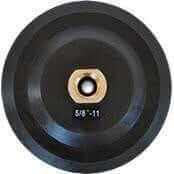 ProTool Pad Adaptor 5in for 5/8-11shaft SKU: 76-46 | 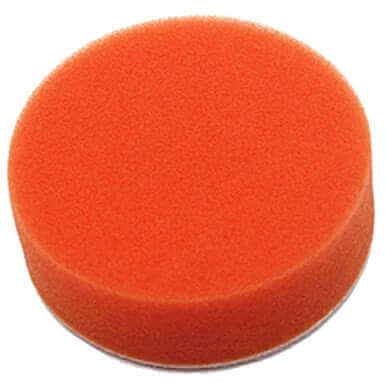 ProTool Foam Polishing Pad 3in SKU: 76-115 |