Commercial Concrete Cleaning Equipment: Matching GPM, Surface Cleaners, and Chemicals to the Job
Table of Contents
Commercial concrete cleaning equipment earns its keep on parking garages, loading docks, and warehouse floors — jobs where a wand alone leaves zebra stripes and burns hours. The right combination of high-flow pressure washer, correctly sized surface cleaner, and targeted chemistry turns a full-day grind into a half-day profit center. This guide covers how to size each component, when to switch from high pressure to soft wash, and which chemicals actually solve the stains contractors encounter most.
Why GPM Matters More Than PSI on Flatwork
PSI gets the headlines, but GPM does the work. Volume — not impact force — is what flushes dislodged dirt off a 10,000-square-foot parking deck. A 4,000 PSI machine at 2.5 GPM will clean a small driveway fine, but it starves a 20-inch surface cleaner and leaves you dragging across a commercial lot at half speed.
The working rule: 1 GPM per 4 inches of surface cleaner deck. A 20-inch cleaner needs at least 5 GPM. A 28-inch unit needs 7. Running a large deck on insufficient flow produces the exact striping you bought the cleaner to eliminate.
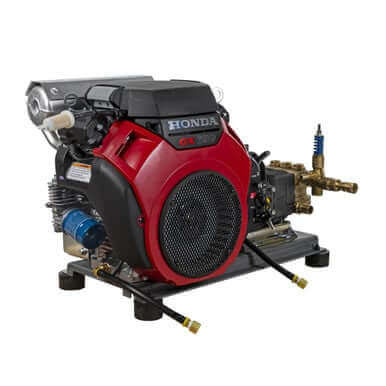
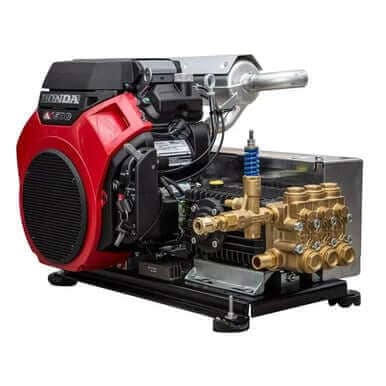
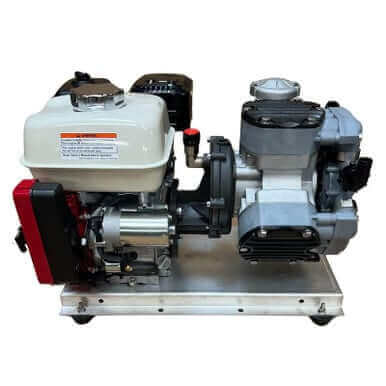
For commercial flatwork, target 5–8 GPM. Machines in this range — like the 8.5 GPM 3500 PSI cold water pressure washer or the 8.0 GPM 3000 PSI belt-drive skid — power large surface cleaners properly and cut job time in half compared to a 4 GPM residential unit.
Sizing Your Surface Cleaner
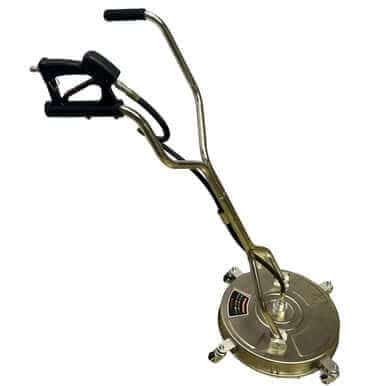
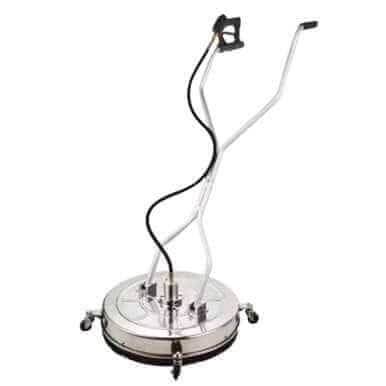
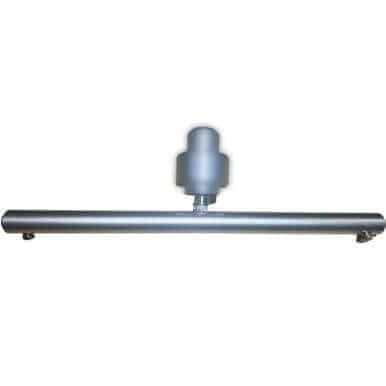
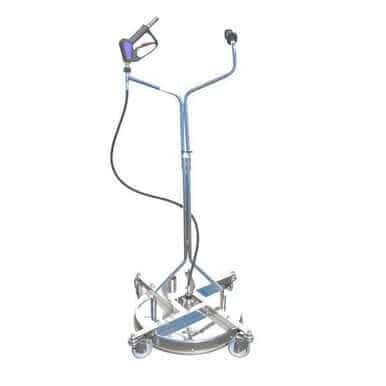
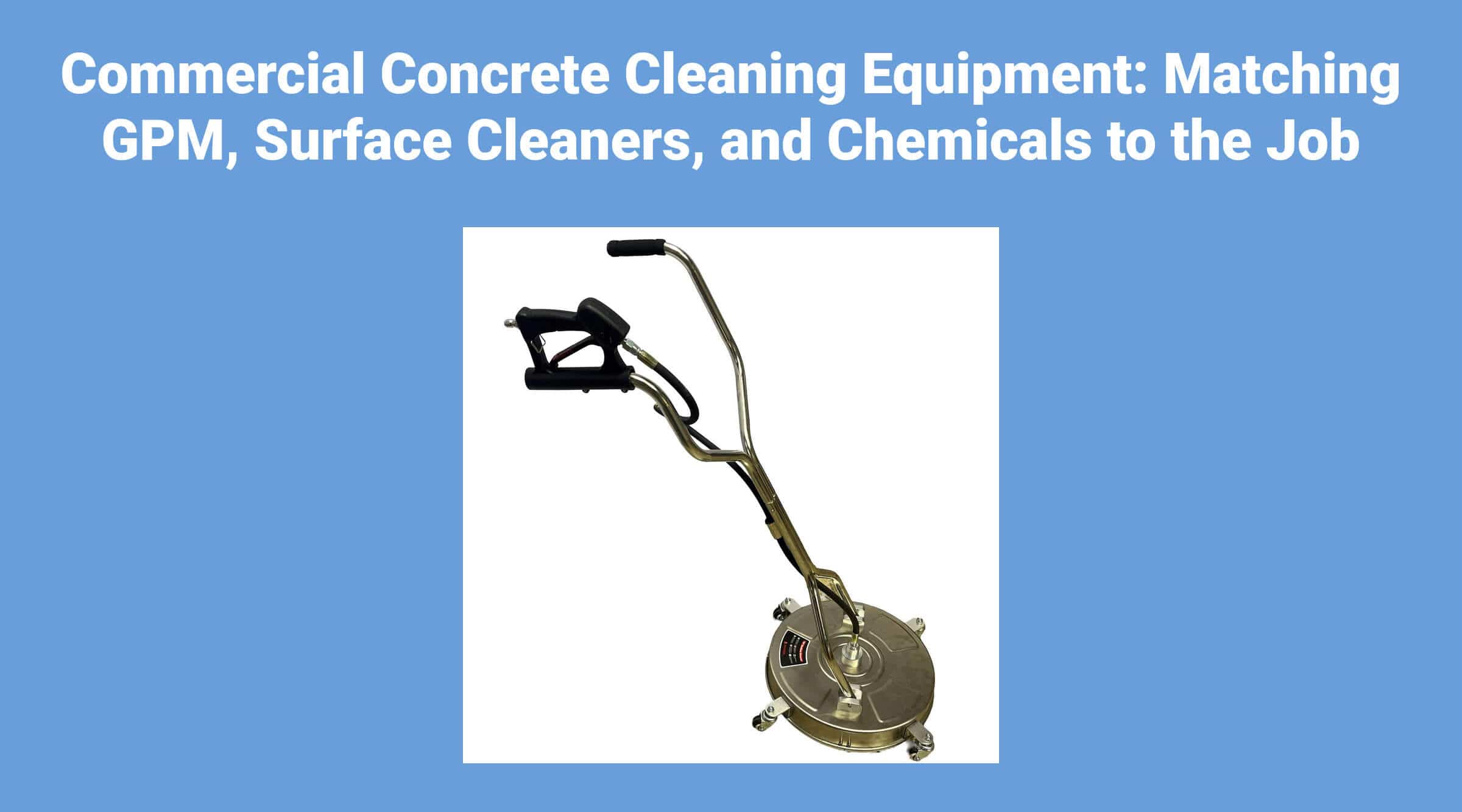
A surface cleaner is the single biggest productivity upgrade for flatwork. The spinning spray bar delivers uniform pressure across the entire deck width — no wand technique required, no operator-dependent striping.
Deck Size and Material
Match the deck to the work:
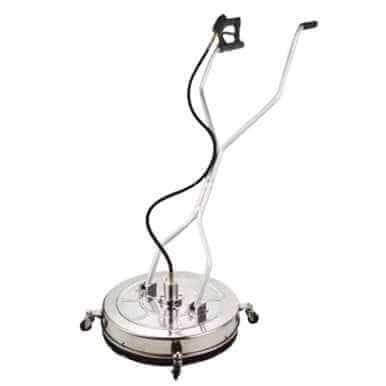
- 18–20 inch decks — versatile for mixed residential and small commercial. The ProTool 18-inch stainless steel surface cleaner handles up to 5 GPM and fits most contractor rigs.
- 24–30 inch decks — built for large commercial flatwork. The ProTool 24-inch and 30-inch stainless steel cleaners need 8+ GPM but cover ground fast. Three-nozzle spray bars on these units provide even distribution across the wider path.
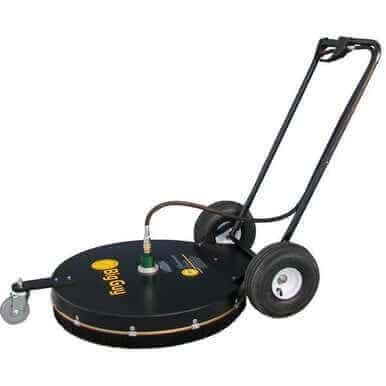
- Wheeled models — reduce fatigue on long days. The Whisper Wash 28-inch Big Guy rolls easily across parking structures and pool decks.
Stainless steel decks outlast poly on daily commercial use. Poly is lighter and adequate for occasional commercial work or mixed-use crews.
Nozzle Sizing
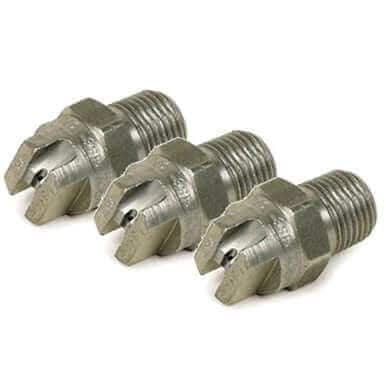
The nozzles inside your surface cleaner must match your machine's output. Undersized orifices spike pressure beyond pump tolerances. Oversized orifices drop pressure below effective cleaning thresholds. Use a correctly rated 1/8-inch NPT tip matched to your GPM and PSI — not a guess. Carry a spare set; worn tips produce uneven spray and strain the pump.
Maintenance
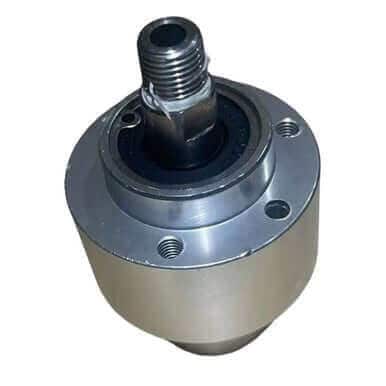
Uneven cleaning usually means one of three things: clogged nozzle, worn swivel, or undersized supply hose. Clear nozzles with a tip cleaner first. If the spray bar slows or wobbles, rebuild or replace the swivel — the ProTool swivel replacement and spinner bar are stocked parts. Long or narrow-diameter hoses between the reel and the cleaner steal pressure before it reaches the deck.
Hot Water vs. Cold Water: When the Job Demands Heat
Cold water handles dirt, mildew, and organic staining. It fails on petroleum. Heat drops the viscosity of oil and grease so detergents can penetrate the concrete's pores — no amount of PSI substitutes for that thermal action.
Hot water earns its premium on:
- Restaurant dumpster pads and drive-thrus
- Gas station fueling areas
- Automotive service bays and loading docks
- Gum removal on sidewalks and storefronts
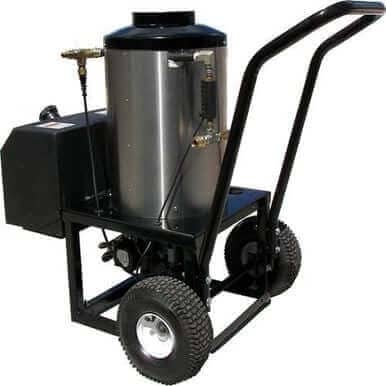
A hot box add-on converts a cold water skid into a hot system without buying a second machine. The PressurePro 4.0 GPM hot box bolts onto an existing rig and heats water through a Schedule 80 coil. If your contract mix is mostly parking garages and loading docks, a dedicated hot water pressure washer skid pays for itself in job speed.
High Pressure vs. Soft Wash on Concrete
These are not competing methods — they solve different problems.
High pressure + surface cleaner is the standard for embedded dirt, tire marks, oil stains, failing sealant removal, and concrete restoration. Mechanical agitation from the spinning bar does what chemicals alone cannot on heavy soiling.
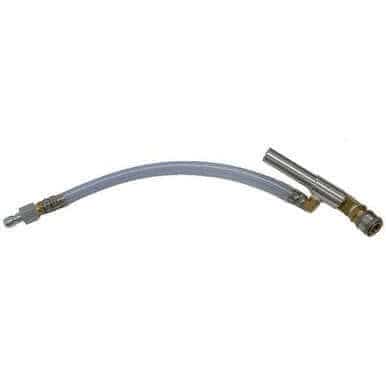
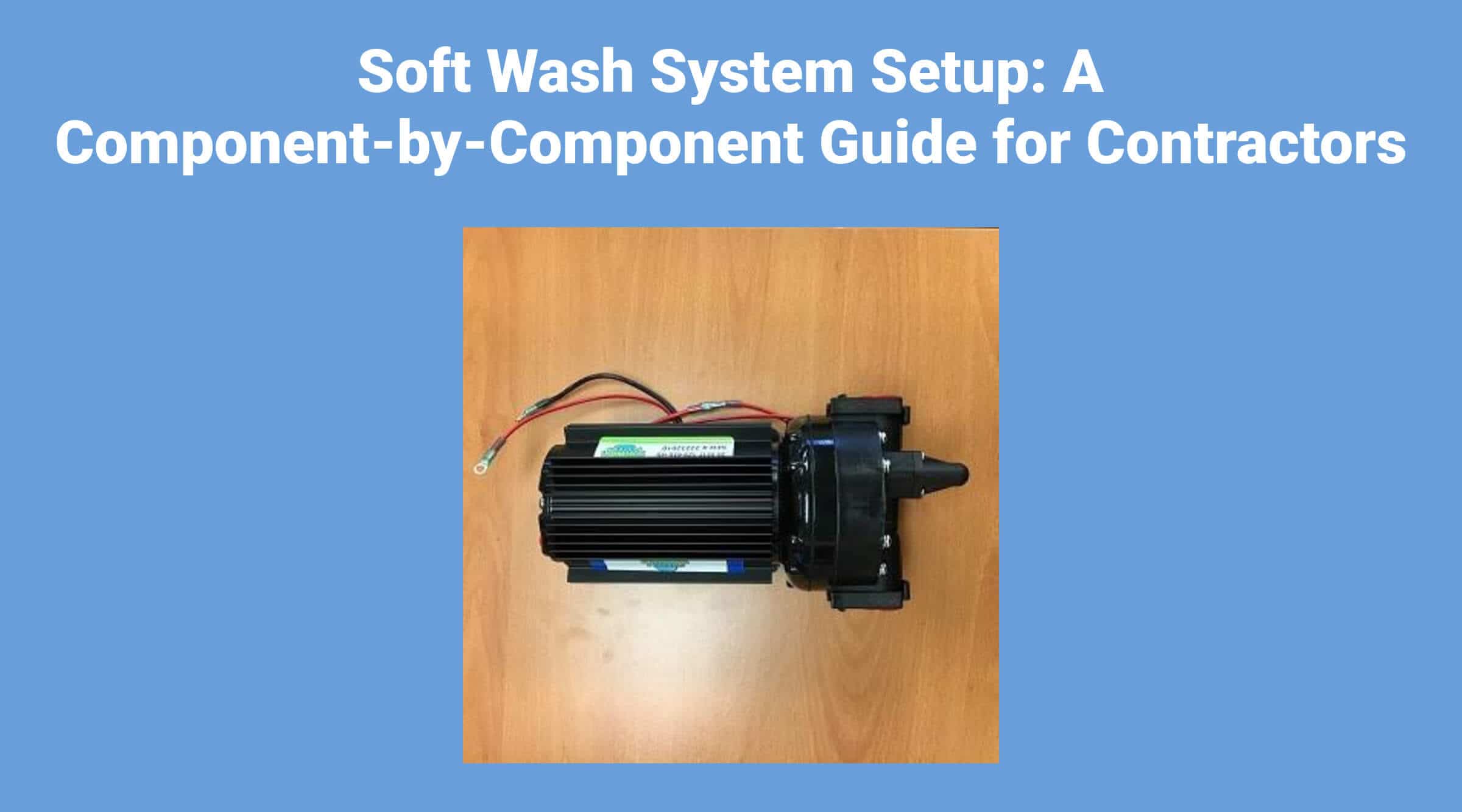
Soft wash handles organic growth — algae, lichen, moss, black mold — especially on decorative pavers, stamped concrete, and older surfaces where high pressure risks etching. A sodium hypochlorite solution kills growth at the root and provides a longer-lasting result than pressure alone. The BPX25 – P40 Soft Wash Sprayer Skid delivers the chemical at low pressure, and a softwash WFP adapter lets you apply from ground level on vertical faces.
The hybrid approach works best on most maintenance contracts: pre-treat with an appropriate chemical, allow dwell time, then rinse with moderate pressure through a surface cleaner. You get chemical efficacy without surface damage.
Avoid Etching
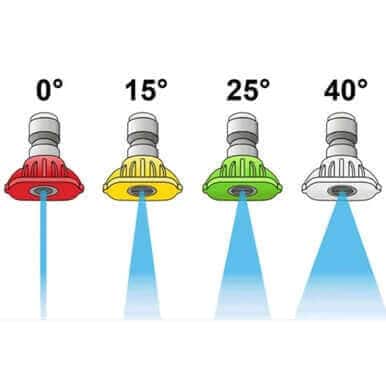
Too much PSI on concrete — especially aged, porous, or "green" (uncured) concrete — strips the cream layer and exposes aggregate. That damage is permanent. Always test an inconspicuous area first. Select nozzles using a pressure washer tip chart to dial in effective cleaning at the lowest practical pressure.
Chemical Strategy: Match the Chemistry to the Stain
Water and pressure remove loose dirt. Chemistry removes stains. Choosing the wrong product wastes time or damages the surface.
Degreasers (Alkaline)
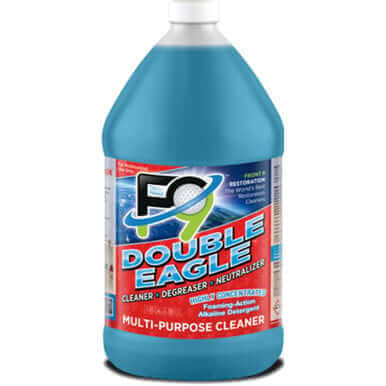
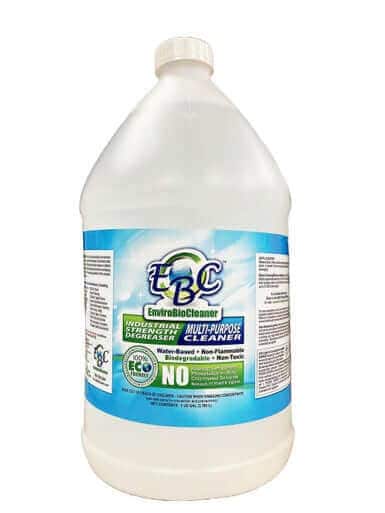
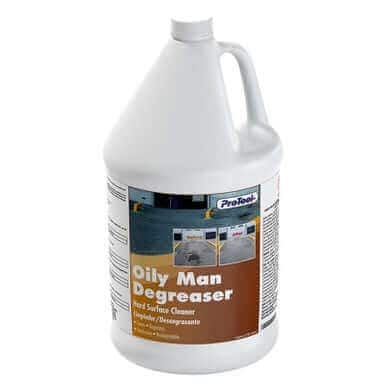
High-pH cleaners emulsify petroleum-based contamination — motor oil, hydraulic fluid, cooking grease. F9 Double Eagle Degreaser handles heavy grease on dumpster pads and service bays. EBC Degreaser is a versatile, biodegradable option for general commercial degreasing. ProTool Oily Man targets deep oil penetration on parking lot stalls and gas station pads.
Acidic Cleaners
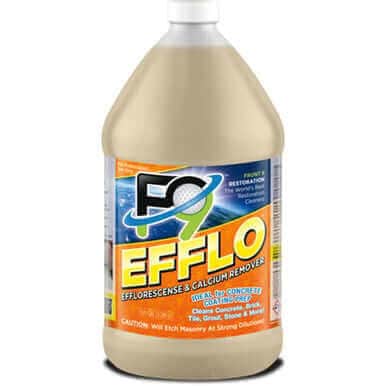
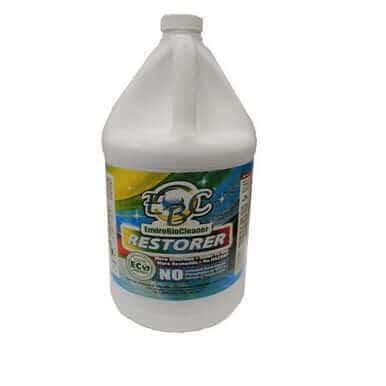
Low-pH products dissolve mineral deposits. F9 Efflorescence/Calcium Remover clears the white chalky buildup that leaches from new concrete and masonry. EBC Restorer brightens concrete and removes rust staining from irrigation heads and metal runoff. Use acidic cleaners carefully on decorative or colored concrete — always test first.
Dwell Time
Apply the chemical, then wait. Dwell time is not optional — it is the period during which the product actually breaks the stain's bond with the concrete. Scrubbing or rinsing too early forces you to reapply and repeat. Follow the product label; most professional degreasers need 5–15 minutes depending on temperature and stain severity.
Post-Treatment Sealing
On high-value commercial accounts, sealing after cleaning extends the interval between service visits and adds a profitable upsell. A paver or concrete sealer resists future oil penetration, water intrusion, and organic growth. Applying sealer while the concrete is clean and dry locks in the result.
Wastewater and Runoff Compliance
Commercial concrete cleaning generates chemical-laden runoff. Most municipalities prohibit discharge into storm drains under the Clean Water Act. Contain wash water with berms and recovery vacuum systems — the Muck Scupper evacuates collected water at 80 GPM through a pressure washer connection. Biodegradable chemicals reduce liability but do not eliminate the containment requirement. Build compliance into your bid, not your callback.
Building a Commercial Concrete Rig
Piece-by-piece purchasing works until it doesn't — mismatched GPM, undersized hose, incompatible fittings. A purpose-built skid solves these problems from day one.
Starter Setup
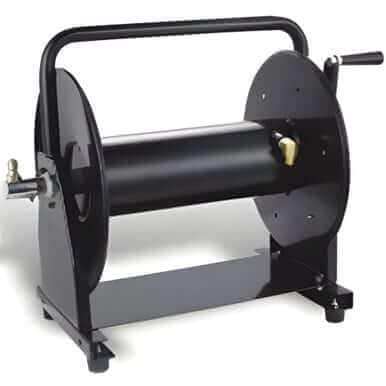
A ProTool 4.0 GPM 4000 PSI direct-drive washer, an 18-inch surface cleaner, a 200-foot hose reel, a downstream chemical injector, and a set of quick-connect nozzle tips. This handles driveways, sidewalks, and small commercial lots.
Full Commercial Setup
An 8 GPM belt-drive skid, a 24- or 30-inch surface cleaner, a hot box, dual hose reels, and an integrated soft wash pump for pre-treatment. ProTool custom skid builds mount everything on a single aluminum frame — pressure washer, pumps, tanks, reels, and plumbing — sized for your truck bed or trailer. One platform, no adapter headaches, no mismatched components.
Upgrade Path
Add a recovery surface cleaner for sites requiring wastewater capture. Add a pressure regulator for jobs demanding precise PSI control on sensitive surfaces. Add a second reel for dedicated soft wash lines so you never cross-contaminate chemical delivery with rinse water.