Soft Wash System Setup: A Component-by-Component Guide for Contractors

Table of Contents
A professional soft wash system setup is where most contractors either build a rig that pays for itself in weeks — or cobble together parts that fail mid-job and cost double to fix. The difference comes down to understanding how every component connects, why certain materials survive sodium hypochlorite and others don't, and where to spend versus where to save.
This guide breaks the full system into three groups — core power, fluid management, and delivery — then covers rig layout options and the maintenance that keeps everything running.
Core Components: Pump, Power, and Tanks
Every soft wash system setup starts with three decisions: what moves the chemical, what powers the mover, and what holds the chemical. Get these wrong and nothing downstream matters.
Pump Selection
The pump defines your flow rate, duty cycle, and chemical compatibility. Three types dominate professional rigs:
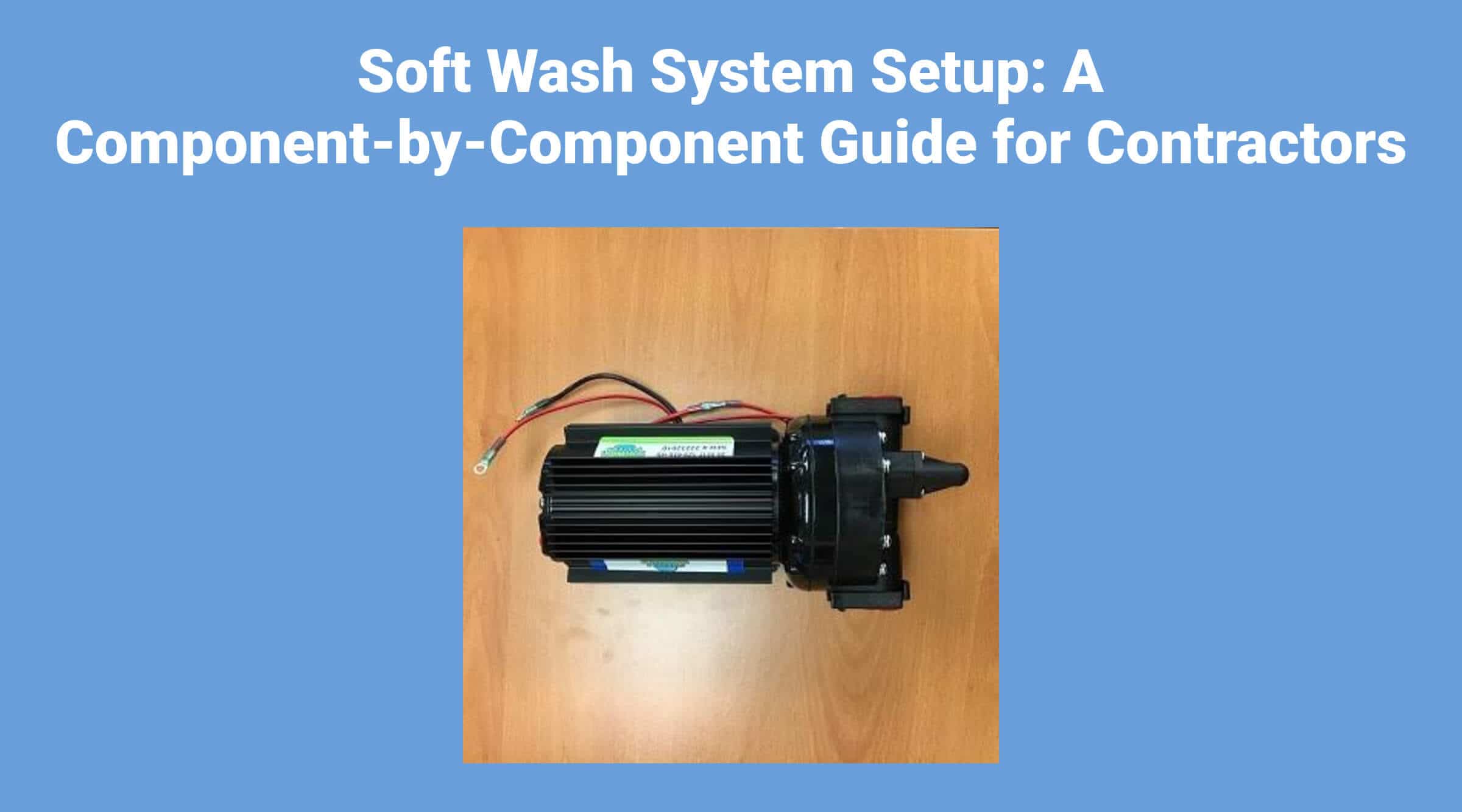
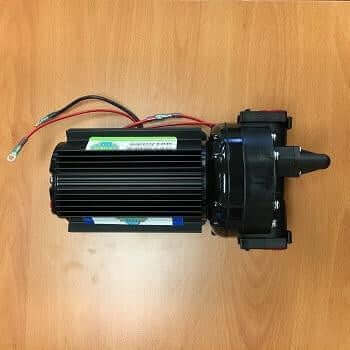
- 12-Volt electric diaphragm pumps — the entry point. Typical output is 5–7 GPM. Affordable and simple to wire, but they have duty-cycle limits. On large commercial jobs, a 12V pump needs rest periods to avoid overheating. The ProTool SoftWash 5 GPM 12V pump is a solid residential workhorse with polypropylene construction for SH resistance.
- Gas-powered diaphragm pumps — the production choice. Units like the Comet P40 and Comet BPX25 deliver higher GPM under continuous load. Louder and heavier, but built for all-day commercial work without thermal shutdowns.
- Air-diaphragm pumps — exceptional chemical resistance and reliability, but require a separate air compressor sized to the pump's CFM demand. Best suited for operators already running compressed air on their rigs.
Power Source
Match the power source to the pump — not the other way around. A 12V pump needs a deep-cycle marine battery with properly gauged wiring; undersized wire causes voltage drop and premature pump failure. Gas pumps need routine engine maintenance and fuel safety compliance. For air-diaphragm setups, your compressor's CFM rating must meet or exceed the pump's demand at operating pressure.
Tanks
Tank sizing determines how long you can work between refills. A 50- or 100-gallon water tank covers jobs without on-site water. For sodium hypochlorite, use only SH-rated polyethylene — standard poly tanks degrade fast. ProTool offers a range of vertical and low-profile tanks from 35 to 110 gallons designed for truck-bed and trailer mounting. A smaller tank handles surfactant.
Secure every tank to the vehicle. Unsecured tanks shift during transport and create genuine safety hazards.
Fluid Management: Batch Mixing vs. Proportioning
How you mix chemical is one of the highest-impact decisions in your soft wash system setup. It affects speed, waste, flexibility, and how many surfaces you can handle per load.
Batch Mixing
Manually measure water, SH, and surfactant into a single tank. The pump draws from that pre-mixed solution. Simple plumbing, low cost, easy to understand.
The trade-off: you're locked into one ratio per tank. If you mixed a hot roof mix and the next surface is vinyl siding, you either apply too strong a solution or dump the tank and remix. That's wasted chemical and wasted time. Batch mixing works best when you're running the same ratio all day — dedicated roof crews, for example.
Proportioning Systems
A proportioner draws from separate tanks — water, SH, surfactant — and blends them in real time through metering valves on a manifold. You adjust ratios on the fly: a stronger mix for a north-facing roof, a lighter mix for painted siding, a rinse-only pass — all without returning to the truck.
The ProTool Soft Wash Metering Block and the 5-port translucent manifold are purpose-built for this. Higher upfront cost and more plumbing, but the chemical savings and time savings on mixed-surface jobs pay the difference back quickly.
Plumbing and Fittings
Every wetted component must handle SH. Standard brass corrodes; standard rubber seals fail. Stick to Schedule 80 PVC, polypropylene, and 316 stainless steel.
Key components in the plumbing circuit:
- Ball valves — control flow from each tank. The ProTool 2-Way Poly Valve handles SH without corroding.
- Check valves — prevent backflow into your chemical tanks and protect the pump.
- Cam-lock fittings — quick-disconnect, chemical-resistant hose connections. Polypropylene Banjo-style fittings from the polypropylene fittings category are the standard.
In a batch system, plumbing is one line from tank to pump. A proportioner adds separate lines from each tank into the manifold, then a single line to the pump.
The Delivery System: Hoses, Guns, and Nozzles
Everything from the pump outlet to the surface being cleaned falls into the delivery system. A failure here — a blown hose, a seized gun — stops the job entirely.
Hoses and Reels
Standard agricultural hose degrades in SH and fails mid-season. Use chemically rated hose designed for sodium hypochlorite. The low-pressure spraying hoses in 3/8" and 1/2" are built for this.
- Diameter: 1/2" is lighter and easier to handle. 5/8" reduces pressure loss on long runs. Most contractors settle on 200–250 feet as the balance between reach and weight.
- Reels: Manual reels work. Electric reels save your back and your time. The hose reel category includes Titan and Cox options built for daily professional use.
Spray Guns and Wands
A polypropylene trigger gun is non-negotiable — metal guns corrode in SH. The ProTool Wash Down Gun handles up to 16 GPM at 350 PSI with Viton seals. Pair it with a PVC or stainless wand for reach. Many operators add a 1/2" PVC ball valve just before the gun to switch between chemical application and rinse without walking back to the truck.
Nozzles
The nozzle determines how solution hits the surface. Fan tips apply broad, even coverage across siding. Shooter tips project a tight stream to reach distant eaves and second-story peaks — the ProTool 30 Shooter Tip reaches up to 50 feet.
Nozzle orifice size must match your pump's GPM to maintain the right pressure and spray pattern. Carry an assortment. A ProTool 4-Tip Brass Set covers most residential scenarios from roof application to rinse.
Rig Layout: Skid, Custom Build, or Cart
With every component selected, the question becomes how you mount it. The right layout for your soft wash system setup depends on your vehicle, your budget, and whether you want to be spraying tomorrow or next month.
Skid-Mounted Systems
A soft wash skid is a self-contained unit — pump, engine, tanks, reels, manifold — all mounted on a steel or aluminum frame. Professionally plumbed, tested, and ready to drop into a truck bed or onto a trailer.
The ProTool BPX25–P40 Soft Wash Skid is a gas-powered example with Honda or Predator engine options, dual pump capability, and a metering system. For 12V operators, the ProTool 12V Soft Wash Skid offers an entry-level turnkey package.
Best for: Contractors who want a proven, engineered system deployed fast — no fabrication, no guesswork.
Custom Truck or Trailer Builds
Mount each component yourself: full control over layout, tank placement, reel position, and tool storage. Requires fabrication knowledge and time, but lets you integrate ladder racks, surface cleaners, and workflow-specific storage.
Best for: Experienced operators with specific workflow requirements and the skills to build and plumb correctly.
Portable Cart Setups
A compact rig on a heavy-duty cart — 12V pump, deep-cycle battery, 20–30 gallon tanks. Useful for tight-access jobs, multi-story buildings where a large rig can't reach, or as a backup system.
Safety and Maintenance Protocols
Sodium hypochlorite at working concentrations demands respect. A cavalier approach to PPE and maintenance is how contractors destroy equipment and injure themselves.
PPE Requirements
- Respirator: Half-mask or full-face with NIOSH-approved P100/Acid Gas cartridges. Chlorine gas vapor is not something you acclimate to — it accumulates damage.
- Eye protection: Chemical splash-proof goggles or a full-face shield. One splash of SH causes irreversible eye damage.
- Gloves and clothing: Heavy-duty chemical-resistant nitrile gloves and full-coverage clothing. Keep a dedicated water source immediately accessible on every job for emergency flushing.
Store SH in clearly labeled, sealed containers away from direct sunlight. Handle and mix in ventilated areas only.
Maintenance Checklist
- After every job: Flush pump, hoses, and gun with fresh water for several minutes. This single step prevents more failures than everything else combined — chemical crystallization destroys diaphragms, seals, and nozzles.
- Weekly: Inspect all hose connections, clamps, and fittings for leaks or degradation. Check battery terminals for corrosion.
- Monthly: Clean inline filters and strainers. Check and change oil on gas-powered pumps per manufacturer specs.
- Before first freeze: Drain the entire system — pump, lines, tanks. Run non-corrosive, pump-safe antifreeze through every line. Ice expansion destroys pumps and fittings.
Products Mentioned
 ProTool SoftWash System 5gpm PolyPro 12v Pump SKU: 150-0859 | 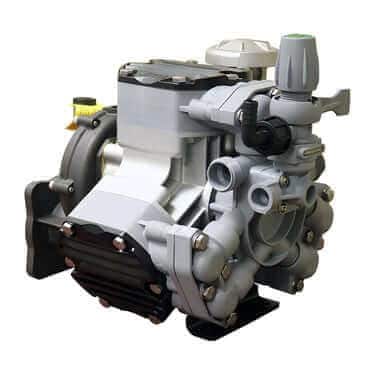 Comet P40 Diaphragm Pump SKU: 150-0428 | 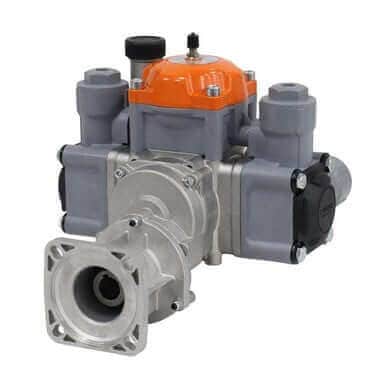 Comet BPX25 GR pump SKU: 150-0432 |
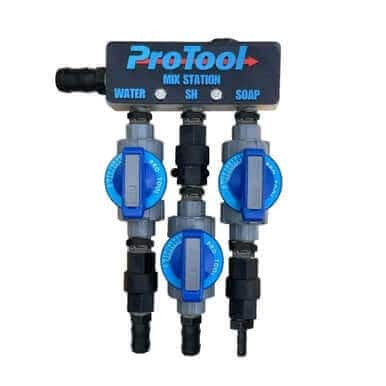 Soft Wash Metering Block SKU: 150-0454M | 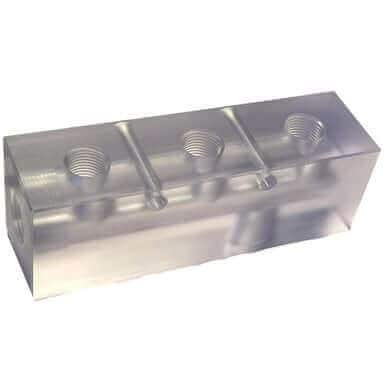 Metering Manifold Translucent 5 Port Softwash (3ea) 1/2in and (2ea) 3/4in SKU: 150-361 | 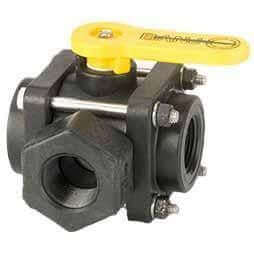 ProTool Softwash 2 Way Poly Valve Side Port SKU: 150-0881 |
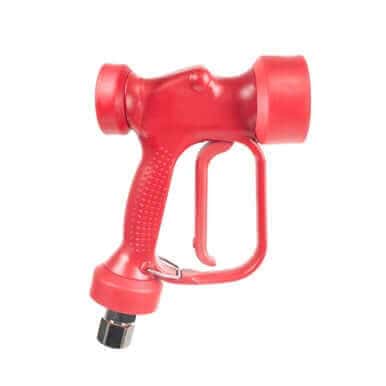 ProTool Wash Down Soft Wash Gun SKU: 74-5204 | 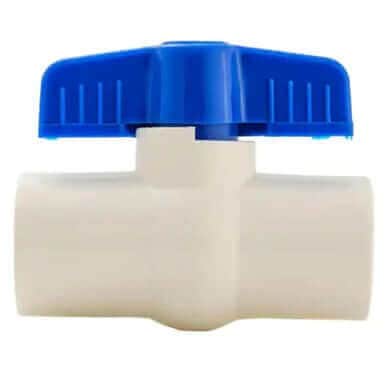 ProTool Ball Valve 1/2in PVC for Softwashing Wands SKU: 74-4958 | 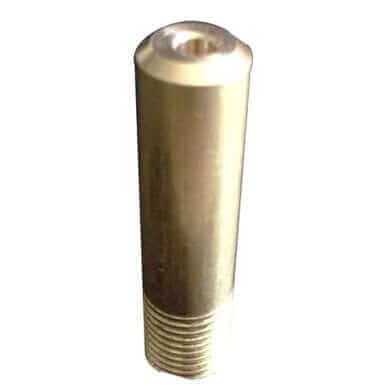 ProTool 30 Shooter Tip 4-4.5gpm PW SKU: 74-54M |
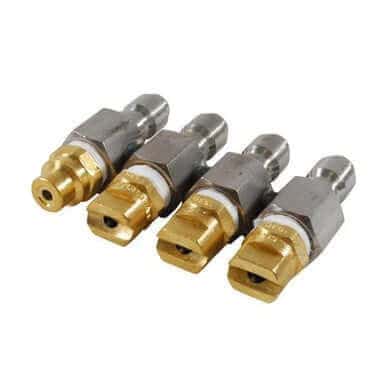 ProTool 4 Tip Soft Wash 0030 1530 2530 4030 Brass SKU: 74-5997 | 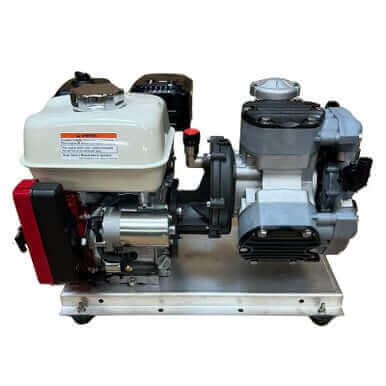 BPX25 - P40 Soft Wash Sprayer Skid SKU: 150-0432M | 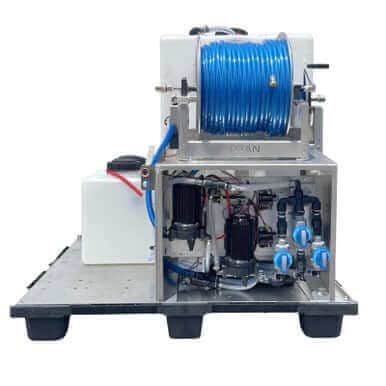 ProTool Soft Wash Skid 12V SKU: 150-047M |