Soft Wash vs Pressure Wash Deck: Choosing the Right Method for Every Board

Table of Contents
Soft wash vs pressure wash deck decisions come down to one question: what is the substrate, and what is living on it? Get it wrong on cedar and you're sanding for free. Get it wrong on Ipe and the stain won't bite. This guide covers the chemistry, the PSI limits, and the equipment setup that keeps wood intact and callbacks at zero.
Mechanical Force vs. Chemical Cleaning: What Actually Matters
Pressure washing delivers 1,500–4,000 PSI of kinetic impact. Soft washing stays below 500 PSI and lets sodium hypochlorite and surfactants do the killing. The distinction matters because most deck contaminants — mold, algae, lichen — root into the grain. Blasting the surface clean doesn't kill what's underneath. It grows back in weeks.
Mechanical cleaning has a place in deck work, but only when you need to strip a failed coating or open dense grain for re-staining. For organic growth removal — the bread and butter of maintenance contracts — chemical action is faster, safer, and more thorough.
Why High Pressure Destroys Decks
When PSI exceeds the structural tolerance of the timber, the water destroys lignin — the polymer that binds wood fibers together. The result is "fuzzing," a raised grain texture that requires full sanding before any finish will adhere. Inconsistent wand speed leaves permanent scars. Worse, high-force streams inject water deep into the wood cells. That trapped moisture drives internal rot and hardware corrosion within 12–18 months.
Most liability claims on residential deck work trace back to a narrow nozzle tip held too close. A 15-degree tip at 3,000 PSI on pressure-treated pine is a guaranteed damage call.
What Soft Wash Chemistry Actually Does
Sodium hypochlorite kills spores at the root level, not just at the surface. A quality surfactant like ProTool Sticky increases dwell time on vertical surfaces — railings, posts, fascia — so the chemistry works before it drains off. The 2026 standard is biodegradable formulas that meet environmental benchmarks without sacrificing kill rates.
PSI, GPM, and Chemical Concentration: The Numbers That Matter
Professionals prioritize GPM over PSI. A higher flow rate — 5.0 to 8.0 GPM — flushes debris and delivers chemical coverage faster without scarring wood fibers. High PSI causes irreversible damage. High GPM gets the job done.
Pressure Washing Specs for Decks
If mechanical cleaning is required, stay between 500 and 1,200 PSI. Softwoods like cedar and redwood sit at the low end — around 600 PSI. Always use a 40-degree wide fan tip to distribute force across the surface. Maintain an 8–12 inch standoff distance. Closer than 8 inches on softwood and you're lifting grain.
Soft Wash Chemical Ratios
The standard "Deck Mix" uses sodium hypochlorite (SH) as the primary agent:
- Maintenance clean (12 months of organic growth): 1%–2% SH solution
- Heavy restoration (stubborn lichen, deep staining): up to 3% SH
Dwell time is the critical variable. Chemicals need 10–15 minutes to break the organic bond. Do not let the solution dry on the surface — dried SH leaves salt crystals in the wood fibers. Once dwell time is complete, rinse at low pressure.
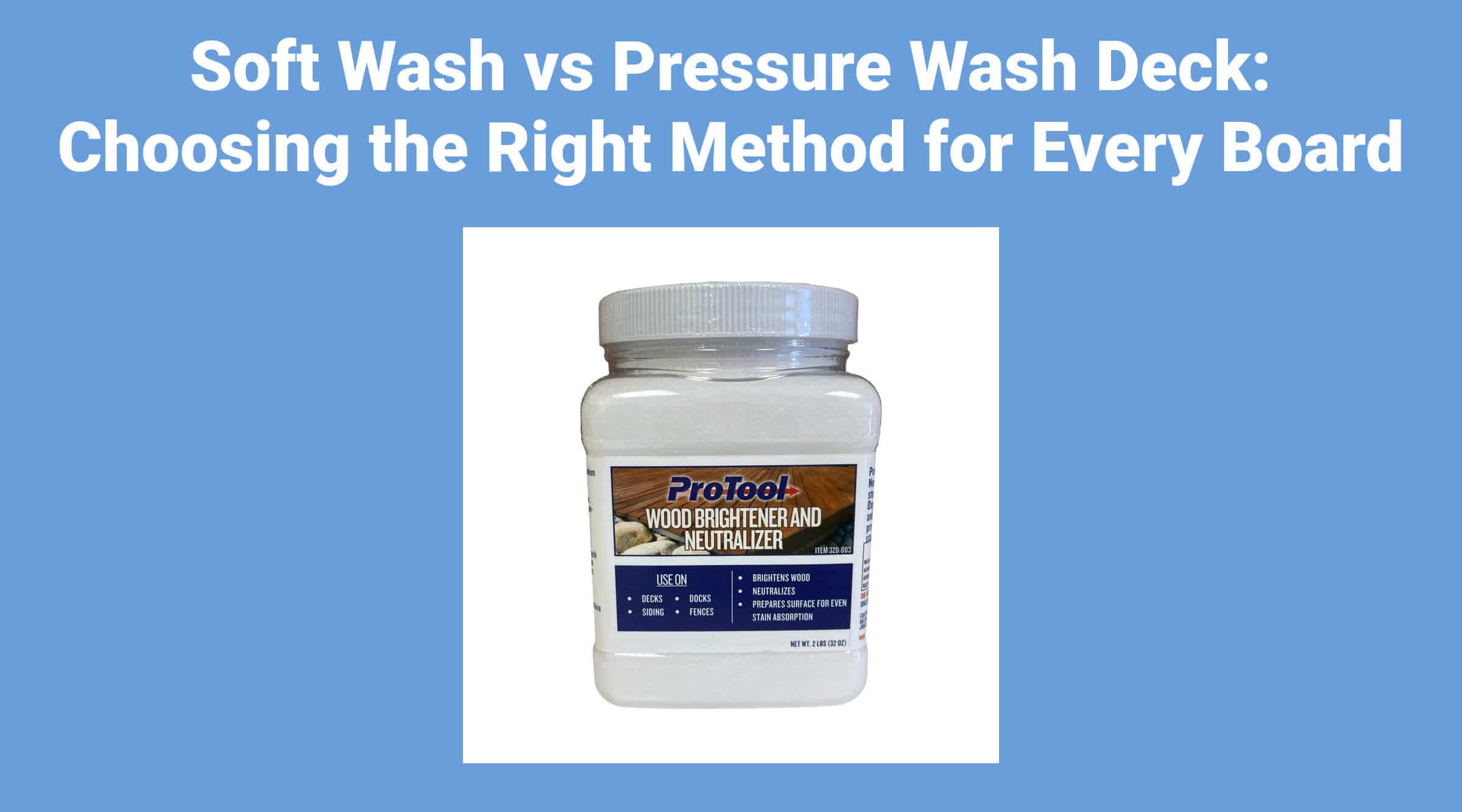
Never skip neutralization. SH leaves wood in an alkaline state, which darkens the surface and causes "furring." A wood brightener — typically 5%–10% citric or oxalic acid — resets pH, opens pores, and restores natural color. This step is mandatory for proper stain adhesion.
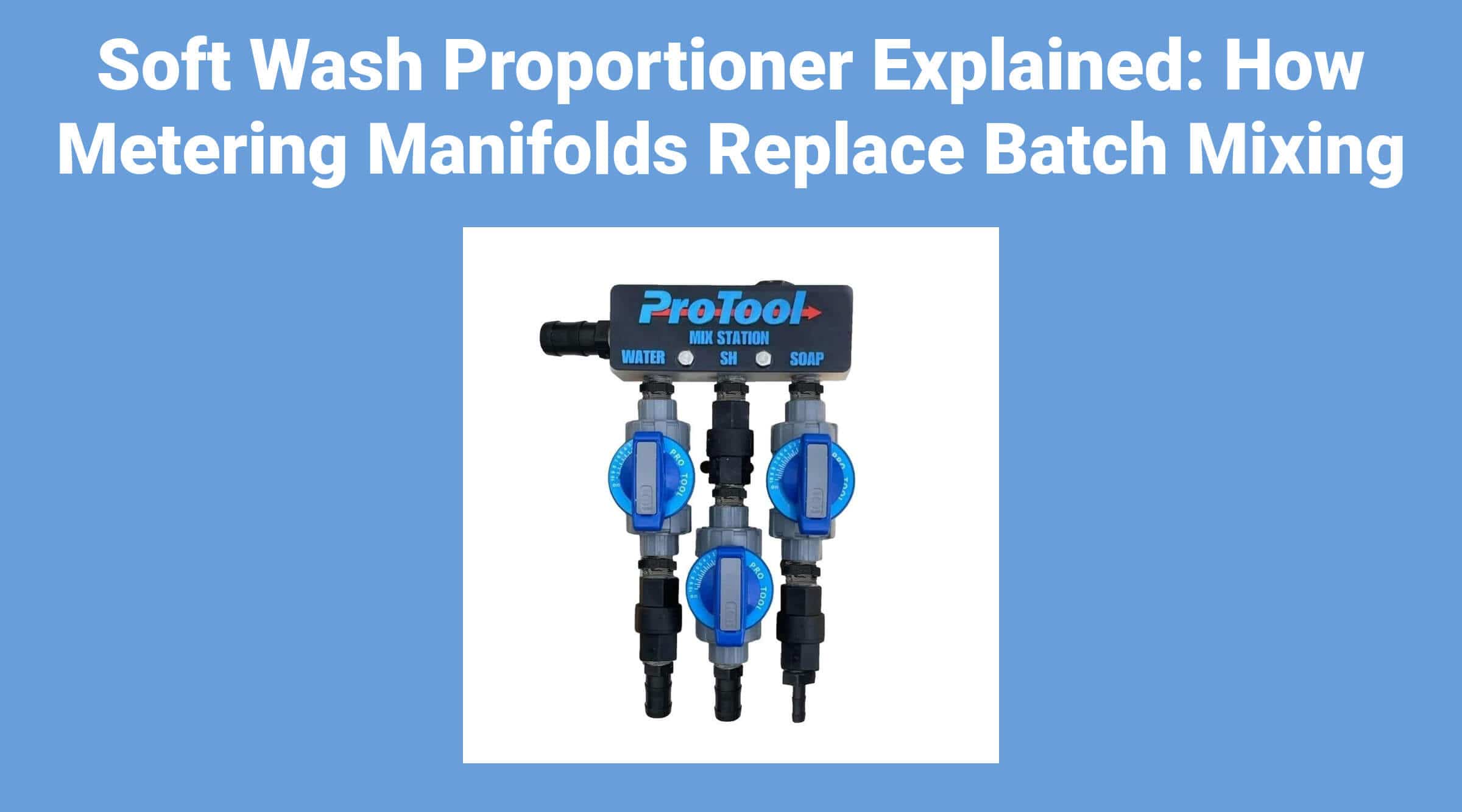
Consistent chemical ratios across the job prevent blotchy results. A downstream injector like the X-Jet M5 or a properly calibrated metering manifold keeps proportioning precise from the first board to the last.
How Wood Species Dictate Your Approach
Wood density — measured by Janka hardness — is the single biggest variable in the soft wash vs pressure wash deck decision. Ipe sits at 3,684 lbf. Western Red Cedar is around 350 lbf. That 10× difference changes everything about your chemical dwell time, rinse pressure, and equipment selection.
- Softwoods (Cedar, Pine): Soft wash only. Pressure above 800 PSI causes permanent fuzzing. Use 1%–2% SH with a surfactant and rinse at 500–800 PSI maximum.
- Hardwoods (Ipe, Garapa): Dense grain resists chemical absorption. Increase dwell time to 15–20 minutes. Rinse at up to 1,200 PSI with a 40-degree tip held at least 12 inches from the surface.
- Composite (Trex, Azek): Non-porous surfaces that thrive on soft wash chemistry. SH kills mold; a degreaser like ProTool Oily Man handles grease. Most manufacturers cap warranty-safe pressure at 1,500 PSI — exceed it and you void the homeowner's 25-year coverage.
- Pressure-Treated Lumber: Most modern decks use ACQ-treated wood with copper-based preservatives. Verify your cleaning agents won't react with the preservative. ProTool Deck and Fence Cleaner is formulated to be compatible.
Exotic Hardwood Technique
Ipe and similar species demand a "low and slow" approach. Slightly higher rinse pressure than softwood is acceptable — up to 1,200 PSI — but the real work is chemical. Follow every SH application with a wood brightener to reset pH to the 4.0–5.5 range. Without brightening, alkaline cleaners leave dense hardwood looking dark and lifeless.
Equipment Setup for Deck Cleaning
Your method is only as good as the equipment delivering it. Deck work requires high-flow, low-pressure delivery — the opposite of what most pressure washing rigs default to.
Soft Wash Skids and Pumps
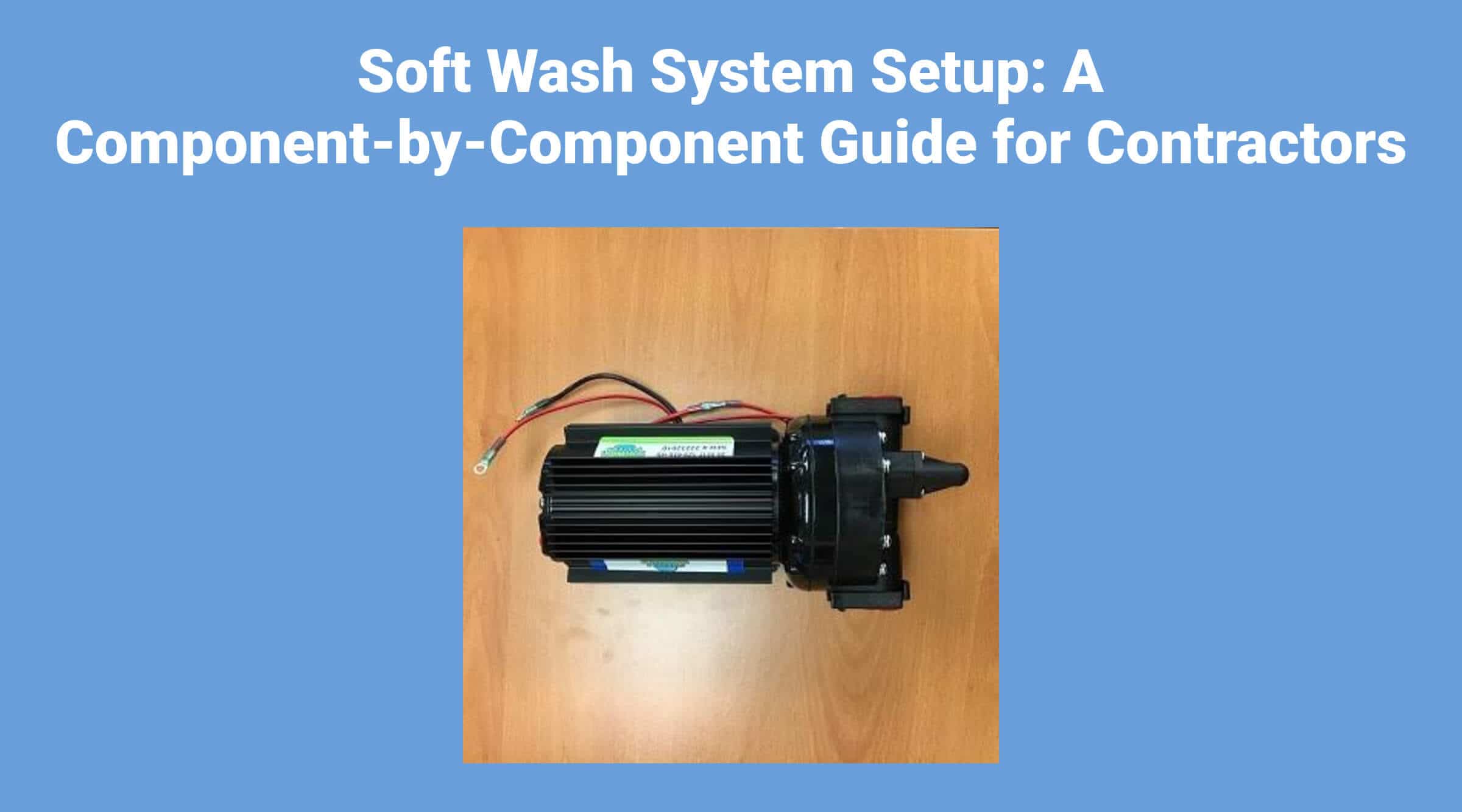
ProTool soft wash skids are the core of a professional deck setup. They use dedicated diaphragm pumps — either 12V electric or gas-powered — to apply detergents below 150 PSI. The Comet BPX25 pump handles thicker chemical mixes at higher GPM for large-scale restoration. The ProTool 5 GPM 12V PolyPro pump is quieter, more compact, and easier to maintain for standard residential routes.
Flow rates of 5–8 GPM are the standard for covering large square footage quickly. A soft wash pole gun gives reach on elevated sections without climbing.
The X-Jet as a Hybrid Tool
The X-Jet M5 lets you downstream chemicals at 10:1 or 20:1 ratios while keeping your pressure washer at a safe distance from the wood. It bridges the gap between soft wash and pressure wash — useful when you need chemical application from a pressure rig without switching to a dedicated soft wash pump mid-job.
Pressure Washing Accessories for Restoration
When stripping failed stain, a dual-lance wand lets you toggle between a low-pressure soap nozzle and a controlled rinse nozzle without changing tips. Run 3/8-inch non-marking hose to minimize pressure drop over 100-foot runs — you need consistent 800–1,200 PSI at the tip for clean wood rinsing.
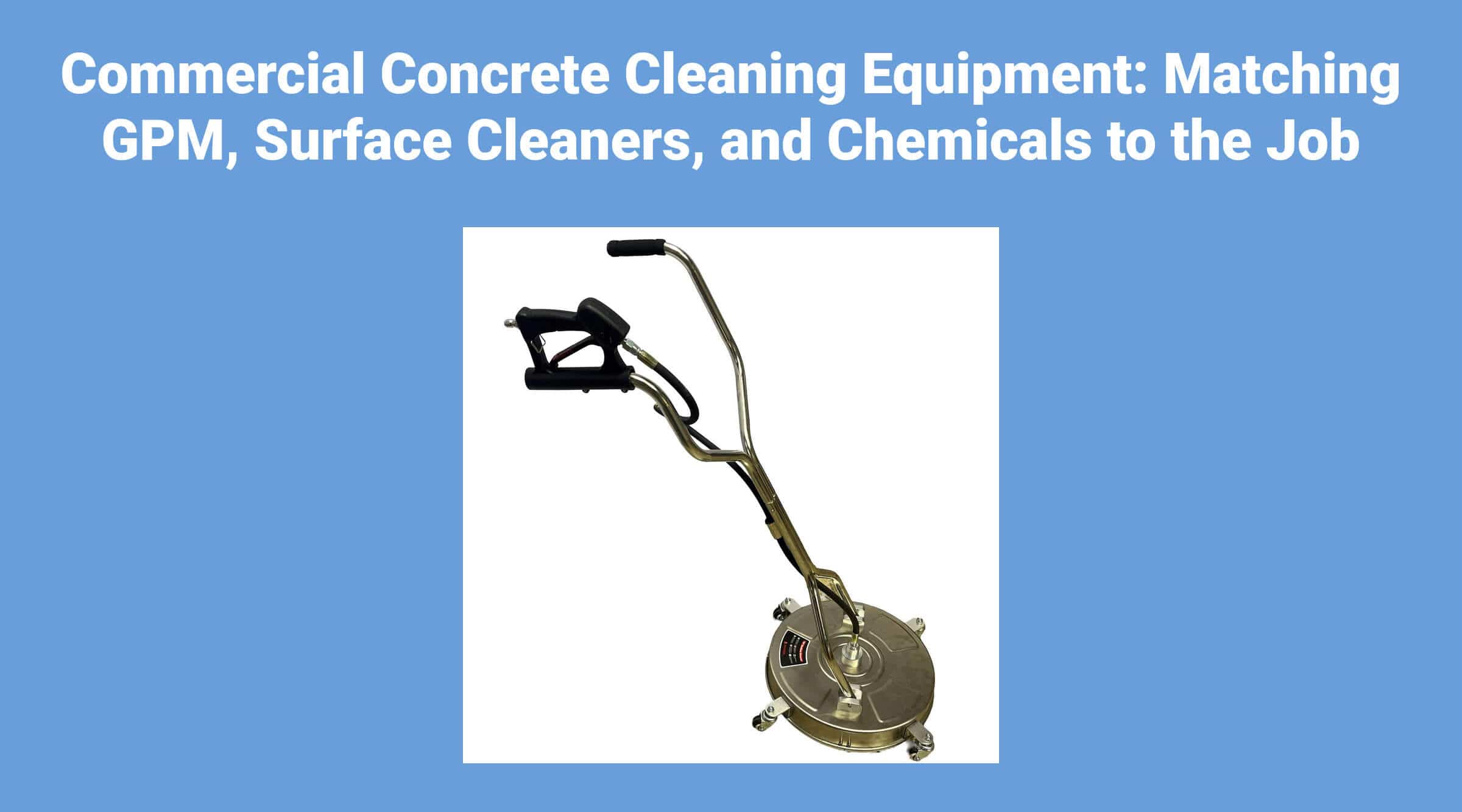
Surface cleaners excel on concrete patios and stone footings adjacent to the deck, but keep them off the wood. A 20-inch surface cleaner on cedar creates permanent zebra stripes.
Safety on Elevated Decks
OSHA 1910.28 requires fall protection at heights over 4 feet. If railings aren't structurally secure, use a rated harness and lanyard system. PPE for chemical application: chemical-resistant gloves and wrap-around goggles, minimum.
The Contractor's Decision Framework
Every deck job starts with a 15-minute pre-job inspection. Check for rot in the ledger board and joist hangers. Identify the wood species. Assess the current coating condition. Then choose your method:
Scenario A — Annual Maintenance on Cedar: Soft wash only. 1% SH with ProTool Sticky surfactant. 10-minute dwell. Low-pressure rinse. Brighten with oxalic acid. No sanding required.
Scenario B — Stripping Failing Solid Stain on Pressure-Treated Lumber: Chemistry first — apply sodium hydroxide stripper. Follow with 800–1,200 PSI rinse using a 40-degree nozzle. The mechanical force is necessary to lift bonded pigments that chemical action alone won't release.
Scenario C — Preparing Weathered Ipe for Re-Oiling: Hybrid approach. Heavy chemical stripper, then 1,200 PSI rinse to open the dense grain so oil-based finish can penetrate. Brighten immediately after rinsing.
The Three-Step Restoration Workflow
- Chemical application: SH for cleaning, sodium hydroxide for stripping. Let the chemistry do the work.
- Low-pressure rinse: Flush dead fibers and spent chemical. Keep PSI within the safe range for the species.
- pH neutralization: Citric or oxalic acid brightener resets wood to approximately pH 7.0. This step is mandatory for proper stain adhesion — skip it and the finish fails within a season.
Production Efficiency
Soft washing allows multi-tasking on large residential jobs. While the SH blend dwells for 10–15 minutes, your crew preps the next section or manages property protection. This workflow cuts total labor 20%–30% because it eliminates aggressive, time-consuming mechanical scrubbing. Running 5–8 GPM from a professional skid halves your rinse time.
The math is straightforward: chemical-driven cleaning protects the wood, reduces labor, and eliminates sanding callbacks. That's the margin advantage of choosing the right soft wash vs pressure wash deck approach for every job.
Products Mentioned
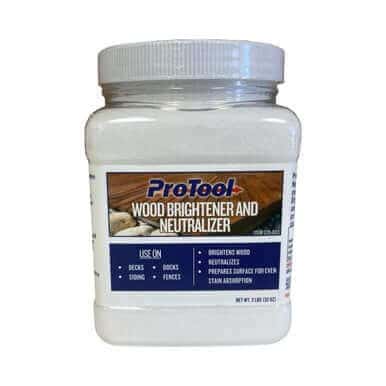 Protool Wood Brightener and Neutralizer SKU: 320-003 | 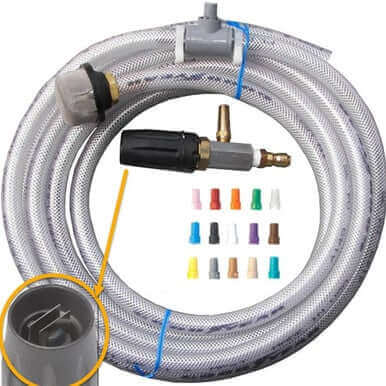 X-Jet M5 Variable Spray SKU: 74-53M | 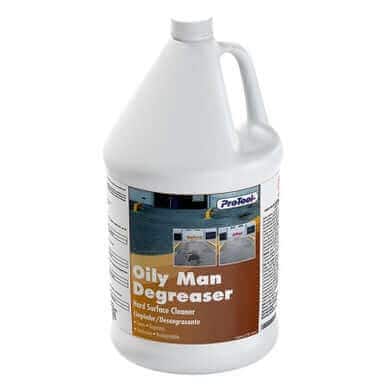 ProTool Oily Man SKU: 83-02M |
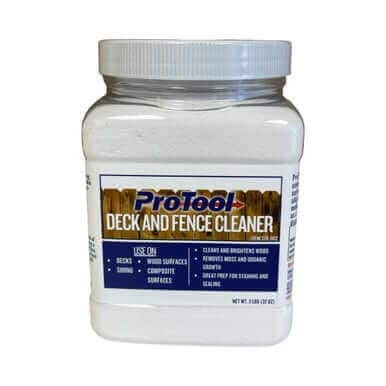 Protool Deck and Fence Cleaner SKU: 320-002 | 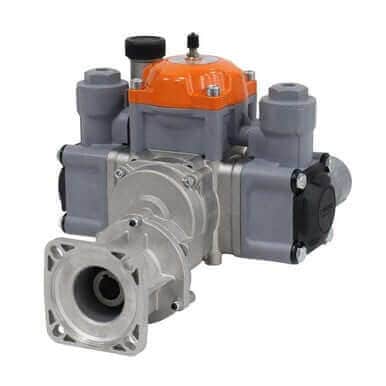 Comet BPX25 GR pump SKU: 150-0432 | 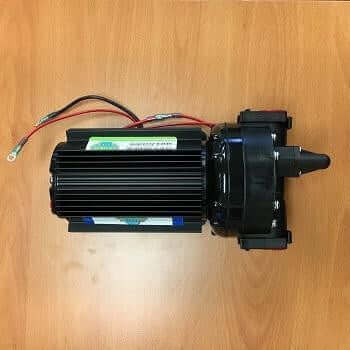 ProTool SoftWash System 5gpm PolyPro 12v Pump SKU: 150-0859 |
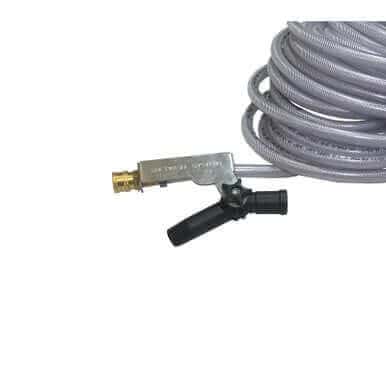 ProTool SoftWash Pole Gun Angle Adaptor SKU: 150-0951 | X-Jet M5 Variable Spray SKU: 74-53M | 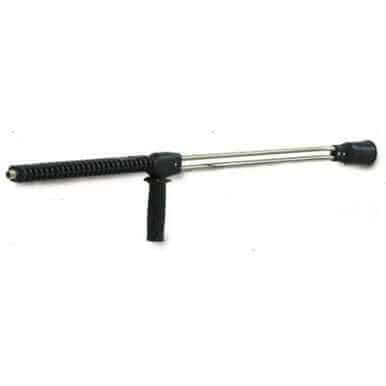 Lance Dual 36in SS SKU: 74-5310 |
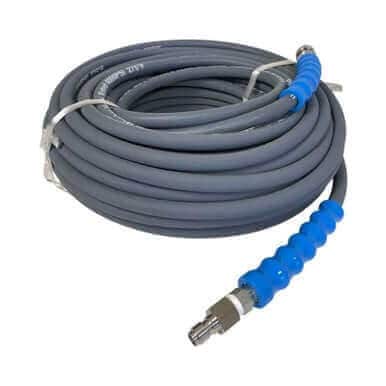 ProTool Pressure Washing Hose 4000psi 1 Wire SKU: 74-36M | 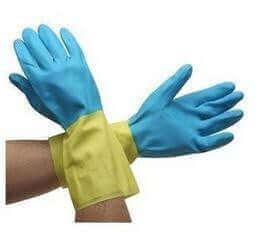 Neoprene/Latex Chem Resistant Gloves SKU: 56-23M | 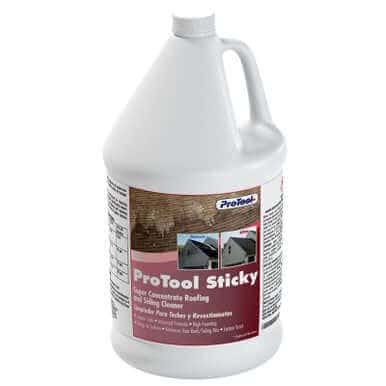 ProTool Sticky SKU: 83-07M |
Protool Wood Brightener and Neutralizer SKU: 320-003 |