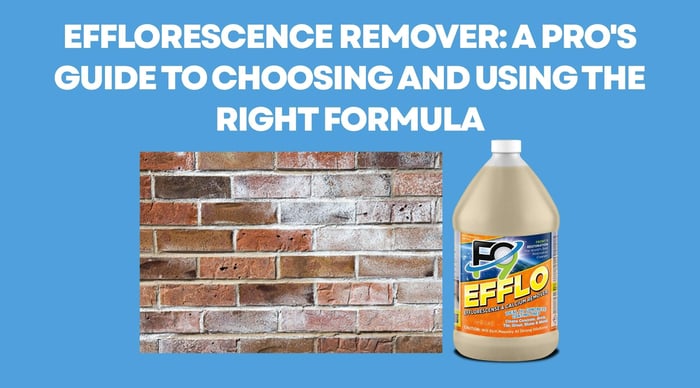
Efflorescence Remover: A Pro's Guide to Choosing and Using the Right Formula
Table of Contents
- Understanding Efflorescence and How Removers Work
- Types of Professional Efflorescence Removers: Chemical Breakdown
- How to Select the Right Remover for Any Surface
- The Professional Application Process: A Step-by-Step Guide
- Preventing Efflorescence Recurrence After Removal
- Your Professional Solution to Efflorescence
- FAQs
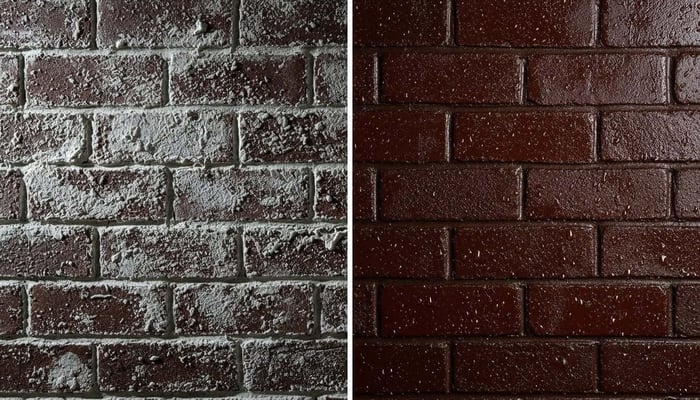
For any exterior cleaning professional, that chalky white residue known as efflorescence is a persistent challenge. It can ruin an otherwise perfect job, leading to frustrating client callbacks and wasted time on site. Using an ineffective product or the wrong chemical formula risks not only poor results but also irreversible damage to sensitive surfaces like natural stone or historic brick. The key to defeating it on the first attempt is choosing a professional-grade efflorescence remover designed for the specific substrate you're treating.
This guide provides the essential, no-nonsense solutions you need. We will walk you through how to select the correct high-performance formula for any surface—from concrete and pavers to delicate masonry. You’ll learn the proper, safe application techniques to completely eliminate salt deposits, prevent their return, and protect both yourself and your client's property. Arm yourself with the right knowledge and equipment to deliver durable, flawless results that enhance your professional reputation and your bottom line.
Understanding Efflorescence and How Removers Work
Efflorescence is the crystalline, powdery deposit of mineral salts that appears on masonry surfaces like brick, concrete, and stucco. For exterior cleaning professionals, it's a common but often misunderstood issue. The core problem originates from water intrusion; moisture seeps through the porous substrate, dissolves natural salts within the material, and then carries them to the surface. As the water evaporates, it leaves behind these unsightly white or greyish salt deposits. To understand the complete science behind what is efflorescence, it's crucial to see it as a symptom of moisture movement, not just a surface stain.
This is where a professional-grade efflorescence remover becomes an essential tool. These solutions are typically formulated with mild acids that work on a chemical level. The acidic cleaner reacts with the alkaline salt crystals, effectively dissolving them into a water-soluble solution. Once the salts are broken down, they can be thoroughly rinsed away from the surface. It is critical for professionals to understand that an efflorescence remover treats the visible symptom—the salt staining—but does not address the root cause, which is the path of moisture intrusion.
Why Simple Water or Scrubbing Isn't Enough
Attempting to remove efflorescence with improper methods can be ineffective and even counterproductive. Standard techniques often fail for specific reasons:
- Water Rinsing: Spraying the surface with water will temporarily dissolve the salts and make them disappear. However, as the area dries, the salts will simply recrystallize on the surface, often in the same spot.
- Dry Brushing: While a stiff brush can remove the loose, powdery surface deposits, it fails to eliminate the salt crystals embedded within the pores of the substrate.
- Improper Pressure Washing: Using high pressure can drive water and dissolved salts deeper into the masonry, creating a larger reservoir of salts that will inevitably reappear later.
The Role of pH in Efflorescence Removal
The effectiveness of a dedicated efflorescence remover is based on simple chemistry. The mineral salt deposits are highly alkaline, meaning they have a high pH value. To counteract this, professional removers are scientifically formulated as acidic cleaners with a low pH. This acid-based solution neutralizes the alkaline salts, breaking down their crystalline structure efficiently and safely. This targeted chemical reaction is precisely why a purpose-built product delivers superior, lasting results compared to generic cleaners or simple scrubbing.
Types of Professional Efflorescence Removers: Chemical Breakdown
Selecting the right efflorescence remover is critical for efficient and safe salt removal. The choice depends entirely on the surface type, the severity of the buildup, and job site safety requirements. Unlike basic retail products, professional-grade formulas are engineered with superior surfactants and inhibitors. These advanced additives ensure the chemical clings effectively to vertical surfaces for maximum dwell time and help prevent etching or damage to the substrate, delivering a clean result without compromising the material's integrity.
Traditional Acid-Based Cleaners
For decades, acids have been the go-to solution for dissolving stubborn mineral salts. While effective, they demand careful handling and proper personal protective equipment (PPE). The most common professional options include:
- Hydrochloric (Muriatic) Acid: A highly effective and fast-acting chemical. Its corrosive nature and hazardous fumes make it a high-risk option best reserved for experienced professionals working on durable, uncolored masonry like concrete block.
- Phosphoric Acid: A gentler alternative to muriatic acid, phosphoric acid is a reliable choice for dissolving efflorescence on concrete, brick, and mortar without being as aggressive on the surface.
- Glycolic Acid: This organic acid is significantly less volatile, producing fewer fumes. It offers a safer user experience and is suitable for more sensitive surfaces where stronger acids could cause discoloration or damage.
Salt-Based & Synthetic Acid Alternatives
Modern chemistry has produced a new category of high-performance cleaning agents. These advanced, salt-based and synthetic acid formulations are designed to mimic the dissolving power of traditional acids without the associated hazards. As an efflorescence remover, these products are often biodegradable, contain no mineral acids, and pose a much lower risk of etching surfaces. This makes them the ideal solution for delicate materials like manufactured stone, colored concrete, or for use in areas with strict environmental regulations.
Ready-to-Use vs. Concentrates
Professional cleaning solutions are typically available in two formats. Ready-to-use (RTU) formulas offer maximum convenience for smaller, specific jobs, eliminating the need for on-site mixing. For larger projects or varied conditions, concentrates provide superior value and versatility. A professional can adjust the dilution ratio to create a stronger solution for heavy, thick efflorescence or a milder one for light, powdery buildup, ensuring optimal performance and cost-effectiveness for every job.
How to Select the Right Remover for Any Surface
Selecting the correct chemical solution is the most critical decision in the efflorescence removal process. Using the wrong product can cause irreversible damage, including etching, staining, and permanent discoloration. The chemical composition and porosity of the surface material dictate which type of cleaner is safe and effective. A product designed for hard brick could permanently destroy soft limestone.
The golden rule for any professional is to always test your chosen efflorescence remover on a small, inconspicuous area first. This simple step confirms chemical compatibility and prevents costly, large-scale mistakes.
For a quick reference, here are the recommended chemical types for common surfaces:
- Brick, Cinder Block, & Mortar: Phosphoric Acid-Based Cleaners
- Poured & Broom-Finished Concrete: Phosphoric or Synthetic Acid-Based Cleaners
- Colored Concrete & Pavers: Buffered Phosphoric or Synthetic Acids
- Sensitive Stone (Limestone, Marble, Travertine): Non-Acidic / Stone-Safe Formulations
- Durable Stone (Granite, Slate): pH-Neutral or Stone-Safe Cleaners
Cleaning Brick, Cinder Block, and Mortar Joints
These durable, porous surfaces can typically handle stronger, professional-grade cleaners. Phosphoric acid-based products are highly effective at dissolving salt deposits without the extreme hazards of harsher acids. However, avoid using raw muriatic acid; its aggressive nature can easily etch brick faces and cause permanent staining. Always pre-wet the surface with water to prevent the cleaner from absorbing too deeply, ensuring it works on the surface salts as intended.
Treating Poured Concrete and Pavers
While standard poured concrete is tough, decorative and colored pavers are highly susceptible to discoloration from aggressive chemicals. For these applications, it is essential to use a buffered phosphoric acid or a modern synthetic acid formula. An overly harsh acid can strip pigment and expose the aggregate, permanently altering the intended finish and texture of the surface.
Safely Cleaning Natural and Manufactured Stone
This category requires the most caution. Using an acidic cleaner on certain types of natural stone is a recipe for disaster, as it can permanently etch or even dissolve the material. This is especially true for calcareous stones like limestone, marble, and travertine. For these delicate surfaces, you must only use a product specifically formulated as a non-acidic or 'stone-safe' efflorescence remover. For reliable performance across all substrates, it's crucial to source professional-grade solutions. Browse our selection of multi-surface cleaning chemicals.
The Professional Application Process: A Step-by-Step Guide
Achieving complete and lasting removal of efflorescence requires a systematic, professional-grade approach. Using a high-performance efflorescence remover is critical, but the application process is what guarantees success and prevents damage to the substrate. Following these steps ensures not only the removal of existing salt deposits but also helps prevent their rapid return. For exterior cleaning professionals, mastering this process is essential for delivering reliable, high-quality results.
On large vertical surfaces, it is imperative to work in small, manageable sections that can be completed from start to finish without the chemical drying. This technique ensures uniform cleaning and prevents streaking.
Step 1: Surface Preparation and Safety
Proper preparation is non-negotiable for both safety and effectiveness. Before beginning, mechanically remove any heavy, thick salt deposits with a stiff-bristled brush or scraper. This allows the chemical cleaner to work directly on the embedded salts within the masonry pores. Next, protect all adjacent and non-target surfaces, including windows, metal flashing, and vegetation, from potential overspray. Always don the appropriate Personal Protective Equipment (PPE):
- Acid-resistant gloves
- Safety goggles or a full face shield
- A NIOSH-approved respirator for acid vapors
Step 2: Application and Dwell Time
Dilute the concentrated efflorescence remover according to the manufacturer’s specifications for the surface type and severity of the staining. Using a professional pump-up chemical sprayer, apply the solution liberally to the surface, working from the bottom up to prevent clean streaks. Allow the product to dwell for 5-10 minutes. You will see a fizzing or bubbling reaction as the acid dissolves the mineral salts. Crucially, do not allow the product to dry on the surface, as this can re-deposit the salts and potentially etch the masonry.
Step 3: Agitation, Rinsing, and Neutralization
After the dwell time, use a stiff, non-metallic brush to agitate the surface. This mechanical action helps dislodge stubborn salt deposits loosened by the chemical. Immediately following agitation, rinse the entire area thoroughly with low-pressure water, working from the top down to wash away all residue. The most critical step is next: apply a neutralizing solution or a designated alkaline cleaner to the surface. This step halts the acidic reaction and balances the surface pH, preventing long-term damage. Skipping neutralization can lead to continued etching of the masonry. Perform a final, copious rinse to ensure all chemical residue is gone, leaving a clean, stable surface ready for drying and sealing.
Preventing Efflorescence Recurrence After Removal
For the true professional, a job is only complete when the solution is long-term. Simply applying an efflorescence remover addresses the symptom, not the cause. To prevent callbacks and establish your authority, you must address the root of the problem: water infiltration. This positions you as a knowledgeable consultant, providing comprehensive solutions that protect your client's property and your reputation.
Identify and Address Moisture Sources
Efflorescence is a direct result of water traveling through masonry, dissolving mineral salts, and depositing them on the surface as it evaporates. Until the source of this water is stopped, the problem will inevitably return. Advise the property owner to inspect and repair common points of water entry, including:
- Faulty Gutters: Clogged or improperly pitched gutters that spill water against the foundation.
- Poor Drainage: Ground that slopes toward the building, allowing water to pool against masonry.
- Structural Cracks: Fissures in concrete, brick, or mortar joints that provide a direct path for moisture.
- Sprinkler Systems: Irrigation heads spraying directly onto walls or oversaturating adjacent ground.
Correcting these fundamental issues is the first step toward a lasting fix.
The Role of Penetrating Sealers
After cleaning the surface with an effective efflorescence remover and allowing it to dry completely, the next step is protection. This is a critical service you can offer to lock in your results and provide significant value to the property owner.
We recommend applying a high-performance, breathable, penetrating sealer. Products based on silane or siloxane chemistry are ideal. These sealers work by penetrating deep into the substrate to create a hydrophobic barrier. This barrier stops liquid water from getting in but, crucially, allows trapped water vapor to escape. This prevents future efflorescence without trapping moisture that could cause spalling or freeze-thaw damage.
Applying a quality sealer is the ultimate upsell, transforming a simple cleaning job into a long-term protection service. Protect your work with our professional-grade sealers.
Your Professional Solution to Efflorescence
Mastering efflorescence removal separates the professional from the amateur. This guide has shown that success depends on a systematic approach: correctly diagnosing the surface to choose the right chemical formula and executing the application process with precision. While a powerful efflorescence remover provides the immediate fix, remember that long-term prevention by controlling moisture is the key to delivering lasting value to your clients. Your expertise in both removal and prevention is what builds a solid reputation.
Equip your business with the high-performance solutions needed to achieve flawless results on every job. We offer professional-strength formulas for faster cleaning and a wide selection to match any type of masonry. If you need assistance, our expert support team is here to help you choose the right product. Shop our complete range of professional-grade efflorescence removers and tackle your next project with the confidence that comes from using the best tools in the trade.
FAQs
Can I use a pressure washer to apply or rinse efflorescence remover?
Using a pressure washer for rinsing is highly effective and recommended for thoroughly flushing the surface. However, do not use a pressure washer to apply the chemical. Application should be done with a low-pressure sprayer, like a pump-up sprayer, to ensure even coverage and prevent the dangerous atomization of acidic solutions. This method provides better control over the product, maximizing its dwell time and performance while enhancing operator safety on the job site.
What's the difference between a professional remover and straight muriatic acid?
Professional-grade removers are specifically formulated for cleaning masonry. They are typically buffered acids containing wetting agents and inhibitors that improve performance and reduce the risk of "burning" or etching the surface. Straight muriatic acid is a raw, highly corrosive chemical that is hazardous to handle and can easily cause irreversible damage to brick, mortar, and concrete if misapplied. For consistent, professional results and greater safety, a formulated product is the superior choice.
How long do I need to wait after cleaning before I can apply a sealer?
The surface must be completely and uniformly dry before a sealer is applied. The standard waiting period is a minimum of 24 to 72 hours after cleaning, but this can vary significantly based on ambient temperature, humidity, and surface porosity. For mission-critical applications, using a moisture meter is the only way to guarantee the substrate is dry enough to accept a sealer. Applying sealer to a damp surface can trap moisture, leading to premature failure.
Will efflorescence remover damage or kill nearby grass and plants?
Yes, nearly every effective efflorescence remover is acidic and will harm or kill grass, shrubs, and other plants on contact. To prevent damage, it is essential to pre-saturate all surrounding vegetation and soil with water before application. You can also cover delicate plants with heavy-duty plastic sheeting. After the job is complete, rinse the area and all nearby plants thoroughly with water to dilute and wash away any residual chemicals from the job site.
How can I tell if the white stain is efflorescence or something else, like mold?
You can perform a simple test to differentiate them. Efflorescence is a mineral salt deposit that will dissolve when sprayed with water. It is also a dry, crystalline powder that will crush into dust between your fingers. In contrast, mold or mildew is a biological growth that will not dissolve in water. It often appears as splotchy, slimy, or fuzzy patches and may have a distinct musty odor. Mold requires a biocide for proper remediation.