Hot Water Pressure Washer: The Professional's Guide to Uses & Benefits

Table of Contents
- Why Heat Matters: The Science Behind Hot Water Cleaning Power
- Anatomy of a Hot Water Pressure Washer: Key Components Explained
- Top 7 Commercial Uses That Demand a Hot Water Pressure Washer
- Calculating the ROI: Is a Hot Water Unit a Smart Investment?
- Key Specifications to Consider When Choosing a Hot Water Unit
- The Professional's Verdict: Harnessing Heat for Unmatched Performance
-
- FAQs
Are stubborn grease, oil stains, and caked-on grime slowing down your jobs and eating into your profits? If you're relying on cold water and excessive chemicals to tackle the toughest cleaning challenges, you're likely leaving money and efficiency on the table. For the serious professional, the solution isn't more scrubbing or stronger detergents-it's superior technology. A professional-grade hot water pressure washer is the definitive tool for elevating your cleaning capabilities from standard to exceptional, delivering results that cold water simply cannot match.
This guide is designed for the contractor looking to gain a competitive edge. We will break down the essential uses and significant benefits of investing in a hot water unit. You will discover precisely when this equipment is a crucial upgrade, how it can dramatically reduce your job times and chemical costs, and why it's the key to unlocking high-demand, lucrative contracts. Get ready to transform your operational efficiency and expand your service offerings with the power of heat.
Why Heat Matters: The Science Behind Hot Water Cleaning Power
For professional cleaning applications, pressure is only half the equation. While high-pressure water can dislodge dirt and debris, the introduction of heat fundamentally transforms the cleaning process. Think of washing a greasy pan in your kitchen sink: cold water simply smears the grease around, but hot water melts and lifts it away effortlessly. A hot water pressure washer operates on the same principle, using thermal energy to achieve results that cold water alone cannot.
The effectiveness of heated water comes down to physics and chemistry. First, heat drastically lowers the surface tension of water, allowing it to penetrate microscopic pores on surfaces where grime and oil are trapped. This enhanced penetration is a key part of the Pressure washing basics that professionals leverage for a deeper clean. Second, the thermal energy actively breaks down the molecular bonds of hydrocarbons-the primary components of grease, oil, and diesel soot. Instead of just pushing the grime, the heat liquefies it, making it easy to flush away. For certain applications, the high temperatures (often up to 200°F) also provide sanitizing and disinfecting benefits, effectively killing mold, algae, and bacteria on contact.
Hot Water vs. Cold Water: A Professional's Comparison
Choosing the right machine depends entirely on the job. While cold water units are effective for surface-level cleaning, hot water is essential for tackling tough, bonded contaminants. Here’s a direct comparison of their professional-grade applications:
Substance | Cold Water Effectiveness | Hot Water Effectiveness |
|---|---|---|
General Dirt & Mud | Excellent | Excellent |
Oil & Grease Stains | Poor | Excellent (Breaks down bonds) |
Chewing Gum | Ineffective | Excellent (Melts for easy removal) |
Algae & Mold | Good (with chemicals) | Excellent (Sanitizes surface) |
Caked-on Grime | Fair | Excellent |
The Impact on Chemical Use
Heat acts as a catalyst, significantly boosting the performance of detergents and cleaning agents. This means you can achieve a superior clean with less chemical product. In many cases, the sheer cleaning power of a hot water pressure washer eliminates the need for harsh degreasers altogether. This provides a dual benefit for your operation: reduced operational costs from buying fewer chemicals and a more environmentally responsible cleaning process.
Anatomy of a Hot Water Pressure Washer: Key Components Explained
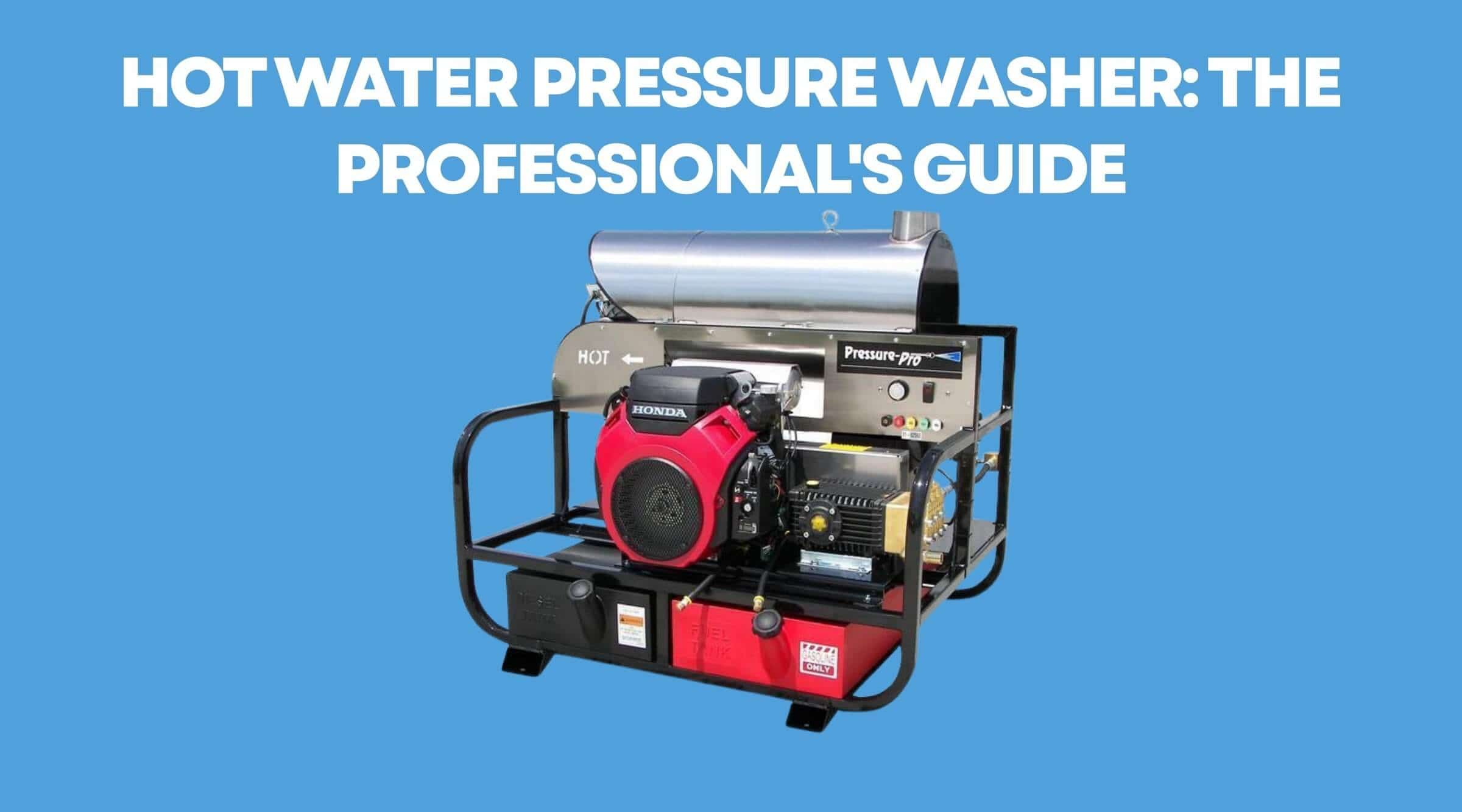
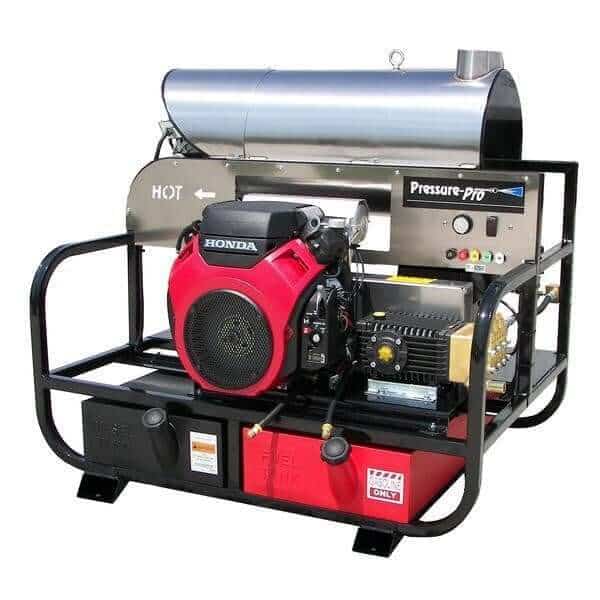
Understanding the internal workings of your hot water pressure washer is critical for maximizing performance and ensuring its longevity. At its core, a hot water unit is a professional-grade cold water pressure washer integrated with a high-efficiency heating system. While the pump remains a key component, the addition of a burner transforms its cleaning capability. Pumps are typically either direct-drive, which are compact and directly coupled to the engine, or belt-drive, which use pulleys and belts to run the pump at a lower RPM for reduced heat and wear during prolonged, heavy-duty use.
The Burner and Heating Coil
The heart of any hot water pressure washer is the burner system. This component, typically fueled by diesel or kerosene, ignites to heat a robust, high-pressure steel coil. As pressurized water is forced through this superheated coil, it can reach temperatures of 200°F or more in seconds. This entire process is monitored by essential safety features, including temperature limit switches to prevent overheating and flow sensors to ensure the burner only fires when water is moving, protecting both the operator and the equipment from damage.
Power Source: Gas, Diesel, or Electric?
Your choice of power source dictates where and how you can operate. Each option offers distinct advantages for the professional contractor, influencing portability, power, and suitable work environments.
- Gas/Diesel Engines: The standard for job site versatility. These engines provide maximum power and complete portability, essential for remote locations or properties without access to a suitable electrical supply.
- Electric Motors: The ideal solution for indoor or noise-sensitive environments. They produce zero emissions, are significantly quieter, and often require less maintenance. When working indoors, it's crucial to manage ventilation and follow all safety protocols, including the OSHA guidelines for cleaning chemicals, to ensure a safe workspace.
Portability and Configuration: Skids vs. Wheeled Carts
A hot water pressure washer is a substantial piece of equipment, and its configuration must match your business operations. Choosing the right setup is key to on-the-job efficiency.
- Skid-Mounted Units: These are the foundation of a professional cleaning rig. Designed to be mounted on a truck or trailer, they integrate with water tanks and hose reels for a self-contained, high-efficiency mobile setup.
- Portable Carts: While larger and heavier than their cold water counterparts, these units offer on-site mobility with heavy-duty frames and wheels. They are an excellent choice for contractors who need to move equipment around a large facility or transport it between local jobs without a dedicated vehicle rig.
Top 7 Commercial Uses That Demand a Hot Water Pressure Washer
While a cold water unit can handle surface dirt, a hot water pressure washer is the essential tool for tackling grease, oil, and grime-based stains. For the professional contractor, these applications represent high-value, recurring revenue streams where cold water simply cannot deliver the required results efficiently or effectively. Investing in a hot water unit unlocks access to more profitable jobs.
Fleet and Heavy Equipment Washing
Commercial fleets and heavy machinery are constantly exposed to a brutal combination of road grime, diesel soot, and hydraulic fluid leaks. Cold water only pushes this greasy mess around. A hot water unit melts through caked-on lubricants on engines and undercarriages, restoring appearance and making critical maintenance inspections faster and more accurate. This service is a consistent source of income for mobile cleaning professionals.
Restaurant and Commercial Kitchen Cleaning
For cleaning greasy dumpster pads, kitchen exhaust hoods, and floors, hot water is non-negotiable. It emulsifies and removes built-up cooking oils, animal fats, and food waste that cold water leaves behind. Proper sanitation is critical for passing health inspections and preventing dangerous slip-and-fall hazards, making this a vital, high-demand service for any food service establishment.
Concrete and Flatwork: Gas Stations & Parking Garages
High-traffic flatwork is a magnet for oil stains, spilled sodas, and discarded chewing gum. Heat is the key to lifting these substances from porous concrete. Hot water softens gum for easy removal and breaks down hydrocarbon stains from deep within the concrete's pores. Landing a cleaning contract for a gas station or parking garage provides significant, repeatable business.
Industrial and Manufacturing Facilities
In manufacturing environments, machinery and floors are coated in tough industrial lubricants, cutting fluids, and heavy-duty residues. A professional-grade hot water pressure washer provides the thermal power needed to degrease equipment for maintenance or clean floors to meet safety protocols. In regulated settings like food processing plants, this level of sanitation is mandatory. These facilities demand equipment that meets stringent pressure washer safety standards, making professional-grade units an absolute requirement.
Other high-value applications that demand heated water include:
- Graffiti Removal: Heat helps break down and lift spray paint from surfaces without excessive pressure.
- Agricultural Sanitation: Cleaning and disinfecting barns, stables, and equipment to remove greasy buildup and kill bacteria.
- Property Restoration: Effectively removing soot and smoke damage from building exteriors after a fire.
Calculating the ROI: Is a Hot Water Unit a Smart Investment?
The initial investment for a professional-grade hot water unit is higher than a cold water machine-that’s a fact. However, viewing it as a simple expense is a critical mistake for a growing business. A hot water pressure washer is a revenue-generating asset, and its return on investment (ROI) is calculated through tangible gains in efficiency, reduced operational costs, and access to more profitable jobs.
For the serious professional, the question isn't whether you can afford a hot water unit, but whether you can afford to operate without one. Let's break down the business case.
Factor 1: Time Savings & Increased Efficiency
Time is your most valuable asset. Hot water emulsifies grease, oil, and stubborn grime, drastically reducing cleaning time. Consider a typical commercial flatwork job: what takes a cold water unit four hours can often be completed in just 2.5 hours with hot water. That saved 1.5 hours per job allows you to schedule an additional client or complete more work each week. Over a month, this increased capacity directly translates to thousands in additional revenue.
Factor 2: Reduced Chemical Costs
The thermal power of heated water does the heavy lifting that expensive chemicals would otherwise handle. You will use significantly less degreaser, detergents, and specialty soaps when tackling tough organic stains. A conservative estimate of saving just $200 per month on chemical purchases adds up to $2,400 per year. This operational saving directly offsets a substantial portion of the equipment cost, helping the machine pay for itself.
Factor 3: Access to New, Higher-Paying Jobs
Perhaps the most significant ROI comes from the new markets you can enter. Many high-value commercial contracts are simply impossible without the cleaning power of a hot water pressure washer. Think of restaurant kitchen exhaust systems, gas station pads, dumpster areas, and heavy equipment degreasing. While a residential house wash is profitable, a single commercial grease cleanup job can command a significantly higher price. Landing just a few of these high-ticket contracts can pay for the entire machine, transforming your business into a versatile and more profitable commercial cleaning authority.
When you're ready to unlock this level of performance and profitability, it's time to invest in the right equipment. Explore professional-grade hot water units for your business.
Key Specifications to Consider When Choosing a Hot Water Unit
Selecting the right hot water pressure washer is a critical investment in your operational efficiency and profitability. Consumer-grade models are not built for the daily demands of professional cleaning. A professional-grade unit offers the durability, performance, and serviceability required to tackle tough jobs reliably. This practical guide breaks down the essential specifications to match a machine to your primary applications.
GPM and PSI: Balancing Rinsing and Blasting Power
Understanding the relationship between Gallons Per Minute (GPM) and Pounds per Square Inch (PSI) is fundamental. Think of GPM as rinsing power-it determines how quickly you can move dirt away. PSI is the blasting power for dislodging stubborn grime. For fleet washing or cleaning large, soiled concrete areas, higher GPM (5-8) is more critical for speed. For stripping paint or removing deeply embedded stains, higher PSI (3000+) is the priority.
Burner Fuel Type and Efficiency
The burner is the core of a hot water unit, and its fuel source impacts both mobility and operating cost.
- Diesel/Kerosene: The standard for mobile cleaning skids due to fuel availability and portability.
- Natural Gas/Propane: Excellent for stationary wash bays where a utility line is available, often providing lower long-term fuel costs.
An efficient, reliable burner from a reputable manufacturer is non-negotiable. It consumes less fuel per hour, directly protecting your profit margins on every job.
Build Quality and Serviceability
Professional equipment must withstand job site abuse. Insist on a heavy-duty, powder-coated steel frame and chassis. Beyond simple toughness, look for smart design. The best machines provide easy access to the engine, pump, and burner for routine maintenance. A unit that is difficult to service will lead to costly downtime. Prioritize brands known for readily available replacement parts to keep your investment running for years.
Making the right choice comes down to aligning these specifications with your business needs. For expert advice on selecting a high-performance hot water pressure washer tailored to your services, our team of specialists is ready to assist.
The Professional's Verdict: Harnessing Heat for Unmatched Performance
As we've explored, the strategic application of heat is what separates standard cleaning from professional-grade results. From its scientific ability to break down molecular bonds in grease and oil to its practical application in sanitization and heavy-duty degreasing, the power of a hot water unit is undeniable. For any serious operation, investing in this technology is a direct investment in efficiency, enabling you to complete jobs faster and tackle a wider range of high-value commercial contracts.
Choosing the right equipment is the critical next step. At J. Racenstein, we equip professionals for success with an extensive selection from industry-leading brands. Our team provides expert support to help you match the right specifications to your unique demands, ensuring a smart return on your investment. When you're ready to elevate your capabilities, shop our full line of professional hot water pressure washers. With fast shipping on all essential pressure washing equipment, you can harness the power of a professional hot water pressure washer and start delivering superior results on your very next job.
FAQs
How hot does the water get in a hot water pressure washer?
Professional-grade hot water pressure washers typically heat water to approximately 200°F (93°C). This temperature is highly effective for breaking down grease, oil, and grime. Some specialized, heavy-duty units are capable of producing wet steam at temperatures up to 250-300°F (121-149°C), providing enhanced sanitizing and cleaning power for the most demanding industrial applications. The specific maximum temperature varies by model and burner system specifications.
Can you use a hot water pressure washer on delicate surfaces like wood or vinyl siding?
Yes, but it requires precise professional technique. For surfaces like wood or vinyl siding, you must reduce the temperature, use a low-pressure, wide-angle nozzle (such as a 40-degree tip), and maintain a greater distance from the surface. Applying excessive heat can cause vinyl to warp or wood to fur. A hot water pressure washer offers superior cleaning on these surfaces when the operator correctly balances temperature, pressure, and technique to avoid damage.
What kind of maintenance does a hot water pressure washer require compared to a cold water unit?
A hot water pressure washer requires all the standard maintenance of a cold water unit-such as engine oil and pump oil changes-plus specific upkeep for the heating system. The burner coil is the primary additional component, requiring periodic descaling to prevent mineral buildup that reduces efficiency. You must also regularly inspect and clean the fuel filter, burner nozzle, and ignition system to ensure reliable, high-performance operation and machine longevity.
Is it possible to add a heater to my existing cold water pressure washer?
Yes, you can add heating capabilities to a cold water unit by using a standalone water heater module, often called a "hot box." This separate, diesel-fired unit is placed in-line between your pressure washer's outlet and your high-pressure hose. It is critical to ensure your pressure washer's pump and internal components are rated to handle the pass-through of hot water, as not all cold water pumps are designed for high-temperature tolerance.
What type of fuel is used for the burner in a gas-powered hot water pressure washer?
The burner system, which heats the water, typically runs on diesel or kerosene. This is a separate fuel source from the gasoline that powers the main engine for the water pump. This dual-fuel design is standard for most portable, professional-grade units. Some large, stationary hot water systems may be configured to run on natural gas or propane, but diesel remains the industry standard for mobile cleaning operations due to its high energy density.