Hydrochloric Acid for Professional Cleaning: Safe Use, Dilution, and Alternatives
Table of Contents
Hydrochloric acid for professional cleaning occupies a narrow but critical lane: efflorescence on block walls, rust embedded in concrete, mortar smears on hard-fired brick. It is not a general-purpose cleaner, and most contractors reach for it far more often than they should. The gap between a clean substrate and an etched, ruined one is a single misread dilution ratio or an extra two minutes of dwell time.
This guide covers the protocols that keep the chemical useful and the operator intact — PPE selection, dilution procedure, application control, and the alternatives that should be tried first.
When Hydrochloric Acid Is the Right Tool — and When It Isn't
WARNING: Hydrochloric acid is an extremely hazardous, corrosive chemical that causes severe burns and respiratory damage. Handle it only with proper training and full PPE — acid-resistant gloves, full-face shield, and respiratory protection. This article is for trained professionals and does not replace formal safety training.
Hydrochloric acid (HCl) is a mineral acid. Muriatic acid is its less-pure, commercial-grade form — typically around 31.5% concentration with trace iron impurities that give it a yellow tint. For exterior cleaning work, muriatic acid is the standard product. The terms are used interchangeably on job sites, but the distinction matters when sourcing and when reading SDS sheets.
HCl dissolves mineral-based deposits. That is its strength and its limitation. It works on:
- Efflorescence: White salt deposits on brick, block, and concrete.
- Concrete etching: Preparing smooth concrete for sealers, paints, or epoxy by creating a porous profile.
- Masonry brightening: Removing embedded dirt, mortar smears, and atmospheric staining from hard-fired brick.
- Rust and mineral stains: Breaking down metallic and mineral deposits on concrete.
It does not work on organic growth — algae, lichen, mildew. Those require an oxidizer, typically sodium hypochlorite with a surfactant like ProTool Sticky to extend dwell time on vertical surfaces. And it is the wrong tool for grease, oil, and carbon-based soils, which need alkaline cleaners or dedicated degreasers like EBC Degreaser.
The surfaces it will destroy are equally important to know. HCl reacts with calcium carbonate, dissolving the surface and causing permanent etching. Never use it on:
- Limestone, marble, or travertine
- Polished stone or granite
- Most metals — severe corrosion and discoloration
- Asphalt, vinyl siding, or plastics
Always test on a small, inconspicuous area first. No exceptions.
PPE Requirements for Acid Work
Standard window-cleaning or pressure-washing gear is not adequate for acid handling. Cotton and leather degrade on contact. Every piece of PPE must be chemical-resistant and inspected before each use for cracks, holes, or material degradation.
Respiratory and Eye Protection
HCl fumes attack the respiratory system immediately. A full-face respirator with acid gas (AG) cartridges is mandatory — it protects both lungs and eyes simultaneously. If a full-face unit is not available, ANSI Z87.1-rated chemical splash goggles are the absolute minimum for eye protection, paired with a half-face respirator with AG cartridges.
Skin and Body Protection
- Gloves: Heavy-duty neoprene or nitrile. For fine work, layer nitrile over latex. Standard work gloves offer zero protection.
- Boots: Full-length rubber or PVC boots. Leather boots will be destroyed.
- Body suit: A PVC or rubber rain suit handles splash protection. For intensive applications, a dedicated acid-resistant suit is the better choice.
Emergency Equipment
Every acid job site needs three things within arm's reach:
- A portable eyewash station
- A neutralizing agent — baking soda or garden lime — for small spills
- A reliable source of running water for at least 15 minutes of emergency skin flushing
J.Racenstein carries a full range of fall protection and safety equipment, including PPE rated for chemical work. If you are running acid jobs without proper gear, you are running a liability, not a business.
Dilution, Application, and Rinse Protocol
Acid work is precision work. Assess the site before mixing: wind direction, proximity of vegetation, vehicles, and adjacent property. Pre-wet the target surface and all nearby plants with heavy water — this prevents the acid from absorbing too fast into the substrate and protects foliage from chemical burn.
Mixing
- Use a heavy-duty, acid-resistant plastic bucket. Never metal.
- Start at a 10:1 ratio — 10 parts water to 1 part acid. Adjust only if testing proves it necessary.
- Always Add Acid to water. Pouring water into acid causes a violent exothermic reaction — splashing, eruption, and burns. Acid goes into the water, slowly and carefully.
Application
- Apply with a plastic, acid-resistant pump-up sprayer. Work in small sections — roughly 10×10 feet — that you can fully rinse before the solution dries.
- Never introduce acid into a pressure washer pump. It will destroy seals, O-rings, and internal components. Catastrophic equipment failure and a high-pressure acid spray is the result.
- Dwell time: 2–5 minutes maximum. If it dries on the surface, you have already caused damage.
Rinsing and Neutralization
- Rinse with high-volume fresh water, top to bottom, immediately after dwell time expires.
- Follow with a neutralizing rinse — baking soda dissolved in water — on sensitive areas or when complete neutralization is critical.
- Control all runoff. Local environmental regulations govern where acid rinse water can go. Know your jurisdiction's rules before the job starts.
Storage, Transport, and Disposal
Your responsibility for this chemical does not end when the job is done. Mishandling during storage, transport, or disposal exposes your business to fines, environmental liability, and personal injury claims.
Storage and Transport
- Keep acid in its original, labeled, tightly sealed container. Never transfer to unmarked bottles.
- Store in a cool, dry, well-ventilated area away from sunlight and incompatible materials — especially sodium hypochlorite (bleach), metals, and oxidizers.
- Transport upright inside a secondary containment bin to catch leaks.
- Never store above eye level.
Spill Response
Every vehicle carrying acid should have a spill kit: PPE, neutralizer (soda ash or baking soda), and absorbent pads. Neutralize first — wait for fizzing to stop — then contain with absorbent material. All cleanup materials are hazardous waste and must be disposed of accordingly.
Disposal
Dumping acid down a storm drain, into a sink, or onto the ground is illegal and will contaminate water supplies. Contact your local hazardous waste facility for drop-off or collection instructions. Some municipalities permit neutralizing very small, diluted amounts before disposal — verify your local codes before assuming this applies to you.
Alternatives to Try First
Professional exterior cleaning defaults to the least aggressive chemical that gets the result. HCl is a last resort, not a starting point. Build your chemical arsenal around these categories:
Efflorescence and Mineral Deposits
F9 EFFLO is a buffered acid cleaner designed specifically for efflorescence and calcium removal. It is dramatically safer to handle than muriatic acid, produces far less fume, and works on a wider range of substrates without the etching risk. For most efflorescence jobs, F9 EFFLO eliminates the need for HCl entirely.
Phosphoric acid is another option — effective on efflorescence, hard water stains, and metal oxides with a more controlled reaction than HCl.
Rust Stains
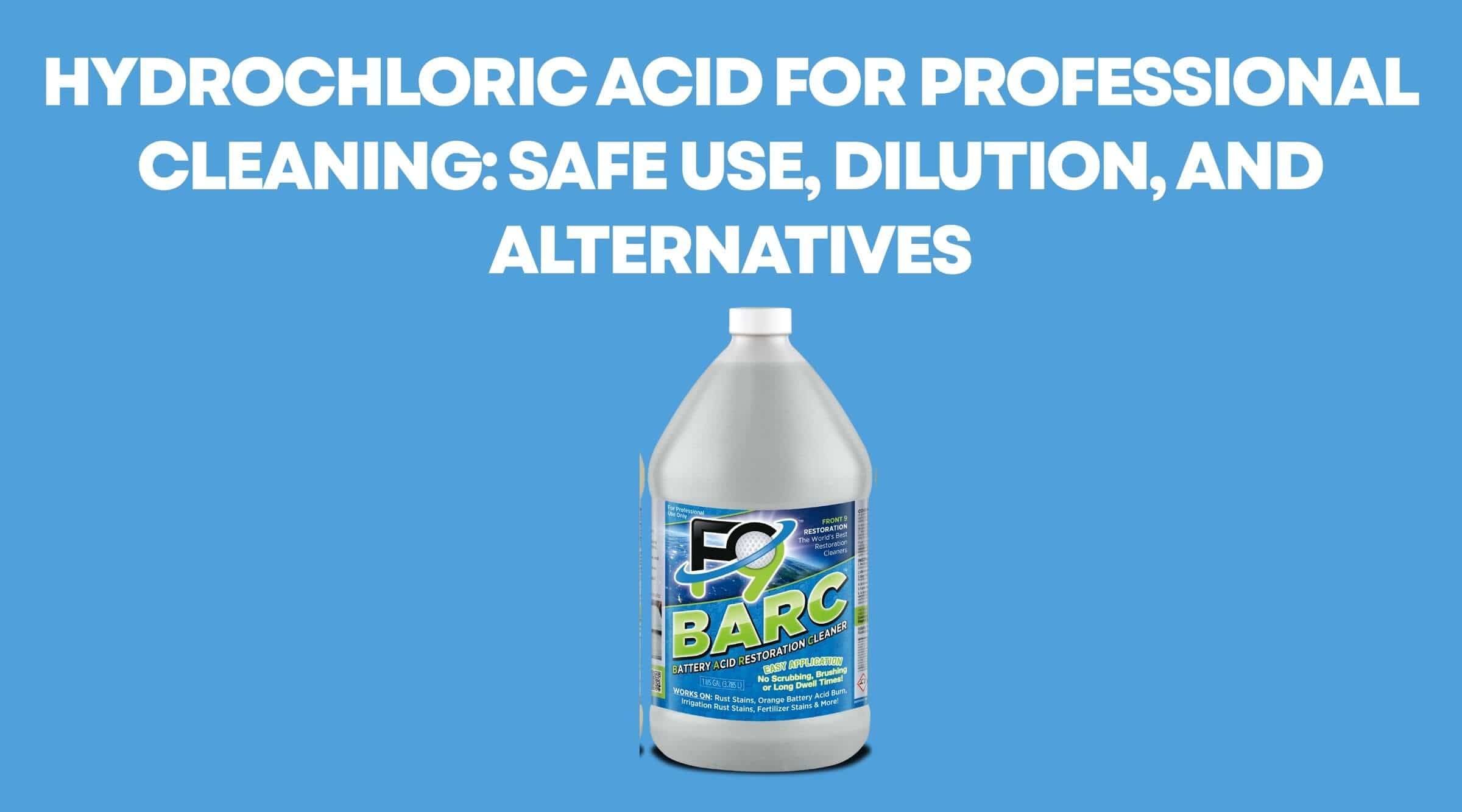
F9 BARC handles rust stains on concrete and masonry without the fuming hazard of muriatic acid. Oxalic acid remains the traditional industry standard for rust removal with lower risk.
General Masonry Cleaning
ProTool Masonry Detergent handles mortar splatter, atmospheric staining, and general masonry soiling. For post-construction cleanup and concrete brightening, EBC Restorer is a low-pH, acid-free option that avoids the risks of mineral acids entirely.
Matching the chemical to the contaminant — not reaching for the strongest acid in the truck — is what separates a professional from a liability. Explore J.Racenstein's full range of professional cleaning chemicals to build a versatile arsenal.
Products Mentioned
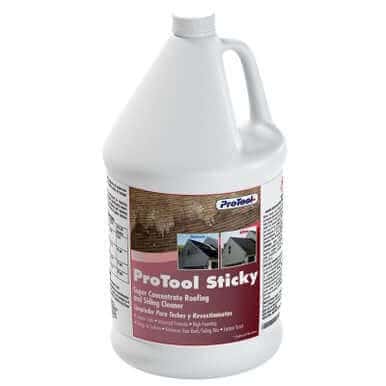 ProTool Sticky SKU: 83-07M | 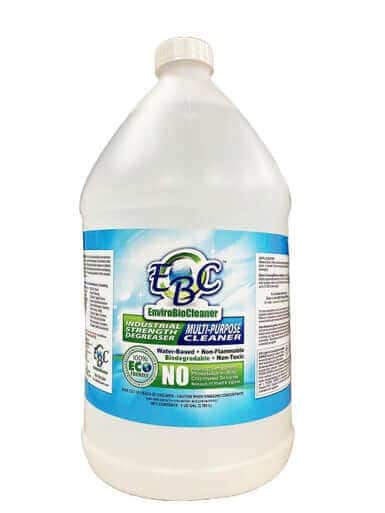 EBC Degreaser, Detergent SKU: 83-81M | 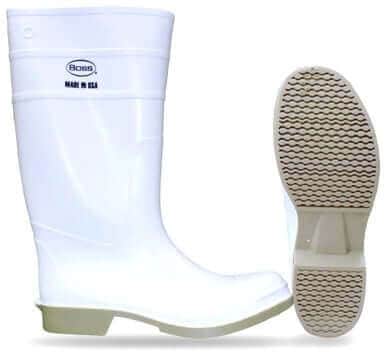 PVC White Boot SKU: 55-7M |
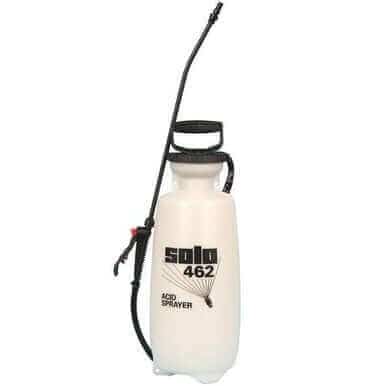 Pump Sprayer 2 Gal Acid Resistant Solo SKU: 515-045 | 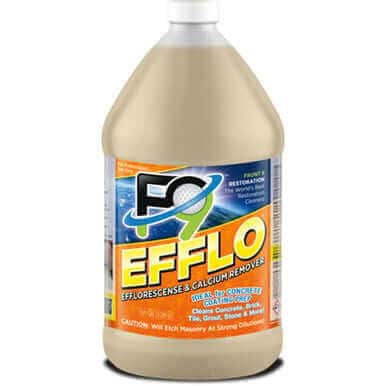 F9 Efflorescence/Calcium Remover Front9 Restoration SKU: 320-62M | 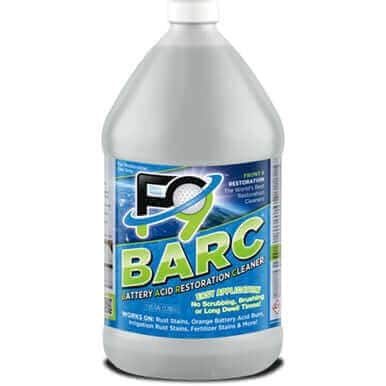 Front9 Restoration Rust Remover F9 B.A.R.C. SKU: 320-61M |
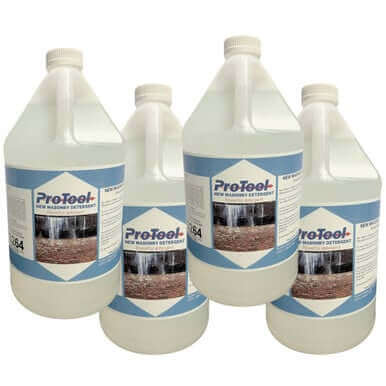 ProTool Masonry Detergent 4 Gallon Case SKU: 89-7584 | 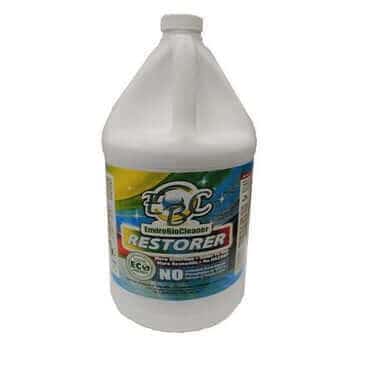 EBC Restorer SKU: 83-82M |