Pressure Washer Wand and Lances: What Pros Actually Need to Know
Table of Contents
Your pressure washer wand is the precision link between pump output and cleaning result. Get it wrong — wrong material, wrong length, wrong rating — and you're fighting the tool instead of cleaning the surface. For contractors running soft wash, flatwork, and commercial exterior jobs, the wand choice shapes daily production, chemical compatibility, and crew safety.
This guide covers the decisions that matter: barrel materials and chemical resistance, length trade-offs for different job types, specialized lances that cut transition time, and maintenance protocols that prevent field failures.
Anatomy of a Professional Pressure Washer Wand
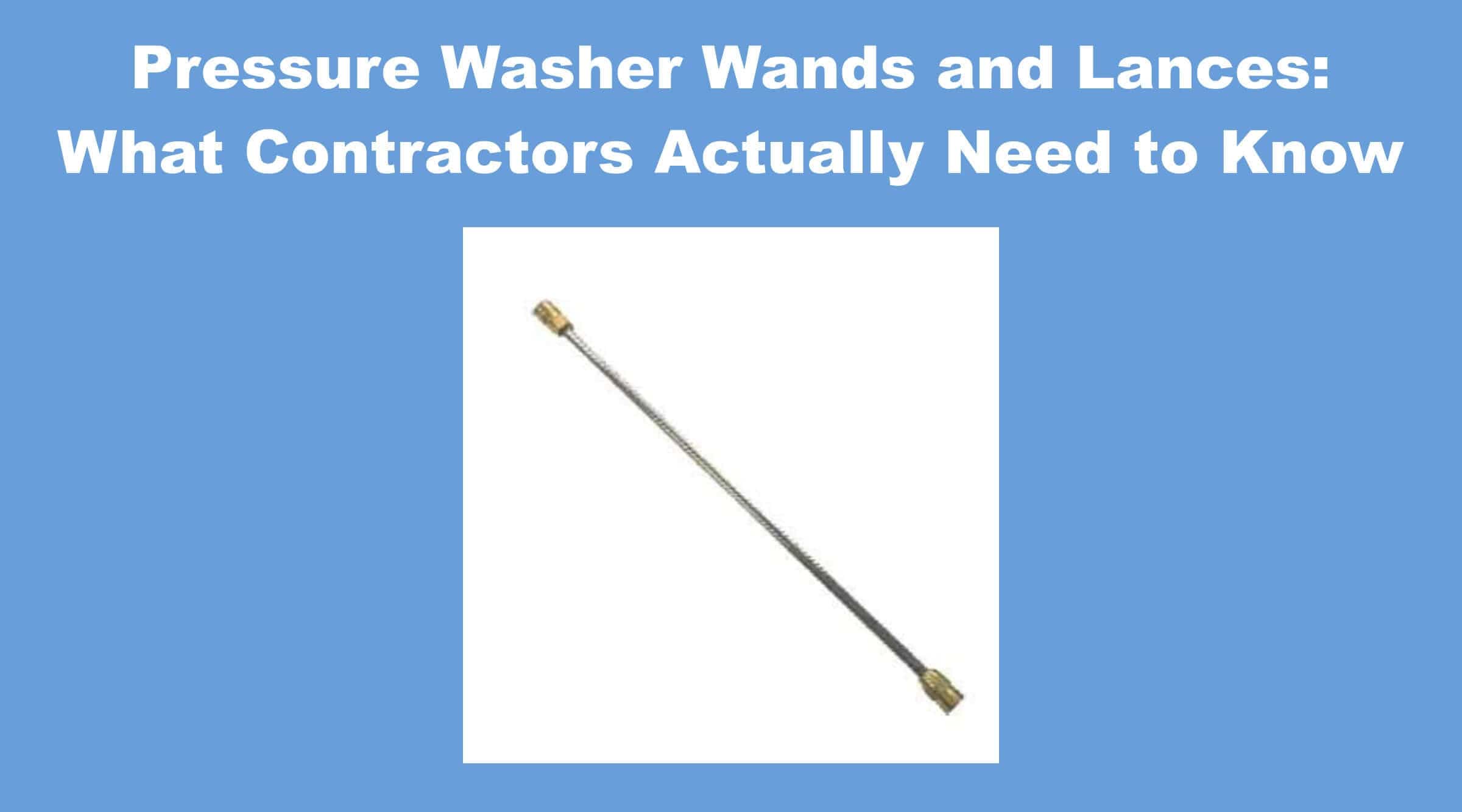
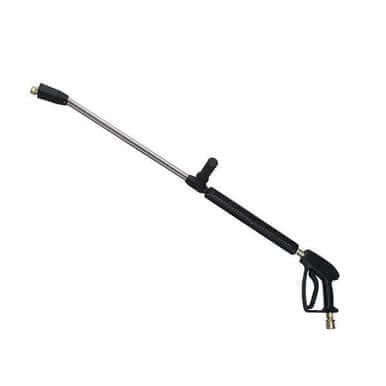
In the trade, "wand" and "lance" get used interchangeably. Technically, the lance is the metal barrel. The wand is the full assembly — barrel, molded grip, thermal insulation, inlet and outlet fittings. Three zones define any professional unit: the inlet connection, the barrel material, and the outlet quick-connect. Each must match your pump specs and the chemicals you're running.
Inlet and Outlet Connections
Professional wands run standard 1/4-inch NPT (National Pipe Thread) connections. That standardization matters — it lets you swap between trigger guns and accessories without adapter headaches. Consumer gear uses plastic or low-grade zinc fittings. Professional rigs need brass or stainless steel threads that hold up to vibration, chemical exposure, and repeated connection cycles.
Leak-free seals under high-vibration conditions (especially gas-powered rigs) depend on quality O-rings and proper torque. Pressure drops from loose fittings kill cleaning efficiency. Quick-connects at the outlet let you swap nozzles or switch to a chemical downstream injector mid-job without shutting down the system.
Pressure and Temperature Ratings
Match your wand ratings to your pump output. Running a 3000 PSI-rated wand on a 4000+ PSI system invites catastrophic failure — burst barrels, projected fittings. Most professional-grade wands handle 4000–5000 PSI, providing the safety margin you need for industrial tasks.
Temperature is the second spec most contractors underestimate. If you're running a hot water pressure washer, you need an insulated wand rated for 300°F. Standard cold-water wands degrade fast under heat — internal corrosion, weakened barrel integrity. And verify that your GPM rating matches the wand's internal diameter. A mismatch creates backpressure that strains the pump.
Material Science: Zinc-Plated vs. Stainless Steel vs. Aluminum
Material selection determines how long a pressure washer wand lasts and what chemicals your rig can safely run. Each option carries real trade-offs.
Zinc-plated steel is the cost-effective standard for general-purpose work — flatwork with water or pH-neutral detergents. The zinc coating provides a sacrificial oxidation barrier, but it's finite. Chemical exposure accelerates the failure.
Stainless steel is the professional-grade choice for durability and chemical resistance. If your business runs sodium hypochlorite (SH) or caustic surfactants, stainless is mandatory — SH strips zinc plating almost immediately, causing internal pitting that disrupts laminar flow and ruins spray pattern precision. The ProTool Stainless Steel Lance handles daily chemical application without internal degradation.
Aluminum fills a niche — valued primarily for its strength-to-weight ratio in telescoping or extended-reach applications, though it lacks the impact resistance of steel.
Corrosion Resistance and Longevity
Chemical exposure is the primary killer of wands. Zinc-plated wands are also vulnerable in high-humidity environments — enclosed trailers, open truck beds with salt air. Even without chemical use, the plating eventually fails, and resulting rust clogs nozzles.
For contractors prioritizing equipment ROI, stainless steel's immunity to rust and chemical degradation justifies the higher initial cost. Browse the full range of ProTool SS lances and zinc-coated lances to match your rig requirements.
Weight and Ergonomics
A 48-inch stainless steel lance is robust, but its mass compounds shoulder and wrist fatigue across an eight-hour shift. Aluminum lances cut assembly weight by 30–50%, though they'll bend under heavy mechanical stress.
The practical decision: for heavy-duty concrete cleaning where the wand points downward or rides a surface cleaner, stainless steel weight is manageable. For siding, overhead work, or prolonged vertical reach, a lighter aluminum or shorter stainless configuration reduces operator exhaustion and keeps spray placement precise.
Selecting the Optimal Wand Length
Length determines leverage, kickback management, and operator control. A longer wand acts as a lever arm — as PSI increases, reactive force gets harder to manage. Wrong length doesn't just slow the job; it increases fatigue and loss-of-control risk.
- Short (12–24 inches): Vehicle detailing, confined industrial spaces, porch ceilings, tight corners.
- Standard (36–48 inches): The primary tool for most residential and commercial contractors. Keeps the operator dry while allowing precise angle of attack.
- Long (60–72+ inches): Reaching high peaks or deep recesses from the ground, eliminating ladder risk.
Flatwork and Concrete
Concrete cleaning demands a consistent angle of attack to avoid zebra stripes. A 36-inch wand is the standard — it lets an average-height operator hold the nozzle at optimal surface distance while standing upright. Too short forces hunching; too long makes it hard to maintain downward pressure on stubborn stains. For heavy flatwork, pair your wand with a surface cleaner to eliminate striping entirely.
Vertical Reach and Siding
Cleaning two-story siding requires balancing reach with impact force. A 72-inch lance provides impressive reach, but spray velocity drops with distance. Make sure the stream still has enough energy to agitate the surface. Taller operators often prefer 48-inch lances for flatwork comfort. Higher GPM increases the physical demand of managing longer wands. Keep a 12-inch wand on the truck for tight spots.
Specialized Lances: Dual Wands, Flex Wands, and Telescoping Poles
For high-volume contractors, a single-tube pressure washer wand isn't always enough. Specialized lances solve specific operational problems — reaching three-story peaks, switching between chemical application and high-pressure rinsing without stopping the pump, cleaning gutters and wheel wells at angles a rigid lance can't reach.
The Dual Lance
The dual lance is a staple for contractors running downstream chemical injectors. Two parallel pipes connect to a single inlet. A side handle operates a diverter valve — turn it to route water through either the high-pressure pipe or the low-pressure pipe. That gives you instant transitions between soap application and high-pressure rinsing with zero nozzle swaps.
The Suttner Dual Lance 38-inch with Knob handles 4000 PSI and is a proven workhorse for soft wash rigs. For operations needing even more durability, the Suttner Dual Lance with Side Handle at 4500 PSI adds extra control under higher pressures. Maintain peak performance by regularly inspecting the internal valve seats and O-rings — grit or chemical crystallization prevents the valve from sealing, causing pressure loss or unintended chemical siphoning.
Telescoping Wand Fundamentals
Telescoping wands reach elevations up to 24 feet while keeping the operator on the ground. Choose between fiberglass (lighter, more flex at extension) and aluminum (heavier, more rigid, better nozzle control at high PSI). The Fiberglass Extension Pole Wand 6–18ft is a common choice for residential vertical work.
Operating a fully extended wand creates massive leverage against the operator's body. Use support belts and pole clamps to distribute weight across the core instead of relying on arms alone. Always maintain a minimum 10-foot clearance from overhead power lines — fiberglass may be non-conductive, but the water stream bridges the gap. Inspect locking collars and the internal high-pressure hose regularly to prevent sudden failure at height.
Maintenance and Component Sourcing
A pressure washer wand absorbs extreme mechanical stress and chemical exposure every hour it's in use. Maintenance is a safety protocol, not just equipment preservation. High-pressure injection injuries often trace back to component failure at threads or along the barrel.
Storage matters. Don't lean long lances against walls — they'll develop a permanent bend. Store horizontally on a supported rack so moisture drains and the barrel stays straight. Flush the system thoroughly after running sodium hypochlorite or caustic detergents. Internal corrosion is a silent equipment killer.
Troubleshooting Common Issues
Leaks at the gun-to-wand connection usually come from worn O-rings or degraded thread sealant. If tightening doesn't fix it, inspect threads for stripping or galling. A sudden pressure drop or distorted spray pattern suggests internal obstruction — remove the nozzle and back-flush with low-pressure water. If the obstruction is internal scaling or rust, the wand's structural integrity is likely compromised.
Retire a wand immediately if you see:
- Visible barrel wall thinning from abrasion or corrosion
- Deep pitting that's compromised the smooth bore
- Hairline cracks around the 1/4-inch NPT fittings or locking collars
- Significant bowing that affects spray accuracy and operator control
Building Your Custom Wand Assembly
Professionals often need hybrid setups. Pairing a high-reach wand with the right quick-connect nozzle tips lets you fine-tune impact force for each job. Upgrading with high-flow stainless steel quick connects improves durability and reduces pressure drop across the system.
For complete gun-wand assemblies ready to bolt on, the ProTool Gun with 36-inch SS Lance, QC, and Swivel gives you an all-stainless setup that handles daily chemical work. Need a dual configuration? The ProTool Dual Lance Assembly 40-inch with SS QC and Swivel covers soap-and-rinse transitions in a single unit.
Sourcing from a trade-specific distributor ensures parts rated for industrial use. Check the full Guns & Wands category or the All Lances selection at J.Racenstein to configure your rig.
Products Mentioned
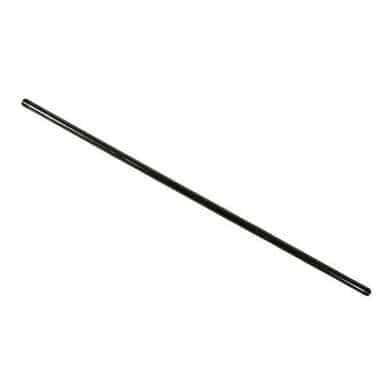 ProTool Lance Stainless Steel Uninsulated SKU: 74-58M | ProTool Lance Stainless Steel Uninsulated SKU: 74-58M | 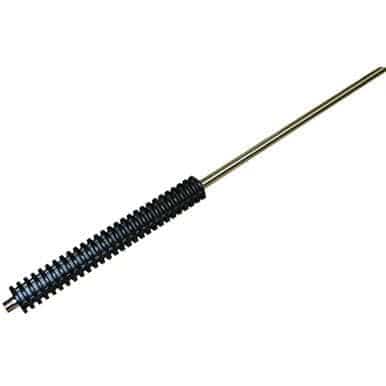 Lance Zinc Coated Steel SKU: 74-5DM |
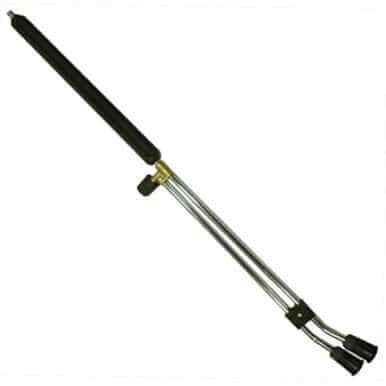 Lance Dual 38in w/Knob 4000psi Suttner SKU: 74-5320 | 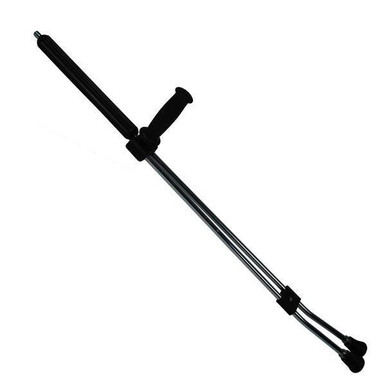 Lance Dual 38in Suttner with Side Handle 4500psi SKU: 74-5321 | 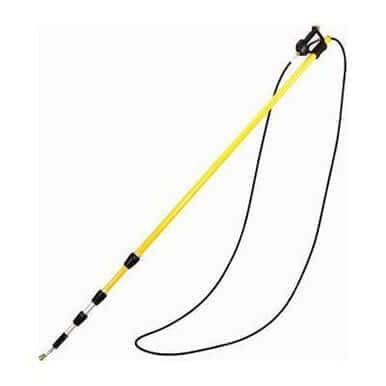 Extension Pole Wand FG 6ft-18ft 200deg 3 SKU: 74-5371 |
 Belt Support for Pole and Pole Clamp SKU: 74-5375 | 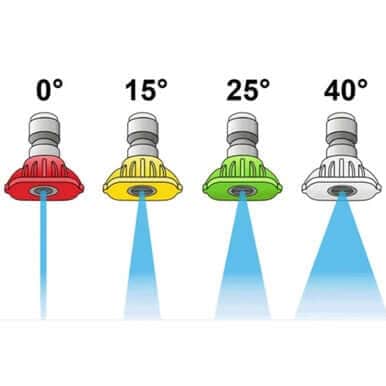 Nozzle Tip Quick Connect Pressure Washer 1/4in Plug SKU: 74-50M | 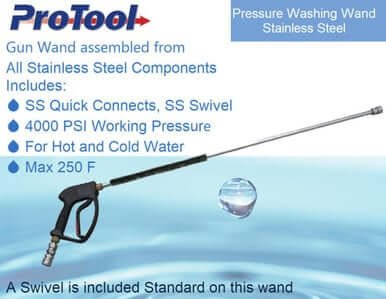 ProTool Gun with 36in SS Lance, SS Quick Connects and SS Swivel SKU: 74-5116 |
 ProTool Gun Dual Lance Assy 40in w-SS QC &Swivel SKU: 74-5119 |