How to Remove Artillery Fungus from Siding: Professional Protocol
Table of Contents
High-pressure washing is the fastest way to gouge vinyl siding while leaving artillery fungus completely intact. Those tar-like black spots are spore masses physically fused to the surface — no amount of PSI breaks the bond without destroying the substrate first. Knowing how to remove artillery fungus from siding means understanding that this is a mechanical and chemical problem, not a pressure problem.
This guide covers the exact removal protocol: chemical softening with high-cling surfactants, targeted scraping with the right blade for the substrate, low-pressure rinse, and the mulch management strategies that keep the fungus from returning next season.
What Artillery Fungus Actually Is — and Why It Won't Wash Off
Sphaerobolus stellatus launches sticky spore masses up to 20 feet from decomposing hardwood mulch. Each spore is encased in gleba, a biological adhesive that bonds to surfaces almost on contact and hardens over time into something approaching industrial superglue. The fungus is phototropic — it targets light-colored, reflective surfaces — which is why white and beige vinyl siding catches the worst of it.
These aren't surface stains. They're raised, hard, spherical dots that feel like sandpaper. Standard house-wash surfactants won't dissolve them. SH kills the organism but doesn't touch the adhesive shell. That distinction matters: if you can't break the bond, the surface stays dirty regardless of what chemistry you throw at it.
Don't confuse artillery fungus with fly speck. Fly speck is flatter, smaller, and dissolves with a standard downstream mix. If you need a scraper to move it, it's artillery fungus.
Why Fresh Spores Are Easier
Freshly landed spores haven't fully cured. The gleba is still pliable, and a surfactant soak followed by light scraping removes them cleanly. Once UV exposure bakes the adhesive into the siding finish — sometimes within weeks — mechanical removal gets aggressive enough to risk permanent ghosting or surface damage. Early intervention is the single biggest factor in clean results.
Why High Pressure Makes It Worse
The fungus is harder than the siding. Cranking PSI to dislodge it strips the oxidation layer on older vinyl (leaving wand marks worse than the original spots), shreds the factory texture into irreversible "fuzzing," and drives water behind panels into the wall cavity. On painted wood or fiber cement, you strip the finish and expose raw material to weather.
None of this removes the fungus. You just trade black dots for permanent substrate damage. There is no pressure setting that selectively removes a bonded spore without affecting the material underneath it.
The Professional Removal Protocol
Successful removal is a three-phase hybrid process: chemical softening, mechanical agitation, then sanitizing rinse. Skip a phase and you either leave spores behind or damage the surface.
Phase 1: Chemical Softening
Apply a professional exterior detergent mixed with a high-cling surfactant and let it dwell 10–15 minutes. The surfactant keeps the chemistry on the vertical surface long enough to penetrate the waxy gleba coating — standard soaps sheet off before they do any work. Keep the surface wet the entire time. If the solution dries on vinyl, you get chemical streaks that are their own remediation problem.
A soft wash system is the right delivery method here — low pressure, controlled volume, no risk of water intrusion. Apply with a downstream injector or a ProTool 12V soft wash skid if you're running dedicated soft wash rigs.
Phase 2: Mechanical Agitation
After the dwell, do a thumbnail test: press your nail into a spore. If it compresses or slides, the adhesive is softened and you're ready to scrape.
Match the tool to the substrate:
- Smooth vinyl: Plastic razor blade at a 15-degree angle. Lifts the spore mass without scratching. Work small sections to control blade angle.
- Glass or metal: A Triumph MK2 6-inch scraper or Ettore HD 6-inch scraper with a stainless steel blade. On glass specifically, 0000 steel wool removes fungus without scratching the pane.
- Textured vinyl or painted wood: A white non-scratch abrasive pad conforms to the texture and provides friction without stripping factory finish or paint.
Phase 3: Rinse and Sanitize
Low-pressure, high-volume rinse to clear all loosened debris. Follow with a 2–3% SH application as a fungicidal kill step — this neutralizes any microscopic spores left in the substrate that could seed future growth. Pre-wet surrounding vegetation before applying SH, and rinse plants after.
Expect ghosting. Where spores sat for years, a faint brown shadow often remains even after perfect technique. Document the result alongside your process. Showing the client the before/after with an honest explanation of ghosting manages expectations and protects your reputation.
Equipment That Actually Works
Generic household tools waste labor hours. The difference between a clean release and a scarred panel is the right scraper at the right angle on the right substrate.
- Professional scrapers: Triumph and Ettore scrapers provide the rigidity needed for glass and metal without blade chatter. The JBF Handy 3-inch scraper works well for tight spots around trim.
- Plastic razor blades: Mandatory for vinyl. Enough edge to lift a softened spore, soft enough to leave the plastic intact.
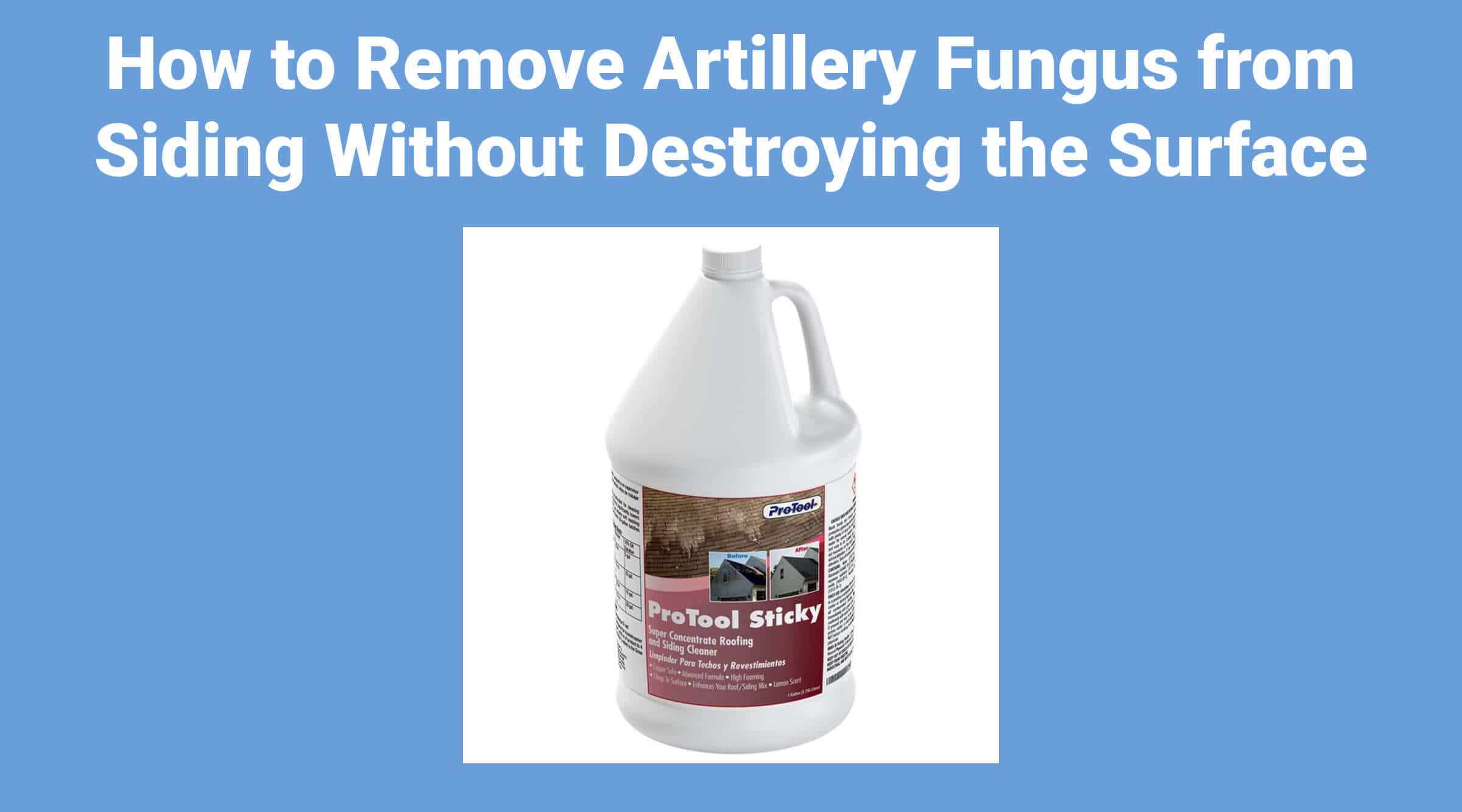
- High-cling surfactants: ProTool Sticky is purpose-built for vertical dwell time. It keeps chemistry on the wall instead of running down the siding before the adhesive softens.
- Soft wash delivery: A ProTool BPX25 soft wash skid or a ViPower electric sprayer applies chemistry at the right concentration without the water intrusion risk of a pressure wand.
Preventing Recurrence: The Mulch Problem
If the organic mulch stays, the fungus comes back. Shredded hardwood mulch is the incubator — it holds moisture, decomposes fast, and triggers spore discharge in the 50–68°F temperature window every spring and fall. Removing the existing mulch within three feet of the foundation creates a buffer zone spores can't easily cross.
Replacement options by effectiveness:
- Inorganic ground cover (stone, gravel, rubber mulch): 100% effective. No organic food source means no fungus. This is the permanent fix.
- Cedar or cypress mulch: Naturally resistant to fungal colonization. Not immune, but dramatically better than hardwood.
- Large pine bark nuggets: Drain and dry faster than shredded products, which disrupts the moisture cycle the fungus needs.
- Annual top-dressing: If the client insists on wood mulch, a fresh 2-inch layer each year buries existing spores and blocks the phototropic firing mechanism.
Improving air circulation and sunlight exposure to remaining mulch beds accelerates drying and reduces discharge events. Ground-cover plants in place of open mulch minimize exposed surface area.
Build the Recurring Revenue
Annual soft-wash inspections catch fresh spores before the adhesive fully cures — the difference between a 30-minute touch-up and a full-day scraping project. Offer mulch-management consulting as a value-add. Position yourself as the complete exterior maintenance solution, not just the crew that shows up with a wand.
Stock the right scrapers, abrasive pads, and surfactants so you can resolve biological issues on-site without a return trip. That inventory discipline is what separates profitable remediation work from labor-burning callbacks.
Products Mentioned
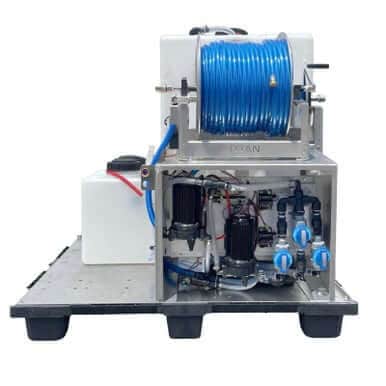 ProTool Soft Wash Skid 12V SKU: 150-047M | 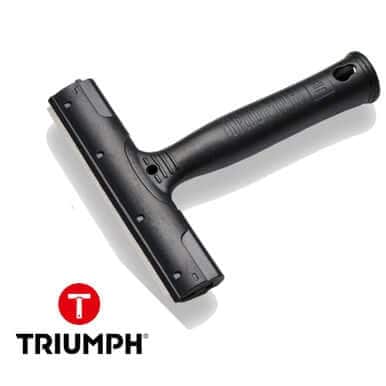 Scraper Straight Triumph MK2 6in SKU: 35-31 | 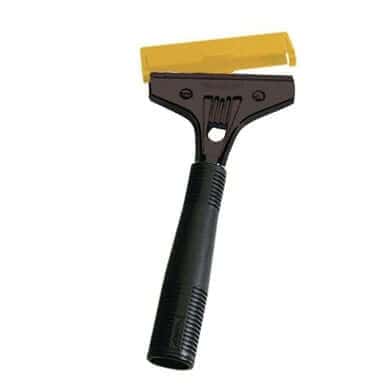 Scraper HD 06in Ettore SKU: 35-13 |
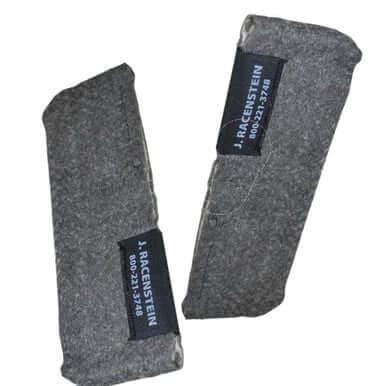 Pro Sleeve Steel Wool SKU: 11-07M | 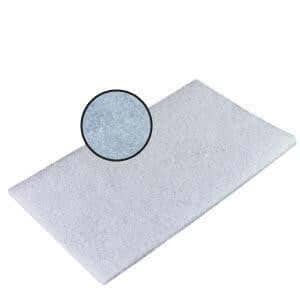 ProTool Pad Scrub White 6x9 (1) SKU: 26-10 | 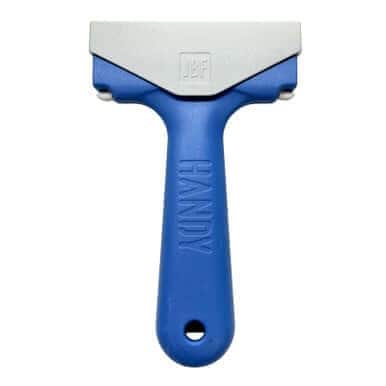 Scraper Handy 03in SKU: 35-35 |
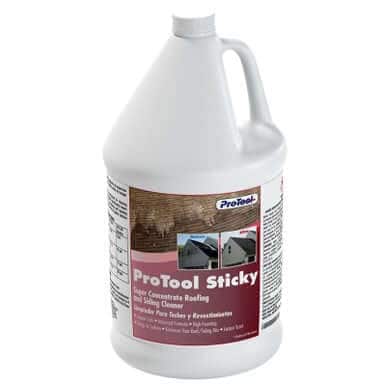 ProTool Sticky SKU: 83-07M | 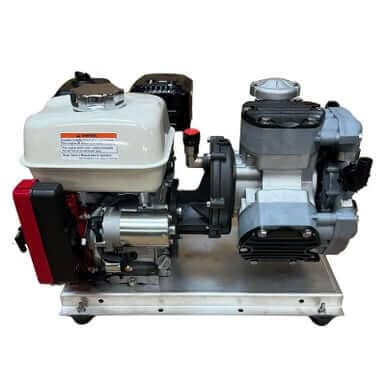 BPX25 - P40 Soft Wash Sprayer Skid SKU: 150-0432M | 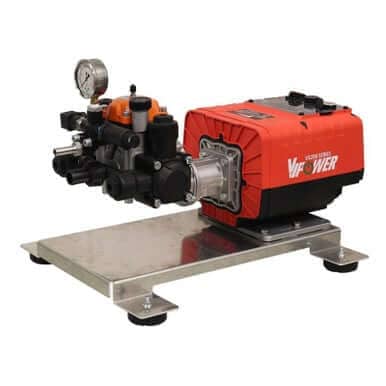 ViPower Electric Soft Wash Sprayer SKU: 150-0433M |