Soft Wash System Maintenance Checklist for Professional Contractors

Table of Contents
Sodium hypochlorite destroys soft wash equipment that isn't maintained. A soft wash system maintenance checklist isn't optional housekeeping — it's the protocol that determines whether your diaphragm pump lasts three seasons or three months. SH crystallizes inside idle lines, scores ceramic plungers, tears through Viton seals, and pits metal manifolds. The cost of preventing that damage is a few gallons of neutralizer and fifteen minutes at the end of each day. The cost of ignoring it is a mid-job pump failure on a commercial route worth thousands.
This guide covers the daily, weekly, monthly, and seasonal maintenance steps that keep professional soft wash rigs reliable — from the chemical neutralization flush to accumulator pressure checks to winterization with propylene glycol. If you're running a soft wash system built around a Comet P40, a ViPower electric sprayer, or any 12V skid setup, this is the maintenance standard your equipment demands.
Why Standard Pressure Washing Maintenance Doesn't Apply
Pressure washing relies on mechanical force. Soft washing relies on chemical force — and that chemical is an aggressive oxidizer. The distinction matters because a simple water rinse, adequate for a pressure washer pump, leaves residual SH salt inside a soft wash system. Those salts crystallize, act as an abrasive, and begin degrading seals and plungers within hours of shutdown.
The pH of your mix dictates hardware lifespan. Stainless steel components resist well, but brass fittings in budget assemblies corrode fast under high-strength SH exposure. Professional-grade neutralizers — not just water — are required to fully stabilize the internal environment and prevent pitting.
Maintenance requirements also vary by power source. A 12V electric system needs battery and terminal protection. Gas-powered skids need engine-specific care alongside pump neutralization. Each architecture has its failure mode, and the soft wash system maintenance checklist below addresses all of them.
The Daily Soft Wash Maintenance Checklist
Daily maintenance is your primary defense. Every technician should treat the end-of-day routine as a non-negotiable SOP — skipping it for even one night lets residual SH begin its work on seals and valves.
The Three-Step System Flush
This is the single most important habit for equipment longevity:
- Switch the draw. Rotate your metering manifold valves from the chemical tank to a fresh water source.
- Run clear. Operate the pump at moderate flow until the discharge from the gun loses all bleach odor and runs completely clear.
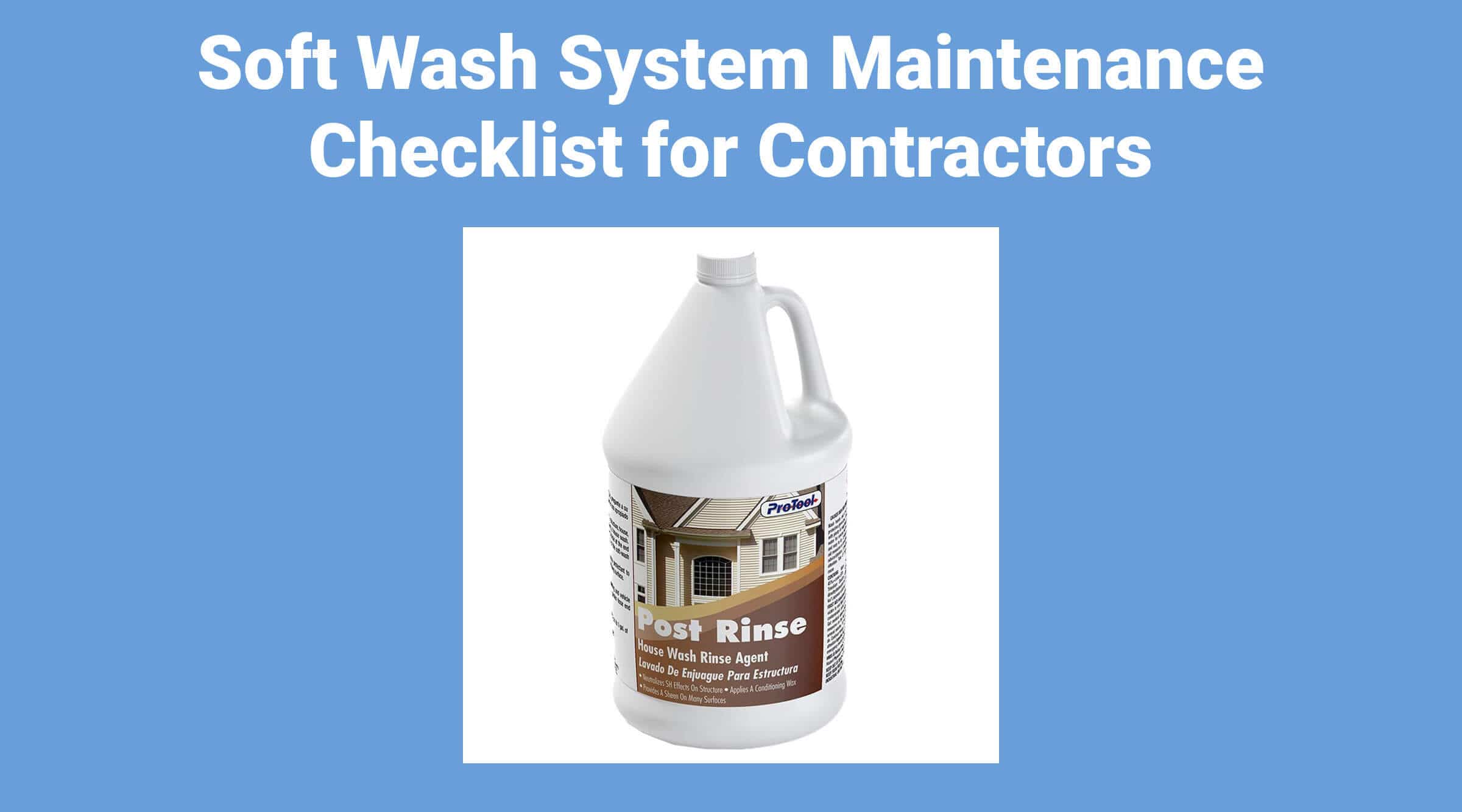
- Neutralize. Draw a chemical neutralizer (such as ProTool Post Rinse) through the system for the final 60 seconds of the flush to stabilize internal pH.
A water-only flush leaves microscopic residue behind. The neutralizer step is what actually prevents internal pitting during overnight dormancy, especially inside expensive diaphragm pump components.
Daily Hardware Inspection
Visual inspections catch small problems before they stop a job:
- Pump head: Look for "weeping" — small amounts of fluid escaping from the manifold or seals. That's impending seal failure. Address it before chemical spray reaches the motor.
- Hose reels and swivels: Check for proper tension and leaks. A leaking swivel wastes chemical and creates a slip hazard on the truck bed.
- 12V terminals: Green or white oxidation on wires means a poor connection that drops voltage and overheats your pump motor.
- Suction strainers: A clogged filter causes pump cavitation — the kind that destroys a pump in minutes.
- Nozzles and tips: SH erodes orifices over time. Pattern distortion means inaccurate chemical application and wasted product. Replace worn soft wash tips promptly.
This entire inspection takes less than fifteen minutes. It saves thousands in emergency repairs.
Weekly and Monthly Component Deep Dives
The daily flush handles bulk chemistry. Weekly and monthly audits preserve internal precision — the kind of drift in chemical ratios that quietly erodes profit margins through wasted SH or ineffective cleaning results.
Weekly: Metering Valve Calibration
Perform a bucket test. Draw from your water, SH, and surfactant tanks for a set duration and measure the volume depleted from each. If the ratios don't match your metering plate dial settings, you likely have a clogged check valve or a metering valve that needs recalibration. Disassemble the manifold at least once a month, clean the internal check valves, and lubricate all O-rings with chemical-resistant grease. This prevents "cross-talk" — SH backflowing into your water or surfactant tanks.
Monthly: Hose, Electrical, and Accumulator Audit
- Hose integrity: Run the full length of every chemical-resistant hose. Check for soft spots, pinholes, and UV-induced cracking.
- Electrical systems: Inspect fuse health and terminal cleanliness. Soft wash environments are humid and corrosive; even sealed connections develop high resistance over time, forcing the pump motor to work harder and generate excess heat.
- Accumulator tank pressure: If your pump cycles rapidly, the accumulator bladder may have lost its charge. Use a tire pressure gauge and set the tank to approximately 2–3 PSI below your pump's pressure switch cut-in setting. This single adjustment reduces mechanical wear on the diaphragm and extends pressure switch life.
Pump and Motor Care by Power Source
Your maintenance routine must match your power source:
- 12V electric: Inspect wiring near the motor for heat-induced fatigue or brittle insulation. Use a breaker switch to protect against overcurrent.
- Gas-powered (e.g., Comet P40): Follow strict oil change intervals. Inspect the spark plug for carbon buildup. Check Comet repair parts availability so you're never waiting on a backordered component.
- Air-powered (AODD): Check air regulators and moisture traps daily. Water in the airline is the primary cause of internal icing and valve failure in pneumatic pumps.
Off-Season Storage and Winterization
Winterization is the most consequential entry on the soft wash system maintenance checklist. A single overnight frost can crack a manifold or pump head. Beyond freeze damage, long-term storage concentrates any remaining chemical residue as it dries, causing internal pitting and making Viton seals brittle enough to fail on the first spring startup.
Step-by-Step Winterization Process
- Flush and neutralize: Run a heavy-duty neutralizer through the entire system — pump, hoses, reels, gun — to remove all SH and stabilize internal pH.
- Circulate antifreeze: Draw non-toxic propylene glycol (RV antifreeze — never automotive antifreeze) into the pump and circulate through all lines until the fluid exiting the nozzle is solid-colored.
- Relieve pressure: Open the trigger gun briefly after the pump is off, then close all valves to prevent air intrusion and moisture buildup.
- Battery storage (12V systems): Remove the battery and store it on a maintainer in a temperature-controlled space to prevent deep discharge and plate sulfation.
Spring Startup Procedure
Flush the antifreeze with fresh water into a collection bucket. Then run a comprehensive leak test with water only — this identifies dried-out seals and loosened fittings without risking a bleach spill. Finally, re-calibrate your proportioners and metering valves. Seals and springs take a set during dormancy; verify your mix ratios before the first job of the season.
Building a "Job-Saver" Spare Parts Kit
A single leaking fitting or failed check valve shouldn't force you to reschedule a commercial route. Every professional truck should carry a field-repair kit stocked with:
- Check valves and manifold O-rings for your specific proportioner model
- Assorted stainless steel soft wash nozzles to replace worn or clogged units
- Professional-grade Teflon tape and thread sealants (hardware store tape doesn't hold under constant vibration)
- A backup 12V demand pump for immediate swap-outs — a pre-wired spare turns a day-ending failure into a 15-minute field swap
- Spare hose clamps and O-rings
Source OEM or OEM-equivalent parts. Generic components often lack the Viton or chemical-resistant materials required to handle 12.5% SH. You can find the full range of pump parts and accessories and soft wash replacement components in the J.Racenstein catalog.
When to Upgrade from a DIY Build to a Professional Skid
DIY soft wash builds work until they don't. As job volume scales, the time spent troubleshooting custom plumbing and sourcing one-off fittings overtakes any savings on the initial build. Professional skid-mounted systems — like the ProTool BPX25 Soft Wash Skid or the ViPower Electric Sprayer — offer integrated plumbing, standardized parts, and a smaller footprint. They're designed for heavy-duty commercial use and easier to maintain because every component has a known part number.
The right time to upgrade is when downtime costs more than the equipment. If you're running commercial routes, HOA contracts, or multi-day roof cleaning jobs, a purpose-built skid pays for itself in reliability alone. Browse the full lineup of soft wash skids to compare configurations.
Products Mentioned
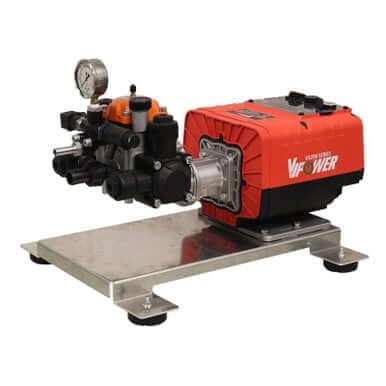 ViPower Electric Soft Wash Sprayer SKU: 150-0433M | 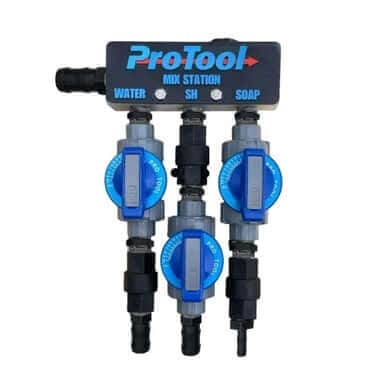 Soft Wash Metering Block SKU: 150-0454M | 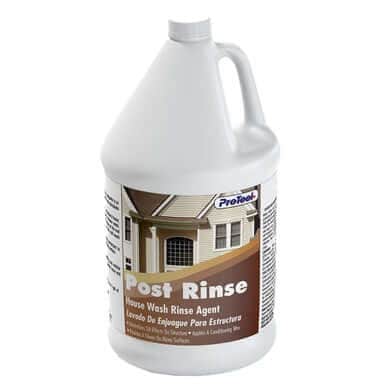 ProTool Post Rinse SKU: 83-03M |
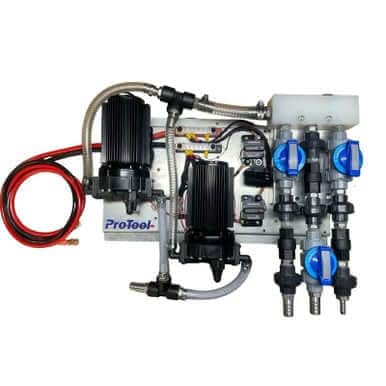 ProTool Soft Wash Metering Plates SKU: 150-045M | 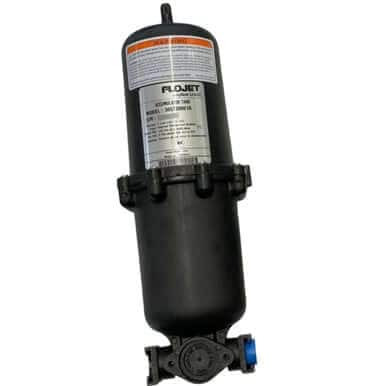 Accumulator Tank FloJet 33oz Capacity SKU: 150-5462 | 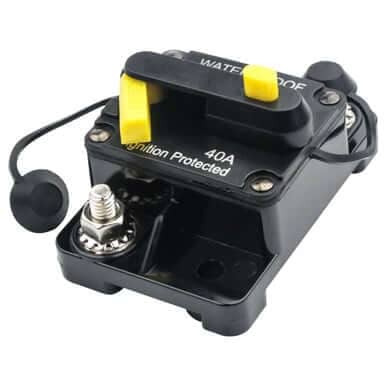 ProTool Breaker Switch 40amp 12v SKU: 150-751 |
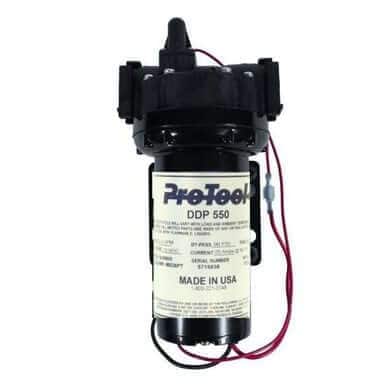 ProTool Pump 90psi 5.0gpm Demand Switch Spraying SKU: 150-0857 | 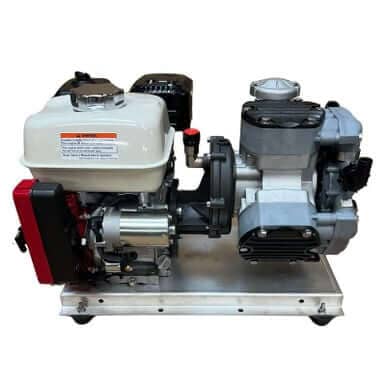 BPX25 - P40 Soft Wash Sprayer Skid SKU: 150-0432M |