DOT Rules for Hauling Cleaning Chemicals: What Contractors Need to Know

Table of Contents
Two cleaning chemicals used for the same job can require completely different transport steps. DOT rules for hauling cleaning chemicals follow the specific product and shipment — not the marketing name on the jug. That means a sodium hypochlorite blend and an acid-based restoration cleaner sitting on the same truck may each demand separate classification, packaging, and paperwork.
Most exterior cleaning contractors haul chemicals daily without thinking twice. The ones who get it wrong find out during a roadside inspection or after an incident — and the fines start at $500 per violation, per day. This guide walks through how to determine whether a cleaning chemical is DOT-regulated, what to verify before transport, and how to build a repeatable process that keeps your trucks compliant.
Classification Comes First — Not Assumptions
The DOT rules for hauling cleaning chemicals begin with one question: is this specific product, in this specific quantity and packaging, a regulated hazardous material under 49 CFR Parts 171–180? The answer depends on the chemical's identity and properties, not its product category.
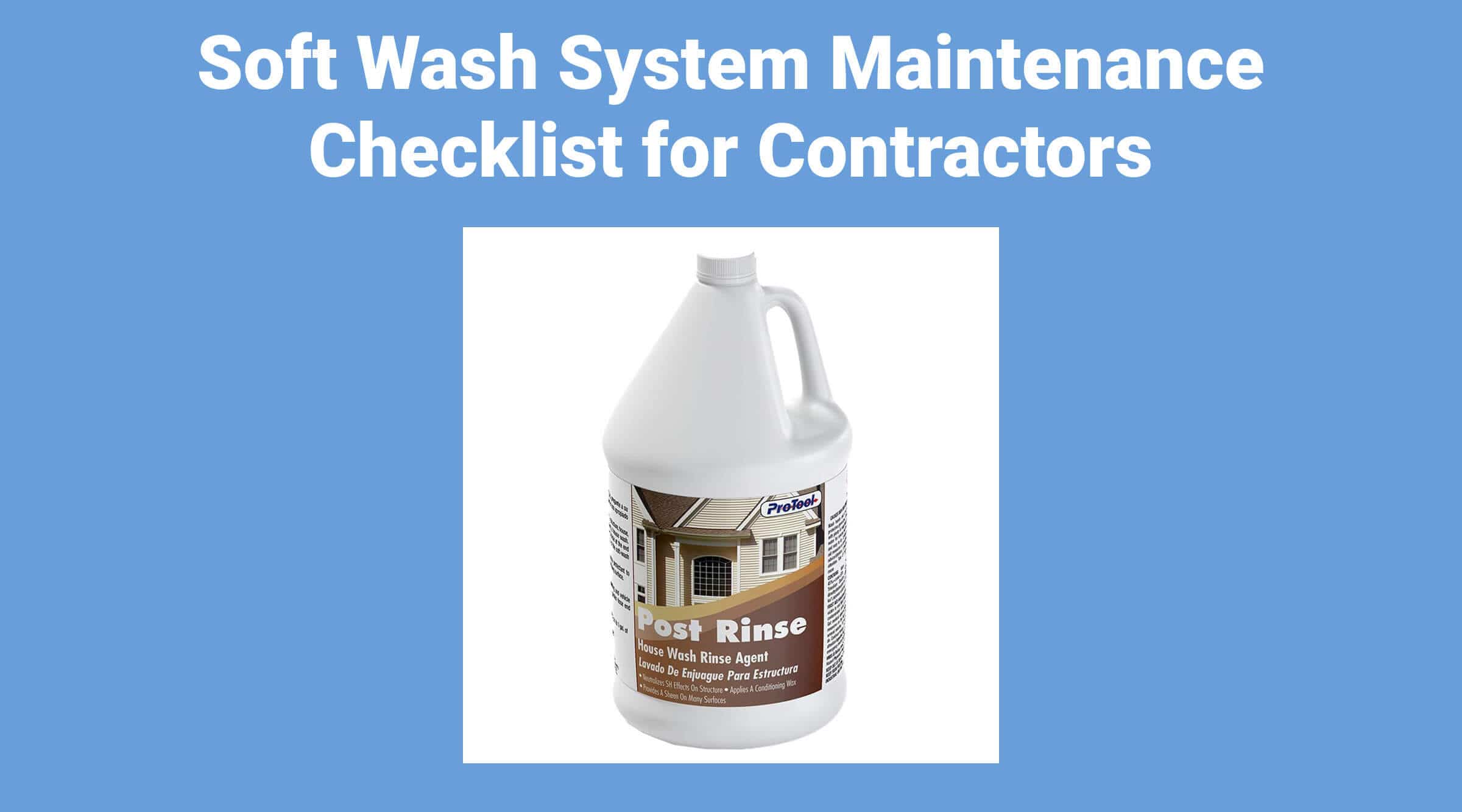
Sodium hypochlorite at 12.5% concentration is a different animal from a diluted house wash. A surfactant like Post Rinse ships differently from a concentrated acid like F9 BARC. Even similarly named products from different manufacturers can have different formulations — and different DOT classifications.
The Pipeline and Hazardous Materials Safety Administration (PHMSA), the DOT agency that administers the Hazardous Materials Regulations (HMR), makes the distinction clear: classification is product-specific and shipment-specific. A workplace hazard label or GHS pictogram tells your crew about on-site risks. It does not settle how the product ships.
Why you cannot borrow one product's classification for another
Formulations vary in ingredients, concentration, and pH. A 12.5% sodium hypochlorite product is typically Class 8 (corrosive) with a UN number. A ready-to-use bleach cleaner at 3% may not be regulated at all. Applying the first product's shipping papers to the second — or worse, assuming the second needs nothing because the first "is basically the same thing" — creates liability either way.
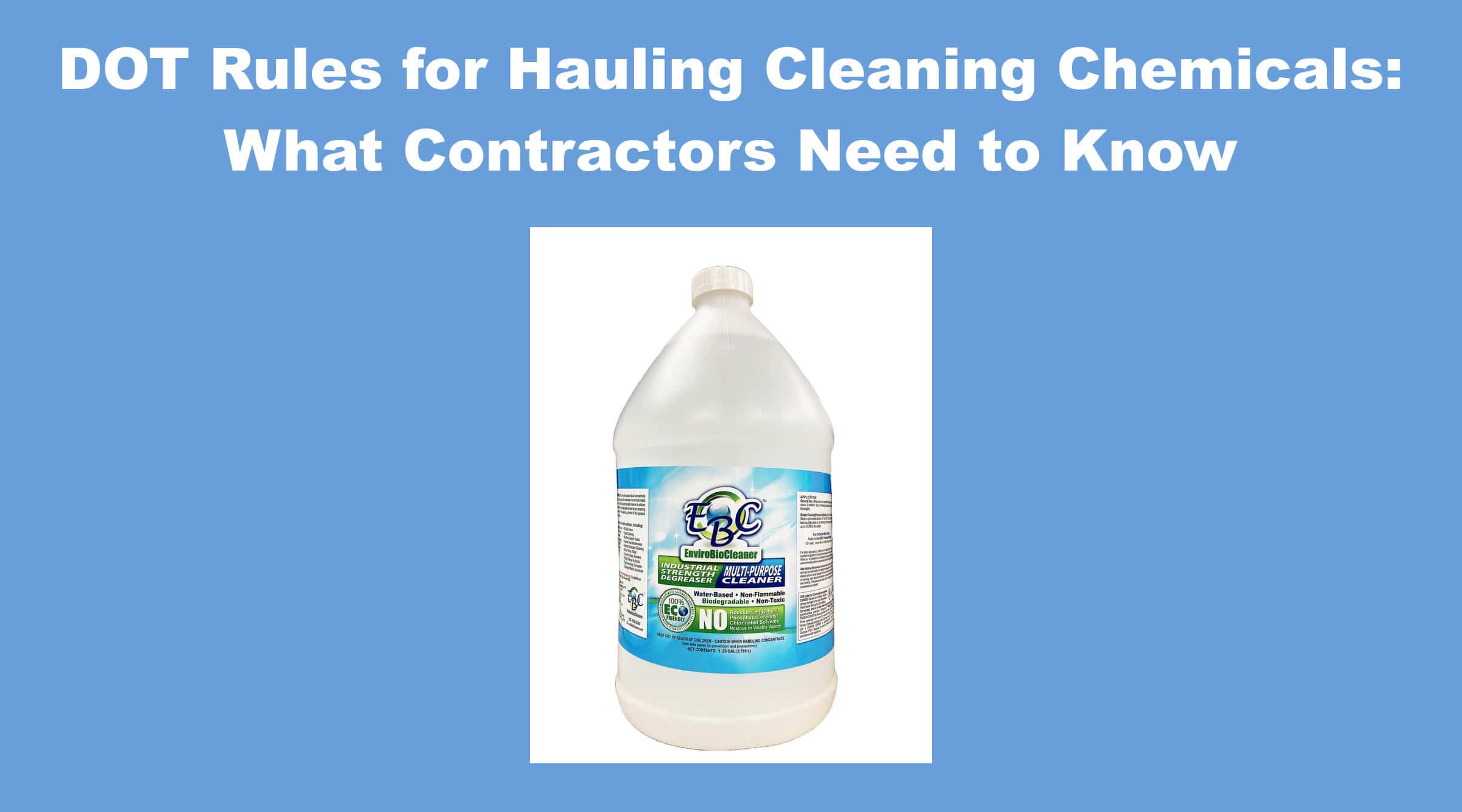
The same logic applies across your chemical inventory. EBC Degreaser, F9 GroundsKeeper, and soft wash concentrates each need individual classification. Do not group them by product category.
How to Classify a Cleaning Chemical Before It Goes on the Truck
A documented, product-specific process keeps you defensible. Here is the sequence:
- Match the exact product. Record the product identifier and manufacturer. Confirm the label on the container matches the current Safety Data Sheet (SDS) and any manufacturer shipping documentation. If the container is unidentified or the documents conflict, stop. Do not load it.
- Review SDS Section 14. This is the transport-information section. It typically lists the UN number, proper shipping name, hazard class, packing group, and any special provisions. But Section 14 has limits — it may be incomplete, outdated, or qualified with disclaimers. Treat it as a starting point, not a final answer.
- Verify against current 49 CFR. Cross-reference the SDS data with the applicable entries in the Hazardous Materials Table (49 CFR 172.101) and classification rules. Do not assign a UN number, hazard class, or packing group without product-specific support.
When the SDS is not enough
Pause if the SDS is missing transport details, shows an old revision date, or conflicts with other shipping documents. Do not fill gaps by borrowing information from a similar product. Record the discrepancy and resolve it through the manufacturer or authoritative PHMSA references before relying on a classification.
Uncertainty also arises when a product's concentration changes between batches, or when packaging and quantity affect whether an exemption applies. A hazard pictogram or common product name does not establish DOT transport status by itself.
What DOT Controls Apply After Classification
Once classification is verified, identify which shipping controls the shipment triggers. Not every regulated load requires every control. The DOT rules for hauling cleaning chemicals include packaging, marking, labeling, shipping papers, placarding, and training — each with its own requirements, conditions, and possible exceptions.
| Control | What to Verify |
|---|---|
| Packaging | Container is authorized for the classified material under applicable 49 CFR packaging sections. A container that held the product at purchase is not proof it meets transport requirements. |
| Package marks | Required markings are present, legible, and correct for the classification. Check proper shipping name, UN number, and orientation arrows where required. |
| Hazard labels | Diamond-shaped hazard labels match the verified classification. A mark does not replace a label. |
| Shipping papers | Required description (proper shipping name, hazard class, UN number, packing group, quantity) matches current rules and the actual load. Do not reuse paperwork from a different product or shipment. |
| Placards | Placarding depends on classification, packaging type, and aggregate quantity. Review applicable thresholds and exceptions — a chemical's presence alone does not trigger placarding. |
| Employee training | Personnel performing hazmat transportation functions meet 49 CFR 172 Subpart H training requirements. Must be repeated every three years; new employees trained within 90 days. General safety instruction is not hazmat training. |
Packaging, marks, and labels are separate checks
Packaging authorization follows the material's classification and the applicable packaging provisions in 49 CFR Part 173. Do not assume a container is acceptable because it holds the product securely or because you used the same container last time.
Marks and hazard labels are independent requirements. Verify each: a required mark does not replace a required hazard label, and a label does not mean all marking requirements are met.
Placarding and training
Placarding is not determined by the mere presence of a cleaning chemical. Review the applicable rules alongside the classification, packaging, and aggregate load. Training obligations depend on the work performed and the regulatory definitions that apply — not on informal job titles.
Pre-Trip Workflow: Before Chemicals Go on the Vehicle
A consistent pre-trip process connects verified classification to actual load controls. Keep the classification review separate from driver, vehicle, and carrier readiness.
Before loading
- Match each container to current records. Confirm the product identifier against the label and current manufacturer documentation. Unidentified container or conflicting documents = do not load.
- Confirm the transport determination. Review against current 49 CFR. Do not infer status from a familiar product name or a previous shipment of a similar cleaner.
- Prepare shipping information. Where required, verify the description and details against current rules and the shipment's documented classification.
- Inspect packages and communication. Check packaging condition, then verify required marks and hazard labels against the classification.
Before departure
- Confirm required shipping papers are present and consistent with the load.
- Check whether placards apply and verify they are present and correct.
- Confirm relevant personnel meet applicable hazmat training requirements.
- Review vehicle and load security under your operational procedures — separate from chemical classification.
If product identity or records remain unclear at any step, hold the load. The DOT rules for hauling cleaning chemicals depend on verified classification and shipment circumstances, not on schedule pressure.
Build a Repeatable Chemical-Hauling Process
Treat each chemical product as its own record. Record the verified transport classification, the source references that support it, and the date of verification. This makes the reasoning accessible when the product is reordered, when a formulation changes, or when an inspector asks why you classified it that way.
Keep records current
Before each shipment, compare the record with the product and packaging in front of you. Update when the manufacturer changes a formulation, concentration, product identifier, or packaging — or when relevant regulatory provisions change. A familiar product name is not proof that an older record still applies.
Consistent document checks surface common errors: paperwork tied to a different product, outdated SDS, or load details that do not match what is being dispatched. If an identifier is missing or records conflict, pause and resolve before loading.
Transport compliance and jobsite readiness are separate responsibilities
DOT compliance governs how chemicals get to the job. Fall protection equipment, pressure washing systems, and soft wash equipment govern how the work gets done once you arrive. Keep the responsibilities distinct — a safe-work measure is not a regulatory transport control, and a shipping paper is not a jobsite safety plan.
For contractors hauling professional cleaning chemicals to exterior jobs, the discipline is the same either way: verify the specific product, check the applicable requirements, document what you find, and do not let assumptions substitute for the review.
Products Mentioned
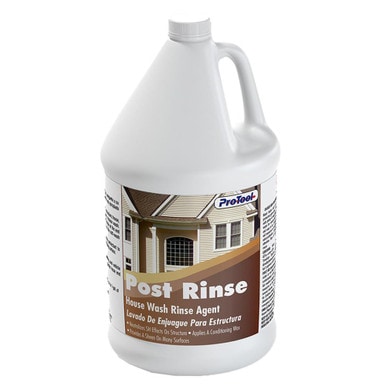 ProTool Post Rinse SKU: 83-03M | 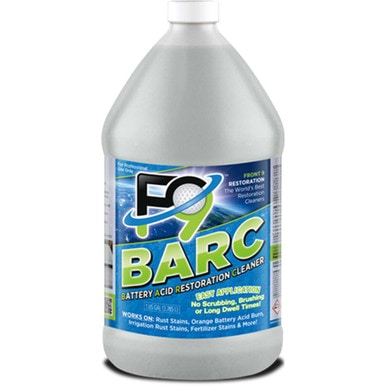 Front9 Restoration Rust Remover F9 B.A.R.C. SKU: 320-61M | 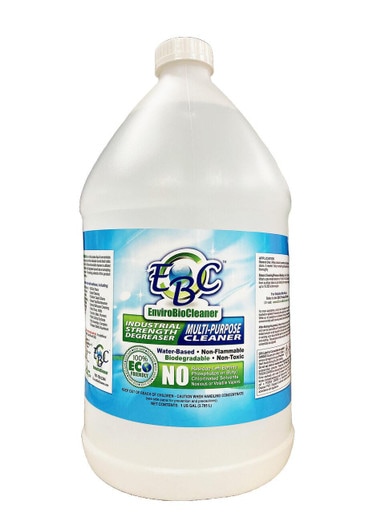 EBC Degreaser, Detergent SKU: 83-81M |
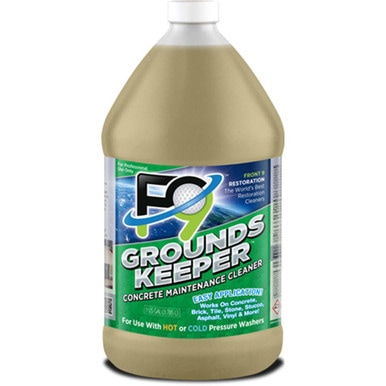 F9 GroundsKeeper Concrete Cleaner Gal SKU: 320-619 |