Concrete Cleaner Guide: Chemicals, Equipment & Field Protocols
Table of Contents
Most exterior cleaning contractors fight industrial-grade stains with retail-grade solutions and lose money doing it. Oil shadows reappear as the surface dries, rust blooms survive the rinse, and aggressive runoff threatens landscaping or triggers compliance issues. Choosing the right concrete cleaner isn't about finding the strongest acid — it's about matching chemical pH to the specific contaminant while protecting the surrounding environment and the slab itself.
This guide covers the chemistry behind concrete contamination, how to select the right cleaner category for each stain type, delivery methods that maximize speed and profit, and the equipment configurations that make high-volume flatwork viable.
Why Concrete Porosity Dictates Your Chemical Choice
Concrete is a network of microscopic capillaries formed during curing. These voids trap petroleum, tannins, and biological growth far below the surface. Surface-level agitation only addresses the top fraction of the contamination — without a concrete cleaner that breaks surface tension and travels into pores, mechanical force pushes oils deeper. You chase the stain instead of removing it.
Age and finish change everything. Broom-swept surfaces are highly porous and demand higher chemical volumes to stay wet during dwell. Polished or power-troweled slabs are denser and etch easily under high-acid solutions or excessive pressure. Since concrete is naturally alkaline, aggressive acids neutralize the calcium hydroxide binding the slab — causing permanent surface degradation, dusting, and color change.
Test Before You Apply
A water bead test reveals whether pores are open or sealed. If water sits on the surface, your cleaner cannot penetrate. Architectural slabs containing specialized aggregates or pigments react poorly to standard industrial detergents. And high-pressure water on young or decorative concrete risks stripping the cream layer — exposing rough aggregate and destroying the finish the property owner paid for.
Temperature and Dwell Time
High surface temperatures cause rapid evaporation that kills chemical activity before it reaches deep capillaries. Cold temperatures slow the molecular reaction of degreasers. Either extreme demands adjustments — misting to maintain wetness in heat, or extended dwell times in cold.
Concrete Cleaner Categories: Degreasers, Acids, and Surfactants
Selecting a concrete cleaner requires understanding the chemical bond of the contaminant, not just reaching for a general-purpose product.
Petroleum stains (motor oil, hydraulic fluid, tire marks) require high-alkaline degreasers. These use saponification to convert oils into water-soluble soaps. ProTool Oily Man is built for exactly this — heavy petroleum remediation on commercial flatwork. For lighter degreasing or general building wash, EBC Degreaser handles atmospheric fallout and moderate grease without the aggression of a pH 14 product.
Organic growth — algae, mold, lichen — calls for sodium hypochlorite (SH). It kills the root structure inside capillaries and prevents rapid regrowth that pressure alone can't stop. Pair SH with a surfactant like ProTool Sticky to extend dwell time on vertical or porous surfaces.
Rust stains are inorganic and require a different chemistry entirely — see the rust section below.
Matching pH to the Job
High-pH degreasers (pH 12–14) are necessary for heavy industrial floor buildup in warehouses or mechanic shops. They can be aggressive on decorative finishes. Acidic cleaners target mineral-based issues — efflorescence, hard water scaling, rust. Over-acidifying dissolves the cement paste holding aggregate together, causing permanent etching. There is no undo.
Why Surfactants Matter More Than You Think
Surfactants reduce the surface tension of your solution, letting the concrete cleaner penetrate deeper into the capillary network. This is critical on vertical surfaces — parking garage pillars, retaining walls — where gravity pulls standard liquids off before they react. ProTool Sticky increases dwell time on these surfaces, and ProTool Lemony adds a scent mask that matters when you're working high-traffic commercial sites where SH odor is a liability for property managers.
Application: Pressure Washing vs. Soft Washing Concrete
Downstreaming is the standard for large-scale flatwork. A chemical injector pulls your cleaner into the water stream after it leaves the pump, protecting internal components from corrosive detergents while covering thousands of square feet quickly.
The two-stage treatment process separates competent contractors from everyone else. Pre-treat with a high-alkaline degreaser to break surface oil bonds. Pressure wash. Then post-treat with a surfactant-heavy mix to neutralize remaining organic shadows. This eliminates tiger-striping — the uneven lines left by inconsistent surface cleaner passes — and delivers a uniform, bright finish.
When to Soft Wash Instead
Soft washing replaces mechanical impact with chemical dwell time. Use it on historic masonry, delicate aggregate, or architectural concrete where high pressure would cause permanent scarring. A dedicated low-pressure pump — like a Comet BPX25 on a ProTool Soft Wash Skid — lets you apply a more concentrated solution that stays on the surface longer, uses less water, and reduces noise on commercial sites.
GPM Is the Real Performance Metric
Gallons Per Minute is what flushes suspended contaminants out of concrete pores. An 8 GPM machine cleans significantly faster than a 4 GPM unit regardless of PSI. Match your nozzle orifice to your machine's output — a tip that's too small creates a needle stream that cuts through the cream layer. Browse quick-connect nozzle tips sized for your specific GPM.
Solving Tough Stains: Rust, Oil, and Efflorescence
Standard pressure washing fails on deeply embedded contaminants because the bond is chemical, not mechanical. You need to match the right concrete cleaner to the specific molecular structure of the stain.
Deep Oil Remediation
High-alkaline degreasers handle surface grease. Deep-set petroleum requires more: biological cleaners use enzymes to consume hydrocarbons within the capillary network, preventing oil from wicking back to the surface 48 hours later. For commercial drive-thrus and loading docks, this level of remediation converts a one-time service into a recurring maintenance contract.
Rust Removal Without Etching
F9 BARC is the go-to for iron oxide stains on concrete. It breaks the bond between rust and the pore structure without the aggression of muriatic acid. Pre-wet the slab so the chemical stays on the surface rather than soaking too deep, and monitor dwell time closely — the acid stops working once you rinse, but damage from over-dwell is permanent. For broader rust and mineral stain work, F9 Efflorescence & Calcium Remover handles the overlap between rust blooms and mineral deposits.
Efflorescence Management
Efflorescence is the migration of soluble salts to the surface — the white powdery residue common on new construction or areas with poor drainage. A mild acidic concrete cleaner dissolves these mineral deposits and restores the slab's natural color. But you must identify the water source causing the migration, or the salts return as the concrete dries. ProTool Masonry Detergent handles efflorescence removal at production scale.
Tannin stains from wood mulch or leaves fall into the specialty category — a surfactant-heavy bleach mix dissolves organic pigments without high-pressure force.
Equipment for High-Volume Concrete Cleaning
Professional concrete restoration at scale requires hardware that matches your chemical potency. A wand works for spot cleaning. Commercial contractors need surface cleaners.
Surface Cleaner Selection
Size your surface cleaner to your machine's output. Too large for your GPM and the spray bar can't maintain the RPMs needed to lift deep grime. Too small for a high-flow machine and you get excessive pressure that damages the finish. The ProTool 18" Surface Cleaner handles 4–5 GPM rigs well, while the ProTool 20" Stainless Steel is built for higher-flow setups. Either dramatically reduces labor hours compared to wand work by providing a wider, consistent cleaning path with no overlapping passes.
High-Flow Skid Configurations
An 8+ GPM skid lets you run longer hose lengths without significant flushing-power loss. The 8.5 GPM 4200 PSI Cold Water Pressure Washer delivers the volume commercial flatwork demands. Pair it with a ProTool 12V Electric Stainless Steel Reel and your crew stays on the substrate instead of repositioning the rig.
For contractors running both pressure washing and soft washing from the same truck, a ProTool Mega Skid integrates chemical tanks with precision proportioning, letting you adjust mix ratios on the fly when moving from heavy oil remediation to light organic cleaning.
Post-Cleaning: Seal the Work
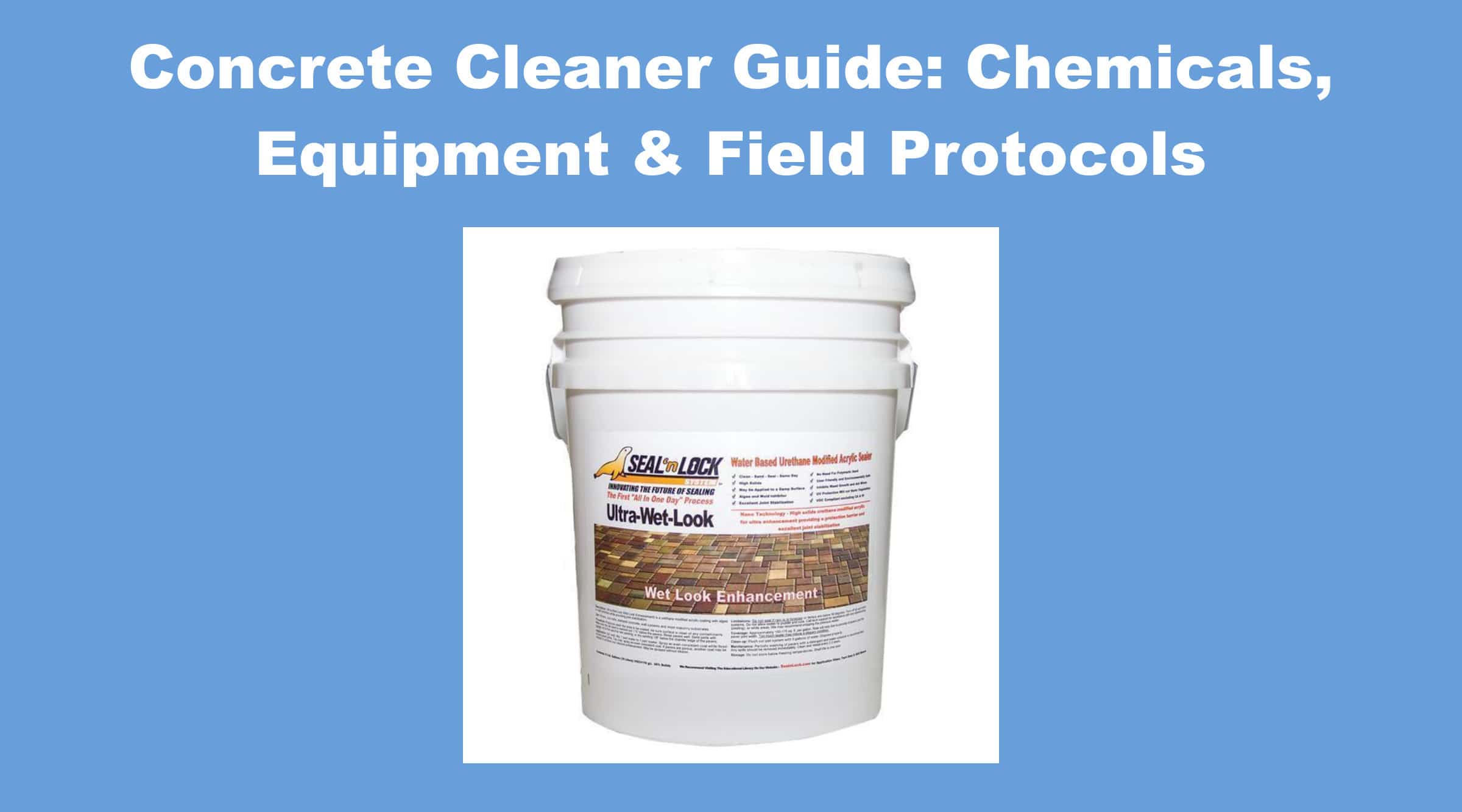
Industrial cleaners open concrete pores by removing deep-set dirt and oils. An unsealed slab re-contaminates fast. Applying a penetrating or topical sealer — like Deco 20 Clear Concrete Sealer or Ultra-Wet-Look Sealer — creates a barrier against liquids entering the capillary network and extends the life of your cleaning results. This is also a high-margin upsell on every concrete job.
Products Mentioned
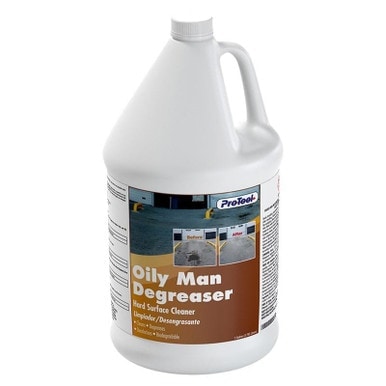 ProTool Oily Man SKU: 83-02M | 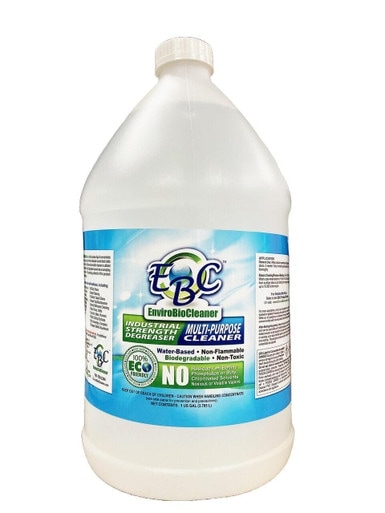 EBC Degreaser, Detergent SKU: 83-81M | 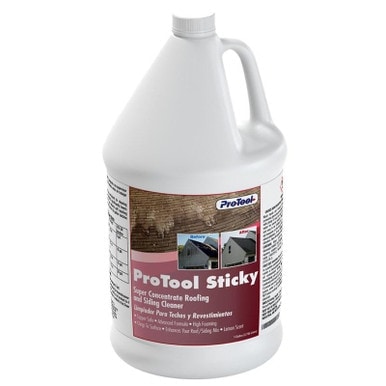 ProTool Sticky SKU: 83-07M |
 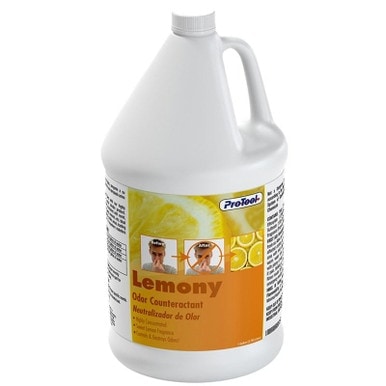 ProTool Lemony SKU: 83-05M | 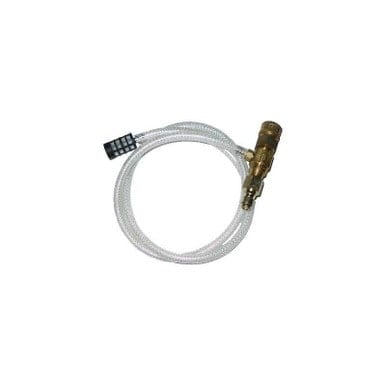 Chemical Injector Non-Acid Pressure Pro SKU: 74-5AMA |
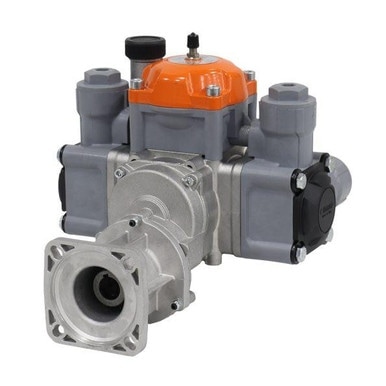 Comet BPX25 GR pump SKU: 150-0432 | 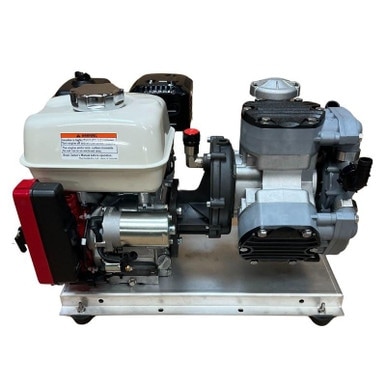 BPX25 - P40 Soft Wash Sprayer Skid SKU: 150-0432M | 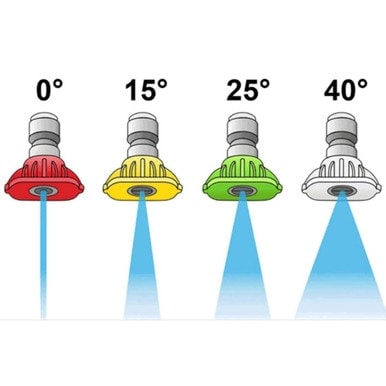 Nozzle Tip Quick Connect Pressure Washer 1/4in Plug SKU: 74-50M |
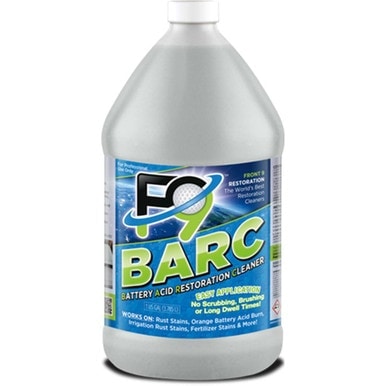 Front9 Restoration Rust Remover F9 B.A.R.C. SKU: 320-61M | 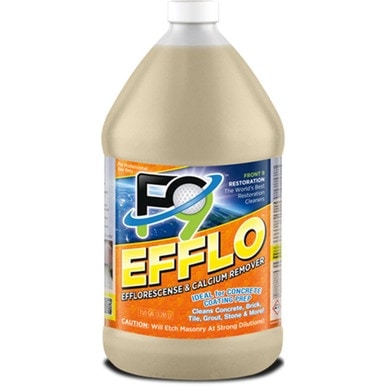 F9 Efflorescence/Calcium Remover Front9 Restoration SKU: 320-62M | 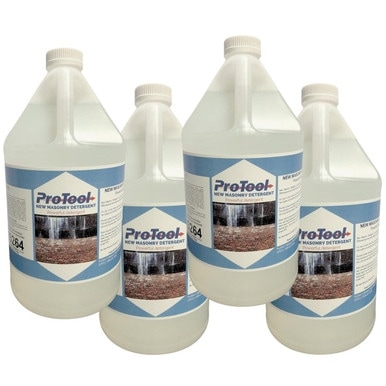 ProTool Masonry Detergent 4 Gallon Case SKU: 89-7584 |
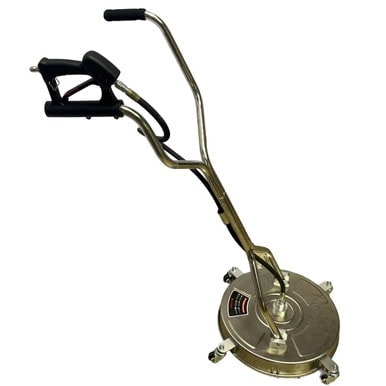 Surface Cleaner 18in Protool 4000psi SKU: 74-3795 | 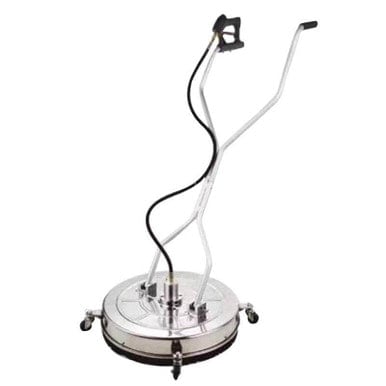 ProTool 20" Stainless Steel Surface Cleaner SKU: 74-3785 | 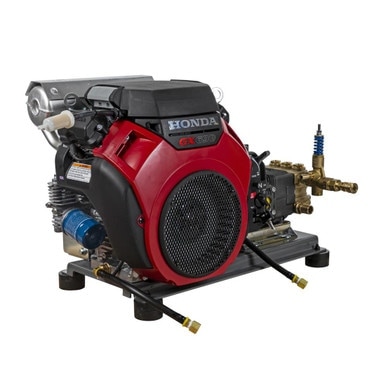 8.5 GPM 4200 PSI Cold Water Gas Pressure Washer SKU: 74-1181 |
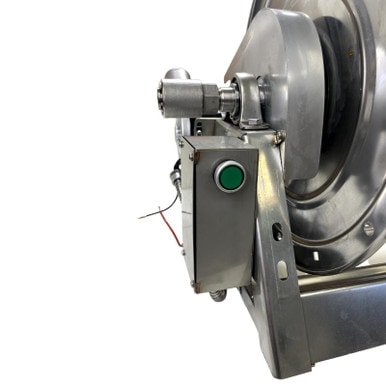 Reel 12v Electric Stainless Steel for 325ft 1/2in or 400ft 3/8in hose 4000ps SKU: 68-02 | 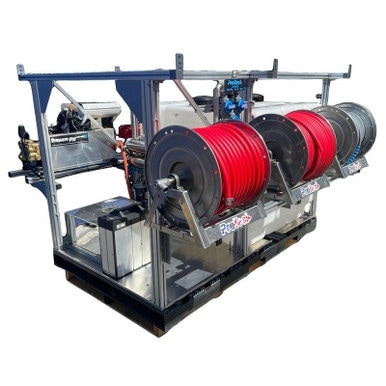 ProTool Mega Pressure Washing and Soft Washing Skid SKU: 150-0496 | 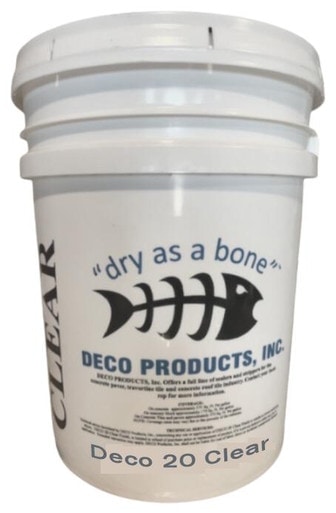 Deco 20 Clear Concrete Sealer Matte Finish SKU: 320-716 |
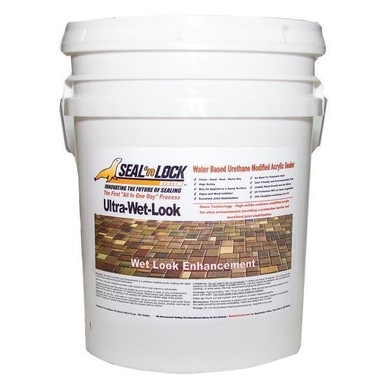 Ultra-Wet-Look 5 gallon pail SKU: 320-707 |