Professional Gutter Cleaner Tools and Equipment for 2026

Table of Contents
Ladder accidents send over 160,000 people to emergency rooms every year, and OSHA's National Emphasis Program on Falls now explicitly targets gutter cleaning operations. Balancing on a ladder with a manual scoop is slow, messy, and a liability — especially with OSHA mandating fall protection at any vertical drop of four feet or more. A professional gutter cleaner system that keeps your crew on the ground isn't just faster. It's the difference between a scalable business and one insurance claim away from shutdown.
This guide covers the equipment categories, pole selection, safety protocols, and chemical add-ons that define professional gutter cleaning in 2026 — and where each tool fits in your workflow.
What Separates Professional Gutter Cleaning from Consumer Work
A professional gutter cleaner setup in 2026 is an integrated system: high-reach vacuum technology, debris removal tools, chemical brightening solutions, and inspection cameras — all operated from the ground. The goal is flow restoration and exterior restoration, not just scooping leaves.
Ground-based high-access systems are driven by both regulation and economics. Manual ladder work is slow and carries liability on every move. Carbon fiber poles and high-powered vacuums can clear a two-story residential property in a fraction of the time it takes to reposition a ladder every six feet. That speed compounds into higher daily job counts and lower workers' comp exposure.
Mechanical vs. Chemical Gutter Cleaning
Mechanical cleaning — removing leaves, pine needles, and organic "gutter mud" — is the foundation of the service. But the highest margins come from chemical cleaning: gutter brightening. "Tiger stripes" (dark streaks from metallic oxidation) won't respond to pressure washing or soap. They require specialized surfactants that break the oxidation bond. Offering brightening as an add-on with products like Gutter Zap or ProTool Gutter Bomb can increase your average ticket by $100–$200 per job.
Why Professional Grade Matters
Consumer gutter tools use thin polypropylene that cracks under UV exposure or heavy use. Professional gutter cleaner setups use stainless steel connectors and high-modulus carbon fiber — materials that provide the rigidity to control a vacuum head at 40 feet without significant flex. Equipment failure on a commercial site isn't an inconvenience; it's lost billable hours. Professional-grade tools are built for daily operation and are compatible with existing pressure washing skids and water-fed systems.
Types of Professional Gutter Cleaning Equipment
Professional gutter cleaner inventories break into four groups: high-reach vacuums, water-fed flushers, manual detailing tools, and chemical applicators. Each serves a specific stage — from bulk debris removal to downspout verification and exterior restoration.
High-Reach Vacuum Systems
Ground-based vacuums are the standard for professional gutter work. Two specs matter most: Airflow (CFM) determines how fast dry debris moves through the hose; Water Lift (inches) measures the vacuum's ability to pull heavy, saturated gutter mud up several stories.
Use 2-inch diameter poles and hoses. Smaller 1.5-inch consumer hoses clog constantly with damp leaves, forcing the operator to stop and clear the line. High-capacity drums with multi-stage filtration handle the transition between dry dust and wet sludge without damaging the motor. The gutter cleaning tools category at J.Racenstein includes the vacuum nozzles and pole adapters that integrate with carbon fiber pole systems.
Water-Fed Wands and Flusher Attachments
After bulk debris removal, flushing verifies that downspouts are clear. Keep pressure below 3,000 PSI — anything higher risks damaging old brackets or forcing water behind the fascia board. Use specialized gutter flushing tips that deliver high volume at lower impact. A 0-degree nozzle is only for clearing dense downspout clogs; a broad flushing tip handles horizontal runs. The hose spray nozzle works well for controlled flush-outs on residential jobs.
Manual Tools and Chemical Applicators
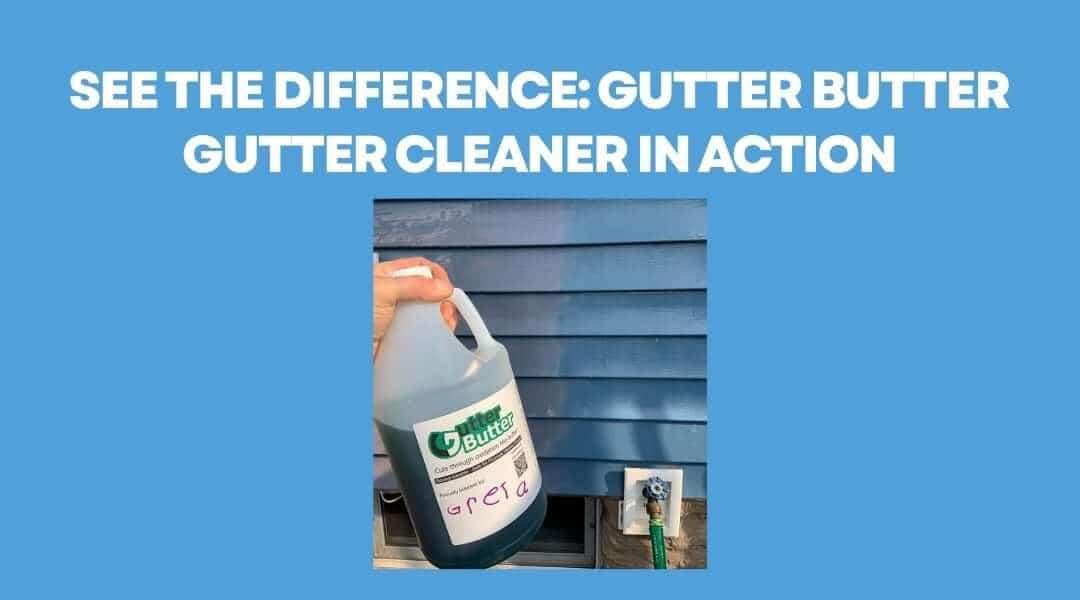
Detail work around gutter spikes still needs specialized tongs, scoops, and inspection mirrors. The Gutter Hawg handles stubborn debris that vacuums miss, while the Gutter Getter scoop is a staple for manual extraction. For chemical brightening, dedicated applicator brushes apply surfactants like Gutter Butter that dissolve oxidation without damaging the finish.
Selecting the Right Poles: Reach and Rigidity
Rigidity is the single factor that determines speed for a professional gutter cleaner. When a pole flexes, the vacuum head bounces — making it impossible to apply consistent pressure to stubborn debris. That "whip" effect forces slower work, which directly increases time on site.
Aluminum poles are common in entry-level kits but heavy and prone to permanent kinking. Fiberglass offers electrical insulation but lacks stiffness past 20 feet. Carbon fiber provides the best stiffness-to-weight ratio — up to 50% lighter than fiberglass equivalents. That weight difference is the gap between a productive 8-hour shift and a crew sidelined by shoulder fatigue.
Gardiner's carbon fiber poles are the benchmark for high-reach gutter work. The Gardiner 27ft Gutter Pole handles most two-story residential jobs, while the 38ft Gardiner Gutter Pole reaches three-story commercial buildings. Both use sectional designs that let you carry only the weight needed for the specific height.
Pole Accessories and Goosenecks
The connection between pole and gutter matters as much as the pole itself. A 180-degree adjustable gooseneck matches varied roof pitches. Quick-connect systems let crews switch between vacuum heads, scoops, and brightening brushes in seconds. The Gardiner Gutter Spike Agitator handles the compacted debris around gutter spikes that standard nozzles skip.
Wireless inspection cameras mounted to the gooseneck provide a live feed to a smartphone. They verify a clear channel and capture before/after photos for the client — documentation that justifies premium pricing and reduces callbacks.
Safety Protocols and Fall Protection
A "Ground-First" philosophy eliminates ladders on roughly 85% of residential jobs. When ground-based operation isn't feasible, OSHA fall protection standards apply: fall protection is mandatory at 4 feet (general industry) or 6 feet (construction). With gutter cleaning explicitly targeted under OSHA's National Emphasis Program on Falls, non-compliance means heavy fines and business interruptions.
When working at height, a Personal Fall Arrest System (PFAS) requires anchorage points rated for at least 5,000 pounds per employee. J.Racenstein carries a full range of fall protection equipment including roof safety kits, harnesses, and roof anchors.
Ladder Safety
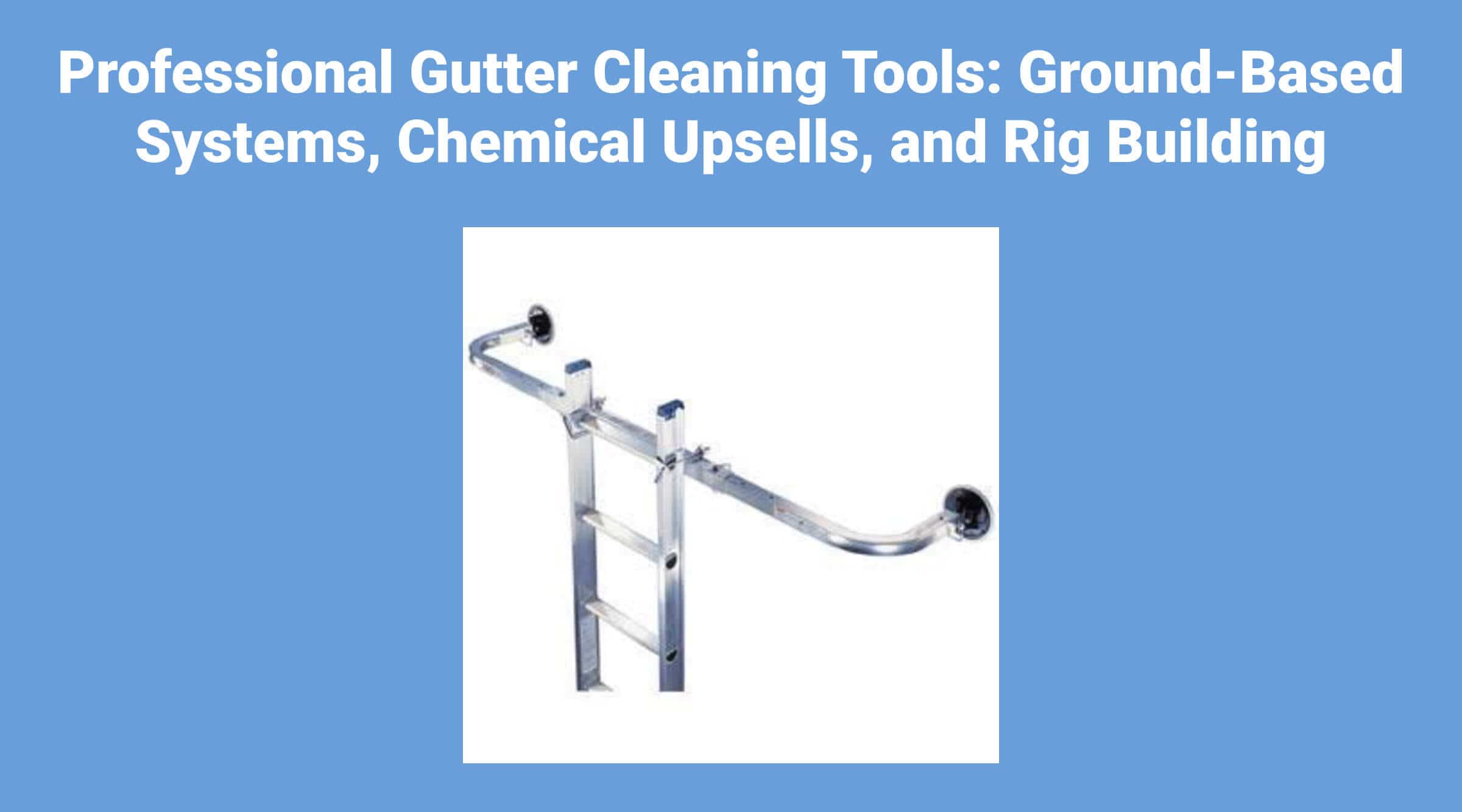
Ladders remain necessary for detailing and downspout repairs. Ladder stand-offs bridge the ladder's weight against the roof surface rather than the gutter, preventing crushing damage. On uneven terrain, LeveLok levelers ensure vertical center of gravity. Maintain three points of contact at all times.
Personal Protective Equipment
Sharp gutter edges cause lacerations — cut-resistant gloves are mandatory. During high-pressure flushing, splash-proof goggles protect against backsplash. For chemical brightening, crews need chemical-resistant gear: neoprene/latex gloves prevent skin contact with corrosive surfactants.
Scaling Your Business with Gutter Services
Adding a professional gutter cleaner service to a window or house wash job increases the ticket by $150–$300 per visit. With the U.S. gutter services market generating over $778 million in 2025 revenue, the opportunity for specialized contractors is expanding fast. To capture that growth, your fleet needs to operate with speed and technical precision.
Building a Complete Gutter Rig
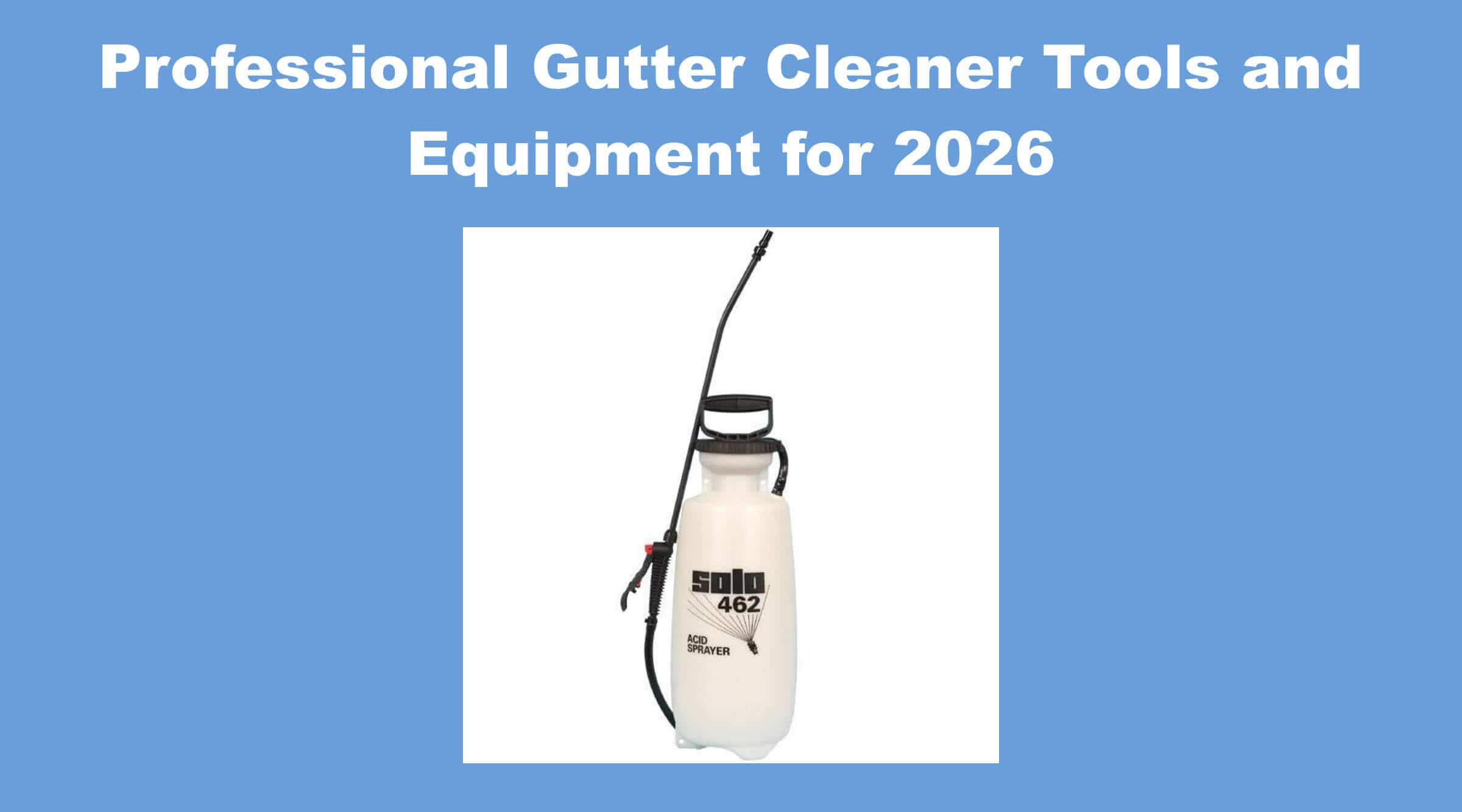
Your gutter rig integrates with existing equipment. If you're already running a soft wash skid or pressure washing setup, gutter tools slot into the same truck build. The Gutter Cleaning Kit provides the core manual tools every tech needs. For chemical application, pair Gutter Bomb with a chemical-resistant pump sprayer for controlled application on tiger stripes.
Every technician's go-bag should include specialized nozzles, inspection mirrors, and replacement seals. Downtime from a missing $5 part costs more than the part itself — stock spares on the truck.
Technical Support
J.Racenstein provides expert support for troubleshooting equipment in the field and designing custom builds from scratch. Whether you need help choosing between an off-the-shelf solution and a custom-engineered skid, the team can spec a system matched to your daily volume and vehicle payload.
Products Mentioned
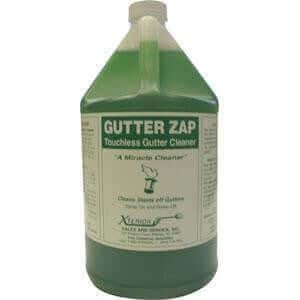 Gutter Zap Gutter Stain Remover SKU: 89-0M | 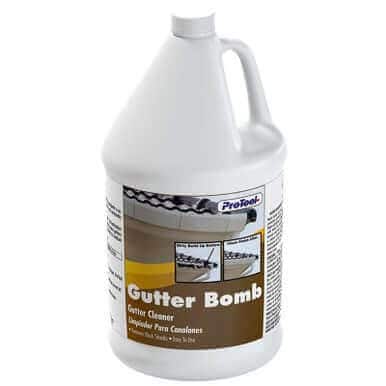 ProTool Gutter Bomb - Gutter Cleaner - Oxidation Remover SKU: 89-82M | 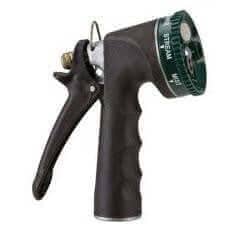 Hose Spray Nozzle SKU: 150-0763 |
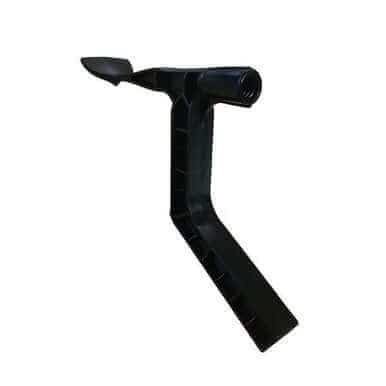 The Gutter Hawg SKU: 55-109 | 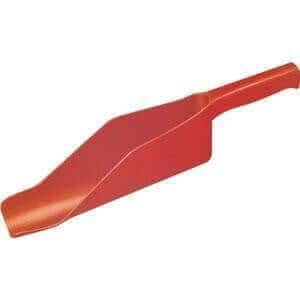 Scoop Gutter Getter (1) SKU: 55-23 | 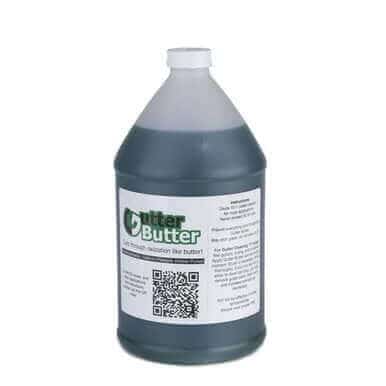 Gutter Butter Gutter Cleaning Detergent SKU: 89-1M |
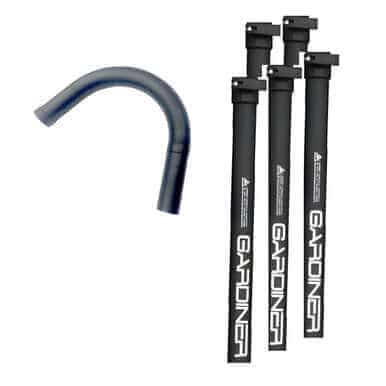 Gutter Pole Gardiner 27ft Carbon Fiber SKU: 158-066 | 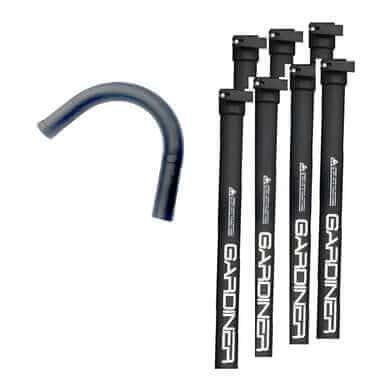 Gutter Pole Gardiner 38ft Carbon Fiber SKU: 158-068 | 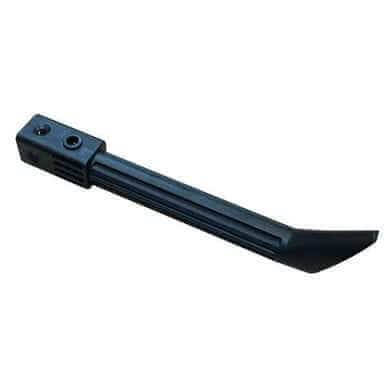 Gardiner Gutter Spike Agitator Quick-Loq SKU: 55-135 |
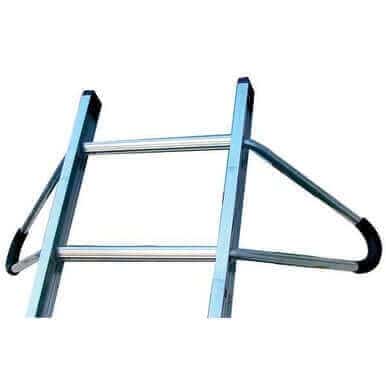 Ladder Stand Out - Stabilizer with Foam Elbows - Pair SKU: 73-20 | 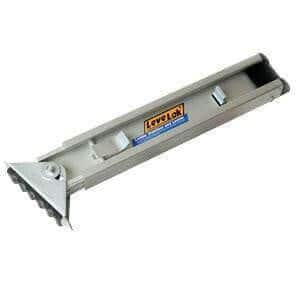 Ladder Levelers Quick Connect LeveLok SKU: 73-25 |  Goggles Splash Proof SKU: 58-75 |
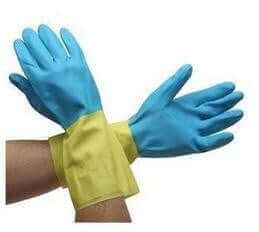 Neoprene/Latex Chem Resistant Gloves SKU: 56-23M | 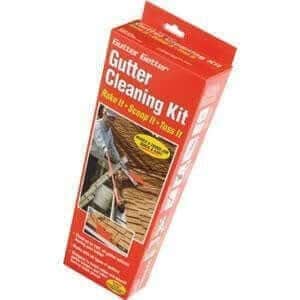 Kit Gutter Cleaning (1) SKU: 55-20 | 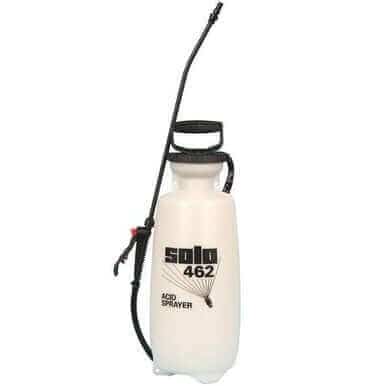 Pump Sprayer 2 Gal Acid Resistant Solo SKU: 515-045 |