Red Building Cleaner: Mix Ratios, Application, and Field Techniques
Table of Contents
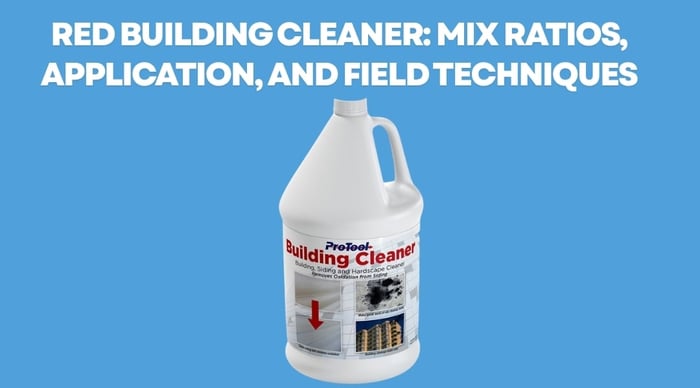
Most house wash mixes handle mold and mildew but do nothing for the chalky oxidation layer on vinyl siding or baked-on petroleum stains on concrete. That is a different chemistry problem, and it requires a different tool. ProTool Red Building Cleaner is a concentrated alkaline degreaser — butyl-based, low-foaming, biodegradable — built to emulsify hydrocarbons and lift oxidation without mechanical scrubbing. If you are still pressure-blasting oxidized siding or hand-scrubbing dumpster pads, red building cleaner replaces labor with chemistry.
What Red Building Cleaner Actually Does
Red building cleaner is not a soap. It is a high-pH alkaline concentrate that saponifies fats and oils — converting them into water-soluble compounds the rinse water carries away. The butyl-based surfactants penetrate hydrocarbon bonds (petroleum stains, carbon soot, atmospheric grime) and break them at the molecular level. That is why a properly diluted application plus dwell time replaces the scrub brush.
Two design choices matter on the job site. First, the formula is intentionally low-foaming. High foam obscures the surface, hides remaining oxidation, and demands more rinse water. Low foam means better visibility and faster rinse cycles — a real advantage when you are managing wastewater runoff on a commercial lot. Second, it is a concentrate. You dial mix ratios to the job instead of paying to ship pre-diluted water.
The Direct-Sunlight Rule
This is the single most important field constraint: never apply red building cleaner in direct sunlight or on a hot substrate. High-alkaline solution that flash-dries etches the surface — permanent ghosting, white streaks, or finish damage that no amount of rinsing will fix. If the substrate is hot to the touch, cool it with water first. If the product starts drying before you rinse, mist immediately with water or more solution to keep it active.
Where It Fits in Your Chemical Lineup
Oxidation Removal on Vinyl and Aluminum Siding
Sodium hypochlorite kills organics but does not touch oxidation. Red building cleaner lifts the chalky oxidized layer chemically, so you can soft wash at low pressure instead of blasting siding at high PSI — which risks driving water behind panels or denting aluminum. Always test-spot an inconspicuous area first, especially on older finishes where uneven stripping can cause tiger striping.
Polished or raw aluminum is the exception. High alkalinity dulls the finish if dwell time runs long. Keep contact time short and rinse thoroughly until suds disappear completely.
Concrete and Porous Surfaces
Parking pads, gas station bays, dumpster pads, drive-throughs — porous concrete absorbs petroleum and holds it. Red building cleaner penetrates those pores and emulsifies the oil so a surface cleaner can lift it uniformly. It also handles carbon soot on building facades and rubber marks in parking structures.
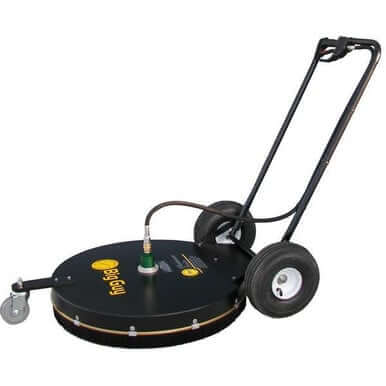
For large commercial flatwork, pair the chemical with a ProTool 20" Stainless Steel Surface Cleaner — apply the degreaser, let it dwell, then run the surface cleaner for a uniform finish across wide areas.
Heavy Equipment and Interior Floors
The same chemistry that cleans building envelopes handles baked-on engine grease and hydraulic fluid. Low foam is the advantage indoors: it does not interfere with auto-scrubbers or water recovery systems. Forklift tire marks, hydraulic leaks, warehouse floors — one product covers all of it, which means fewer chemicals on the rig.
Mix Ratios and Equipment Setup
The number that matters is End of Wand (EOW) concentration — the actual strength hitting the substrate, not what is in your draw bucket.
| Task | EOW Concentration | Notes |
|---|---|---|
| Light siding maintenance | 1–2 oz/gal | General oxidation, routine house wash boost |
| Moderate oxidation / carbon soot | 4–8 oz/gal | Commercial building facades |
| Heavy oil / dumpster pads | 12–24 oz/gal | Gas stations, parking structures, engine degreasing |
Downstream Injector (1:10 Draw Rate)
A standard downstream injector pulls roughly 1 part chemical to 10 parts water. To hit 2 oz/gal EOW, your draw bucket needs 20 oz of red building cleaner per gallon of water. Scale linearly from there.
X-Jet Setup
An X-Jet M5 draws at a much higher rate — typically 1:2 to 1:4 depending on GPM and proportioning tip. That means your bucket mix is far less concentrated than a downstream bucket for the same EOW. Calibrate to your specific machine and tip; guessing wastes chemical and delivers inconsistent results.
Manual Sprayer for Heavy Spots
For localized deep stains where downstream concentration is not enough, a chemical-resistant pump sprayer lets you apply a "straight" or near-straight concentration directly to the stain before the general wash. This is the method for the worst dumpster pad corners and engine bays.
Regardless of application method, the golden rule is the same: let the chemical dwell without letting it dry. Pre-wet the surface if needed, monitor moisture, and mist with water if the product starts to tighten up.
Safety and Surface Compatibility
PPE Requirements
Concentrated alkaline degreaser at this pH level is not optional-gloves territory. Chemical-resistant gloves and wrap-around eye protection (or a full face shield) are mandatory. Even a small amount of concentrated overspray causes skin irritation and can injure eyes during high-pressure application. Keep an emergency eye wash accessible on every job.
Landscape Protection
Pre-soak all surrounding vegetation with fresh water before application. This saturates the leaves and root zone so the alkaline solution cannot be absorbed. Rinse the landscape again after the job. The double-rinse protocol is the industry standard for preventing plant burn on residential greenery.
Surface Compatibility Quick Reference
- Vinyl and standard plastics: Safe at recommended dilutions. Test-spot older or heavily weathered finishes.
- Polished or raw aluminum: High risk of dulling. Short dwell, immediate thorough rinse, close monitoring.
- Painted surfaces: Test for colorfastness on older chalky paint before committing to a full application.
- Concrete and masonry: Safe. Higher concentrations and longer dwell times are fine — just do not let it dry.
Wastewater and Compliance
On commercial lots, manage runoff with drain covers or dikes to keep contaminants out of storm drains. Rinse until all suds are gone and water runs clear — residual active chemical attracts new dirt and can cause long-term substrate damage.
Building the Rest of the Chemical Kit
Red building cleaner handles hydrocarbons and oxidation. It does not handle mineral deposits, rust stains, or efflorescence — those require acidic chemistry. The ProTool line is designed to pair:
- ProTool Brighten — post-wash neutralizer and brightener for wood, concrete, and masonry after alkaline cleaning.
- ProTool Post Rinse — surfactant and neutralizer for soft wash roof and siding work.
- ProTool Sticky — dwell-time extender for vertical surfaces where runoff is too fast.
Pair the chemical with hardware that can handle high-alkaline exposure. Stainless steel nozzle tips, stainless fittings, and a stainless gun-wand assembly resist corrosion and keep your EOW concentration consistent across the entire project. Brass and zinc components degrade faster under repeated alkaline exposure.
Why It Replaces Three Chemicals on Your Rig
Most contractors carry separate products for siding oxidation, concrete degreasing, and equipment cleaning. Red building cleaner covers all three at different dilutions from one jug. That is less weight, less inventory, and fewer chemical interactions to worry about on mixed-use job sites. The low-foam formula does not clog downstream injectors or foul water recovery systems — it plays well with the equipment you already run.
The difference between fighting grime mechanically and letting chemistry do the work shows up directly in billable hours. A properly applied red building cleaner dwell-and-rinse cycle replaces hand scrubbing on every surface it touches. That is the efficiency gain that pays for the product many times over.
Products Mentioned
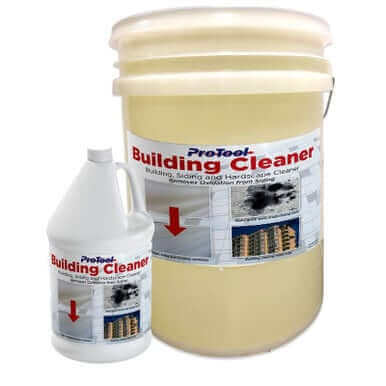 ProTool Red Building Cleaner SKU: 84-8M | 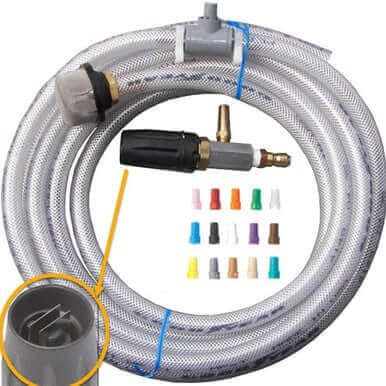 X-Jet M5 Variable Spray SKU: 74-53M | 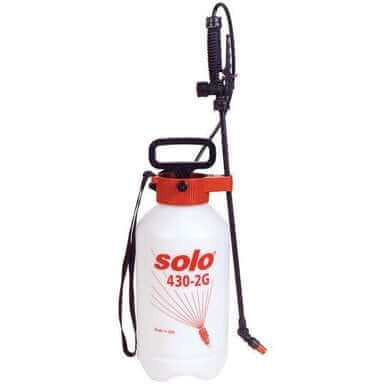 Pump Sprayer 2 Gal Chem Resistant Solo SKU: 515-040 |
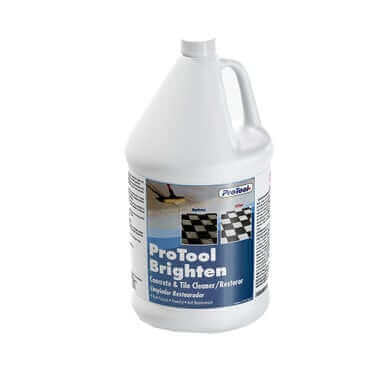 ProTool Brighten SKU: 83-01M | 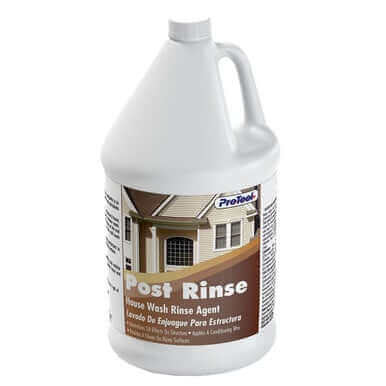 ProTool Post Rinse SKU: 83-03M | 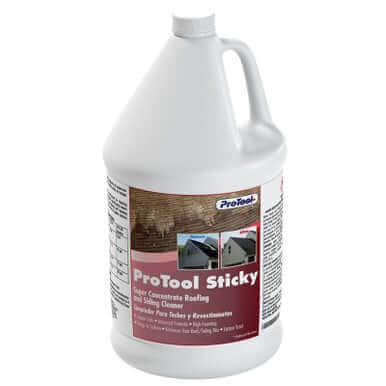 ProTool Sticky SKU: 83-07M |
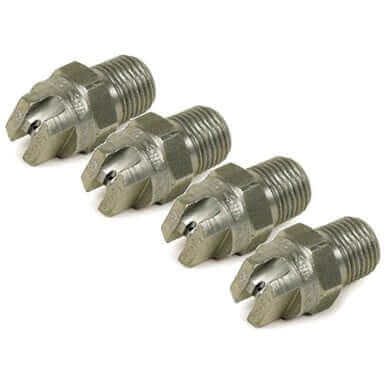 Nozzle Stainless Steel 1/4 npt SKU: 74-55M | 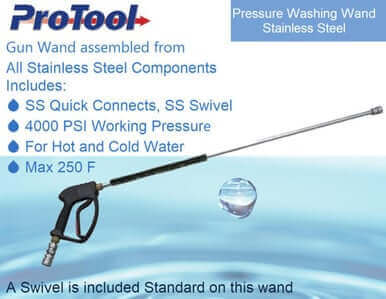 ProTool Gun with 36in SS Lance, SS Quick Connects and SS Swivel SKU: 74-5116 |