Soft Wash Plant Protection: The Professional Protocol

Table of Contents
A single dead Japanese Maple runs $1,500 in replacement fees and a permanent one-star review. Sodium hypochlorite does the cleaning, but it's an indiscriminate desiccant — it draws moisture from any organic tissue it contacts. Soft wash plant protection separates contractors who scale from contractors who pay claims.
This guide covers the chemistry behind SH damage, the field protocol that prevents it, the equipment that makes the protocol possible, and the mix discipline that keeps your chemical where it belongs.
Why SH Kills Plants — and Why It Matters More Than You Think
SH doesn't poison plants the way most techs assume. It's an osmotic desiccant: it pulls water out of cells faster than the plant can replace it, collapsing cell walls within hours. That flash-burn — leaves turning white or brown the same afternoon — is topical and often survivable if the vascular system stays intact.
The fatal damage happens underground. When SH-laden runoff enters the soil, it spikes pH and destroys root hairs — the microscopic structures responsible for nutrient uptake. Root necrosis is irreversible. The plant may look fine for a week, then collapse.
Concentration matters, but volume-in-area matters more. Five gallons of 3% mix pooled around a single root zone is more dangerous than 20 gallons of 0.5% spread across a lawn. Monitor where your runoff concentrates — drip lines, grade changes, mulch beds — not just what percentage you're spraying.
Species to Flag During Walkthroughs
- Japanese Maples — thin leaf membranes, extremely sensitive to overspray and soil pH shifts.
- Boxwoods — dense foliage traps chemical inside the canopy, making rinsing unreliable.
- Hydrangeas — large leaf surface area accelerates absorption.
- Roses — root systems highly reactive to rapid pH changes.
Identify these before the first drop leaves the nozzle. If you can't name the high-risk plants on a property during the walkthrough, you aren't ready to spray it.
Surfactants: The Hidden Risk
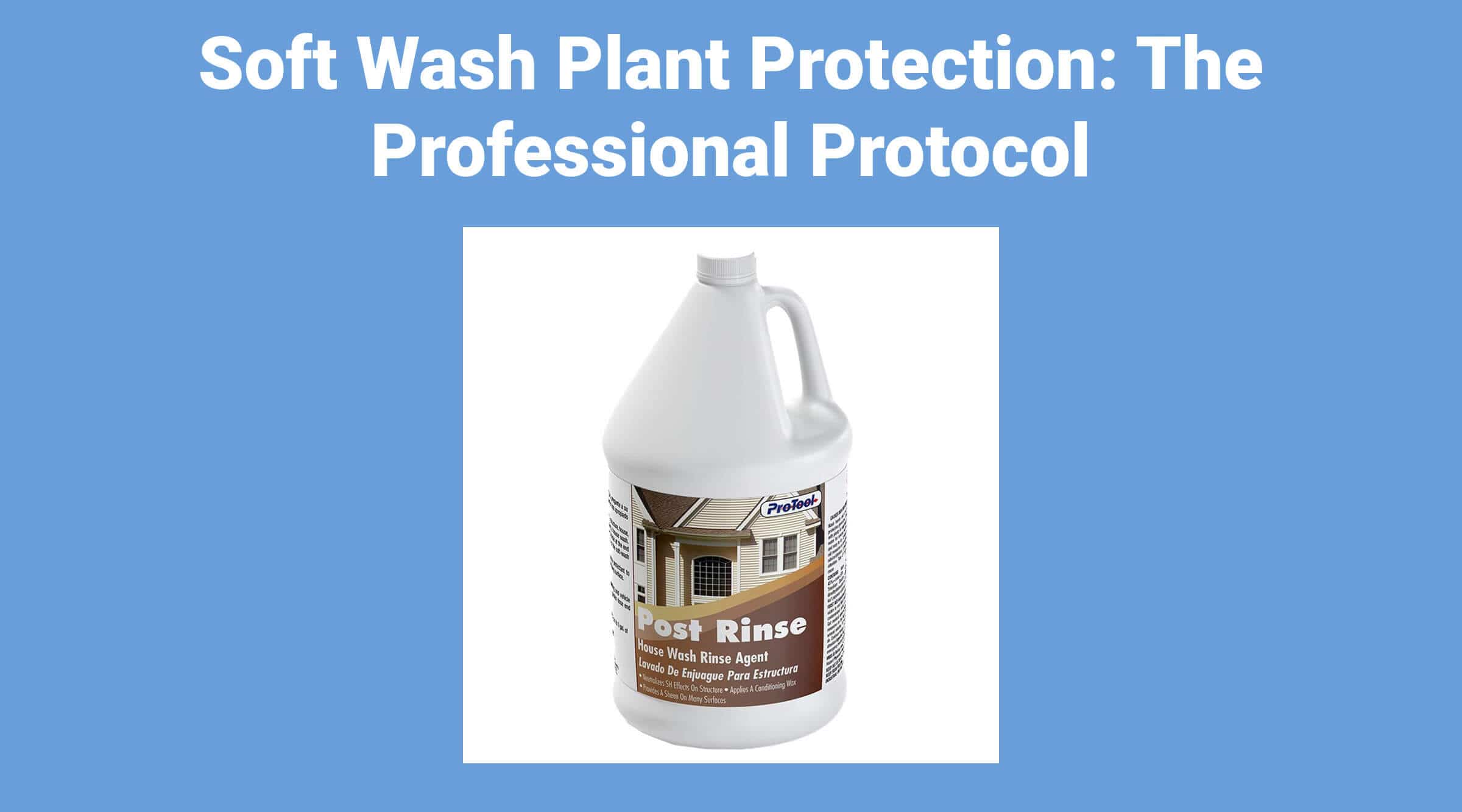
Surfactants give your mix vertical cling, but high-cling formulas do the same thing on foliage — they prevent chemical from sheeting off leaves, extending dwell time on tissue you're trying to protect. On high-risk residential jobs, switch to a rinse-friendly surfactant like ProTool Post Rinse that breaks down faster during the rinse phase and reduces the residual chemical load. Scent-masking agents add another layer of risk: they can clog stomata (the pores plants use for gas exchange), suffocating the leaf even after SH is neutralized.
The Triple-R Protocol: Rinse, Rinse, Rinse
Every soft wash plant protection failure traces back to insufficient water management. The Triple-R creates a hydraulic shield between your chemistry and the customer's landscaping.
Phase 1: Pre-Soak Saturation
Dry soil is a sponge — it pulls SH-laden runoff straight into the root zone. Before any chemical touches the building, saturate all foliage and soil within a 20-foot radius until the ground stops absorbing. Roots that are already "full" won't drink the cleaning solution. Hit leaf surfaces with a heavy mist to pre-dilute any stray droplets on contact.
Phase 2: Active Ground-Man Rinsing
The ground-man is your most important safety asset. While the applicator works the siding or roof, the ground-man manages runoff in real time — keeping leaves wet with a low-pressure rinse without stripping the protective water barrier. If concentrated SH pools near a drip line, dilute it immediately. A dedicated ground-line maintains consistent water flow without dropping pressure on the main pump. Simple radio calls or hand signals keep the applicator and ground-man synchronized — pause the spray if runoff becomes unmanageable.
Phase 3: Final Rinse and Neutralization
The 15-minute rule: never let SH sit on any surface longer than 15 minutes without a thorough rinse. Focus on leaf undersides — chemicals hide there and cause "delayed burn" that shows up 48 hours later. Flush downspouts with 10–20 gallons of fresh water; concentrated slugs of chemical exit gutters and dump directly onto expensive landscaping. The drip line — where roof runoff hits the ground — is where 80% of plant fatalities occur.
Beyond Tarps: Professional Plant Protection Equipment
Standard poly tarps block direct spray, but on an 85°F day the temperature under dark plastic spikes past 115°F in under 25 minutes. That greenhouse effect cooks delicate foliage faster than the SH would have.
Tyvek vs. Plastic: Why It Matters
Breathable landscape fabrics and Tyvek allow gas exchange and moisture evaporation while still blocking chemical contact. Tyvek is roughly 50% lighter than heavy-duty poly, so it drapes over high-value shrubs without snapping branches. Secure edges with 12-inch galvanized stakes to prevent wind-lift during the wash.
Gutter Bagging
Gutter bags attach to downspouts and collect concentrated bleach runoff into 5-gallon buckets for disposal away from landscaping. Without them, a 6% SH solution flows directly into the root zone. This is non-negotiable on roof washes — even if the property has a French drain, the discharge point often sits near ornamental beds or empties into a storm system. Capture the first 20 gallons of runoff to intercept the highest-concentration slug.
Chemical Neutralizers and Plant Wash
ProTool Post Rinse and dedicated plant wash solutions break SH down into harmless salts and water on contact. Apply as both a pre-soak and a post-wash foliar feed. These formulas contain surfactants that rinse away salt residues plus nutrients that support the plant's recovery. A dedicated neutralizer reduces plant mortality by roughly 98% compared to water alone — a negligible cost against a single landscape claim.
Mastering Your Mix: Dilution Ratios and Application Control
If you don't control your chemical strength, you can't control what happens to the landscape.
Concentration Guidelines
- Siding: 0.5%–1.5% SH. Downstream injection typically limits you to about 1:10, which lands in this range and is the safest default.
- Roofs with heavy growth: 3%–4% SH. Batch mixing in a dedicated tank gives you the most precise control — no injector-ratio guesswork.
- Maximum: 6% for extreme Gloeocapsa magma. Anything stronger is unnecessary and dangerous.
Calibrate your proportioner or soft wash skid daily. Injector wear changes output over time, and what was 3% on Monday can drift to 4% by Friday.
Controlling Chemical Drift
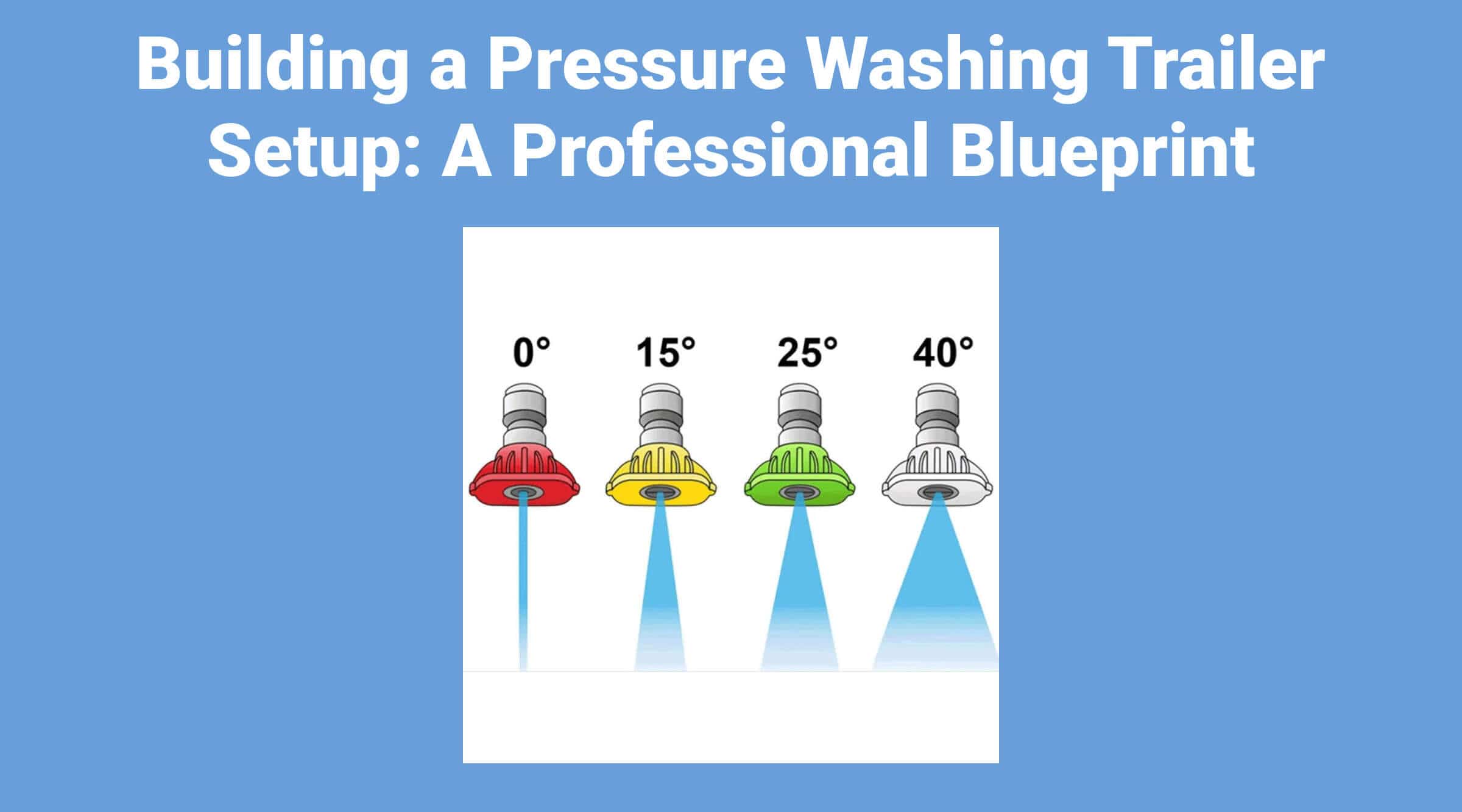
Droplet size is your primary defense against drift. Small droplets stay airborne; large droplets fall where you point them. Use low-degree tips — 0040 or 1540 soft wash nozzle tips — to maintain a tight, heavy-drop pattern that resists wind. If wind exceeds 10 mph, stop the job. SH mist can reach non-target vegetation 20+ feet away.
Choosing between an X-Jet and downstream injection depends on required strength. Downstreaming is inherently safer for siding because the ratio ceiling is lower. The X-Jet allows higher concentrations for roofs but demands careful management of the suction hose to prevent spills near the foundation.
Building a Plant-Safe Soft Washing Rig
A rig built for soft wash plant protection has three characteristics: precise pressure control, high-volume rinse capacity, and chemical containment at every connection point.
Pump Selection
12-volt diaphragm pumps operating between 50–100 PSI prevent atomization of bleach into a fine drift-prone mist. High-flow pumps — 5–7 GPM — allow faster rinsing and more effective dilution of runoff in the soil. The Comet BPX25 pump is a proven workhorse for soft wash skids, and the ProTool 5GPM 12V system handles both application and rinse duties on a single skid.
Rig Essentials Checklist
- Gutter bags — mandatory for every roof wash.
- Dedicated neutralizer tank — for immediate application of Post Rinse or plant wash.
- Dedicated rinse line — high-volume fresh water without switching nozzles or tanks.
- 6-mil Tyvek rolls — physical barrier for high-value plantings.
- Non-marking hoses and SS fittings — cheap hoses fail at the crimp and leak concentrated SH onto lawns.
- Metering manifold — precise proportioning at the skid, not at the nozzle.
Ground-Man Workflow
The ground-man runs the "saturation cycle": 10-minute pre-soak of all foliage, continuous rinsing during application, and a final 15-minute deep-root watering after the wash. If the ground-man loses focus, dry leaves absorb SH instantly — the risk of phytotoxicity jumps dramatically.
Documentation as Liability Protection
Before the first drop of water hits the house, time-stamp 10–15 high-resolution photos of all landscaping. Flag pre-existing brown spots or wilted leaves and show them to the homeowner. This documentation is your primary defense against false damage claims and the final step in any soft wash plant protection protocol.
SOPs for Every Job
- Landscape walkthrough — identify high-risk zones, flag sensitive species, move potted plants 20+ feet from the drip line.
- Photo-document all vegetation.
- Pre-soak 20-foot radius.
- Apply chemical; ground-man manages runoff continuously.
- Final rinse — minimum 10 minutes, focus on leaf undersides and drip lines.
- Apply neutralizer.
- Final walkthrough with homeowner to confirm landscape condition.
Products Mentioned
 ProTool Post Rinse SKU: 83-03M | 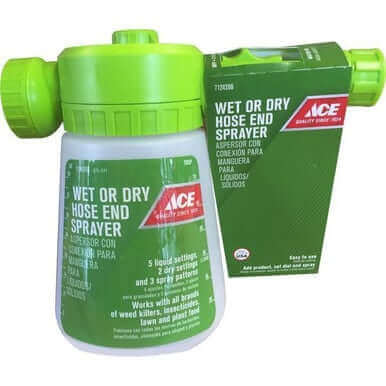 Hose End Sprayer Plant Wash SKU: 150-0761 | 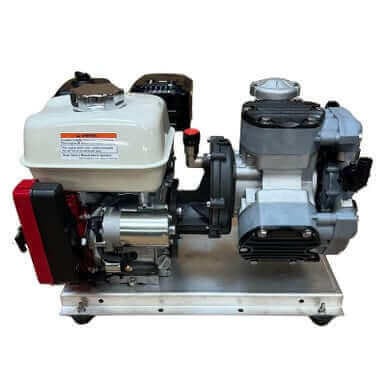 BPX25 - P40 Soft Wash Sprayer Skid SKU: 150-0432M |
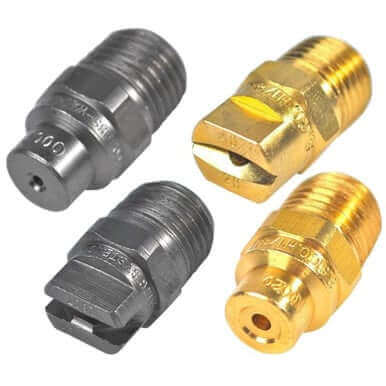 ProTool 40 Nozzle Tip SS 40 Degree 4040 1/4 npt Softwash SKU: 150-0M | 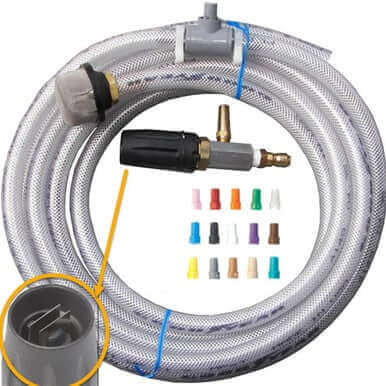 X-Jet M5 Variable Spray SKU: 74-53M | 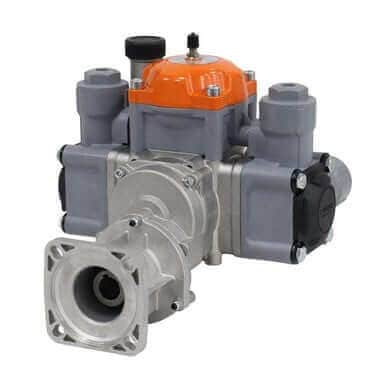 Comet BPX25 GR pump SKU: 150-0432 |
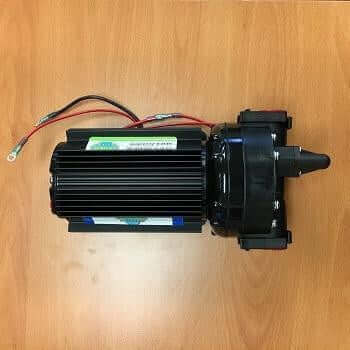 ProTool SoftWash System 5gpm PolyPro 12v Pump SKU: 150-0859 | 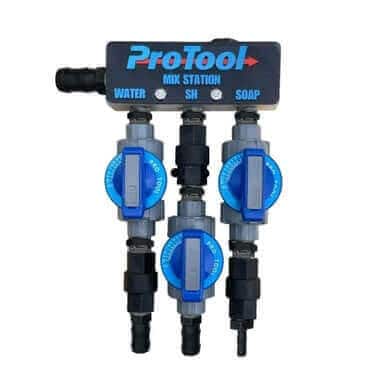 Soft Wash Metering Block SKU: 150-0454M | ProTool Post Rinse SKU: 83-03M |