How to Clean Screen Enclosures with Soft Wash Systems
Table of Contents
A 4,000 PSI pressure washer aimed at a pool cage turns a profitable job into a $2,500 screen replacement. Most contractors already know this — but the crews still tearing mesh are the ones treating screen enclosures like concrete flatwork. The real challenge isn't removing the algae. It's killing the root system embedded in fiberglass or polyester mesh without degrading the material you're paid to protect.
In humid markets, untreated enclosures show significant organic regrowth within six months. Physical removal alone leaves microscopic root systems intact inside the mesh pores. Learning how to clean screen enclosures professionally means committing to a chemical-first, low-pressure workflow — the right SH ratio, the right surfactant, and the right rinse volume. Here's the process top-tier soft wash contractors actually use.
Understanding Screen Enclosure Contaminants
Surface buildup on screen enclosures divides into two categories, and the distinction matters for your chemical selection.
Inorganic debris — pollen, dust, wind-blown sediment — accumulates seasonally and rinses off with volume alone. Organic contaminants — green algae, black mold, lichen — are living organisms that require a chemical kill. They thrive at 70%+ humidity, especially in shaded sections where moisture lingers on mesh. If you only scrub without neutralizing spores with SH and a surfactant, expect regrowth in 30 to 60 days.
Why High Pressure Destroys Enclosures
Concentrated water force above 2,000 PSI pulls mesh out of the aluminum frame's spline groove — the industry calls it "splining out." That's an immediate rescreen on the contractor's dime. Beyond mesh damage, high PSI strips the factory powder coat from aluminum framing, exposing bare metal to oxidation. Soft washing applies cleaning solution at roughly garden-hose pressure through a dedicated low-pressure pump, keeping the mesh and coating intact.
The payoff is material longevity. Organic growth is mildly acidic; high-pressure water is mechanically abrasive. Together they degrade the vinyl coating on screen mesh and shorten its functional life by years. A proper soft wash preserves tensile strength while restoring a clear view.
The Professional Equipment Kit
Consumer-grade hardware can't deliver the chemical concentration or rinse volume screen enclosures demand. Here's what the kit actually requires.
Chemical Application System
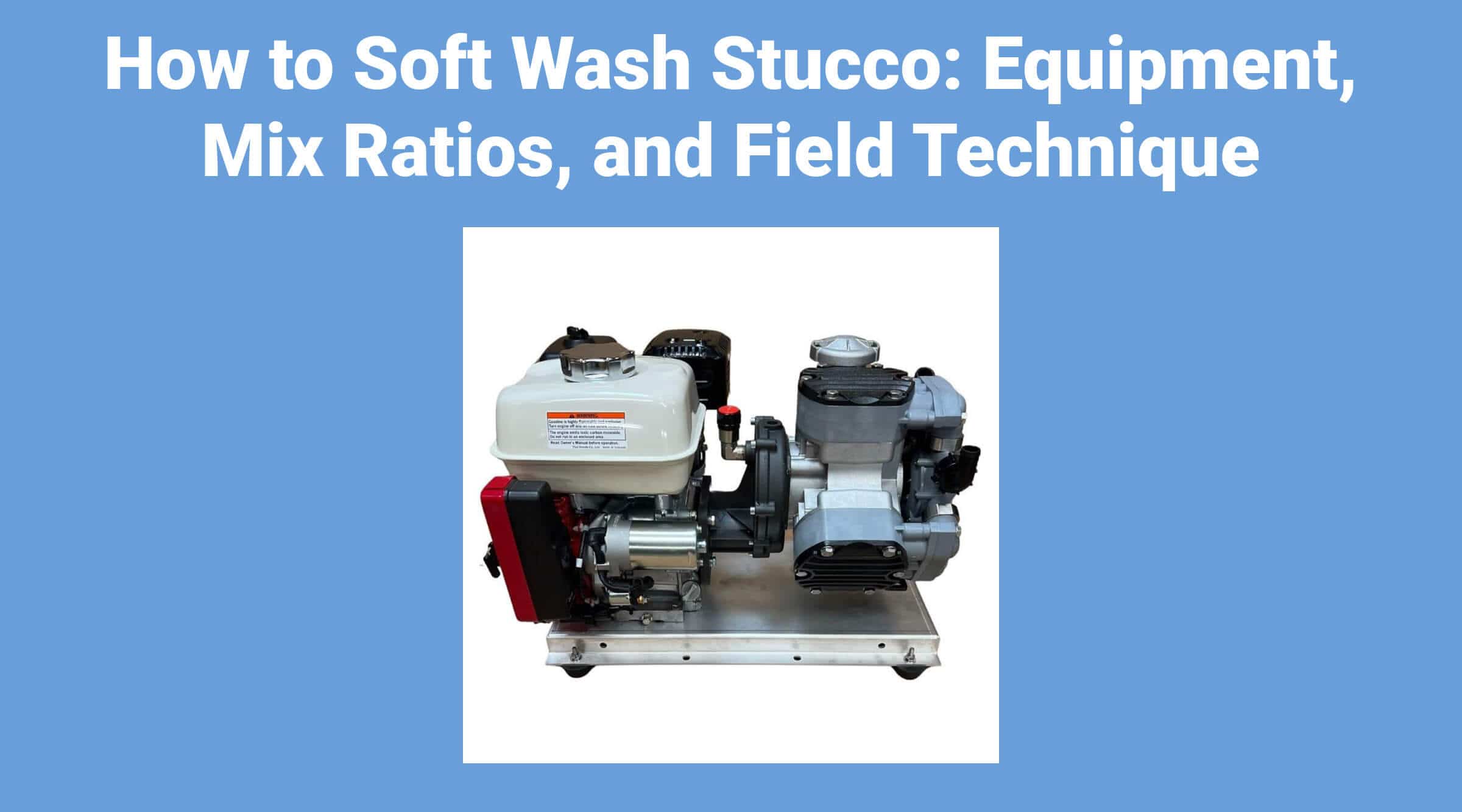
Downstream injectors often dilute SH below the threshold needed for heavy organic growth. A dedicated soft wash system applies a hot mix of sodium hypochlorite and surfactant directly through a low-pressure diaphragm pump — bypassing the pressure washer entirely and eliminating internal corrosion. For small residential patios, a battery-powered backpack sprayer works. For full-size pool cages, a ProTool 12V soft wash skid with a 50- to 100-gallon tank is the industry standard.
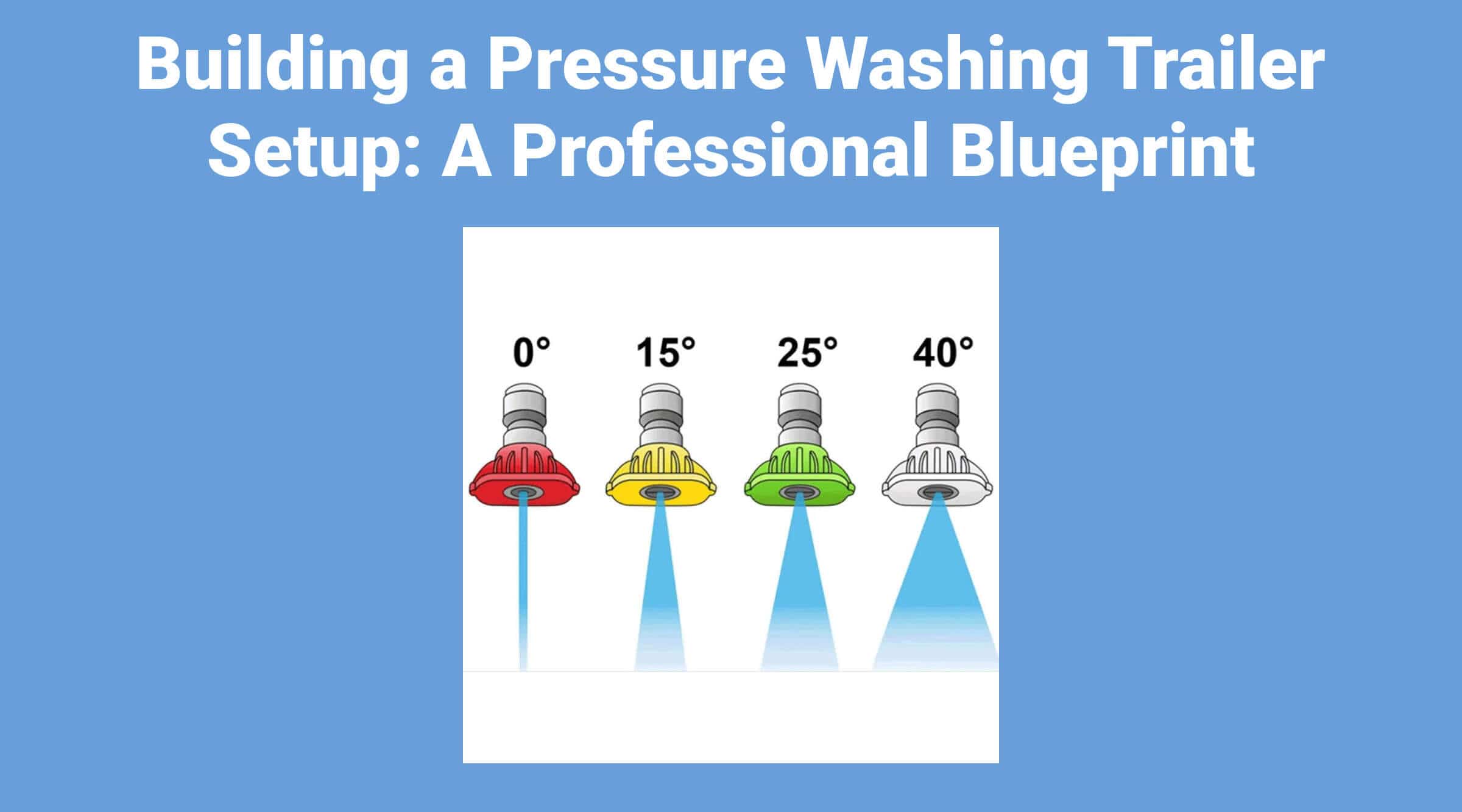
Nozzle selection controls both safety and speed. ProTool shooter tips let you apply chemicals to high peaks and roof sections from the ground, eliminating ladder work on wet surfaces.
Hose and Flow Rate
Flow rate matters as much as chemical strength. A 3/4" ID hose cuts friction loss compared to a standard 5/8" garden hose, letting a 12V or air-diaphragm pump maintain full GPM output. Without adequate flow, solution dries on the mesh before you can rinse — causing spotting and potential damage on large birdcage enclosures.
Agitation and Rinse Tools
Chemicals do most of the work, but heavy debris sometimes needs mechanical help. A soft-bristle brush dislodges stubborn buildup without tearing mesh. For delicate screens, a T-bar with a microfiber washer sleeve provides a gentler touch. Carbon fiber extension poles — like the ProTool Apex — are the professional choice over aluminum: roughly 30% more rigid and significantly lighter, which matters during full-cage jobs.
PPE — Non-Negotiable
Chemical-resistant gloves, a full-face shield or splash-proof goggles, and a respirator with organic vapor cartridges. SH at working concentrations causes immediate skin burns and generates chlorine gas in enclosed spaces. No exceptions.
The Step-by-Step Soft Wash Process
Pre-Cleaning Preparation
Clear the work area of all furniture, rugs, and decorative items. Tape off outdoor speakers, electrical outlets, and light fixtures with painter's tape and plastic sheeting. Pre-wet all surrounding plants and turf with fresh water for a full 10 minutes — this fills the plant's vascular system and blocks SH absorption.
Mixing Your Solution
Adjust SH concentration to the severity of the growth:
- Light green algae: 1% SH
- Heavy black mold / 24+ months neglected: 3% SH
Always add a surfactant — ProTool Sticky or ProTool Lemony — to the mix tank. The surfactant reduces surface tension so SH clings to vertical mesh instead of immediately dripping onto the deck. Wear chemical-resistant gloves and eye protection when handling concentrates.
Application Technique
Apply with a dedicated soft wash pump or battery-powered sprayer. Work in manageable sections, applying bottom to top. This prevents "tiger striping" — concentrated chemicals running down a dry frame and leaving permanent streaks on the powder coat.
Allow 5 to 10 minutes of dwell time. The organic matter will shift from green or black to translucent brown or white. That color change confirms the biological growth is dead and ready for removal.
Rinse — The Most Critical Stage
Rinse with high volume, not high pressure — 5 to 8 GPM at low PSI. High pressure dislodges aged splines and tears fiberglass mesh. Start at the top of the enclosure and work down, flushing all chemical residue from tracks and support beams. A thorough rinse prevents salt crystals from forming on aluminum frames after drying.
Safety Protocols and Property Protection
The Pre-Wet / Clean / Post-Wet Protocol
Every job follows three phases: saturate all vegetation for 10 minutes before application, apply the soft wash, then rinse all vegetation again to dilute residue. SH is a non-selective herbicide — it will brown tropical foliage and kill grass if it dries on the surface. Many professional crews assign a dedicated groundsman whose only job is keeping plants wet during application.
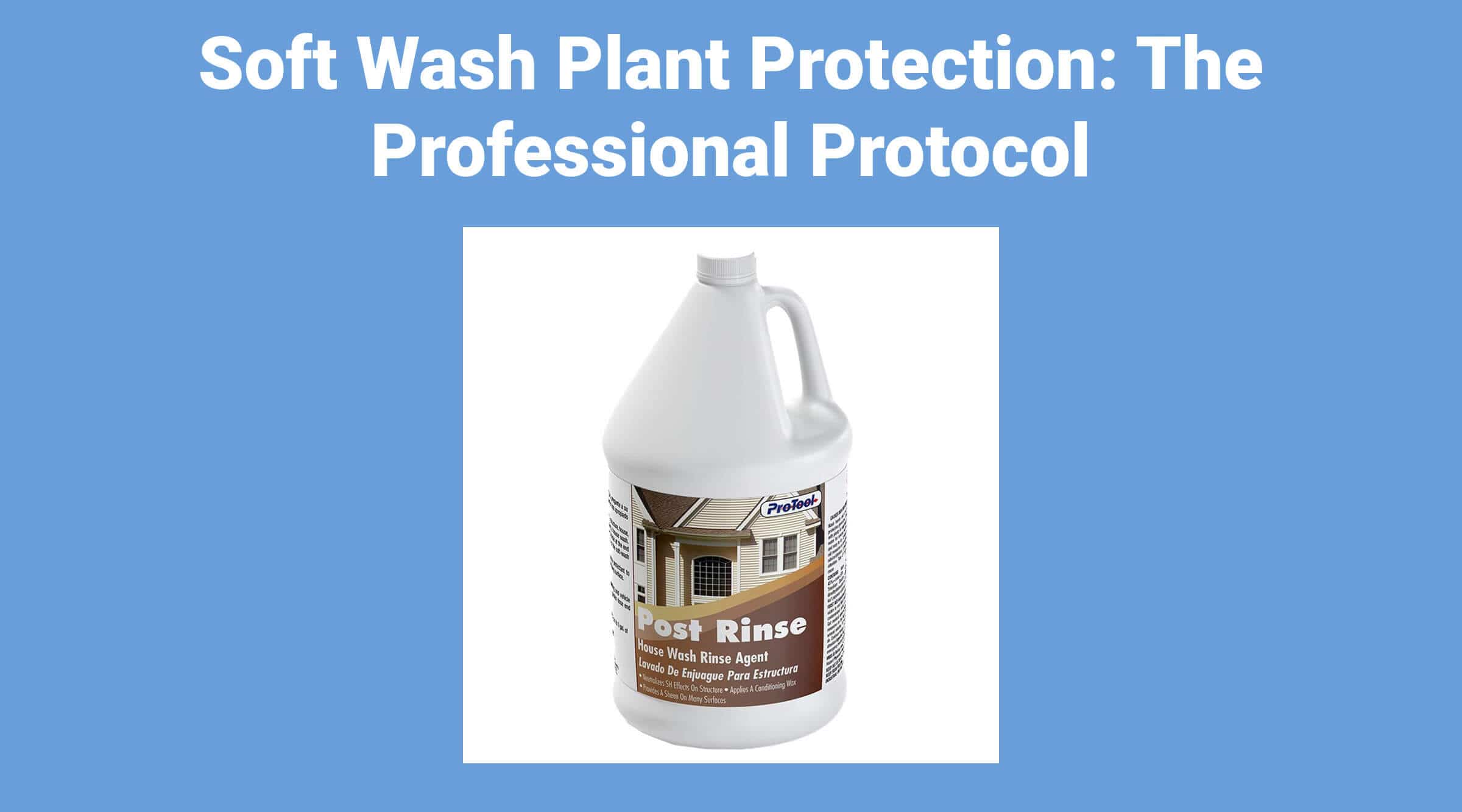
A plant-safe post rinse stabilizes soil pH and provides nutrients that help vegetation recover from incidental chemical contact. If you see leaf curling or spotting, you didn't use enough water during post-wetting.
Protecting the Pool and Deck
Excessive SH runoff into the pool spikes chlorine above 5.0 ppm — potentially irritating swimmers or stressing the filtration system. Aim spray away from the water. Test pool chemistry immediately after finishing; the standard target is 1.0 to 3.0 ppm free chlorine.
Watch the screen splines. These rubber gaskets hold the mesh in place and can pop out under moderate pressure on enclosures over 10 years old. If a spline lifts, stop and tuck it back with a rolling tool before the entire panel sags. Keep the deck surface flooded with water during the job to prevent SH from etching expensive stone or sealed pavers.
Electrical and Slip Hazards
Pool decks — especially sealed pavers or polished travertine — are extremely slippery when wet. Use ladders with non-marring, slip-resistant feet. Tape off all exterior electrical outlets and fixtures; water intrusion into a 120V outlet causes immediate shorts or long-term corrosion.
Maintaining Enclosures and Equipment
Post-Wash Inspection
Once the mesh is clear, verify structural integrity. Check spline channels for loose rubber or mesh pulling away from the frame. A thorough cleaning often reveals pre-existing tears hidden by heavy algae — address them immediately before wind-driven failure during storm season.
Equipment Care
SH corrodes standard pump components and metal fittings. Flush your entire soft wash system with fresh water or a neutralizing agent for at least eight minutes after every job. Store hoses and spray guns in a shaded, climate-controlled space to prevent UV degradation and seal dry-out. A well-maintained Comet P40 diaphragm pump or ProTool BPX25 skid sprayer delivers 500 to 1,000 hours of reliable run time under these protocols.
Cleaning Frequency
Most residential enclosures need a professional soft wash every 12 to 24 months. Properties under heavy oak or pine canopy experience organic regrowth roughly 40% faster due to constant debris and moisture retention. Train your eye to spot "shadowing" — small green specks on lower horizontal support beams — as the trigger for a 1% SH spot treatment before the next full service.
Products Mentioned
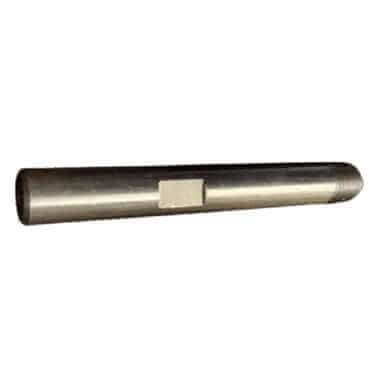 ProTool Shooter Tips Stainless Steel SKU: 75-57M | 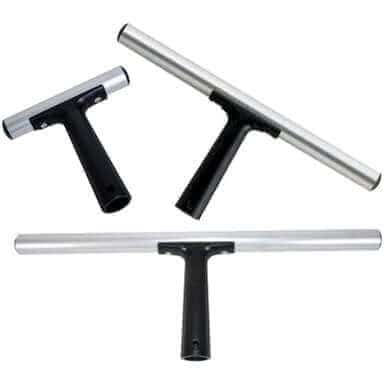 Pulex T-Bar Aluminum SKU: 10-31M | 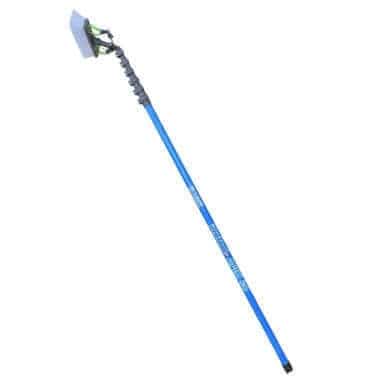 ProTool Apex Carbon Fiber Water Fed Pole SKU: 151-32M |
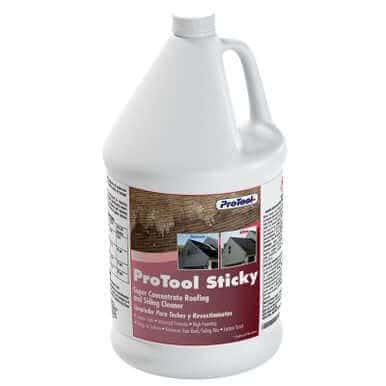 ProTool Sticky SKU: 83-07M | 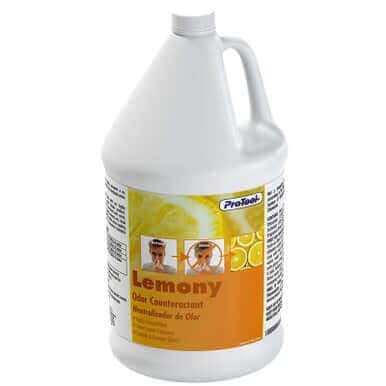 ProTool Lemony SKU: 83-05M | 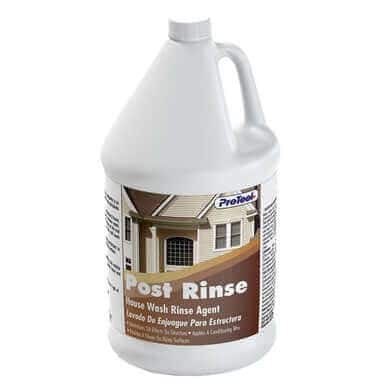 ProTool Post Rinse SKU: 83-03M |
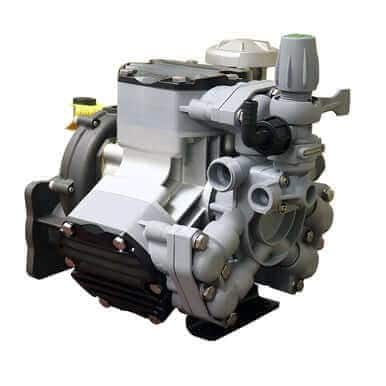 Comet P40 Diaphragm Pump SKU: 150-0428 | 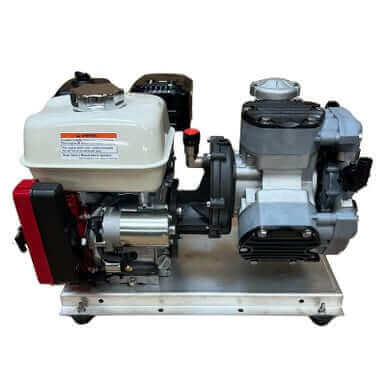 BPX25 - P40 Soft Wash Sprayer Skid SKU: 150-0432M |