Building a Pressure Washing Trailer Setup: A Professional Blueprint

Table of Contents
Building a pressure washing trailer setup that survives 40-hour weeks starts with decisions most guides skip — suction line diameter, tongue weight math, and unloader bypass plumbing. Get any of those wrong and you're chasing cavitation, trailer sway, or cooked pump seals before the first invoice clears.
This is the technical blueprint: trailer selection, the four core components, weight distribution, plumbing sequence, and the maintenance schedule that keeps the rig earning. Every spec is aimed at contractors running 4–8 GPM systems on residential and commercial routes.
Trailer Selection: Size, Axles, and Weight Math
Most builds start on a 5×8 or 5×10 utility trailer. The 5×8 is easier to maneuver in residential driveways; the 5×10 gives you room for a second chemical tank and full-size hose reels. Either way, the trailer is just a platform — what matters is what happens when you add water.
Water weighs 8.34 lb per gallon. A 225-gallon leg tank adds 1,877 lb before you bolt down the pressure washer (250 lb), surface cleaners (150 lb), or steel hose reels (100 lb). Once total loaded weight exceeds 3,500 lb, you need a tandem axle — not optional, not debatable. A single-tire blowout on a single-axle trailer at highway speed is a rollover waiting to happen.
GVWR and the 20% Margin
Every trailer has a Gross Vehicle Weight Rating stamped on the VIN plate — that's the absolute maximum including the frame itself. Leave a 20% margin for daily use. A 3,500 lb GVWR means you cap at 2,800 lb of gear and water. That margin absorbs the dynamic forces of water sloshing in transit and protects your suspension from premature failure.
Open vs. Enclosed
Open trailers dominate new builds for good reason: superior ventilation for gas engines, easy access to pull-starts and valves, and no exhaust routing headaches. Enclosed trailers give you 48–60 sq ft of rolling billboard and theft protection, but they require dedicated exhaust ports and cooling fans. Gas engines can push 140°F inside an enclosed box — enough to damage pump seals if airflow isn't engineered in.
Core Components: The Big Four
Retail buyers fixate on PSI. Contractors know GPM is what dictates cleaning speed. A 4 GPM unit is the floor for commercial work; stepping to 8 GPM doubles your surface cleaner width and cuts large-flatwork time roughly in half.
Pressure Washer: Belt Drive Wins
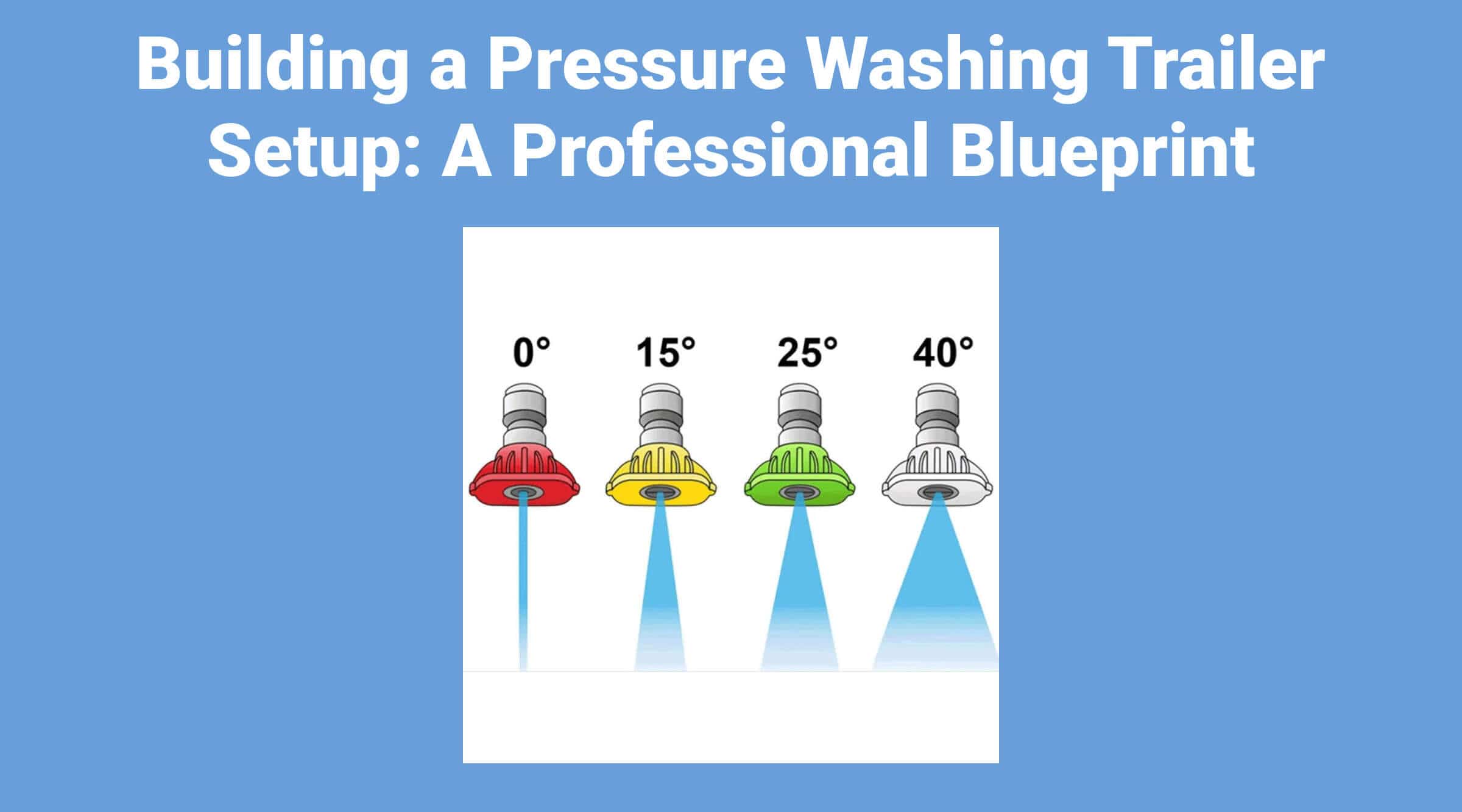
Belt-drive units spin the pump at roughly half engine RPM via a pulley system. Less heat transfer, less vibration, longer life on ceramic plungers and seals. They also draw water from a buffer tank more effectively than direct-drive units. Match your machine's output to the correct nozzle tip to avoid backpressure problems.
The Honda GX690 remains the engine benchmark — 22.1 HP, 3-year commercial warranty, and enough torque to keep an 8 GPM pump fed at full demand.
Buffer Tanks and Chemical Storage
Most residential spigots deliver 4–6 GPM. Any pump pulling more than that needs a buffer tank or it will cavitate and fail. Leg tanks are the professional choice because their molded feet bolt directly to the trailer frame, lowering the center of gravity compared to vertical tanks. A 100-gallon ProTool slim-footprint tank adds 834 lb to your payload — verify your GVWR before installation.
Store Sodium Hypochlorite in a separate, UV-resistant tank. Mixing SH with your clean-water buffer contaminates the pressure washer's internals and degrades chemical potency.
Hose Reels
Manual reels work. Electric-rewind reels save roughly 15 minutes of labor per stop. Stackable configurations — a ProTool stainless steel reel mounted on a stacking bracket — let you fit 200 ft of high-pressure hose and 100 ft of inlet hose in a 24-inch footprint. Use non-marking gray hose on residential routes to avoid scuff marks on decorative concrete.
Weight Distribution and Mounting
The 60/40 rule: 60% of cargo weight sits forward of the axle, 40% behind. This keeps your tow vehicle's rear tires planted and your steering responsive. Tongue weight should land between 10–15% of gross trailer weight. A 3,500 lb loaded trailer needs 350–525 lb of downward force on the hitch. Insufficient tongue weight is the leading cause of trailer sway — the fishtailing that accounts for a disproportionate share of towing accidents.
Placement Strategy
Center the water tank directly over the axles. A full 325-gallon tank is 2,710 lb — any offset creates a weight shift that induces sway above 45 mph. Balance laterally: if the engine sits on the driver side, mount chemical tanks or battery boxes on the passenger side. Unbalanced lateral weight accelerates tire wear by 20% or more. Mount hose reels at the rear or curb side so the operator works away from traffic.
Hardware That Survives
Use Grade 8 bolts and steel backing plates for every engine and pump mount. Grade 8 hardware delivers 150,000 psi tensile strength — necessary to absorb constant torque and road vibration. Never bolt through thin trailer mesh or plywood decking without a backing plate to distribute load.
Install rubber vibration dampeners under every engine mount. They reduce frame fatigue by up to 40% and protect internal pump valves. Secure tanks with steel cages or 2-inch polyester straps rated for at least 5,000 lb. At 60 mph, a sudden stop turns an unsecured 250 lb pressure washer into a projectile.
Plumbing: Step-by-Step
Plumbing is where most DIY builds fail. Start with 1-inch bulkhead fittings on the buffer tank for the main supply and 3/4-inch for the bypass return.
For the suction line, use wire-reinforced, non-collapsible suction hose — never garden hose. Standard hose collapses under the vacuum of a 5.5+ GPM pump, causing cavitation and permanent pump damage. Install a high-capacity strainer between tank and pump to intercept debris. This one step prevents the majority of valve and seal failures.
Unloader Bypass Loop
Plumb the unloader bypass back to the buffer tank. When the trigger gun closes, water recirculates through the tank instead of sitting in the pump head. Trapped water reaches 140°F+ in under three minutes — enough to warp seals and score plungers. A Hudson float valve at the tank inlet automates refill from the property spigot so you're not babysitting water levels.
For pumps exceeding 8 GPM, use 1.5-inch supply lines. Undersized lines starve the pump at peak demand — the exact cavitation problem from the opening of this article.
Soft Wash and Chemical Integration
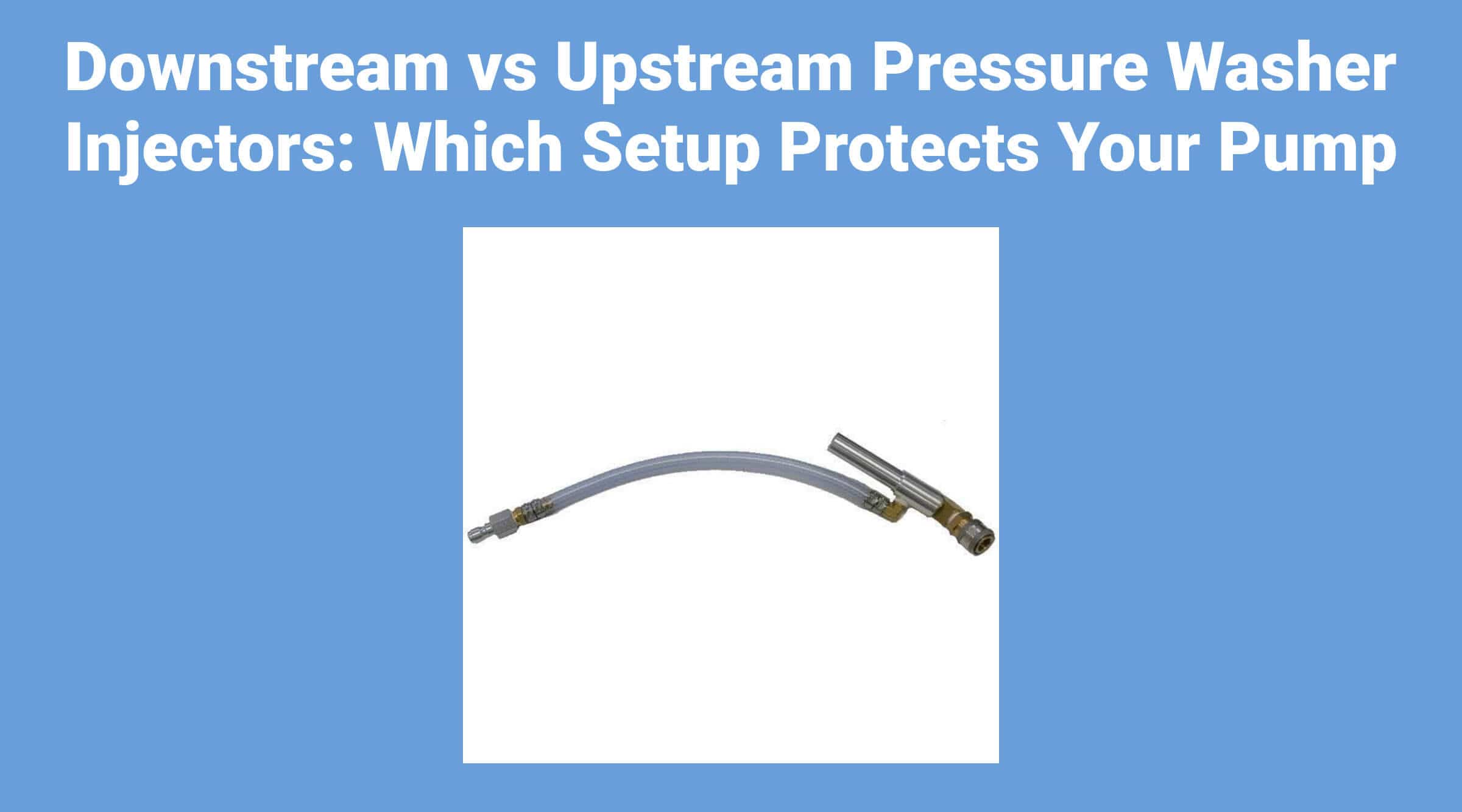
Place a downstream injector after the pump outlet so corrosive chemicals never touch pump internals. For roof work and other delicate surfaces, run a dedicated soft wash system with a 12V diaphragm pump. Use three-way ball valves to switch between water and chemical tanks instantly — no downtime swapping lines.
After assembly, pressure-test every connection. A pinhole leak on the suction side causes erratic pressure and pump surging. Run clear braided hose for the final 18 inches of the suction line so you can visually confirm zero air bubbles during operation.
Finishing, Maintenance, and Long-Term Reliability
The build details that separate a 12-month rig from a 10-year rig are all maintenance-related.
Use dedicated holsters for wands and guns to prevent transit vibration from destroying O-rings and trigger valves. Mount a surface cleaner rack on the trailer side — saves five minutes of setup per stop.
Winterization
Install a three-way valve on the pump intake so you can pull RV antifreeze from a small dedicated tank directly into the system. Drain all water from the buffer tank and lines first, then run the machine until pink fluid exits the gun. Skipping this step risks a cracked manifold — a $1,200 repair.
Maintenance Schedule
- Daily: Check fuel, clean inlet screen filters, inspect hose jackets for abrasion or bubbling.
- Weekly: Grease hose reel bearings, check battery terminals for corrosion.
- Monthly: Change pump oil, inspect unloader valves, check trailer tire pressure.
- Every 50 hours: Change engine oil.
Label every valve and switch with UV-resistant tags. New employees shouldn't have to guess which valve isolates the chemical tank — a wrong turn runs bleach through the pressure pump. For early-morning commercial contracts, 12V LED floods on all four corners create a safe work perimeter.
A hose failure at 4,000 PSI is a safety emergency and a production stop. Daily jacket inspections are not optional.
Products Mentioned
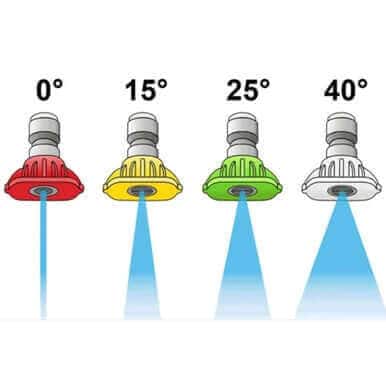 Nozzle Tip Quick Connect Pressure Washer 1/4in Plug SKU: 74-50M | 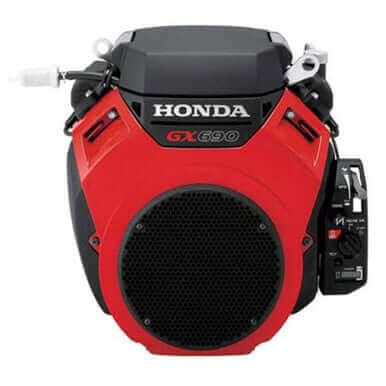 Honda Engine GX690 SKU: 74-7218 | 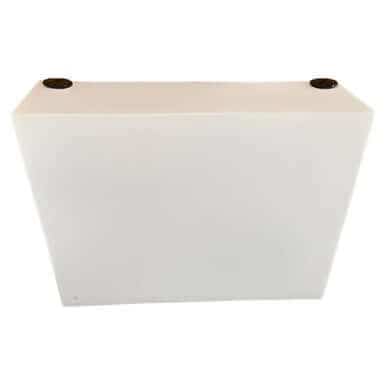 Tank 100 Gallon Slim Footprint 16in wide x 47in Long x 33in high SKU: 150-04394 |
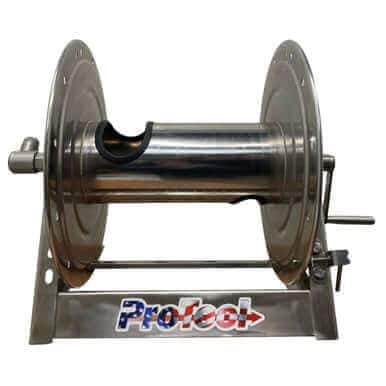 Reel Stainless Steel for 325ft 1/2in or 400ft 3/8in hose 4000psi SKU: 68-03 | 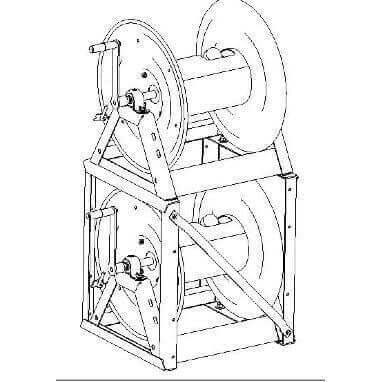 Stacking Bracket Stainless Steel SKU: 68-04 | 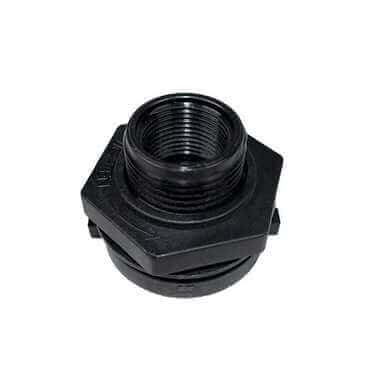 Bulkhead 1in. Fitting W/Gasket SKU: 74-8141 |
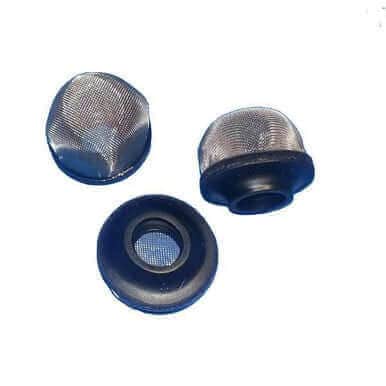 Tank Screen Strainer 1/2in FPT 50 mesh SKU: 74-2215 | 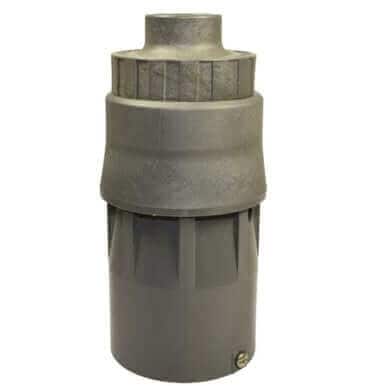 ProTool Water Level Hudson Valve 1/2in NPT 15gpm SKU: 150-1351 | 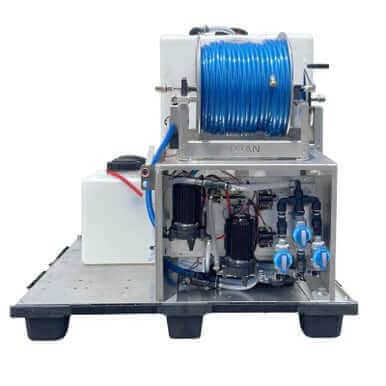 ProTool Soft Wash Skid 12V SKU: 150-047M |
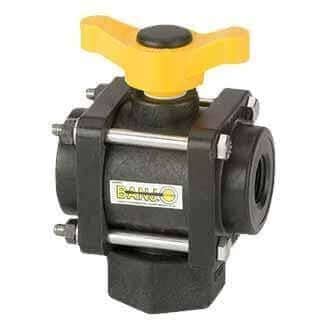 ProTool Softwash 2 Way Poly Valve Bottom Port SKU: 150-0882 | 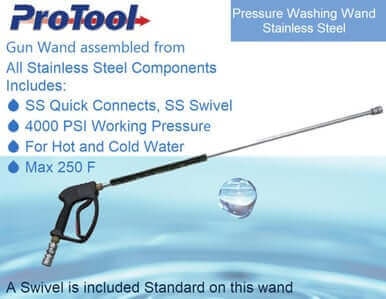 ProTool Gun with 36in SS Lance, SS Quick Connects and SS Swivel SKU: 74-5116 | 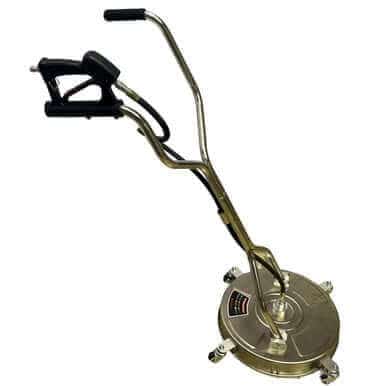 Surface Cleaner 18in Protool 4000psi SKU: 74-3795 |