
Solar Panel Cleaning Equipment: The 2026 Pro Buyer's Guide
Table of Contents
Accumulated grime can cut photovoltaic output by up to 25%. For the contractor, that makes solar cleaning an energy optimization service — one where wrong tools mean micro-cracks, hard water spots, and callbacks. Professional-grade solar panel cleaning equipment is how you protect the asset and deliver measurable results.
This guide covers the gear that matters for 2026: water-fed poles, pure water filtration, rotary brushes, and the safety systems that keep you compliant on pitched roofs. Whether you're scaling from residential rooftops to utility arrays, the goal is the same — a spot-free, 000 TDS finish without compromising anti-reflective coatings.
Why Equipment Quality Drives ROI
Dust, pollen, and environmental pollutants create a barrier that blocks photons from reaching silicon cells. On a commercial array, 25% lost output is real money over the life of a system. Professional solar cleaning restores that capacity with low-pressure water and high-purity filtration — no detergents, no residue, no film that attracts more dust.
Consumer-grade tools introduce risk. Household mops scratch. Abrasive sponges mar anti-reflective coatings. Standard detergents leave chemical films. Professional solar panel cleaning equipment uses flagged-bristle brushes designed for safe agitation — bristle tips split to create softer contact that won't damage the glass surface.
Micro-Cracks and Thermal Shock
Micro-cracks in silicon cells come from improper weight distribution — heavy poles, uneven pressure, or a technician leaning a pole against the panel face. These fractures create "hot spots" that permanently degrade output. They're invisible to the naked eye and cumulative over time.
Thermal shock is the other killer. Cold water on panels at operating temperature creates an extreme differential that can shatter tempered glass instantly. Schedule cleaning for early morning or late evening when panel temperature is lower. Professional-grade brushes are weighted specifically for solar glass load limits.
Residential vs. Commercial Scale
Residential roof-mounts need lightweight, maneuverable carbon fiber poles and compact filtration. A portable DI tank handles most residential source water. Commercial carports and ground-mount arrays demand multi-stage RO/DI systems for higher volumes and harder source water. Match equipment to project scale — overbuying kills margins on residential, and underbuying kills efficiency on commercial.
Water-Fed Poles and Solar Brushes
The stability of your pole determines both speed and cleaning quality. Unstable poles mean uneven pressure, missed spots, and risk to the glass surface.
Pole Material Selection
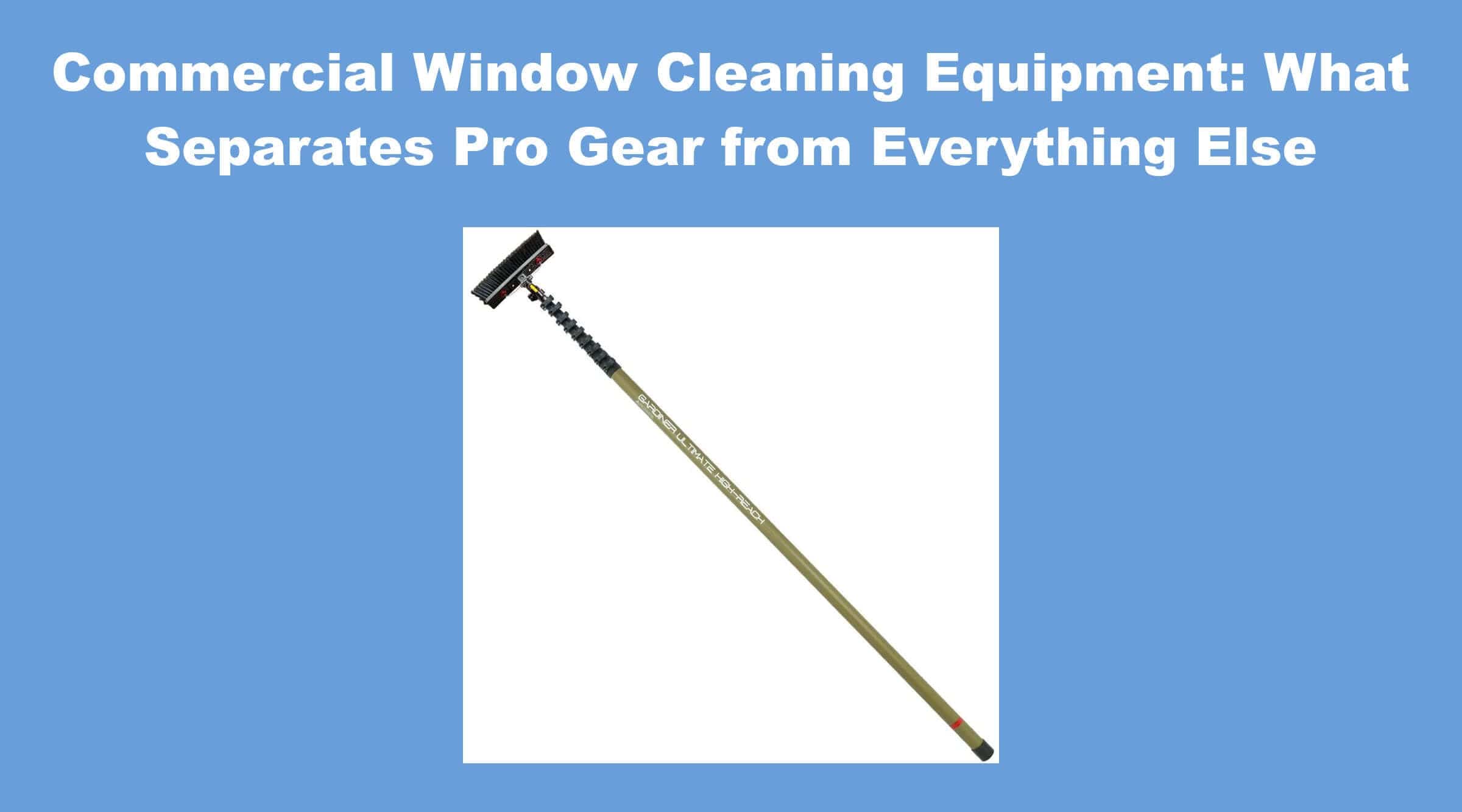
Carbon fiber is the standard for high-reach commercial work — maximum rigidity at minimum weight. The ProTool Apex Hi-Mod Carbon Fiber Pole delivers that combination for reaches above 40 feet with minimal pole whip. Hybrid poles (carbon/fiberglass mix) work for lower-profile residential systems but lose stiffness past 40 feet.
Telescopic poles allow rapid height adjustment between panel rows. Sectional poles offer consistent diameter for grip and leverage. Either way, minimize pole whip — excessive flexing causes the brush head to bounce, increasing micro-crack risk.
The Gardiner CLX 32ft Carbon Composite is a strong mid-range option for contractors who need reach without the weight penalty of aluminum. For crews working utility-scale arrays at extreme heights, Gardiner's Ultimate series extends to 90 feet in high-modulus carbon Kevlar.
Brush Technology
Solar brushes differ from window cleaning tools in one critical way: flagged bristles. The split bristle tips create a softer contact surface that agitates debris without marring anti-reflective coatings. Dual-trim designs are the most effective — longer, softer outer bristles for safe surface contact and shorter inner bristles for stubborn debris.
- Nylon brushes — best for general maintenance and light dust. The ProTool 14in White Nylon Brush is the workhorse for routine residential cleans.
- Boar's hair brushes — preferred for heavy organic soiling and bird droppings. The ProTool 12in Boar's Hair Brush delivers natural scrubbing power with integrated pencil jets for rinse coverage.
Integrated rinse bars above the brush head deliver a curtain of water that flushes loosened dirt before it settles. Nozzle selection matters — high-volume, low-pressure to avoid forcing water past panel edge seals, which causes internal corrosion.
Pure Water Filtration: DI vs. RO/DI
Pure water — stripped of all mineral content — is non-negotiable for solar work. TDS (Total Dissolved Solids) is the metric. Standard tap water contains calcium and magnesium that leave white scaling when it evaporates. On photovoltaic glass with anti-reflective coatings and light-trapping textures, mineral buildup is exceptionally difficult to remove once it hardens. Your filtration must reach 000 TDS for a spot-free finish without manual drying.
DI Filtration for Soft Water Areas
Deionization systems use ion-exchange resin to trap mineral ions. Effective and portable for residential work where source TDS is low. The ProTool DI Filter 20in RTU is a ready-to-use cartridge that fits most cart systems.
The trade-off: resin has finite capacity. Monitor output constantly with a TDS meter. Once you read above 010 TDS, the resin is exhausted. Running exhausted resin means mineral spots on panels, callbacks, and lost clients. The ProTool Inline TDS Meter with Triple Probes lets you monitor pre-filter, post-RO, and final output simultaneously.
RO/DI Multi-Stage Systems for Hard Water
For high-volume commercial work or hard water regions, a multi-stage Reverse Osmosis system removes ~95% of impurities before water reaches the DI resin. This dramatically extends resin life and drops your cost per gallon.
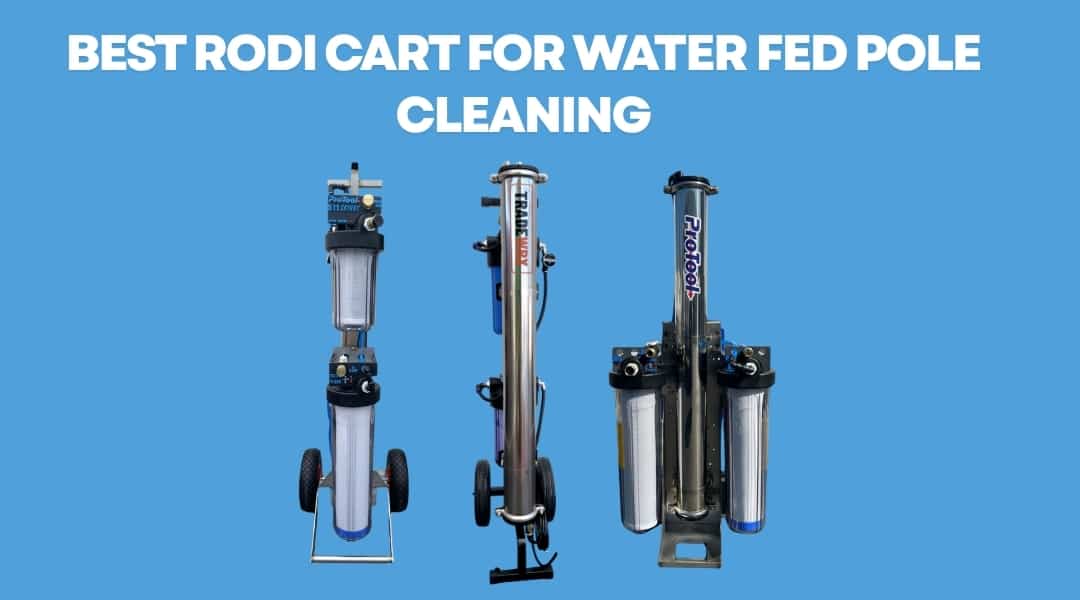
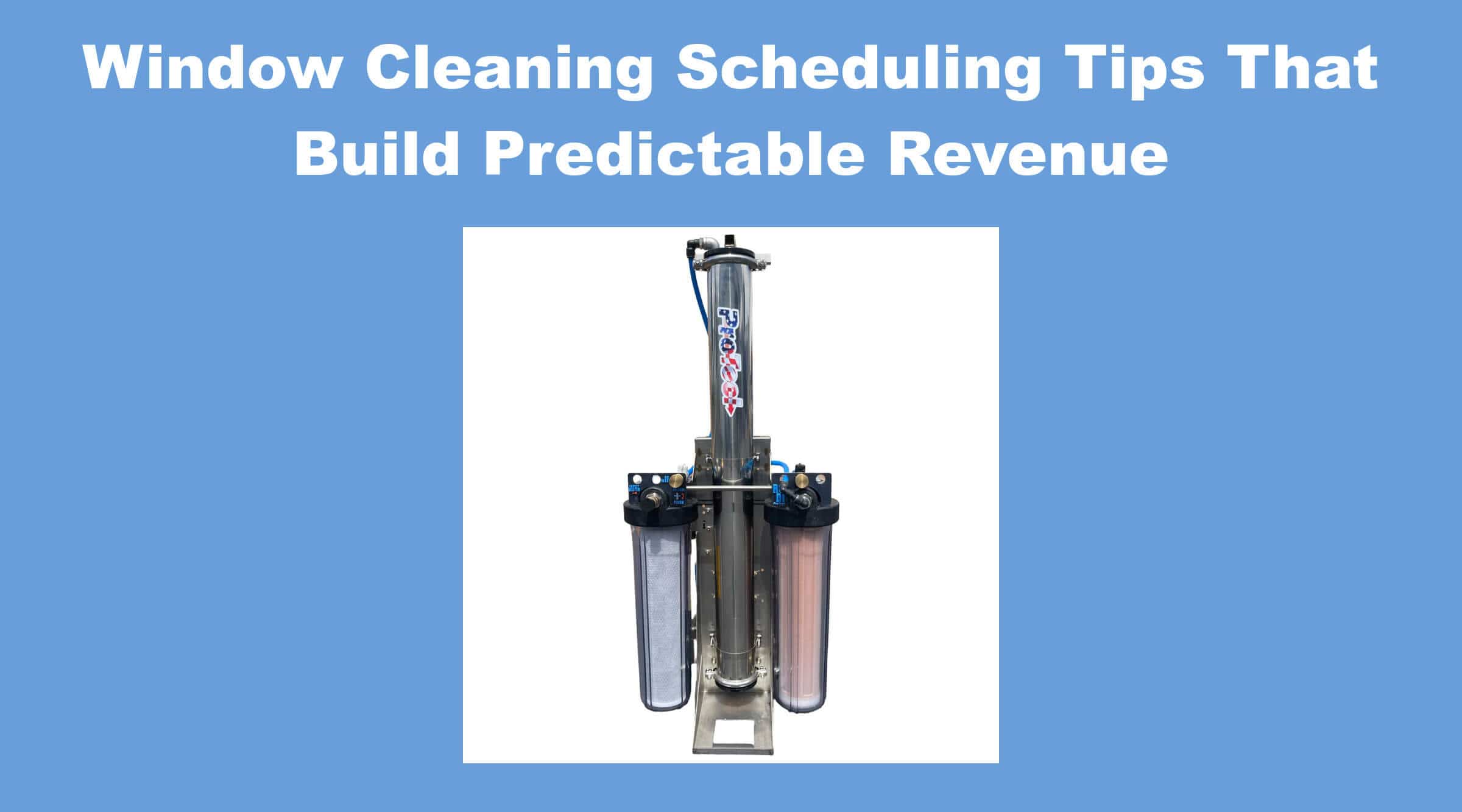
The ProTool HydroPanel RODI Wall Mount is built for contractors running daily operations — dual RO membranes, integrated pump plates, and clear-sump filter housings for visual monitoring. For mobile operations, the ProTool HiFlo Ultra Cart puts a complete RO/DI system on stainless steel wheels with 12V or 110V pump options.
RO/DI systems require sediment and carbon pre-filters to protect the membrane from chlorine and particulates. Budget for replacement filter cartridges — they're consumables, and skipping replacements kills your membrane early.
Rotary Brushes and Powered Systems
Static brushes handle light dust. Heavy organic buildup and bird droppings demand mechanical intervention. Rotary brushes use high-speed rotation to break surface tension on stubborn debris — fewer passes, less water consumed per panel, faster site completion.
Electric vs. Water-Powered Heads
Electric systems deliver consistent torque regardless of water pressure. The ProTool DualForce 25 is a counter-rotating electric brush with a floating brush system — it follows panel contours without the operator fighting torque at the end of a 40-foot pole.
Water-powered units like the 24in Water-Powered Rotary Brush use flow from your filtration system to spin the turbine. Lighter, simpler to maintain, no power cables to manage. The trade-off: they need specific flow rates to maintain effective RPM. Below minimum flow, the brush stalls.
For contractors entering utility-scale work, the 32in Electric Rotary Brush Kit ships complete with carbon pole and 50ft hose — a turnkey upgrade from manual poles.
Robotic Cleaning Systems
Utility-scale farms and massive commercial flat roofs eventually hit a labor bottleneck. Robotic cleaners are semi-automated — a technician monitors while the unit traverses the array autonomously. Higher upfront cost, but reduced human fatigue and the ability to operate in high-heat conditions offer clear long-term payback on large, contiguous arrays.
Safety and Field Implementation
High-reach poles and pure water systems are half the equation. Without proper safety-rated gear, you're carrying liability on every job.
Fall Protection for Solar Arrays
OSHA mandates fall protection at 4 feet for maintenance work. In California, Cal/OSHA requires guardrails or PFAS within 6 feet of a roof edge. Your safety checklist:
- Full-body harness — inspect daily for webbing wear and hardware corrosion. The ProTool Harness with Front, Back, and Side D-Rings covers the anchor point flexibility solar roofs demand.
- Temporary roof anchors — must support 5,000 lbs per worker without compromising waterproofing. The Reusable Roof Anchor meets that standard.
- Non-slip footwear — wet solar glass is exceptionally slick.
- Self-retracting lifelines — better mobility than standard lanyards with instant lock on a slip.
Route hoses and cables away from walking paths. Carbon fiber poles conduct lightning — stop work immediately if lightning is detected within 10 miles. Wind above 20 mph makes long poles dangerous and unproductive.
Pre-Cleaning Inspection and Workflow
Check for broken glass, exposed wiring, and compromised junction boxes before applying water. Grid-connected systems fall under OSHA 1910.269 — if damage is found, de-energize using lockout/tagout before proceeding.
Most manufacturers prohibit detergents. Pure water only for warranty compliance. Schedule cleanings early morning or late evening — cooler panels reduce thermal shock risk and prevent water from evaporating before it rinses clean.
Building Your 2026 Solar Cleaning Kit
The shift from general cleaning to precision solar maintenance is a technical upgrade and a business differentiator. High-modulus carbon fiber poles eliminate micro-crack risk. Multi-stage RO/DI filtration eliminates mineral scaling. Rotary brushes cut labor time in half on heavy soiling. And proper fall protection equipment keeps you compliant and insured.
Start with the solar panel cleaning equipment category to match poles, brushes, filtration, and safety gear to your operation's scale. The right setup pays for itself in fewer callbacks, faster completions, and clients who see measurable output recovery on their monitoring dashboards.
Products Mentioned
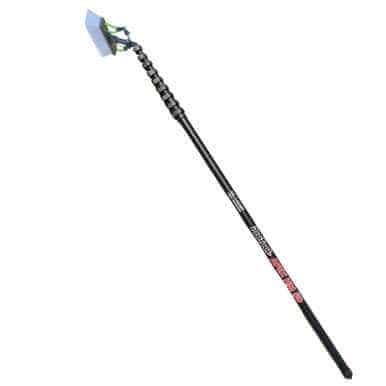 ProTool Apex Hi-Mod Carbon Fiber Pole SKU: 151-3502 | 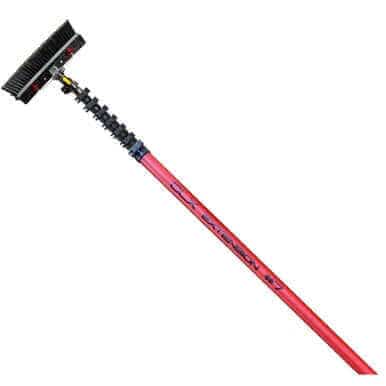 Gardiner CLX 32ft Pole Carbon Composite SKU: 155-4322 | 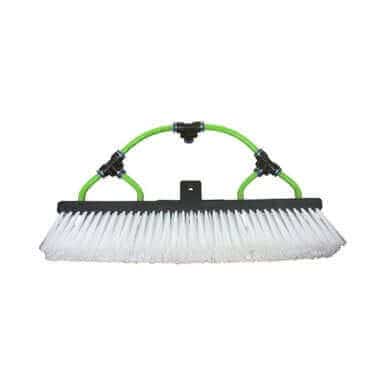 ProTool White Nylon Brush 14 in SKU: 151-20M |
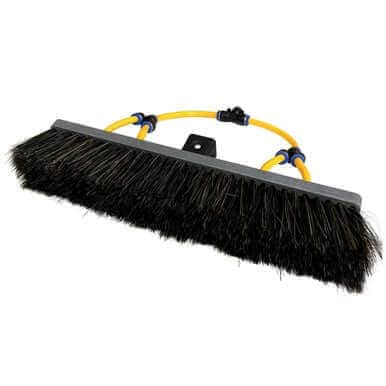 ProTool 4 Pencil-Jet Boar's Hair Brush 12in SKU: 151-221 | 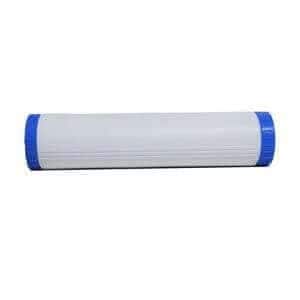 ProTool DI Filter 20in Blue/White RTU SKU: 150-012 | 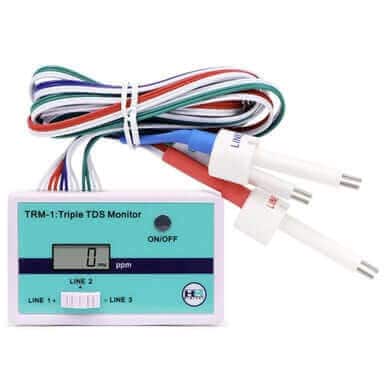 TDS Inline MeterTriple 1/4in Probes SKU: 150-017 |
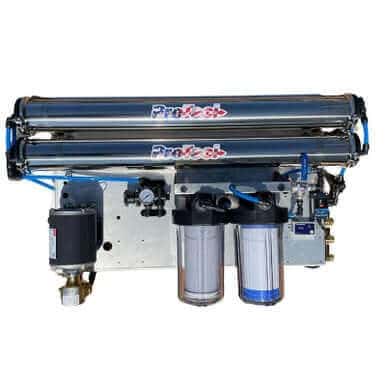 ProTool HydroPanel RODI Wall Mount SKU: 150-05346M | 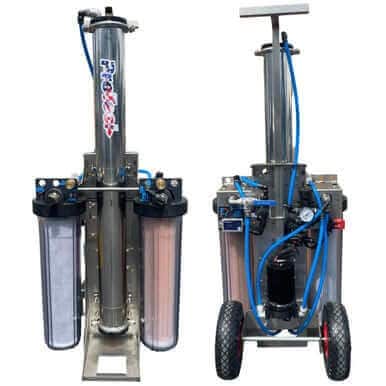 ProTool HiFlo Pure Water Ultra Cart SS 12V or 110V SKU: 150-0522 | 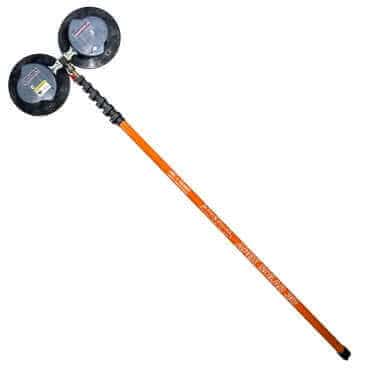 ProTool DualForce 25 Solar Brush SKU: 159-206 |
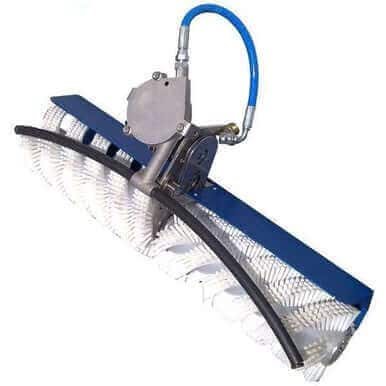 Rotary Brush 24 in (60cm) Water Powered SKU: Z159-134 | 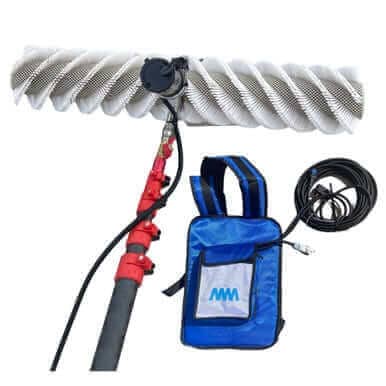 32in Rotary Brush Kit Electric Complete with Carbon Pole, 50ft Hose SKU: 159-1202 | 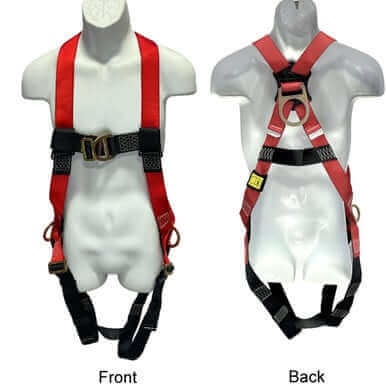 ProTool Harness with Front, Back and Side 2 Side D-Rings SKU: 96-10 |
 Roof Anchor Reusable SKU: 99-302 |