Surface Cleaner Swivels: What They Do, How They Fail, and When to Replace

Table of Contents
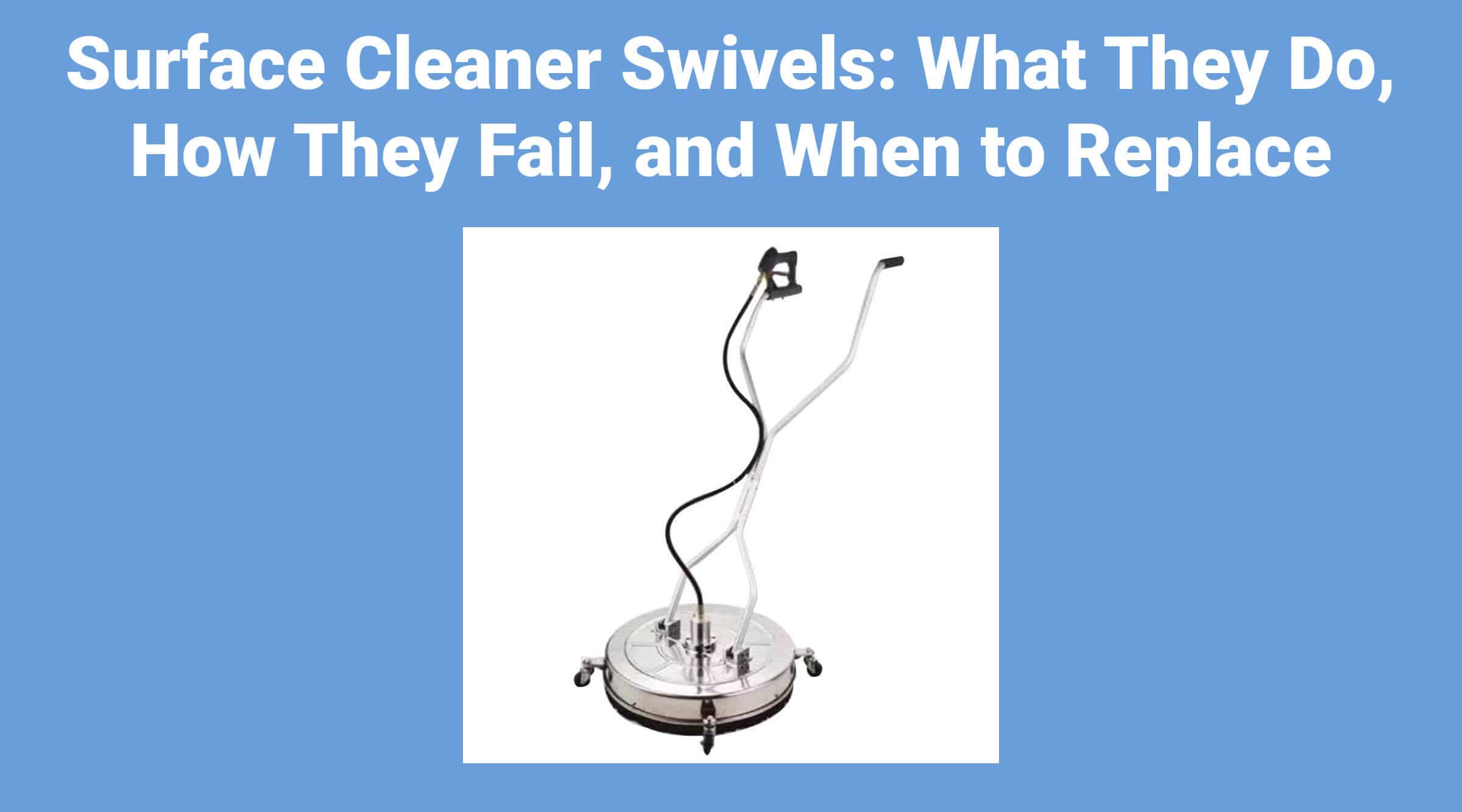
The surface cleaner swivel is a high-precision rotary union that connects your stationary pressure hose to the spinning spray bar. It converts linear pump pressure into controlled rotational force while holding a leak-free seal at 4,000–5,000 PSI and 2,000+ RPM. When it works, you forget it exists. When it fails — uneven striping, vibration, pressure loss — you're back to a wand on a job that demands speed.
Most contractors don't think about surface cleaner swivels until something goes wrong. This piece covers the internals, the specs that matter for replacement, and the maintenance habits that keep you off a parts-ordering detour mid-contract.
How a Surface Cleaner Swivel Works
Inside the housing: a hardened shaft, high-load ball bearings, and a seal stack — typically tungsten carbide or ceramic faces pressed together by O-rings and backup rings. The carbide faces are nearly impervious to the abrasive particulates that shred standard rubber seals in minutes.
Many professional-grade swivels include a weep hole — a small port that directs leaking water away from the bearing race. This is your early-warning system. Water dripping from the weep hole means a seal kit is due now, before water contaminates the grease and seizes the bearings entirely.
Bearings vs. Bushings
Commercial rigs use ball bearings, not bushings. Bushings appear in consumer-grade equipment and won't survive an 8-hour day. Within the bearing category, you choose between greaseable and sealed (non-greaseable). Greaseable bearings let you purge contaminants with fresh lithium grease; sealed units are maintenance-free until the bearings wear out, at which point you replace the whole unit. Ignore bearing wear long enough and you'll get the "death wobble" — an aggressive vibration that shakes the surface cleaner apart and gouges concrete.
Material Selection
Stainless steel shafts and housings resist the corrosive effects of sodium hypochlorite and other downstream chemicals. Brass appears in lower-rated internals but warps and pits under sustained commercial torque loads. If you're running SH or any aggressive detergent regularly, stainless is the only defensible choice.
Choosing the Right Swivel: PSI, GPM, and Temperature
Every swivel carries three critical ratings. Get any of them wrong and you risk equipment damage or operator injury.
PSI. The swivel's max PSI must meet or exceed your pump's maximum output. A 3,500 PSI swivel on a 4,500 PSI pump will blow seals immediately. There is no gray area here.
GPM. The internal orifice diameter determines flow capacity. An undersized swivel bottlenecks the system, creates backpressure on your pump, and reduces cleaning impact at the nozzles. Match the swivel's rated GPM to your pump output — don't assume compatibility.
Temperature. Standard rubber seals fail above 140°F. If you run a hot water system, you need swivels with specialized elastomers rated to 250°F+. Thermal expansion of the metal components changes seal dynamics — a standard swivel on a hot rig is a ticking clock.
Thread Sizes
Most professional surface cleaners use 1/4" or 3/8" NPT connections. Verify thread size before ordering — cross-threading a high-pressure connection is how small problems become large ones. Use quality thread sealant or Teflon tape on every connection.
Maintenance That Actually Extends Swivel Life
A well-maintained swivel lasts hundreds of operational hours. A neglected one can fail in a single season.
Lubrication (greaseable models): One to two pumps of high-temperature lithium-based grease every 10–12 hours of operation. Cheap insurance.
Chemical flush: Run fresh water through the system after using SH or any corrosive detergent. Chemical residue crystallizes on carbide seal faces and creates an abrasive surface that destroys seals on the next startup.
Pre-job inspection: Before any major contract, check for shaft play — vertical or horizontal movement means the bearings are nearing end of life. Catching this on your shop floor costs you 15 minutes. Catching it on a 50,000-square-foot commercial lot costs you a day.
Common Failures and What They Tell You
- Hard to turn by hand: Debris in the spray bar or advanced bearing corrosion. Disassemble, clear, or replace bearings.
- Weep hole leak: Internal seal failure. Replace the seal kit immediately — water in the bearing race causes total seizure.
- Excessive vibration: Unbalanced spray bar or bent shaft. Check nozzles for clogs first — one clogged nozzle creates asymmetric force that vibrates the swivel apart.
- Pressure loss: Worn high-pressure seals bypassing water around the spray bar. Pump works harder to compensate, accelerating pump wear.
Repair vs. Replace
If the housing and shaft are clean — no pitting, no erosion — a seal kit is the cost-effective fix. If the shaft is scored or the housing shows erosion, a rebuild kit will fail almost immediately on the compromised surfaces. Non-serviceable sealed swivels get replaced outright once they leak. Running a "limping" swivel on a commercial job is a liability: uneven results and blowout risk.
Replacement Swivels and Parts at J.Racenstein
J.Racenstein stocks swivels and rebuild kits matched to the surface cleaners contractors actually run. A few specifics worth knowing:
- The ProTool 24" Stainless Steel Surface Cleaner and ProTool 30" Stainless Steel Surface Cleaner use swivels rated for commercial 4,000 PSI operation — matched to the pumps most contractors pair them with.
- The ProTool Swivel for 18" Surface Cleaner and ProTool Spinner Bar for 18" Surface Cleaner are the direct replacement parts when that unit needs service.
- Hammerhead Swivel Rotary Head Repair Kit — the rebuild option for PressurePro Hammerhead units when the housing is still sound.
- Swivel Assembly Series 3 for Whisper Pro — drop-in replacement for Whisper Wash Pro-series surface cleaners.
- Mosmatic 21" Recovery Surface Cleaner — for contractors running reclaim jobs who need Mosmatic's Swiss-engineered carbide seals.
Swivel size is determined by your pump's GPM and the spray bar's thread size, not the deck diameter. A 20" surface cleaner and a 24" surface cleaner may use the same swivel if they share pump specs and thread configuration. Always verify PSI rating, GPM capacity, and NPT thread size against your equipment's manual before ordering.
Browse the full surface cleaners and parts category or the surface cleaner parts section for seal kits, spray bars, and replacement housings.
Products Mentioned
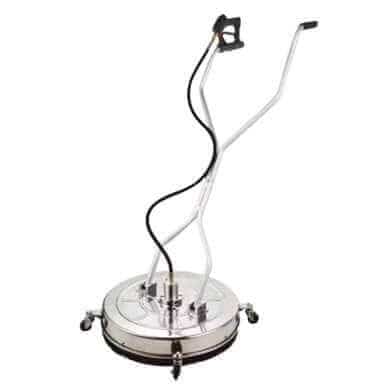 ProTool 24" Stainless Steel Surface Cleaner SKU: 74-3785 | 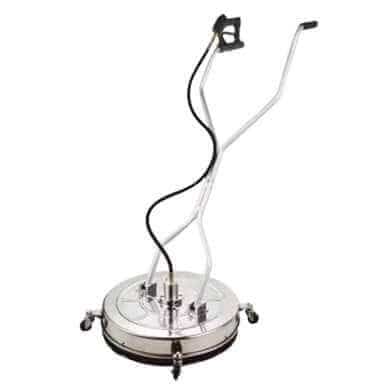 ProTool 30" Stainless Steel Surface Cleaner SKU: 74-3790 | 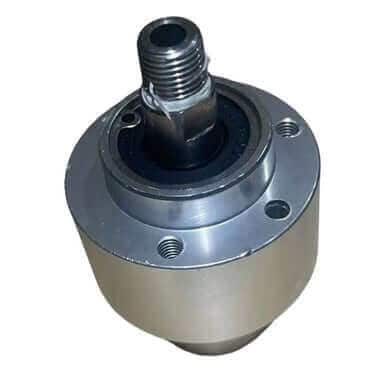 Swivel for Surface Cleaner 18in ProTool SKU: 74-3798 |
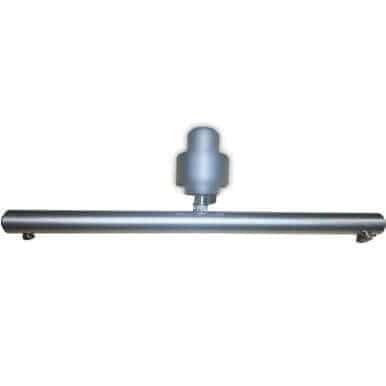 Spinner Bar for Surface Cleaner 18in ProTool SKU: 74-3797 | 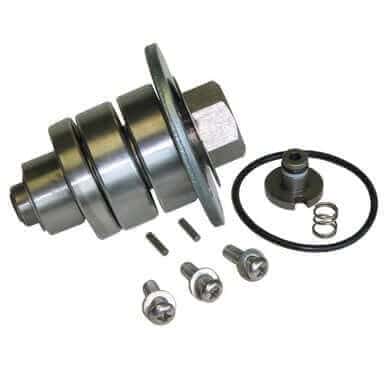 Hammerhead Swivel Rotary Head Repair Kit SKU: 74-38052 | 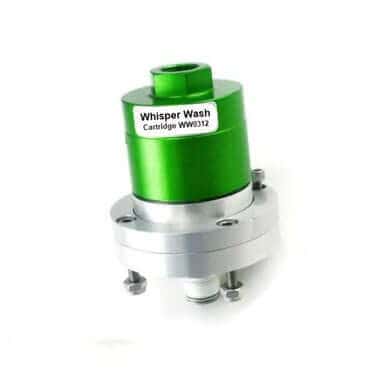 Swivel Assembly Series 3 for Whisper Pro SKU: 74-38161 |
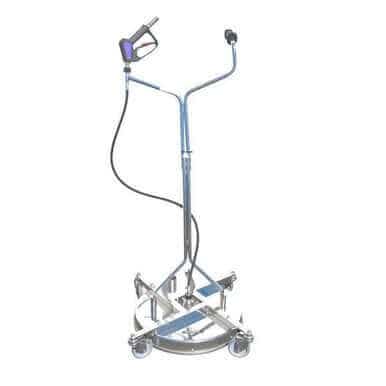 Recovery Surface Cleaner 21in Mosmatic SKU: 74-2510 |