
Water Fed Pole Techniques That Eliminate Rework
Table of Contents
Water fed pole techniques that deliver spot-free results every time aren't about pressure — they're about understanding how pure water interacts with glass, frames, and environmental debris. Most spotting problems trace back to technique gaps, not equipment failures. The scrub-and-rinse sequences below are the difference between callbacks and clean glass that stays clean.
Pure Water Chemistry: What Actually Happens on the Glass
Filtered pure water is chemically unstable. With minerals stripped out, it aggressively bonds with anything on the glass — dirt, pollen, oxidation, bird deposits. That's your cleaning mechanism. Unlike soap-based traditional cleaning, pure water absorbs contaminants on contact and leaves zero residue to attract new particles afterward.
But pure water alone won't do it. Without mechanical agitation from the brush, water flows over bonded debris without lifting it. The combination of pure chemistry and physical scrubbing is what makes water fed pole techniques work — and what makes sloppy technique so visible when the glass dries.
TDS: The Non-Negotiable Number
Your TDS meter is the only tool that tells you whether your resin is still active. Target 000 ppm. Anything above 010 ppm significantly increases spotting risk as water evaporates. Cold inlet water slows ion exchange in DI resin, and unregulated high pressure can bypass filtration stages entirely. Check your meter after every job — not every week.
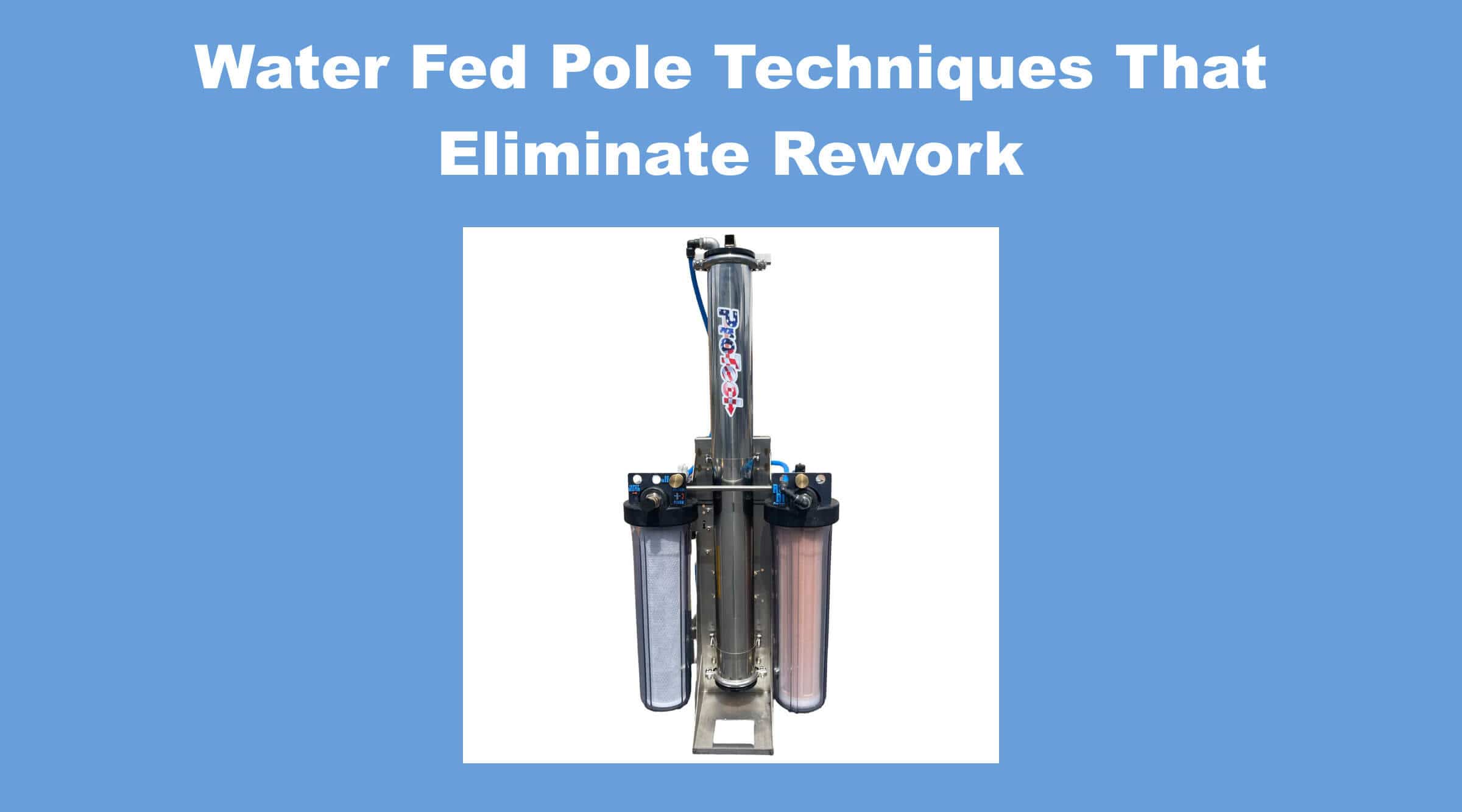
If you're burning through resin fast in a hard-water area, a standalone DI tank won't cut it. A multi-stage RO/DI system like a ProTool HiFlo Pure Water Cart removes the bulk of dissolved solids before the resin, extending consumable life dramatically and dropping your cost per gallon.
Hydrophilic vs. Hydrophobic Glass
Hydrophilic glass sheets water across its surface — easier to rinse top-down. Hydrophobic glass (coated, treated, or aged with silicone contamination) beads water, trapping dirt between droplets if coverage is incomplete. Hydrophobic panes need a fan-jet rinse pattern for full coverage. Hydrophilic glass benefits from a gravity-driven sheeting rinse. Using the wrong pattern on hydrophobic glass is the single most common cause of mystery spots after the job.
The 5-Step WFP Clean
Consistency comes from standardized process, not from individual heroics. Every technician on your crew should follow the same sequence on every pane — residential bay window or 10-story curtain wall.
Steps 1–2: Frame Flush and Top Scrub
Frames are the primary source of post-clean spotting. Silt and debris accumulate in the top seal. If you scrub the glass first, that debris bleeds onto clean glass as the water dries. Flush top and side frames before the brush touches glass. Use the brush head to mop the top edge, catching debris that water alone misses. This eliminates the most common callback trigger.
Steps 3–5: Agitation, Pattern, Final Rinse
Work horizontal strokes across the glass, overlapping each pass by 50%. That overlap accounts for reduced pressure at the edges of the bristle field. Every square inch gets mechanical agitation.
For the final rinse, lift the brush 2–4 inches off the glass. The water jets create a sheeting action, and gravity pulls remaining particles down and off the pane. Timing matters — finish the rinse before evaporation starts, especially in direct sunlight or on hot surfaces. On a 90°F day with sun exposure, you may have under 60 seconds before water starts drying on the glass.
High-Reach and Obstacle Maneuvering
Above 30 feet, pole flex becomes a real problem. The brush bounces, rinse patterns go uneven, and operator fatigue accelerates. The fix isn't muscling the pole harder — it's switching from arm-driven movement to core-centered control. Anchor the pole against your hip or use a support belt. Your body becomes the stabilizer, and brush pressure stays consistent even at full extension.
Gooseneck Selection
Shallow goosenecks work for standard residential. Deep commercial sills need a 45-degree or adjustable Gardiner 14in 55° Gooseneck to reach the glass without the pole hitting masonry. The pole's rigidity determines how much scrubbing force actually reaches the pane. Hybrid poles absorb energy through vibration — the operator works harder for the same result. A high-modulus carbon pole like the ProTool Apex Hi-Mod or a Gardiner SLX 39ft transfers force directly.
Architectural Obstacles
Juliet balconies, sunshades, deep reveals — use the "Pivot and Glide" approach. Rotate the pole on its vertical axis to slide the brush behind the barrier instead of fighting it with vertical force. Adapt your stroke pattern to the structure:
- Side-to-side sweeping — best for sunshades and wide horizontal panes. Keeps jet distance predictable.
- Vertical strokes — narrow sections where lateral movement is restricted by the facade.
- Angle compensation — adjust your distance from the building so rinse jets hit the top seal at a downward trajectory.
If an overhang prevents getting the brush above the top frame, use the "flick rinse" — the pole's natural flex snaps water onto the upper seal. It's imprecise, but it works when nothing else can reach.
Troubleshooting Persistent Spots
If your TDS reads 000 and you're still seeing spots, the problem isn't your water. It's seal bleed or frame oxidation.
Seal bleed: Pure water penetrates rubber gaskets and flushes out years of trapped silt. That dirty water drips onto clean glass as it dries. On problematic windows, keep your brush half an inch below the top seal to avoid charging the gasket with excess volume.
Frame oxidation (chalking): Common on older aluminum and painted frames. Pure water hitting oxidized surfaces creates milky runoff that ruins the glass. Look for milky discharge during your initial scrub — that's your signal. For neglected first-time cleans, use a double-rinse: heavy scrub and rinse to pull oxidation, then a second lighter rinse after the frames stop dripping.
Use a stiff-bristle ProTool 4 Pencil-Jet Hybrid Brush for heavy first-clean buildup, then switch to a softer maintenance brush for the final pass.
Water Temperature and Spotting
Heated pure water reduces the surface tension of organic contaminants — bird droppings, snail trails, tree sap lift faster with less agitation. In cold weather, evaporation slows, which paradoxically increases spotting risk if the rinse isn't thorough: water sits on the glass longer, and any impurity in the rinse gets more time to deposit.
Equipment Choices That Drive ROI
Poles: The 30-Foot Threshold
Below 30 feet, hybrid poles balance durability and cost for residential routes. Above three stories, hybrid flex makes precise technique impossible. High-modulus carbon fiber — the ProTool Apex or Gardiner CLX 32ft — provides the rigidity to apply consistent pressure at 40–60 feet without bounce. Poles with longer individual sections also reduce clamp count, cutting setup and teardown time on commercial sites.
Filtration: DI vs. RO/DI
In high-TDS areas, DI-only setups burn resin fast and erode margins. An RO membrane upstream removes 95%+ of dissolved solids before the resin, extending DI life by 5–10x depending on inlet water quality. For high-volume commercial work, a van-mounted system like the ProTool HydroPanel Wall Mount integrates high-flow pumps and large-capacity tanks for multi-operator jobs without flow-rate drops.
Portable carts like the ProTool 511 Cart handle restricted-access sites where the van can't get close. Match the system to the job type — don't haul a van rig to a residential route, and don't try to feed a three-man commercial crew from a portable cart.
Brush Selection
Natural boar's hair provides superior agitation for heavy first-time cleans. Synthetic nylon is lighter and facilitates faster sheeting on regular maintenance. A ProTool Boar's Hair 12in paired with a nylon dual-trim gives you both options in the van.
Maintenance Schedule
Flush RO membranes regularly to prevent mineral scaling. Monitor pump output pressure — drops signal wear. Replace DI resin when TDS exceeds 010 ppm, not when you notice spots on the glass (by then you've already left callbacks behind you). Consistent maintenance is what separates a system that lasts years from one that fails mid-job.
Products Mentioned
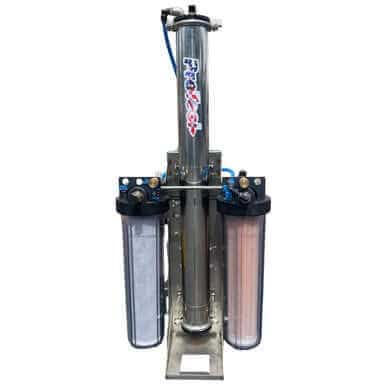 ProTool HiFlo Pure Water Cart Stainless Steel SKU: 150-0521 | 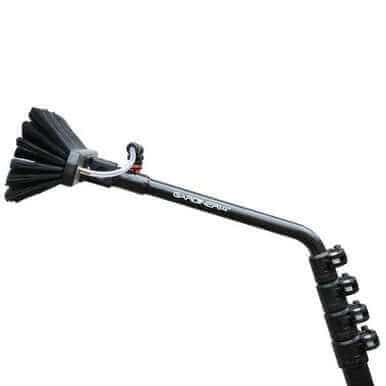 Gardiner Gooseneck Carbon 14in 55deg Quick-Loq SKU: 157-4053 | 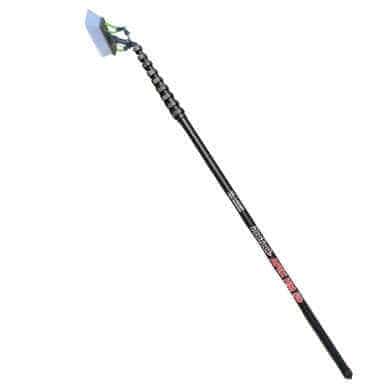 ProTool Apex Hi-Mod Carbon Fiber Pole SKU: 151-3502 |
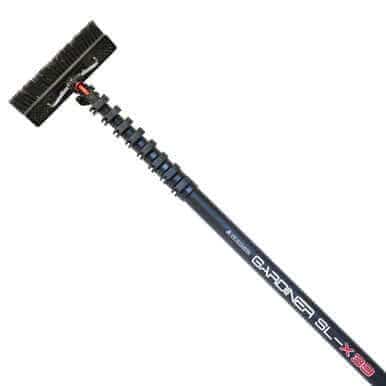 Gardiner SLX 39ft Tele Pole Carbon Complete SKU: 155-4391 | 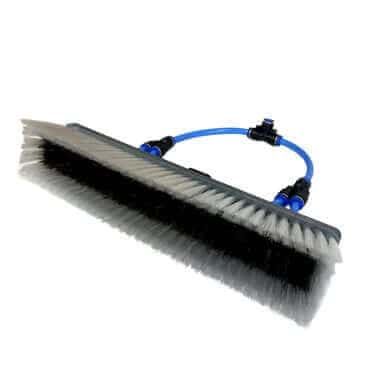 ProTool 4 Pencil-Jet Hybrid Brush 12in SKU: 151-211 | 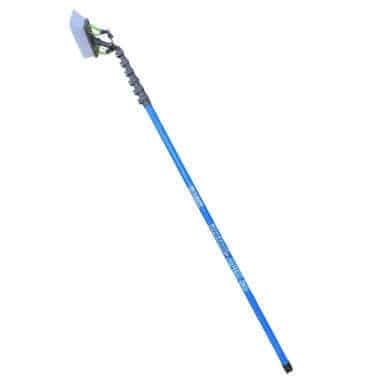 ProTool Apex Carbon Fiber Water Fed Pole SKU: 151-32M |
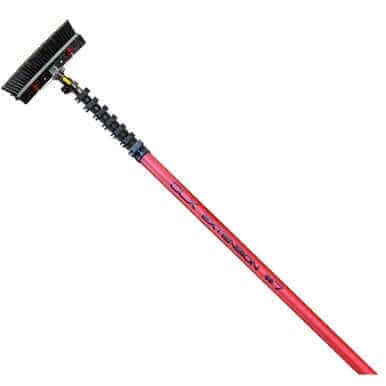 Gardiner CLX 32ft Pole Carbon Composite SKU: 155-4322 | 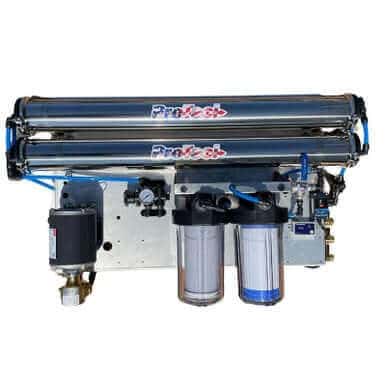 ProTool HydroPanel RODI Wall Mount SKU: 150-05346M | 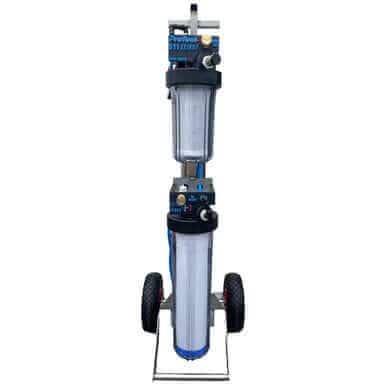 ProTool 511 Pure Water Cart SKU: 150-0515 |
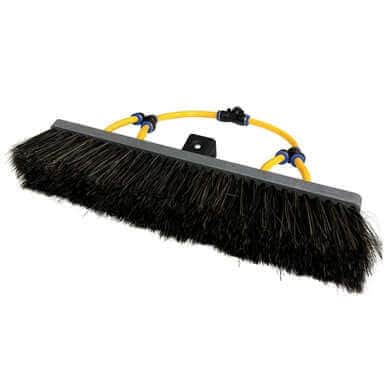 ProTool 4 Pencil-Jet Boar's Hair Brush 12in SKU: 151-221 |