Window Cleaning Safety Equipment Checklist: Uniforms That Work Under Harnesses
Table of Contents
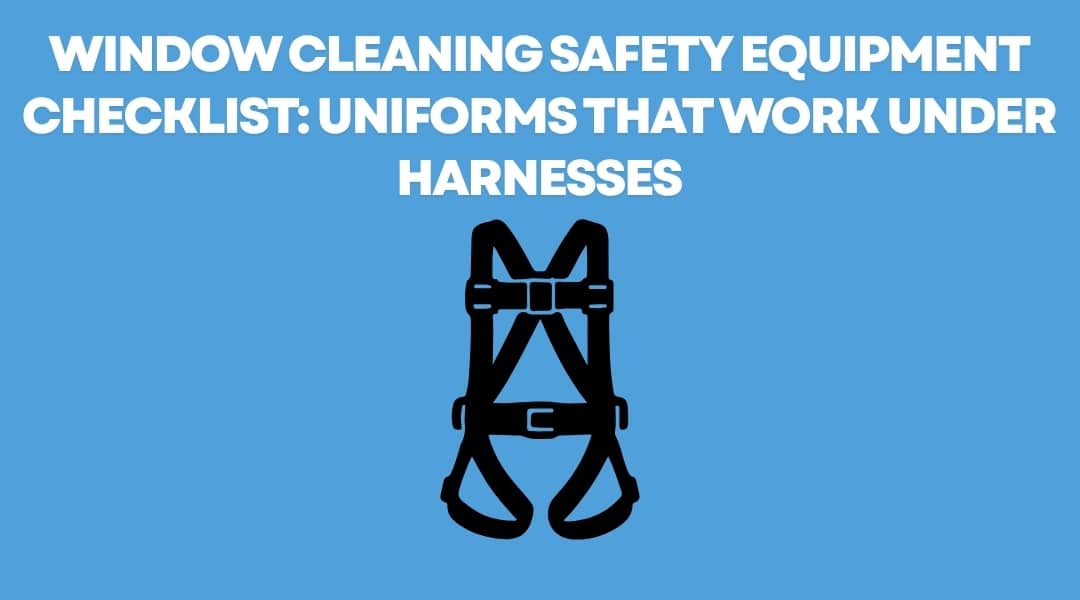
Your window cleaning safety equipment checklist probably covers harnesses, anchors, ropes, and lanyards. It probably does not cover what your crew wears under that gear — and that gap costs you. Uniforms that absorb sodium hypochlorite disintegrate within weeks. Shirts that bunch under harness straps cause chafing that pulls a tech's focus from the glass to their own discomfort. Apparel is PPE. Treat it that way.
This guide covers fabric selection for chemical resistance, garment design for fall-protection compatibility, ANSI visibility compliance, and maintenance protocols that extend uniform life. If you run crews doing rope access, water-fed pole work, or soft washing, every section applies.
Why Apparel Belongs on Your Safety Checklist
A uniform is the first piece of PPE a technician puts on. It sits between skin and every hazard on the job — UV, chemical splash, abrasion from ladders and masonry. Operators who treat apparel as an afterthought end up replacing shirts monthly and managing preventable skin-irritation claims.
Standardized technical clothing also shifts crew behavior. When technicians dress in task-specific gear, compliance with harness checks and anchor inspections improves. Property managers read it the same way — a uniformed crew signals a low-risk vendor, which matters when you're bidding against three other companies for a commercial contract.
Insurance providers notice too. Moisture-wicking, chemical-resistant clothing reduces heat-stress incidents and contact-dermatitis claims. Those are common, preventable injuries that drive up premiums and cost you labor hours.
Brand Visibility Under a Harness
Logo placement matters more than most owners realize. A chest-center logo disappears the moment a full-body harness goes on. Place embroidery or sublimated prints on the upper chest above the sternum strap, or on the shoulders where they stay visible under a harness and tool belt. Navy and charcoal fabrics hide hard-water mineral stains and soft-wash splatter better than lighter colors, keeping crews looking sharp through a full shift.
Build the Standard on Day One
New operators: do not leave clothing choices to individual employees. That path leads to cotton tees that fall apart after one SH exposure and loose-fit shirts that snag on equipment. Provide a standardized kit from the start. Budget for apparel with the same scrutiny you'd give a soft wash pump or a pure water cart. It's operational infrastructure, not a perk.
Fabric Selection: Chemical Resistance and Thermal Management
Cotton is a liability in exterior cleaning. It absorbs SH, holds it against skin, and gains weight when wet. One concentrated splash and the fibers begin oxidizing — thinning, discoloring, then failing structurally within a few washes.
100% polyester is the standard for crews working with bleach-based solutions. It's hydrophobic, so it sheds chemical contact rather than absorbing it. It maintains tensile strength after repeated SH exposure where cotton would already have holes. For crews running Post Rinse or other surfactant-heavy downstream chemicals, polyester blends keep the garment intact far longer.
Thermal management is the other half of the equation. Technical polyester moves perspiration from skin to fabric surface for evaporation. On a July commercial job, that's the difference between a tech who stays productive through the afternoon and one who's fighting heat fatigue by 1 PM. Look for UPF-rated fabrics — extended shifts on sun-exposed facades add up to real UV exposure over a season.
Climate-Specific Layering
High-humidity markets: mesh ventilation panels under the arms and across the upper back, integrated into a polo or performance tee. Winter maintenance: a three-layer system — moisture-wicking base, insulating mid, and a ripstop outer shell that won't snag on gutters or roof edges. Ripstop is a practical upgrade over standard softshell for anyone doing roof-level work regularly.
Garment Design for Fall Protection Compatibility
A shirt that works fine on the ground can become a problem at height. Standard workwear bunches under harness leg loops and shoulder straps, creating pressure points that cause chafing during four-plus hours of suspended work. Technical garments with an athletic fit and flat-lock seams eliminate that bunching.
Sleeves need to accommodate overhead motion — water-fed pole work and squeegee technique both demand full shoulder range. Articulated sleeve patterns prevent the shirt from riding up and exposing skin or interfering with a tool belt. Pocket placement should remain accessible with a harness on; a chest pocket buried under a sternum strap is useless.
Reinforcement Where It Counts
Reinforced shoulder panels handle the friction from heavy harness straps during movement. Low-profile collars prevent neck irritation when a tech is looking up at high-rise glass for extended periods. These details don't show up on a spec sheet from a generic workwear vendor — they come from understanding how exterior cleaning professionals actually move on a job site.
ANSI Visibility Compliance
Commercial and industrial sites often mandate ANSI/ISEA 107-2020 compliance. Roadside projects or early-morning shifts typically require Class 2 or Class 3 garments — specific minimums for background material surface area and reflective striping. Verify site requirements with the property manager before mobilizing. Some industrial environments also require flame-resistant (FR) ratings. Select headwear that provides sun protection without interfering with hard hats or safety glasses.
Selection Guide: Polos, Tees, and Outerwear
Match the garment to the job type:
- Performance polos — residential window cleaning. The collar projects a premium service level that justifies higher contract values. Lead technicians and estimators benefit most.
- Technical tees — commercial pressure washing and high-volume exterior work. Better airflow, wider range of motion, and lower cost per unit. Equip general labor crews here.
- Long-sleeve performance shirts — any job involving ladder contact, rough masonry, or extended sun exposure. Full-arm UV shielding and abrasion protection.
- Branded headwear — roof-level work. Manages perspiration away from eyes and safety glasses, reduces glare from reflective glass.
Logo Durability: Embroidery vs. Sublimation
Embroidery looks premium and holds up well, but it can irritate skin under a compressed harness strap. Screen printing cracks and peels after repeated chemical exposure. Sublimation integrates ink directly into the fibers — no texture change, no peeling, no effect on breathability. For crews running SH daily, sublimation is the right call.
Inspect uniforms regularly. Frayed cuffs, thinning fabric near chemical-contact zones, and degraded logos are retirement signals. A uniform that's lost structural integrity is no longer PPE — it's a liability. Browse professional cleaning apparel built for the demands of this trade.
Maintenance Protocols That Extend Uniform Life
Chemical residues from soft washing — particularly concentrated SH — continue degrading synthetic fibers after the shift ends if they aren't neutralized. A post-shift rinse and proper laundering protocol is non-negotiable.
- Cold water only. Hot water accelerates fiber breakdown in chemically exposed polyester.
- No fabric softener. Softeners coat fibers with a waxy layer that clogs moisture-wicking channels. The shirt looks fine but stops performing.
- Double-rinse cycle for garments exposed to surfactants or degreasers. Residual chemicals reactivate with sweat during the next shift, causing skin irritation.
The Rotation Rule
Provide each technician with enough sets for daily rotation — five minimum for a five-day week. Synthetic fibers need time to fully dry and recover shape between wears. Rotating only two or three sets accelerates wear and leaves crews in damp, salt-crusted fabric that becomes abrasive. As you scale, maintain a 15% inventory buffer for new hires and seasonal labor spikes.
Source From the Trade
Generic workwear vendors don't engineer for harness compatibility, chemical resistance, or the specific range-of-motion demands of water-fed pole work. Source from suppliers who understand the trade. J.Racenstein stocks window cleaning kits, fall protection equipment, and PPE designed for exterior cleaning professionals — single-source procurement that ensures system compatibility across your entire safety program.
Products Mentioned
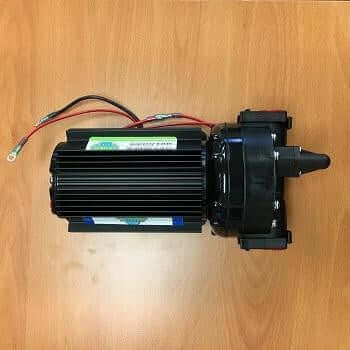 ProTool SoftWash System 5gpm PolyPro 12v Pump SKU: 150-0859 | 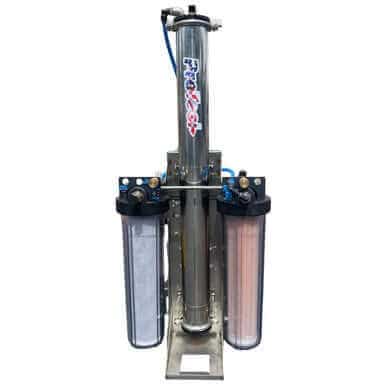 ProTool HiFlo Pure Water Cart Stainless Steel SKU: 150-0521 | 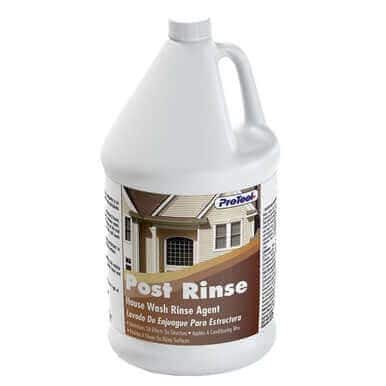 ProTool Post Rinse SKU: 83-03M |
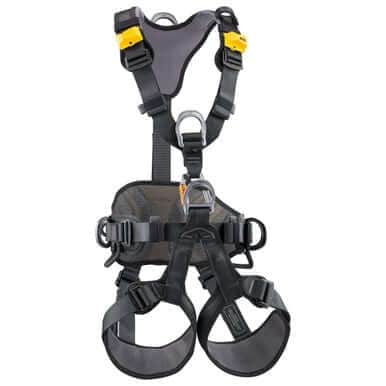
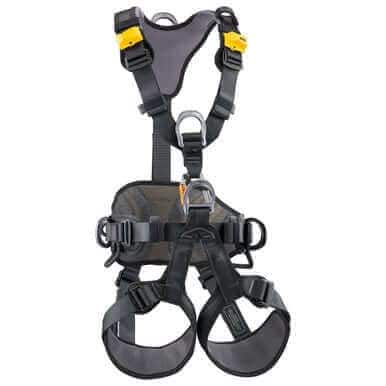 Petzl Avao Bod Harness SKU: 96-41M | 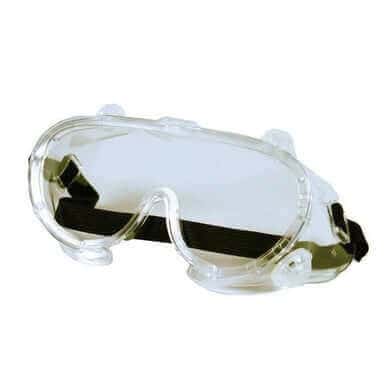 Safety Glasses Clear SKU: 74-7420 |