Bio Cleaner for Exterior Cleaning: Enzymatic Solutions Pros Actually Use
Table of Contents
A bio cleaner solves a problem sodium hypochlorite creates. SH gives you instant visual results, but on porous stone, historical masonry, or any job site with runoff restrictions, that speed comes at a cost — damaged landscaping, surface spalling, salt crystallization, and regulatory exposure. Enzymatic and biological cleaning agents remediate organic growth at the molecular level without corrosive side effects, and they're becoming standard equipment for contractors who work on high-value substrates.
This guide covers how bio cleaner chemistry actually works, where it outperforms bleach, how to integrate it into your soft wash operation, and which J.Racenstein products and equipment fit the workflow.
What Separates a Professional Bio Cleaner from Consumer Products
A professional bio cleaner is a liquid-phase detergent formulated with active enzymes or microbial spores that break down organic growth — algae, lichen, moss, mold — at the cellular level. These are not the clay bars or spray bottles sold at auto parts stores. Industrial biological surfactants integrate into soft wash systems to treat roofs, facades, and porous masonry at scale.
The shift matters because high-concentration bleach on the wrong substrate is irreversible. Limestone spalls. Zinc and copper flashing corrode. Wood fibers fuzz. If you're cleaning historical buildings, LEED-certified properties, or anything near open water, SH turns a cleaning job into a liability event.
Enzymatic vs. Microbial: Two Different Tools
Enzymatic cleaners deploy specific proteins — cellulases, proteases — that catalyze the breakdown of complex organic molecules into water-soluble components. They dismantle biofilm on contact. Microbial cleaners contain dormant spores that activate on application. These living organisms consume the carbohydrates in lichen and moss, multiplying over weeks. Enzymes hit fast; microbes provide residual protection by occupying surface pores and competing with harmful growth for moisture and nutrients.
That residual colonization is a meaningful advantage. When bleach creates a "blank slate," airborne spores recolonize quickly. Microbial cleaners extend the time between maintenance cycles — a selling point on commercial maintenance contracts.
Biodegradability as a Spec Requirement
On commercial and government jobs, biodegradability isn't a preference — it's a bid requirement. "Readily Biodegradable" means 60–70% degradation within 28 days under aerobic conditions. If you're bidding hospitals, schools, or any site with runoff management mandates, you need products that meet this threshold. ProTool Post Rinse and the EBC Degreaser line are examples of professional-grade chemistry designed with these compliance requirements in mind.
How Enzymatic Cleaning Works on Organic Growth
Biological remediation is catalytic digestion, not chemical oxidation. You're introducing enzymes that target the structural integrity of organic colonies — the complex carbohydrates and proteins that let lichen, moss, and algae grip building materials. Because bio cleaners don't rely on aggressive pH levels or mechanical force, they penetrate deep into sandstone, limestone, and other porous substrates without causing damage.
The timeline is different from SH. Initial results show within 48 hours, but full remediation takes days to weeks as organic matter detaches and washes away with rainfall. This "clean over time" approach is a technical advantage for contractors running high volume — apply with a ProTool Soft Wash Skid, move to the next job, let biology finish the work.
Breaking Down the Biofilm
Organic colonies protect themselves with biofilm — a sticky matrix of extracellular polymeric substances (EPS) that blocks standard detergents from reaching root systems. Bio cleaners catalyze the breakdown of this EPS layer. The critical variable is dwell time: the solution must stay damp long enough for enzymes to disassemble the biofilm. In practice, apply during cooler parts of the day. A surfactant like ProTool Sticky extends dwell time on vertical and sloped surfaces by slowing evaporation and improving cling.
Bio Cleaner vs. Sodium Hypochlorite: When Each Wins
SH remains the fastest option for routine residential soft washing. But "fastest" and "best" aren't the same thing. Here's where the choice actually matters:
Substrate Risk
- Metals: SH accelerates oxidation on zinc, aluminum, and copper flashing.
- Wood: High-strength bleach fuzzes wood fibers and damages lignin.
- Porous stone: Aggressive chemicals drive salt crystallization inside limestone and historical masonry.
Biological detergents use neutral pH formulations safe for all of these. That enables a "spray and leave" protocol on surfaces where heavy rinsing would drive moisture into the building envelope.
Safety and Labor
SH requires respirators, chemical-resistant suits, constant pre-wetting and post-rinsing of foliage. Bio cleaners have significantly lower toxicity profiles. Plant burn risk drops to near zero. On a long application day, the reduced PPE burden and eliminated rinse cycle make a real difference in crew fatigue and throughput.
Where Bio Cleaners Pay for Themselves
The per-gallon cost is higher than bleach. The per-job cost is often lower:
- Steep-pitch roofs: Eliminating the rinse cycle cuts time on fall protection. Less labor, less exposure.
- Historical restoration: Non-aggressive cleaning specs let you bid government and heritage contracts competitors can't touch.
- Eco-sensitive sites: Jobs near open water or protected gardens carry liability that biological solutions eliminate.
Field Deployment: Where Bio Cleaners Belong in Your Workflow
Bio cleaners aren't a full SH replacement — they're a capability expansion. Here's where they earn their place on the trailer.
Soft Wash Integration
Biological surfactants work with standard soft wash systems and downstream injectors like the X-Jet M5. Typical mixing ratios run 1:10 to 1:20 depending on colonization severity. Active enzymes perform optimally between 50°F and 90°F surface temperature — above that range, proteins denature; below it, metabolic processes stall. Pair your bio cleaner with a ProTool BPX25 Soft Wash Skid for consistent delivery rates on large-area applications.
Solar Panel Cleaning
Biological detergents remove organic debris without etching anti-reflective coatings on photovoltaic modules. If you're adding solar maintenance to your service mix, a bio cleaner paired with a ProTool Solar Skid and 24" Solar Brush gives you a rinse-free workflow that protects panel output and warranty coverage.
Stone and Masonry Remediation
For deep-seated organic stains in travertine, slate, and sandstone, the "apply and leave" method lets natural precipitation finish remediation over several weeks. No mechanical agitation, no pressure damage. Products like ProTool Restore All are formulated for exactly this kind of substrate-safe remediation work.
Building Your Bio Cleaning Kit from J.Racenstein
Selecting a bio cleaner means reading the Technical Data Sheet, not the marketing copy. Match the enzyme type to the growth type — cellulases and proteases for plant-based organic growth (algae, moss, lichen), lipase-based formulations for hydrocarbon contamination. Check pH compatibility with your target substrate and confirm the product meets biodegradability thresholds for your bid requirements.
Beyond chemistry, you need delivery and safety equipment purpose-built for the workflow:
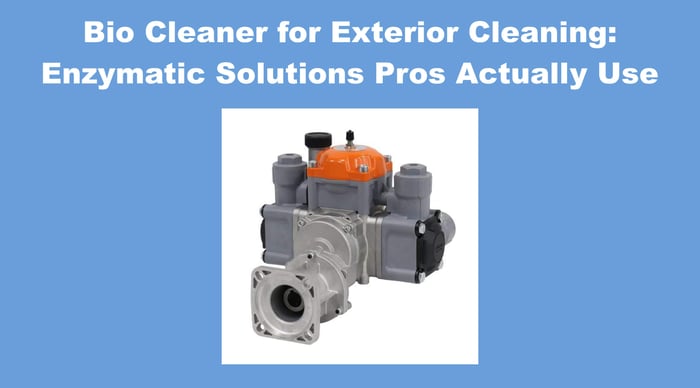
- Application: A dedicated soft wash pump — the Comet BPX25 or Comet P40 — for precise mixing and low-pressure delivery.
- Surfactant: ProTool Sticky to extend dwell time on vertical surfaces.
- Safety: Appropriate PPE for handling concentrates and working at height, including a Roof Cleaning Safety Kit for steep-pitch applications.
- Neutralizer: ProTool Post Rinse for post-application site management where required.
Browse the full soft wash chemical inventory and equipment lineup to spec your kit for upcoming green contracts and historical restoration bids.
Products Mentioned
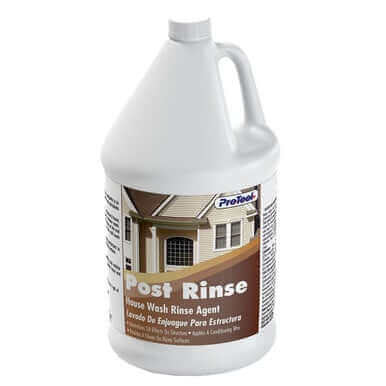 ProTool Post Rinse SKU: 83-03M | 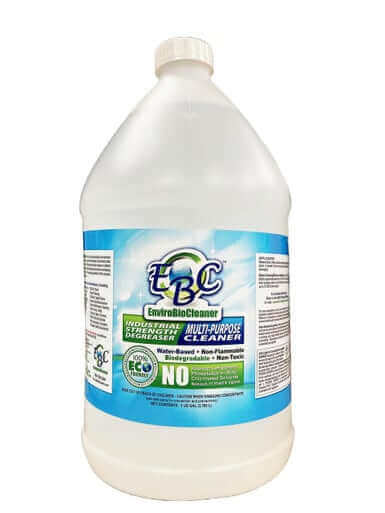 EBC Degreaser, Detergent SKU: 83-81M | 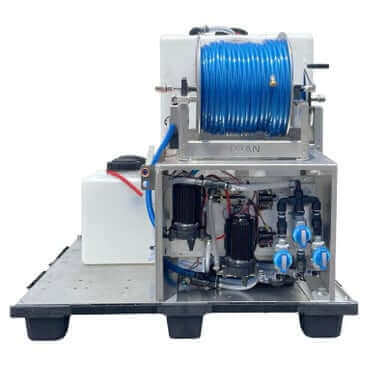 ProTool Soft Wash Skid 12V SKU: 150-047M |
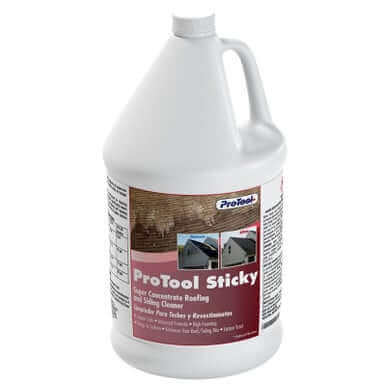 ProTool Sticky SKU: 83-07M | 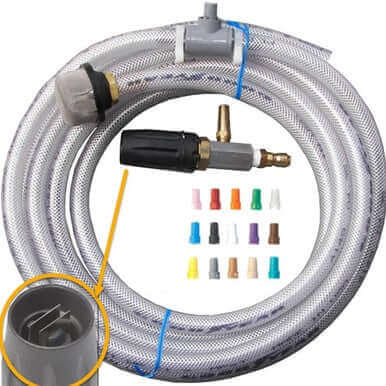 X-Jet M5 Variable Spray SKU: 74-53M | 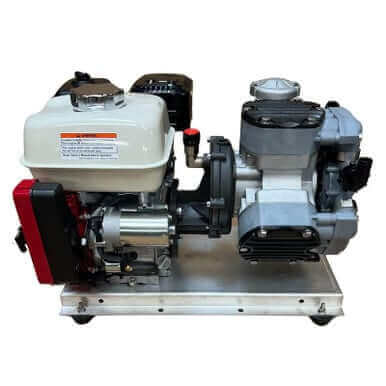 BPX25 - P40 Soft Wash Sprayer Skid SKU: 150-0432M |
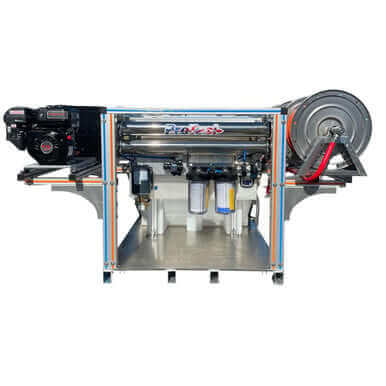 ProTool Ultimate Solar Skid SKU: 150-0494 | 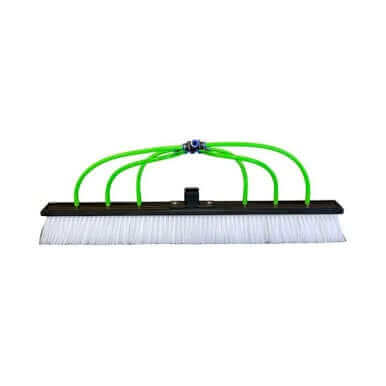 24in Solar Brush White Bristle SKU: 159-300M | 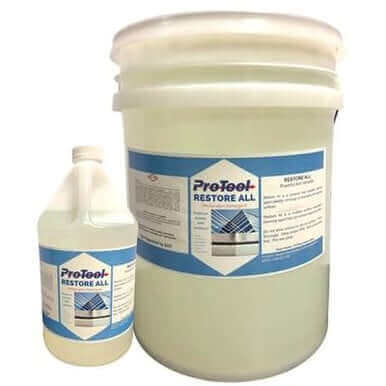 Protool Restore All Restoration Cleaner SKU: 86-63M |
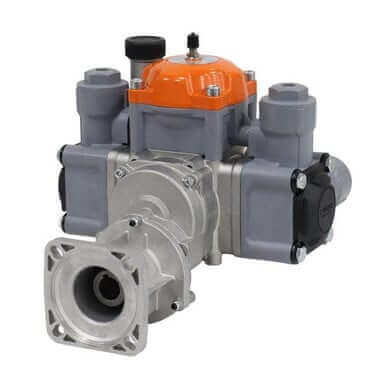 Comet BPX25 GR pump SKU: 150-0432 | 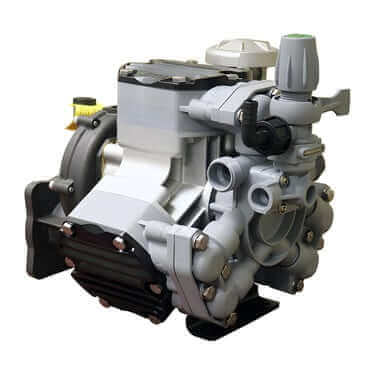 Comet P40 Diaphragm Pump w/ Regulator SKU: 150-0428 | 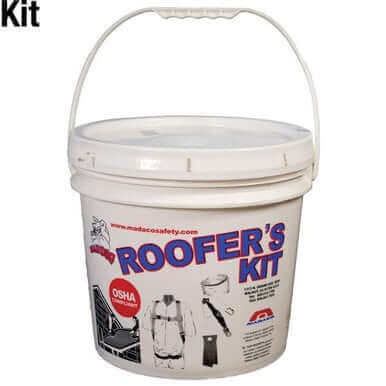 Roof Cleaning Safety 50ft Kit SKU: 12-655 |