Commercial Building Washing Techniques for Exterior Cleaning Pros
Table of Contents
Commercial building washing techniques separate high-margin facade contracts from property damage claims. The gap is often 500 PSI or a 1% shift in chemical concentration — and the consequences land on opposite ends of the spectrum. This guide breaks down substrate-specific chemistry, soft wash delivery, pure water integration, and rig configuration so you can clean any commercial facade efficiently and profitably.
Commercial Substrates and Soil Removal
Modern commercial facades are layered assemblies — EIFS, CMU, metal architectural panels, glass curtain walls — and each responds differently to cleaning agents and mechanical force. High-porosity brick traps organics and carbon deep in the pore structure. Non-porous metal panels collect atmospheric oxidation that requires chelating agents, not raw pressure.
Effective soil removal balances four variables:
- Time: How long the chemical dwells on the substrate.
- Temperature: Heated water breaks grease, oil, and heavy carbon faster.
- Chemical Action: Surfactants, acids, or alkaline cleaners break molecular bonds between soil and surface.
- Mechanical Action: PSI, GPM, or brush agitation.
The industry has shifted toward maximizing chemical and thermal efficiency to minimize mechanical force. Less mechanical impact means less risk to the building envelope and fewer callbacks.
EIFS and Synthetic Stucco
EIFS fails under high pressure. Exceeding 500 PSI can puncture the base coat or drive water behind foam insulation boards — creating mold and structural rot that costs orders of magnitude more than the wash contract. Identify weep holes at the base of EIFS systems before you start; directing a high-pressure stream into these drainage points forces water into interior cavities. Soft wash only, every time.
Masonry and Pre-Cast Concrete
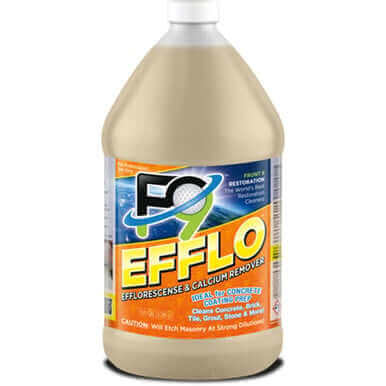
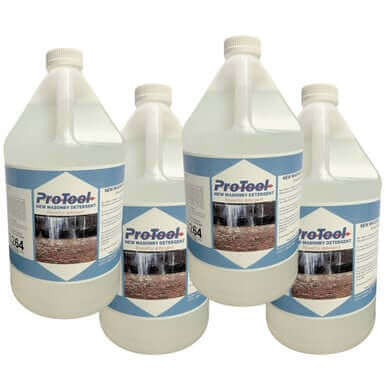
Efflorescence — white salt deposits migrating to the surface through moisture evaporation — is the most common masonry issue on commercial buildings. It requires acidic cleaners, not more pressure. A zero-degree tip will etch concrete or blast out mortar joints permanently. Increase water temperature instead of PSI: heat extracts deep-pore soil while preserving masonry integrity. Products like F9 Efflorescence/Calcium Remover dissolve mineral bonds without damaging the substrate, and ProTool Masonry Detergent handles general buildup on concrete and brick.
Pressure Washing vs. Soft Washing on Commercial Jobs
High-pressure cleaning exceeds 3,000 PSI. Soft washing operates below 500 PSI and relies on chemical volume. The substrate dictates the method — not your preference or your rig's capability.
High-Pressure for Hardscapes
Loading docks, parking garages, and walkways need high-pressure equipment. GPM matters more than PSI here — higher flow lets you run larger surface cleaners, cutting time on vast concrete. For gum and heavy grease, turbo nozzles provide concentrated oscillating force without excess chemical. Hot water is essential for oil-based pollutants; heat breaks hydrocarbon bonds more effectively than cold water and chemicals combined.
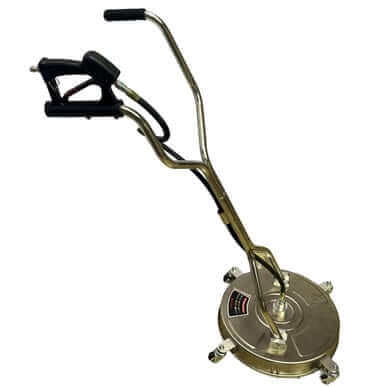
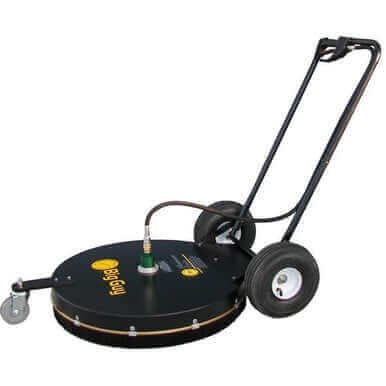
An 8+ GPM pressure washer is now the commercial standard for speed. Pair it with a ProTool 18" Surface Cleaner or a Whisper Wash 28" Big Guy for large-area concrete work.
Soft Wash Systems for Building Envelopes
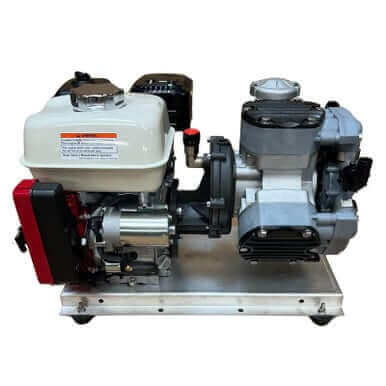
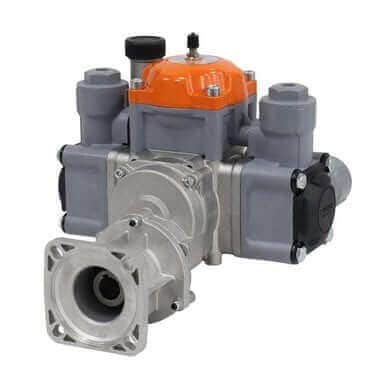
Soft washing is the standard for facade work. Dedicated pumps — 12V diaphragm or air-diaphragm — deliver higher chemical concentrations than downstream injectors allow. A ProTool BPX25 Soft Wash Skid or a Comet BPX25 pump gives you precise chemical control and the ability to clean up to three stories from the ground, eliminating ladders or lifts on most mid-rise projects.
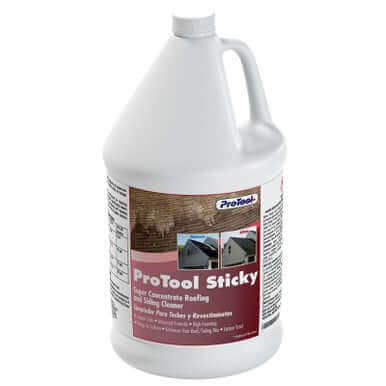
Surfactants are non-negotiable on vertical surfaces. ProTool Sticky increases cling time so chemicals dwell long enough to neutralize organic growth before gravity wins. Pre-wet landscaping and cover HVAC intakes before deploying any SH solution — corrosive vapors in a building's ventilation system is a liability you cannot afford.
Chemical Selection and Application
Sodium Hypochlorite (SH) remains the baseline for organic growth — mold, mildew, algae. But SH alone slides off vertical facades. Pair it with surfactants to create stable foam that extends dwell time on non-porous surfaces like metal panels and glass.
Environmental compliance is built into every commercial job. Manage runoff per the EPA Clean Water Act using berms, drain covers, or vacuum reclaim systems. After cleaning, neutralize the substrate with ProTool Post Rinse to stabilize pH and prevent residual salt bloom on masonry.
Non-Organic Stains
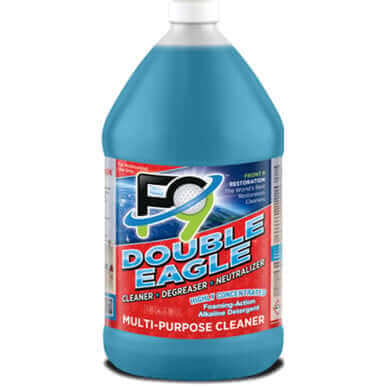
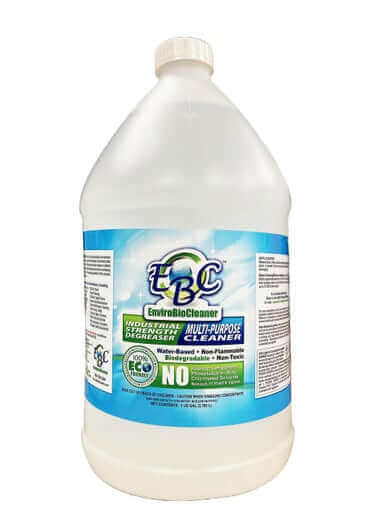
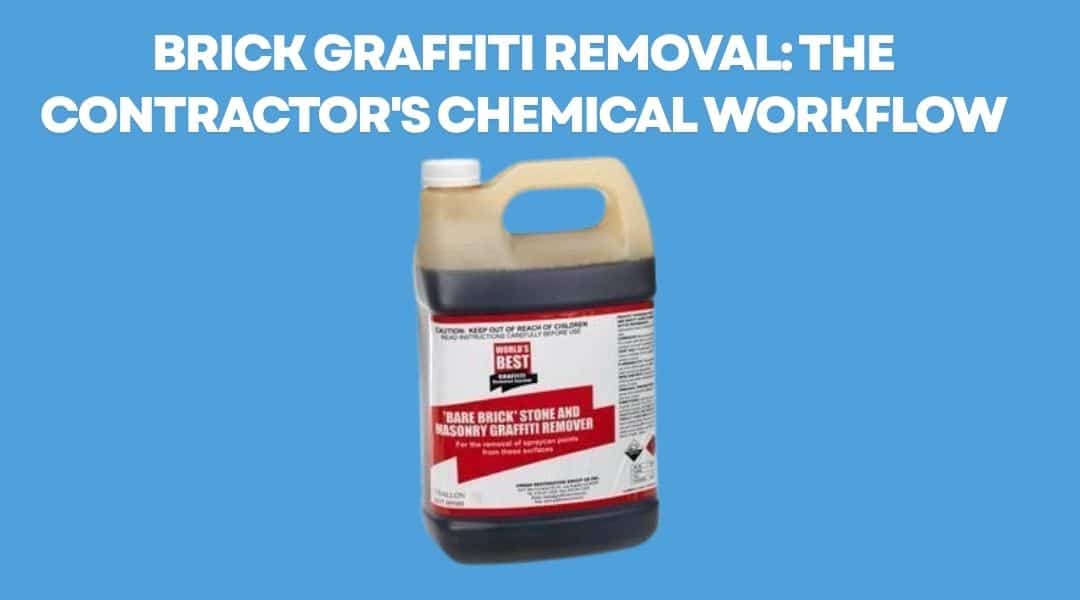
Tiger striping on gutters and aluminum trim is electrostatic bonding — bleach won't touch it. Use ProTool Gutter Bomb or ProTool Purple Magic for oxidation removal. For rust stains on masonry, F9 BARC dissolves metallic bonds without damaging the substrate. For heavy degreasing on loading docks and dumpster pads, F9 Double Eagle or EBC Degreaser break down hydrocarbons that SH cannot.
Dwell Time and Application Ratios
A "hot" mix with high SH concentration is for heavy mold on durable surfaces like concrete. Maintenance washes use significantly diluted solutions to preserve finishes. Apply chemicals bottom-to-top so the surfactant-laden solution doesn't create permanent run marks on dry surfaces above. Rinse top-to-bottom to flush all residue from the envelope. If your source SH is 12.5%, a 4:1 water-to-chemical ratio yields roughly 2.5% on the wall — adjust based on porosity and soil load, and always test on an inconspicuous area first.
Water Fed Poles and Pure Water for Commercial Glass
A facade wash that leaves dirty windows is half a job. Water Fed Pole (WFP) systems let a single technician clean glass up to five stories from the ground — no lifts, no scaffolding, drastically lower liability.
The science is straightforward: Reverse Osmosis (RO) and Deionization (DI) strip dissolved minerals from tap water. At 0 TDS (Total Dissolved Solids), water becomes an aggressive solvent that lifts dirt from glass and frames, then dries spot-free with no manual wiping. This is especially effective on glass curtain walls where traditional squeegee access is expensive and slow.
Pure Water Filtration at Commercial Scale
Multi-stage RO/DI systems are the standard for high-volume commercial sites. The RO membrane handles bulk filtration, extending expensive DI resin life. In soft-water areas, a standalone DI tank may suffice for smaller projects.
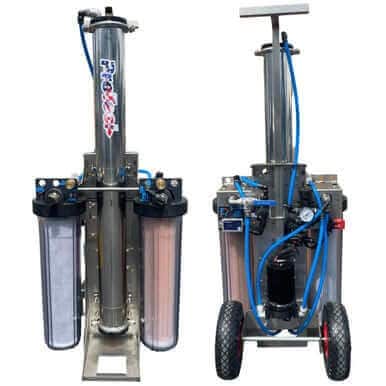
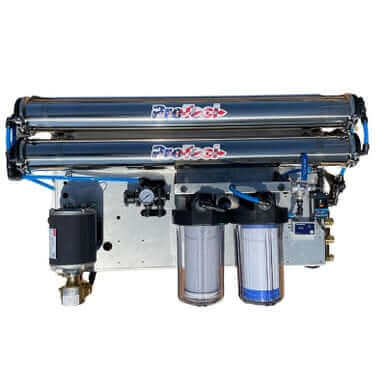
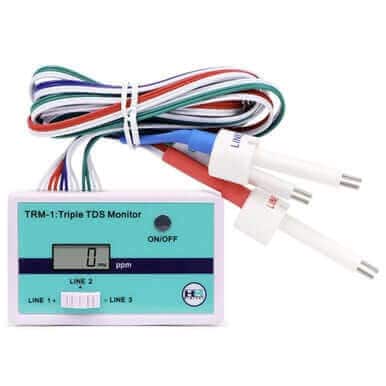
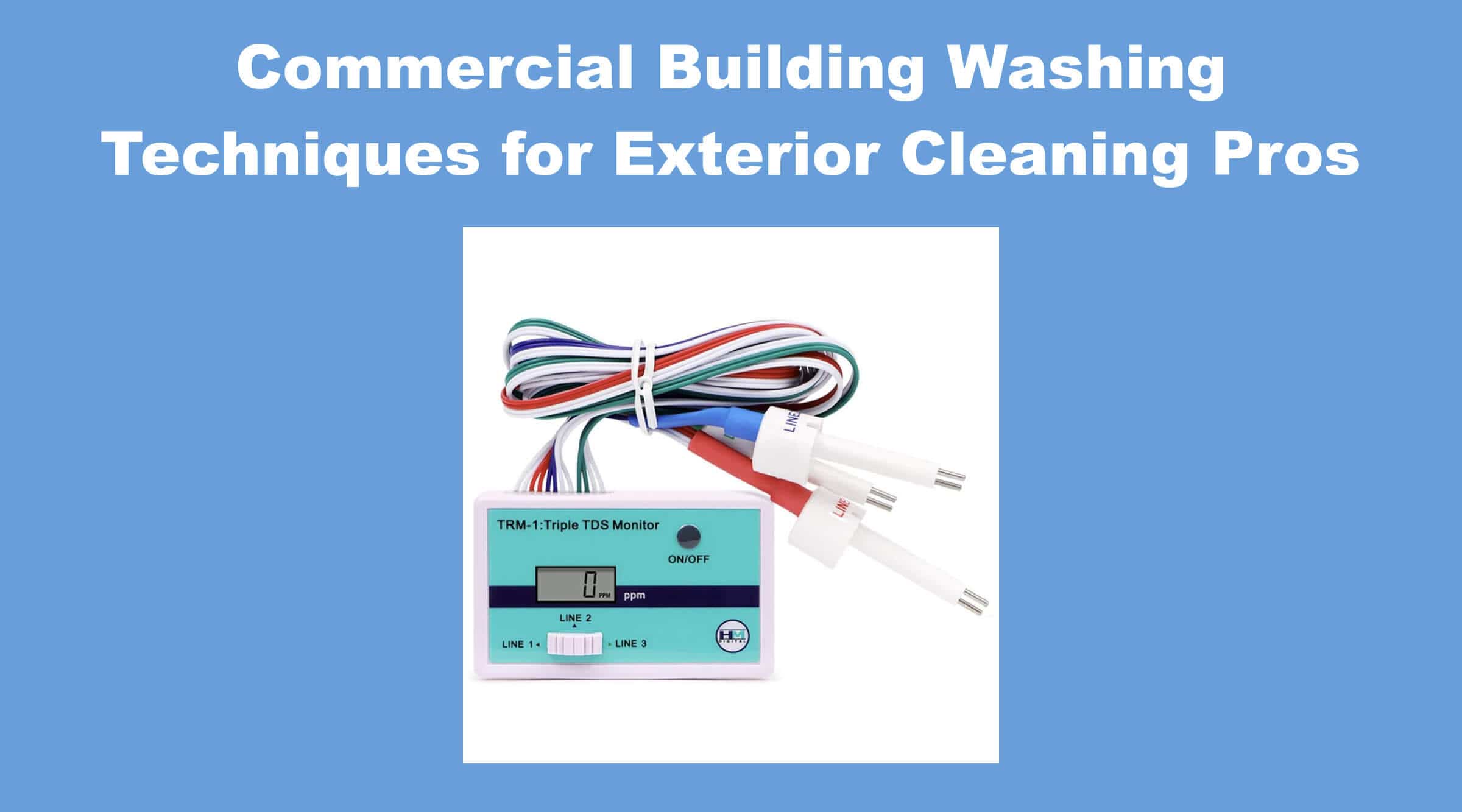
The ProTool HiFlo Ultra Cart handles the flow demands of commercial glass work, and the ProTool HydroPanel Wall Mount gives you permanent shop or truck-mounted filtration. Monitor output with a TDS inline meter throughout the day — if readings climb above 0 PPM, your resin or membrane needs attention.
Carbon Fiber Pole Selection
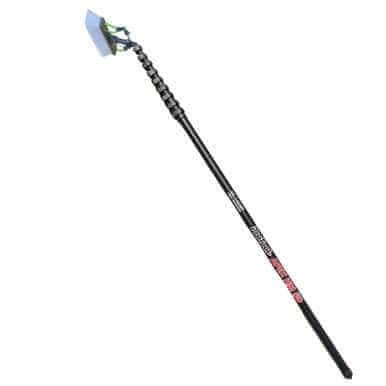
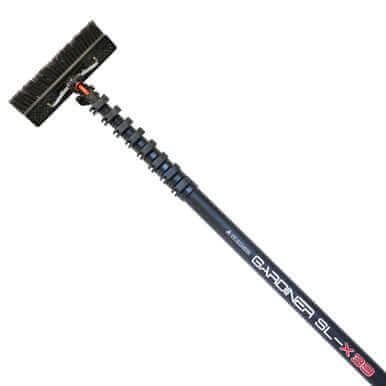
Carbon fiber is required for high-reach work. Unlike aluminum or fiberglass, carbon doesn't flex excessively at 50–60 feet, so you maintain consistent brush pressure on glass. The ProTool Apex Hi-Mod Carbon Fiber Pole and Gardiner SLX 39ft are built for this. Boar's hair brushes provide aggressive agitation for heavy soil; nylon brushes offer better glide for maintenance cleans.
Configuring a Commercial Washing Rig
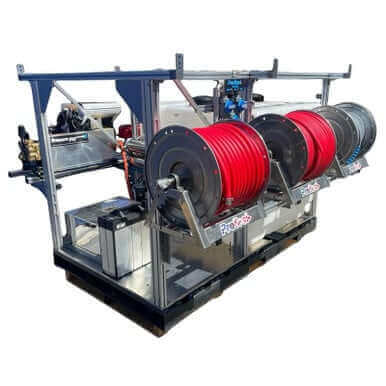
A professional rig is an integrated system, not a pile of tools. Skid-mounted systems fit flatbed trucks with a compact footprint and better security for urban jobs. Trailer-mounted rigs accommodate larger water tanks and more hose capacity for industrial complexes.
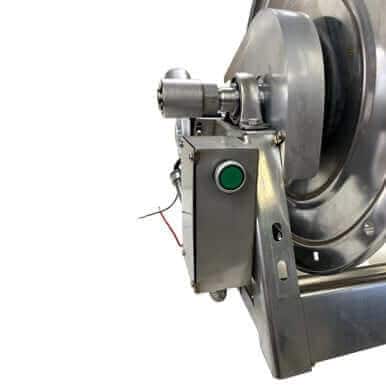
Dragging hundreds of feet of hose manually is a labor drain. A ProTool 12V Electric Stainless Steel Reel keeps operational tempo high. For complete rig builds, the ProTool Mega Skid integrates pressure washing, soft washing, and pure water into a single platform.
Core Components of a High-Output System
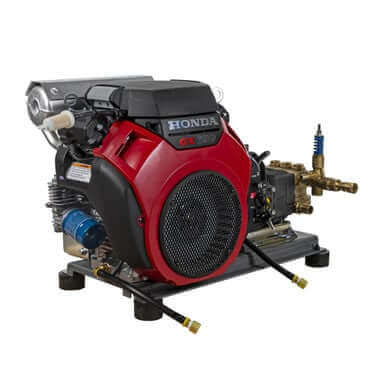
GPM clears; PSI cleans. An 8+ GPM unit is the commercial standard — it enables larger surface cleaners and faster rinse cycles. Dual-operator setups maximize efficiency: one tech applies chemicals while the second follows with a high-volume rinse. Prioritize engines and pumps rated for 8–10 hours of sustained run time. Shopping centers and hospital campuses don't tolerate downtime.
Maintenance and Safety
Daily: flush chemical injectors with fresh water to prevent seal damage. Weekly: check pump oil and belt tension. Monthly: inspect all high-pressure fittings and hose integrity. Winterize manifolds in cold climates.
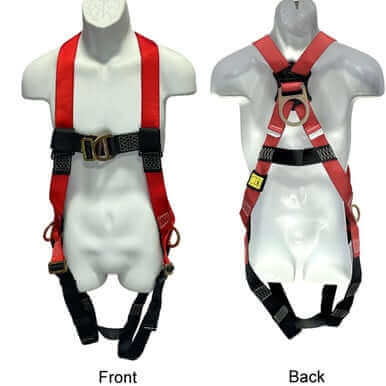
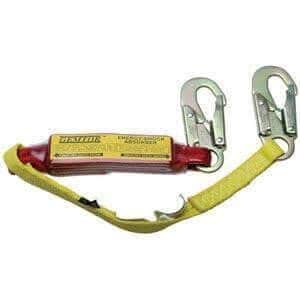
On multi-story projects, fall protection is mandatory. ProTool full-body harnesses, roof anchors, and shock-absorbing lanyards are baseline gear for any ledge or roof-mounted access work.