Premium Exterior Cleaning Equipment That Wins High-Ticket Contracts
Table of Contents
Premium exterior cleaning equipment separates contractors who win five-figure commercial bids from those stuck justifying a basic house wash. The difference isn't salesmanship — it's what's on your truck. Property managers and affluent homeowners don't evaluate cleaning contractors the way they evaluate landscapers. They evaluate risk. A custom-built skid with multi-stage filtration tells them more about your operation than any pitch deck. The right premium exterior cleaning equipment doesn't just do the work better — it closes the sale before you open your mouth.
This guide covers the specific equipment, systems, and operational standards that move a cleaning business from commodity pricing into value-based contracts where margins actually fund growth.
Why Equipment Defines Your Market Position
Budget operators and premium operators often clean the same buildings. The gap is in how they do it and what happens when something goes wrong. Commercial property managers treat their buildings as financial instruments. They need a contractor who understands substrate compatibility, chemical dwell times, and the liability implications of a 40-foot ladder versus a water fed pole.
Three things signal premium capability before you say a word: your rig's build quality, your safety gear, and whether your filtration system is a single DI tank or a proper RO/DI setup. A clean, labeled ProTool Soft Wash Skid parked in a commercial lot communicates more authority than a paragraph of ad copy. Higher margins aren't vanity — they fund the premium exterior cleaning equipment and insurance that keep you in this tier.
The High-End Client's Decision Framework
High-end clients buy risk elimination. A low bid signals missing insurance, skipped safety protocols, or consumer-grade tools that damage surfaces. Your branded rig, organized hose management, and visible fall protection equipment address their real concern: a workplace accident or property damage claim traced back to their vendor selection.
The premium price gap is what a client pays to sleep at night. When your bid includes a safety plan, proof of OSHA-compliant fall protection, and a detailed equipment list, you're not competing on price — you're the only bidder who eliminated their risk.
Niche Specialization Protects Your Margins
Generalists get replaced. Specialists get retained. A contractor running a ProTool Apex 30ft Carbon Fiber Rotary Brush Pole on solar arrays or deploying a ProTool HydroPanel RODI Wall Mount for fleet wash bays operates in a tier that bucket-and-ladder crews cannot enter. That technical barrier to entry is your moat.
Specialization also sharpens your marketing. Instead of "we clean everything," you're solving a specific problem — maximizing energy output for solar farm operators or maintaining the curtain wall on a Class A office tower.
Pure Water Systems: The Clearest Equipment Upgrade
Pure water is the single most visible upgrade that separates premium operators from everyone else. A multi-stage RO/DI system delivers spot-free results without chemical residue, meets green building specs, and lets you work safely from the ground at heights where competitors are rigging scaffolding.
The performance gap between a proper system and a basic DI-only setup is measurable:
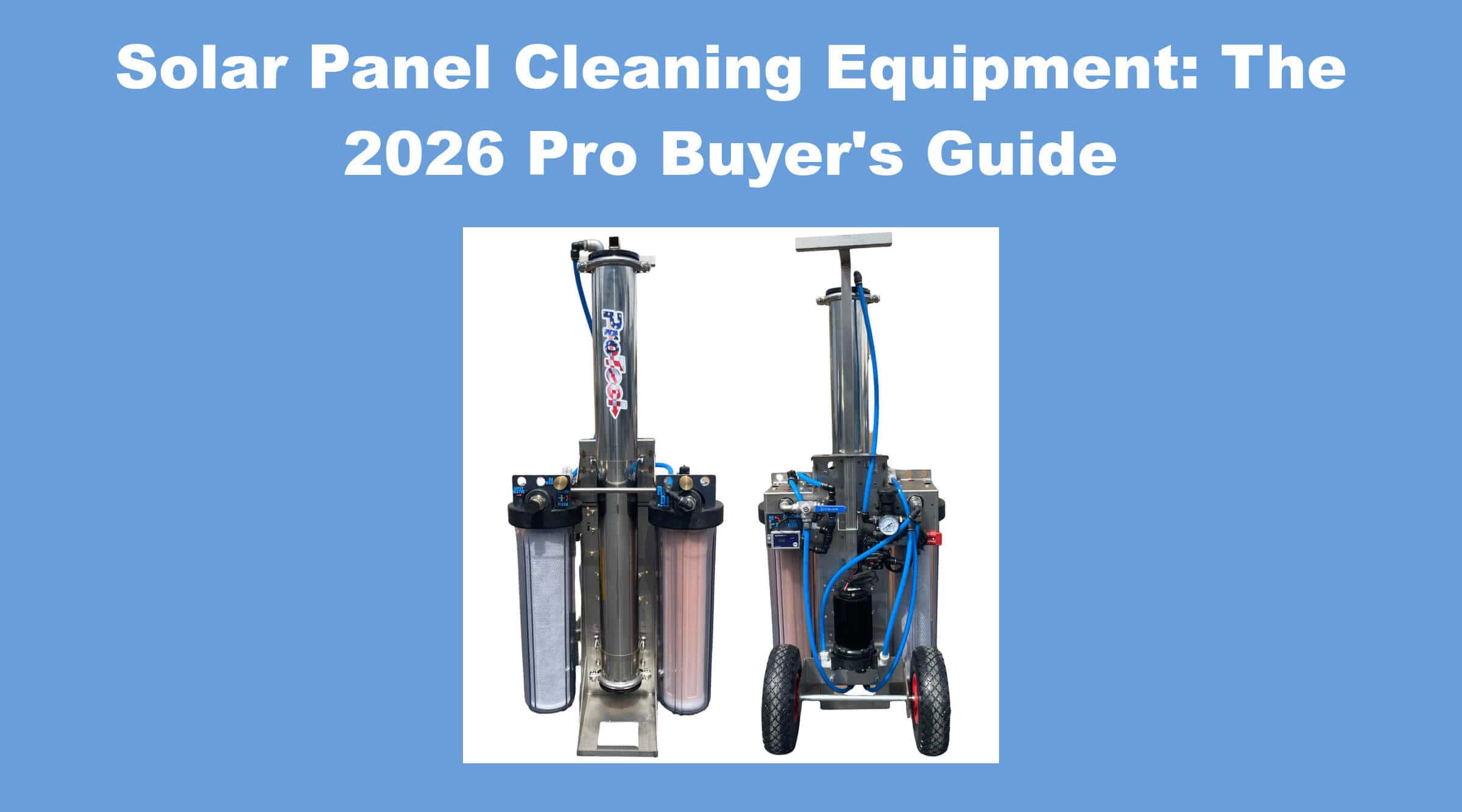
- Professional RO/DI setup: Multi-stage filtration with the ProTool HiFlo Pure Water Ultra Cart, carbon fiber poles for rigidity at height, and consistent 0 TDS output that eliminates callbacks.
- Basic DI-only setup: Single-stage tanks that burn through resin on hard water, heavy aluminum poles that fatigue crews by noon, and inconsistent results on anything above two stories.
For residential route work, the ProTool 511 Pure Water Cart is compact enough for a van but runs a full RO/DI stage. For commercial jobs with higher flow demands, the ProTool HiFlo MAX Cart with 110V boost pump handles multi-story glass without pressure drop.
Soft Wash Rigs: Property Preservation That Sells Itself
High-pressure washing damages shingles, erodes mortar joints, and strips coatings. Every property manager knows this — or learns it the hard way from a previous contractor's damage claim. Soft washing with calibrated chemistry and low-pressure delivery preserves the asset, and that framing changes the conversation from "how much per square foot" to "how do we protect this building long-term."
A purpose-built soft wash rig like the ProTool BPX25 Soft Wash Sprayer Skid with a Soft Wash Metering Block gives you repeatable dilution ratios. That consistency matters: it means the same result on building 50 as building 1, which is exactly what a property management company with a portfolio of assets needs to hear.
Pair the rig with ProTool Sticky for dwell-time extension on vertical surfaces and ProTool Post Rinse to neutralize after application. Documenting your chemical protocols in writing — surfactant selection, dilution ratios, rinse procedures — becomes part of your proposal package and another signal that you operate at a different level.
Safety Gear as a Sales Tool
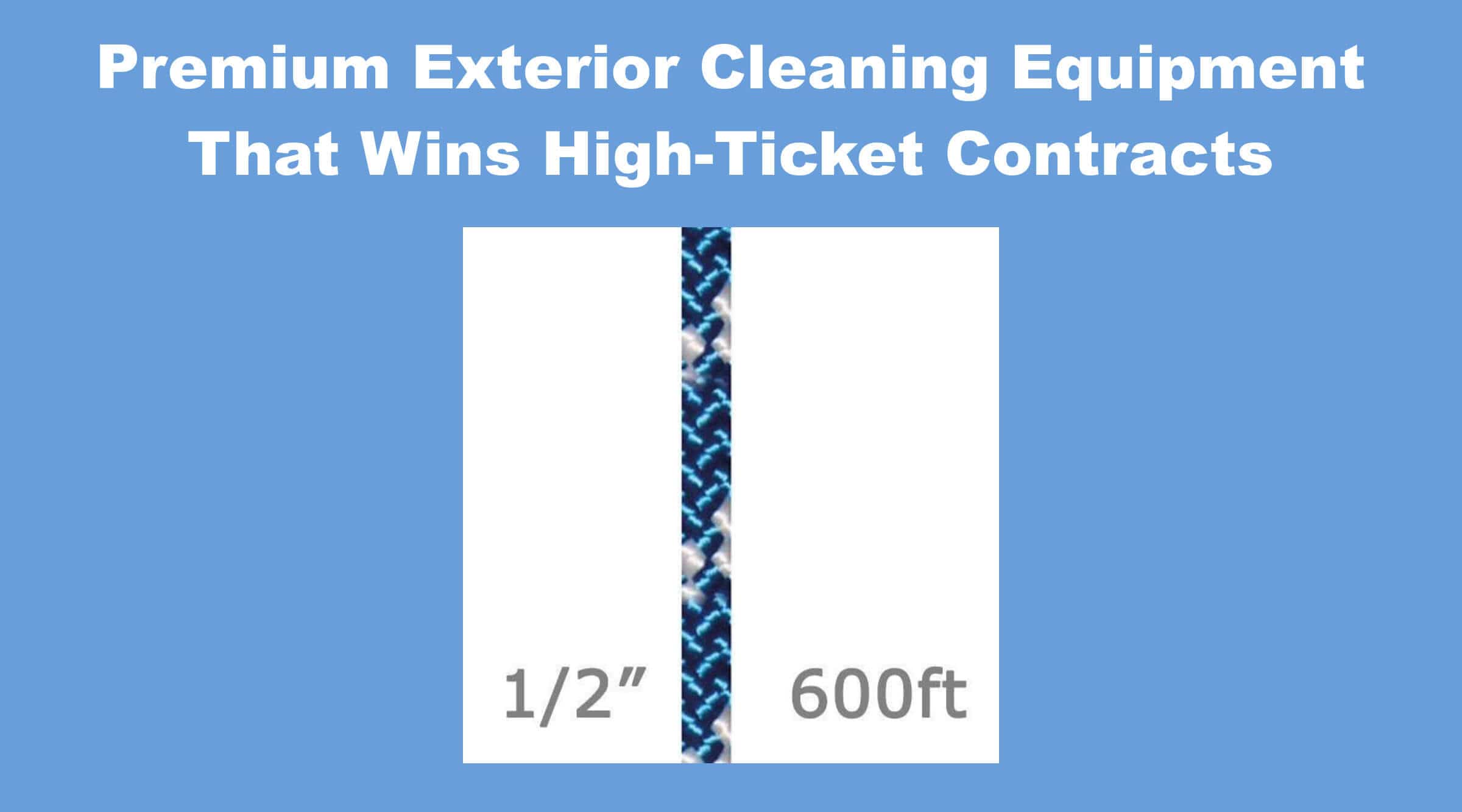
OSHA compliance isn't overhead — it's a closing argument. Commercial facility managers must answer for any incident on their property. When your bid includes a site-specific safety plan, current insurance certificates, and photos of your crew in proper Petzl Avao Bod harnesses with Teufelberger KMIII rope, you've addressed their biggest fear before they raise it.
For roof cleaning work, a Roof Cleaning Safety 50ft Kit covers the basics: harness, rope grab, shock-absorbing lanyard, and anchor. Having it organized, inspected, and ready to deploy — not stuffed in a milk crate — communicates discipline.
Water fed poles eliminate much of the height-access risk entirely. Working from the ground with a Gardiner SLX 39ft Pole or a ProTool Apex Carbon Fiber Pole removes the need for ladders on most residential and mid-rise commercial jobs. That's faster production, lower insurance premiums, and a safety narrative that wins bids.
Winning Commercial Contracts
Commercial proposals need to be technical documents, not price sheets. Include your equipment list with specifications, proof of insurance limits, safety certifications, and a maintenance schedule showing how regular professional cleaning prevents corrosive buildup and biological growth that leads to expensive facade repairs.
The foot-in-the-door approach works: offer a specialized service like solar panel cleaning or gutter maintenance to get on-site and demonstrate your operation. Once a facility manager sees your rig, your process, and your crew's professionalism, the full exterior maintenance contract is a natural next step.
Commercial contracts stabilize revenue. A single property management company with 20 buildings on a quarterly schedule is worth more than 200 one-off residential jobs — and the equipment investment in premium exterior cleaning equipment pays for itself in the first quarter.
Scaling Without Losing Quality
The transition from solo operator to managed crew breaks most premium brands. The fix is systems, not speeches. Document every process: site setup, safety checks, chemical mixing, rinse sequence, final walkthrough. When the SOP is written, any trained technician can replicate the result.
Equipment reliability is non-negotiable at scale. A pump failure on a commercial job doesn't just cost you the day — it costs you the account. Standardize on equipment you can source replacement parts for quickly. Running ProTool regulated pumps across all rigs means one parts inventory, one maintenance protocol, and crews that can troubleshoot any unit in the fleet.
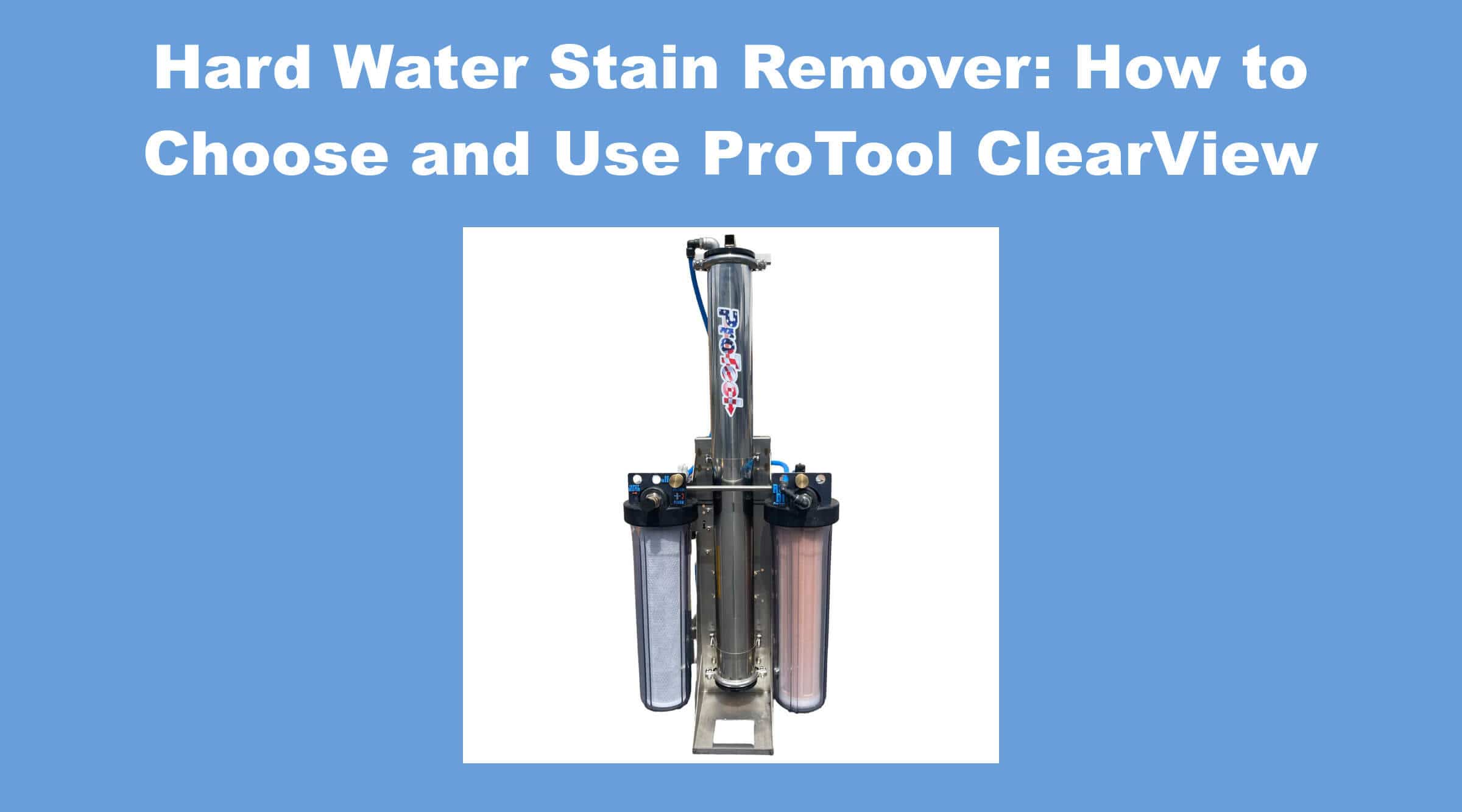
Premium contracts also involve technical problems that test your expertise — heavy efflorescence on masonry, stubborn mineral deposits on architectural glass, biological staining on historic facades. Having the right chemistry on hand matters. F9 Efflorescence/Calcium Remover handles masonry issues that generic acids destroy. ProTool ClearView 300 tackles hard water staining without scratching coated glass. Solving problems competitors walk away from is what keeps premium accounts locked in.
Products Mentioned
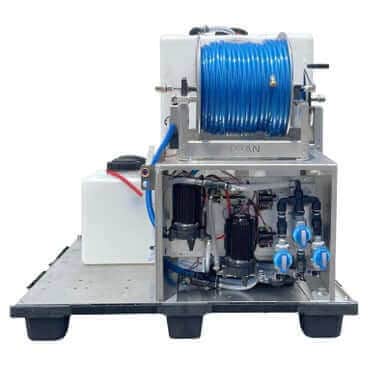 ProTool Soft Wash Skid 12V SKU: 150-047M | 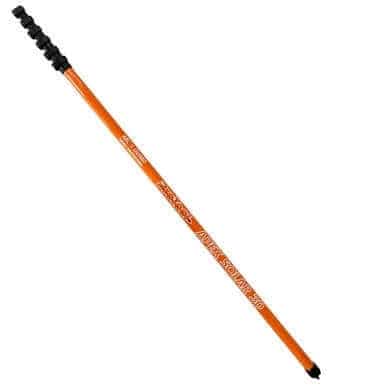 ProTool Apex 30ft Carbon Fiber Rotary Brush Pole SKU: 159-122 | 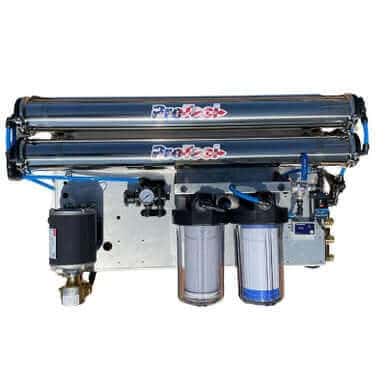 ProTool HydroPanel RODI Wall Mount SKU: 150-05346M |
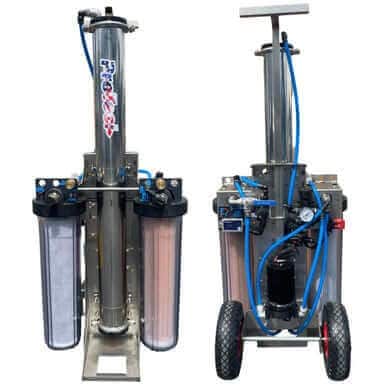 ProTool HiFlo Pure Water Ultra Cart SS 12V or 110V SKU: 150-0522 | 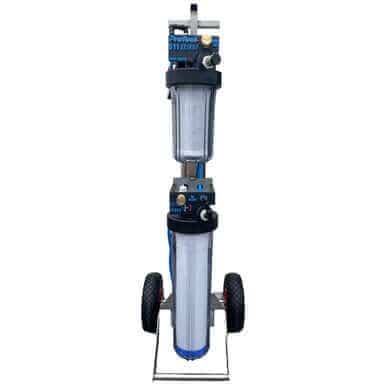 ProTool 511 Pure Water Cart SKU: 150-0515 | 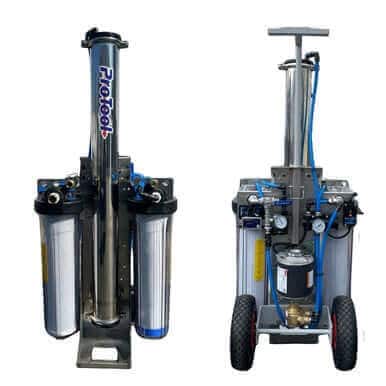 ProTool HiFlo Pure Water Cart MAX SS 110V SKU: 150-0523 |
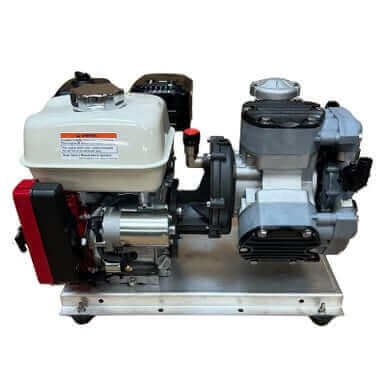 BPX25 - P40 Soft Wash Sprayer Skid SKU: 150-0432M | 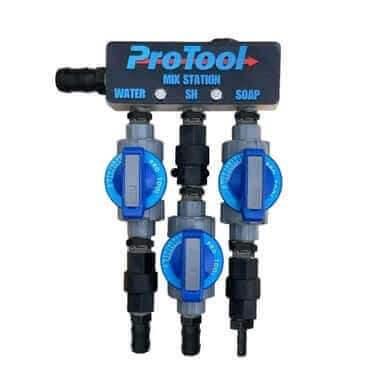 Soft Wash Metering Block SKU: 150-0454M | 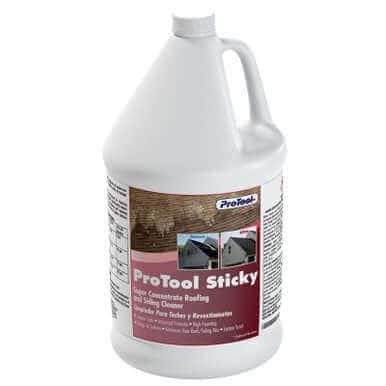 ProTool Sticky SKU: 83-07M |
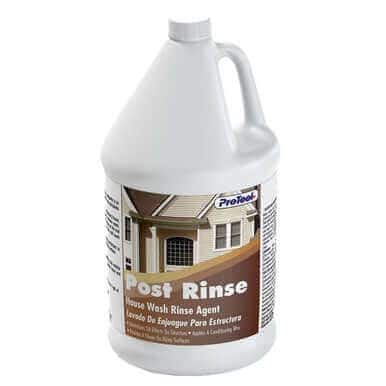 ProTool Post Rinse SKU: 83-03M | 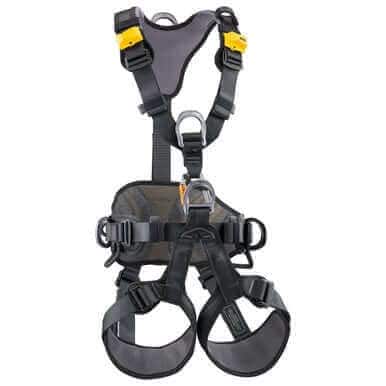 Petzl Avao Bod Harness SKU: 96-41M | 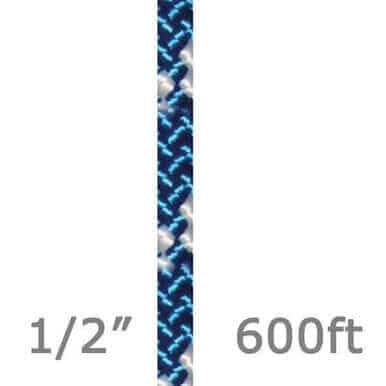 Rope KMIII 1/2in 600 Ft Blue SKU: 90-1422 |
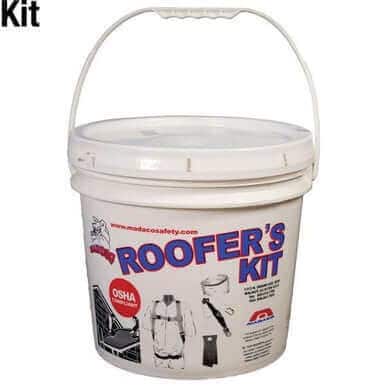 Roof Cleaning Safety 50ft Kit SKU: 12-655 | 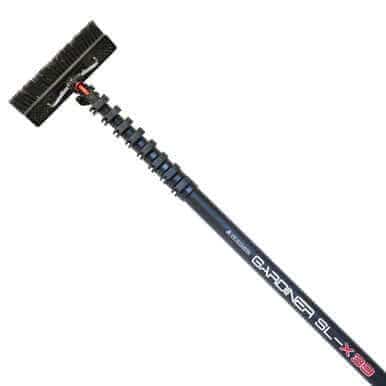 Gardiner SLX 39ft Tele Pole Carbon Complete SKU: 155-4391 | 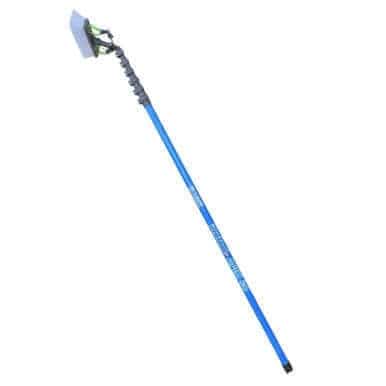 ProTool Apex Carbon Fiber Water Fed Pole SKU: 151-32M |
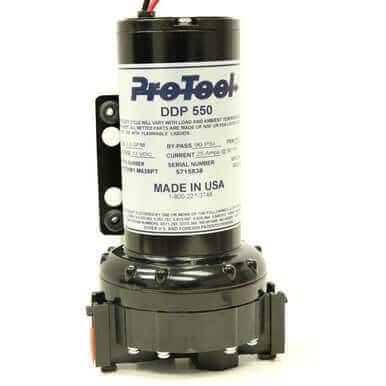 ProTool Pump 90psi 5.0gpm Pump Regulated SKU: 150-0856 | 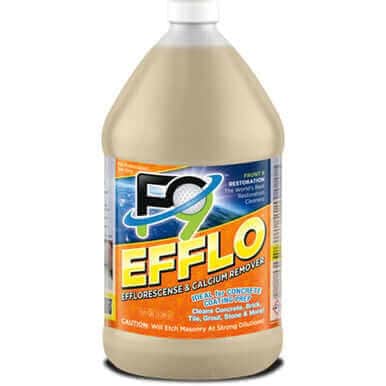 F9 Efflorescence/Calcium Remover Front9 Restoration SKU: 320-62M | 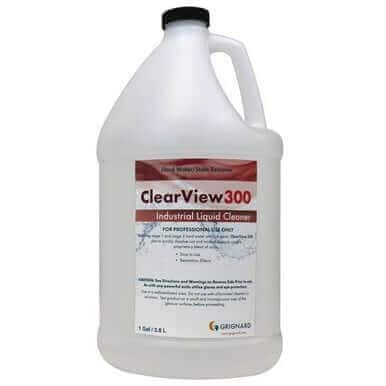 ProTool ClearView 300 Hard Water Stain Remover Gallon SKU: 86-515 |