Pressure Washing Skids: Building the Right Rig for Operator Efficiency
Table of Contents
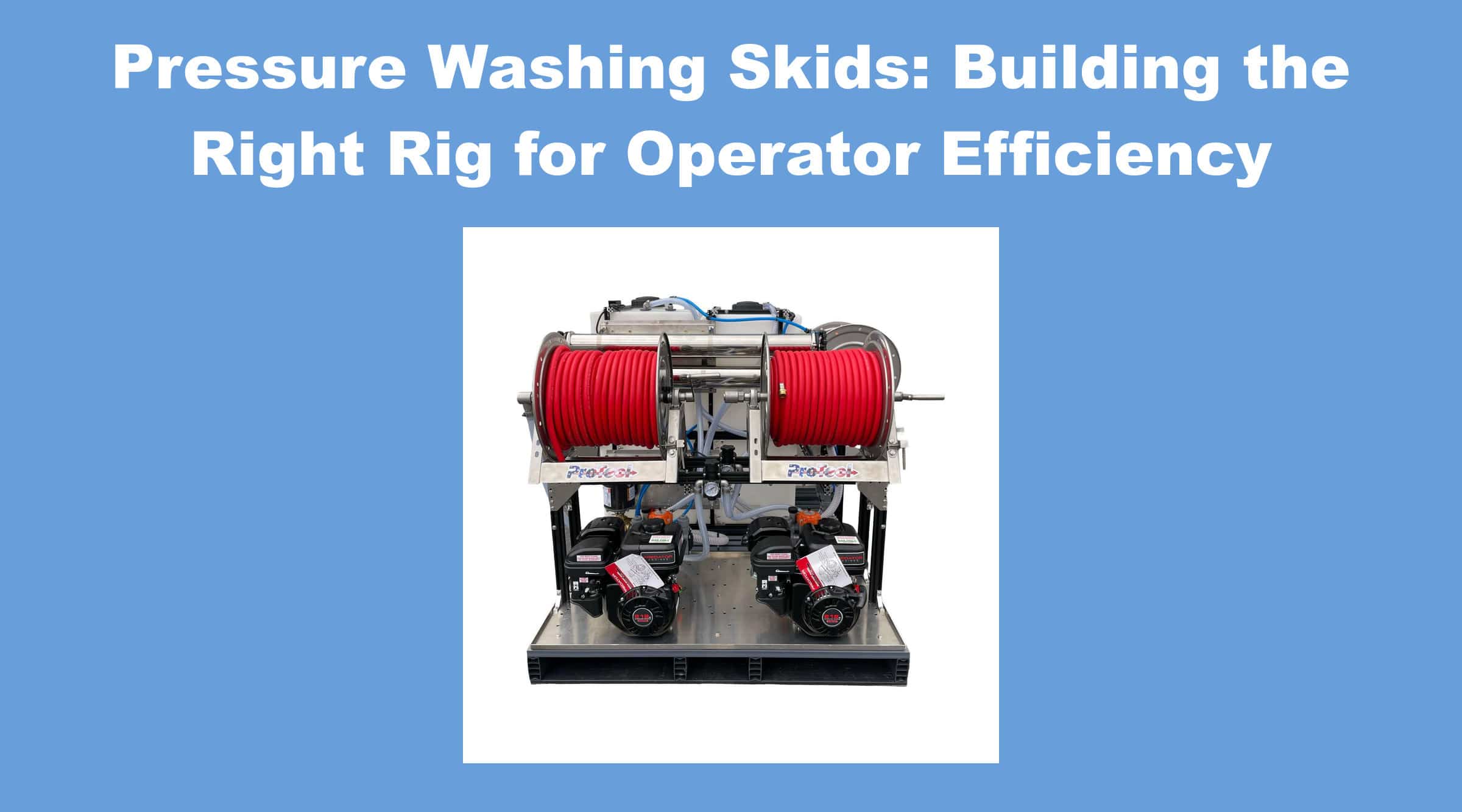
Pressure washing skids determine how fast your crew moves from setup to cleaning — and how much time they waste in between. The platform, component layout, and hose management either support your workflow or fight it. This isn't about buying the most expensive rig. It's about matching the skid configuration to the work you actually do.
Why Rig Layout Matters More Than Raw Specs
A 8 GPM pressure washer on a poorly laid-out skid loses to a 4 GPM machine on a rig where the operator never has to reposition equipment mid-job. The bottleneck on most exterior cleaning jobs isn't pump output — it's the dead time between tasks: reconnecting water supply, switching from pressure wash to soft wash lines, untangling hoses that cross chemical feeds.
Every rig should follow the operator's task sequence: water inlet → pump → hose deployment → tool selection → packup. Components arranged in that order cut transition time. Components arranged for looks or symmetry cost you minutes on every job.
Platform Comparison: Trailer, Truck Skid, Flatbed, Van
Each platform solves a different constraint. Pick the one that matches your routing, parking, and daily loading — not the one that looks best on Instagram.
Enclosed Trailers
A 7×14 enclosed trailer gives you a defined space for pump, reels, chemical storage, and hose connections. The trade-off is maneuverability: tight residential driveways and cul-de-sacs punish long trailers. If your route is commercial or you're running consecutive jobs on the same corridor, a dedicated trailer keeps everything organized and weather-protected.
Plan the interior layout before you bolt anything down. The equipment you touch most — reels, quick connects, gun and wand — goes near the door. Pumps and tanks can sit deeper. A crowded trailer where you rearrange gear to change a hose fitting is a rig that's fighting you.
Truck Skids
A skid-mounted setup keeps core equipment together on the truck bed. No trailer to park, no extra insurance line item, no backing nightmares. Arrange water inlet, pressure washer, chemical system, and hose reels in workflow order. Place reels where hoses deploy without crossing chemical lines.
The 8ft Truck Pressure Washing Skid V-Spec is purpose-built for this: pressure washing and soft washing components integrated on a single platform sized for a standard truck bed. For crews adding soft wash capability, the 8ft Truck PW & SW Skid V-Spec separates the two systems so operators never confuse chemical and water lines.
Flatbeds
Open access from every side. Flatbeds suit operations where crews need to reach components quickly from multiple angles — large commercial jobs where you're running long hose pulls and swapping surface cleaners frequently. The downside: no weather protection, no security. Everything's exposed.
The Drone Pressure Washing Flatbed Skid pairs conventional pressure washing with drone support equipment on a single open platform.
Vans
Vans enclose everything and eliminate trailer logistics. Best for specialized workflows — a crew running the same service type daily benefits from a van layout designed around that single workflow. The ProTool Soft Wash Water Fed Van Skid is configured for soft washing and pure water delivery in a van-mountable footprint.
Separating Pressure Wash and Soft Wash Workflows
The most common rig design mistake: treating pressure wash and soft wash as one system. They're not. Pressure washing uses high-pressure water through rated hoses and nozzles. Soft washing uses low-pressure chemical application through a separate pump, tank, and delivery line.
On a combined rig, keep these systems physically and visually distinct. Label tanks. Run hoses on opposite sides or use color-coded fittings. An operator grabbing the wrong line during a roof wash isn't just inefficient — it's a callback or a damage claim.
The Pressure Washing & Soft Washing Compact Skid addresses this by segregating both systems on a single compact platform. For larger operations, the Commercial Hot Water PW & SW Truck Skid adds hot water capability with separated wash circuits.
A Soft Wash Metering Block gives you repeatable chemical ratios without guesswork. Pair it with a Comet BPX25 pump or Udor Zeta diaphragm pump for reliable low-pressure delivery.
Choosing a Rig Around Your Job Mix
A crew washing driveways and pool decks five days a week needs a different rig than one handling four-story commercial facades. Start with what you do most:
- Flatwork-heavy operations: Prioritize surface cleaner access, long hose pulls, and fast water supply connection. A truck skid with a dedicated 20" ProTool Surface Cleaner or 30" ProTool Surface Cleaner mounted for quick grab-and-go saves minutes per job.
- House wash and roof wash: Soft wash system must be primary, not an afterthought bolted to a pressure wash rig. Chemical storage, metering, and application lines need their own zone.
- Commercial building exteriors: High GPM, long hose runs, possibly hot water. The Commercial Hot Water PW Trailer puts serious capacity on a towable platform.
After the first week of real jobs on a new rig, note every time an operator pauses to find a fitting, move a reel, or reach a control. Those pauses are your layout telling you what to fix.
Custom Builds: Getting the Configuration Right
Off-the-shelf skids work for standard workflows. But if your operation mixes pressure washing, soft washing, and pure water delivery — or you're running crew trucks that need to handle multiple service types in a single day — a custom build pays for itself in reduced transition time.
ProTool's custom skid builds start from your job list, not a generic template. The process:
- List the cleaning tasks and surfaces the rig handles.
- Choose a platform — trailer, truck, van, flatbed — based on transport, parking, and crew access.
- Match pressure washer output, pump capacity, tank size, and hose lengths to those tasks.
- Separate pressure wash and soft wash systems with clear identification.
- Review component access and maintenance clearances before finalizing.
The ProTool BPX 25 Dual User Soft Wash & Pure Water Skid is a good example of purpose-built integration: soft washing and pure water on one skid, two operator positions, no workflow collision.
Component Selection That Affects Daily Efficiency
Beyond platform and layout, specific component choices either save or waste operator time:
- Hose reels: A ProTool Stainless Steel Reel with a spring or electric rewind eliminates hand-coiling at the end of every job. Stack two with a stacking bracket when you need separate reels for pressure and soft wash lines.
- Quick connects: Standardize on one QC size across the rig. Mixed fittings cause fumbling. 3/8" PW quick connects are the most common standard for pressure hose runs.
- Trigger gun and wand: A ProTool gun with 36" SS lance and SS quick connects gives you a durable daily-driver setup.
Products Mentioned
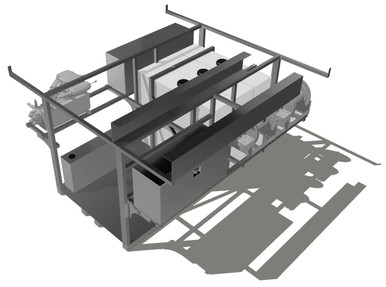 8ft Truck Pressure Washing Skid V-Spec SKU: 181-0300 | 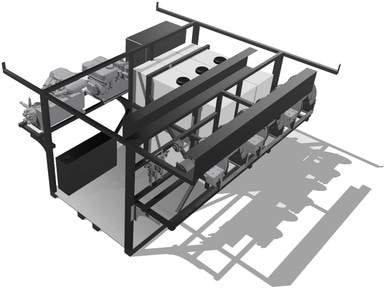 8ft Truck Pressure Washing Soft Washing Skid V-Spec SKU: 181-0310 | 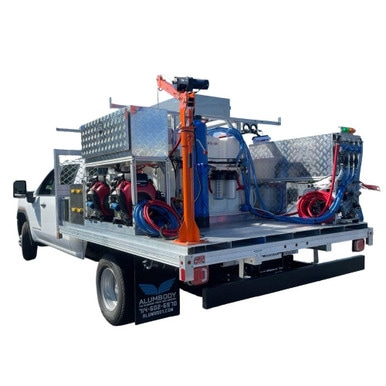 Drone Pressure Washing Flatbed Skid SKU: 180-5740 |
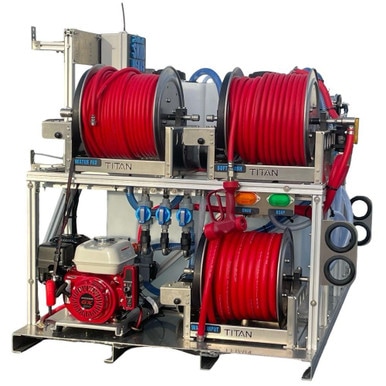 ProTool Soft Wash Water Fed Van Skid SKU: 180-2810 | 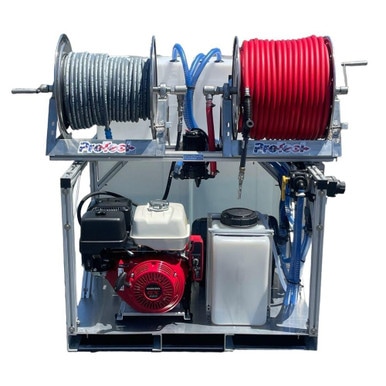 Pressure Washing & Soft Washing Compact Skid SKU: 180-1110 | 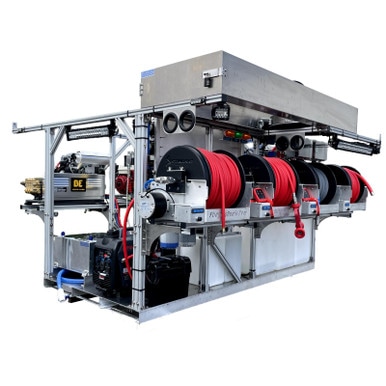 Commercial Hot Water Pressure Washing & Soft Washing Truck Skid SKU: 180-3825 |
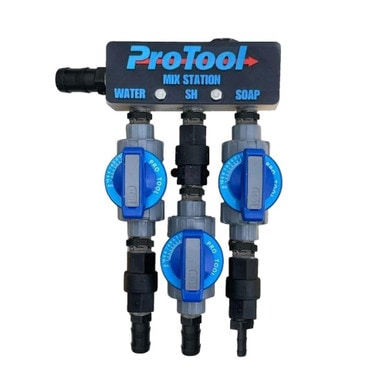 Soft Wash Metering Block SKU: 150-0454M | 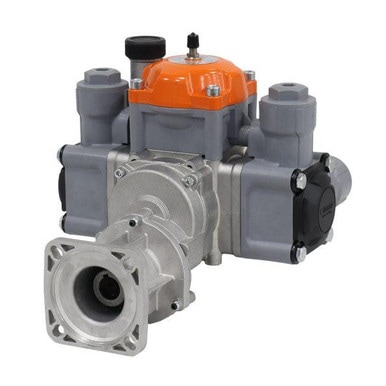 Comet BPX25 GR pump SKU: 150-0432 | 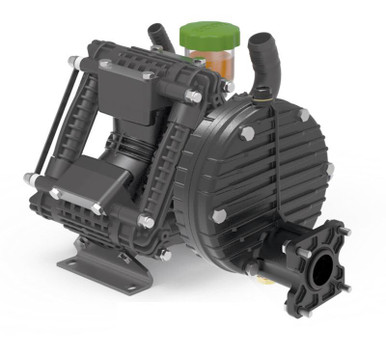 Udor Zeta Soft Wash Pump Only SKU: 150-04310 |
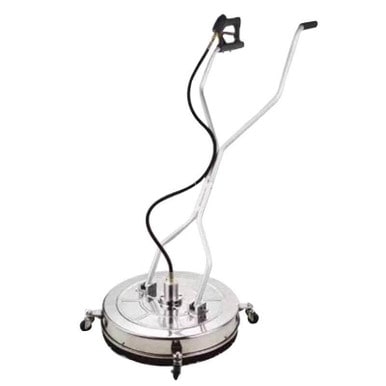 ProTool 20" Stainless Steel Surface Cleaner SKU: 74-3785 | 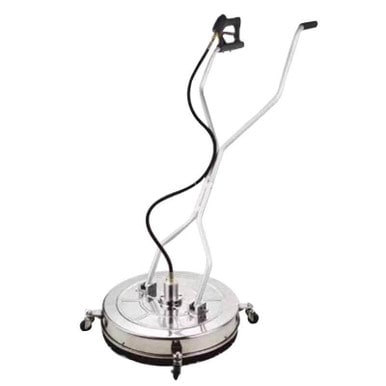 ProTool 30" Stainless Steel Surface Cleaner SKU: 74-3790 | 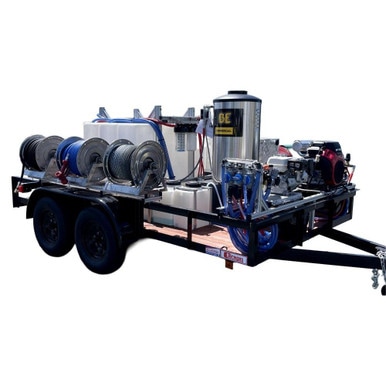 Commercial Hot Water Pressure Washing Trailer SKU: 180-4121T |
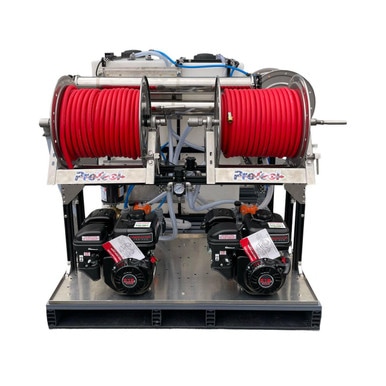 ProTool Dual User Pure Water and Soft Wash Skid BPX 25 SKU: 892-40100 | 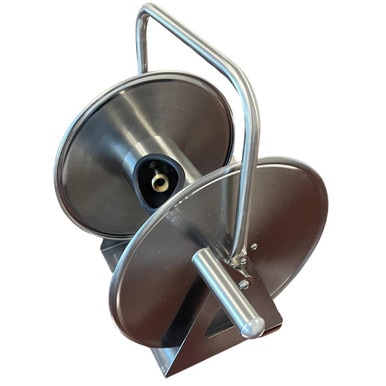 ProTool 10in wide Stainless Steel Reel SKU: 68-01 | 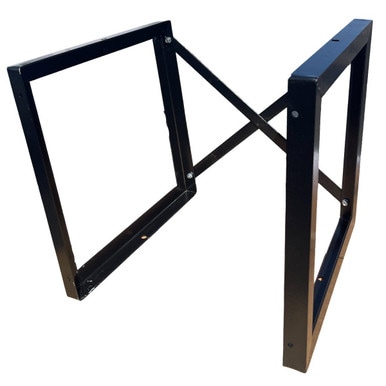 Stacking Bracket for 19in ProTool Reel SKU: 68-09 |
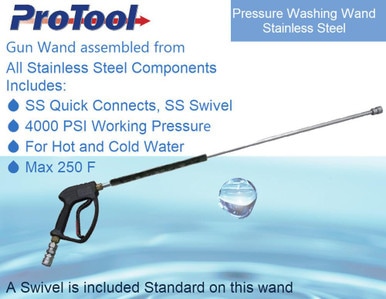 ProTool Gun with 36in SS Lance, SS Quick Connects and SS Swivel SKU: 74-5116 |