How to Choose a Roof Soft Wash System for Your Cleaning Business

Table of Contents
A dedicated roof soft wash system is one of the highest-ROI equipment purchases a cleaning contractor can make — and one of the easiest to get wrong. The gap between a system that pays for itself in weeks and one that hemorrhages money in downtime and rework comes down to a handful of decisions: pump type, proportioner design, chemical compatibility, and how the whole package mounts to your truck or trailer. This guide walks through each decision point so you buy once and build revenue from day one.
Why a Dedicated Roof Soft Wash System Beats Downstreaming
Downstreaming through a pressure washer is how most contractors start exterior cleaning, and it works fine for house wash. On roofs it falls apart fast. A downstream injector dilutes your mix to roughly 10:1 or weaker — nowhere near the strength needed to kill thick Gloeocapsa magma, moss, or lichen in one pass. You end up double-applying, burning time and chemical.
Worse, you're pushing solution through a system that still has 1,000+ PSI available at the nozzle. One wrong tip selection or a momentary lapse strips granules off asphalt shingles and voids the manufacturer warranty. A dedicated roof soft wash system eliminates both problems by design: adjustable chemical ratios (typically 1:4 to 1:6 SH-to-water), operating pressure under 100 PSI, and every wetted part rated for sodium hypochlorite.
| Factor | Downstreaming | Dedicated Soft Wash System |
|---|---|---|
| Chemical Ratio | Fixed ~10:1 or weaker | Adjustable, 1:4–1:6 typical |
| Pressure at Nozzle | 1,000+ PSI risk | 40–100 PSI |
| Flow Rate | Lower effective GPM | 5–12 GPM depending on pump |
| Equipment Longevity | SH corrodes PW internals | All chemical-resistant components |
| Per-Job Speed | Slower saturation, possible re-application | Single-pass kill on most roofs |
If your roof work is occasional — a handful of jobs per month — downstreaming with careful tip selection can bridge the gap while you build volume. Once roof cleaning becomes a recurring service line, a purpose-built system pays for itself in chemical savings and labor efficiency within the first season.
Core Components of a Roof Soft Wash System
Pump Selection: 12V Electric vs. Gas
The pump dictates flow rate, noise level, and maintenance burden. For residential roof cleaning the standard is a 12V diaphragm pump in the 5–7 GPM range — quiet enough for early-morning starts in neighborhoods and powerful enough to reach two-story peaks from the ground. The Comet BPX25 is the workhorse here: self-priming, chemical-resistant, and field-rebuildable. Pair it with a Spring V16HC pump controller for variable speed and dead-end detection.
Gas-powered diaphragm pumps — like the Comet P40 — step up to 8+ GPM for large commercial roofs, multi-story apartment complexes, and HOA contracts where speed is revenue. They're louder and heavier, but the volume advantage is decisive on big jobs. If you're running a gas pump, a softwash pole gun angle adaptor lets you hit high dormers and peaks without repositioning.
Proportioners and Metering
Batch mixing in a single tank works — contractors did it for years — but a proportioning system is one of the clearest efficiency upgrades in soft washing. It draws water, SH, and surfactant from separate tanks and blends on demand to a precise ratio. You adjust strength on the fly between a heavy roof mix and a lighter house wash without dumping and remixing a batch tank.
The ProTool Soft Wash Metering Block is the simplest entry point: stainless steel barbs, compatible with the P40 and AR pump platforms. For a full metering station with dual pumps and valve control, the ProTool Metering System with Reel Stand consolidates mixing, pumping, and hose management into one footprint.
Tanks
SH degrades in heat and sunlight. White or translucent polyethylene tanks reflect UV and let you check fill levels at a glance. Size your SH tank to your typical day: a 55-gallon vertical tank covers most residential routes; a 80-gallon tank or 110-gallon low-profile for contractors running back-to-back roof jobs. Always carry a separate fresh-water tank for flushing — running your pump dry or leaving SH in the lines overnight is the fastest way to kill diaphragms and seals.
Hoses and Reels
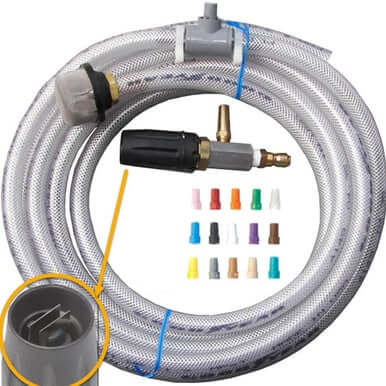
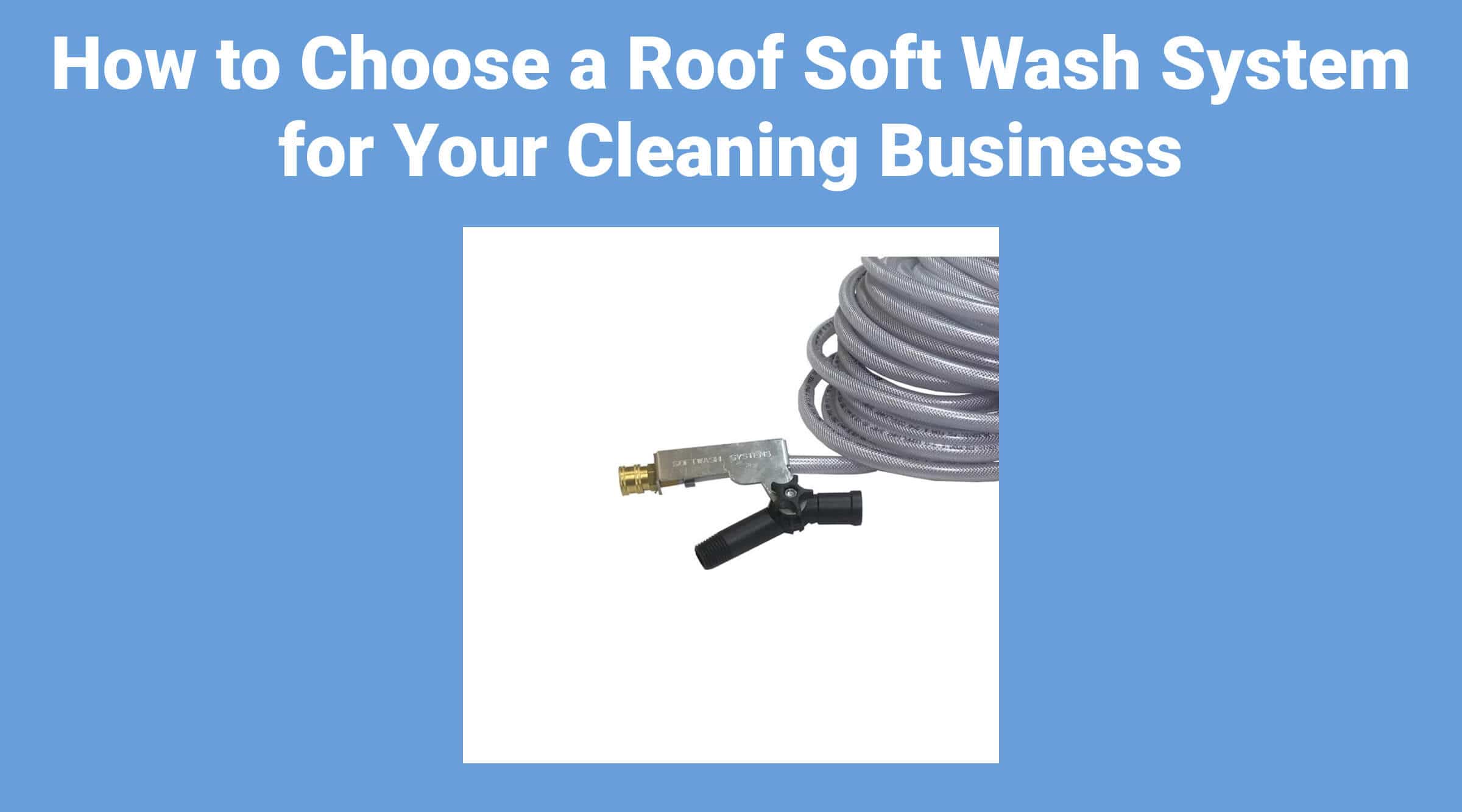
Standard pressure washer hose disintegrates in SH. You need a purpose-built soft wash hose. A motorized reel saves your crew's backs and shaves minutes off every setup and teardown. The ProTool 12V Electric Stainless Steel Reel handles 325 ft of 1/2" hose and resists SH corrosion.
Spray Guns and Tips
A poly spray gun like the ProTool Poly Spray Gun with Viton seals is the standard for daily soft wash use — lightweight, chemical-resistant, and rated to 365 PSI / 18 GPM. For tip selection:
- Fan tips — wide, even coverage across accessible planes. A 40-degree pattern works for most roof pitches.
- Shooter tips — tight stream for reaching peaks, dormers, and chimney surrounds from the ground. ProTool Stainless Steel Shooter Tips are sized by GPM for predictable trajectory.
Choosing the Right Configuration for Your Business
Residential-Focused Crews
A single 12V pump, 50–55 gallon SH tank, surfactant tank, fresh-water flush tank, and one hose reel. This fits a standard 6.5-foot truck bed or a small single-axle trailer. Startup cost is lowest, complexity is minimal, and one tech can run the entire system solo. The ProTool 12V Soft Wash Skid is a turnkey option in this class — metering valves, dual 12V pumps, and SH tank on a single aluminum frame.
High-Volume and Commercial Crews
Gas-powered pump (Comet P40 or BPX25 on a Honda GX200), 100+ gallon tanks, dual hose reels for two-operator deployment, and a full proportioner. The ProTool BPX25–P40 Soft Wash Sprayer Skid packages a gas engine, diaphragm pump, metering manifold, and reel mounts on a single skid ready to bolt into a truck or trailer. For crews that also run pressure washing and water-fed pure water, a ProTool Mega Skid consolidates all three services onto one platform.
Turnkey Skids vs. DIY Builds
A DIY build looks cheaper on paper. In practice, sourcing individually, plumbing manifolds, chasing leaks, and troubleshooting mismatched components burns weeks of billable time. Turnkey skids from ProTool arrive assembled, pressure-tested, and warrantied. The cost delta shrinks fast once you account for your labor hours, and you're generating revenue the day it lands on your truck instead of spending a weekend in the garage with Teflon tape and PVC cement.
That said, if you already have tanks, reels, and a pump and want to add proportioning, a Gas Soft Wash Starter Kit gives you the metering manifold, plumbing, and instructions to integrate into an existing setup without starting from scratch.
Features That Separate Profitable Systems from Cheap Ones
Chemical Compatibility
SH corrodes brass, galvanized steel, and standard aluminum in days. Every wetted surface — manifold, fittings, barbs, valves — needs to be PVC, polypropylene, or 304/316 stainless. Pump diaphragms and seals should be Viton or Santoprene. Cutting corners here doesn't save money; it creates a leak on a customer's roof.
System Weight and Footprint
A full SH tank, water tank, pump, engine, and hose reel add up fast. Before you buy, calculate total loaded weight against your truck's payload rating — not GVWR, payload. Skid-mounted systems keep the center of gravity low and simplify installation. If you're running a half-ton pickup, a compact residential skid with a 55-gallon tank is about as far as you can safely push it; anything larger needs a 3/4-ton or a trailer.
Flush Valve and Post-Job Maintenance
A built-in flush valve that lets you switch from SH to fresh water with a quarter turn is the single most important longevity feature on any roof soft wash system. After every job: switch to fresh water, run five minutes through the pump and hose, then run a ProTool Post Rinse neutralizer through the system. This prevents crystallization in the pump head and extends diaphragm life from months to a year or more of daily use.
Serviceability
Pumps wear. Diaphragms tear. Strainers clog. A well-designed skid gives you wrench access to the pump head, inline strainer, and check valves without disassembling the frame. If a pump rebuild takes 20 minutes in the field instead of a full shop day, that's the difference between finishing your route and canceling afternoon jobs.
Matching Your Roof Soft Wash System to Your Growth Plan
The right roof soft wash system isn't the most expensive one — it's the one that matches your current volume and has a clear upgrade path. A residential contractor doing 5–10 roof jobs a month starts with a 12V single-pump skid and a metering valve. As volume grows, you add a second reel, step up to a gas pump, or bolt on a full proportioner without scrapping the original investment.
For contractors ready to stop renting margins to downstreaming limitations and start owning a dedicated revenue tool, browse the full lineup of soft wash skids and soft wash equipment at J.Racenstein. Every system ships with the chemical-resistant components, metering hardware, and support documentation to put you on a roof — profitably — the week it arrives.
Products Mentioned
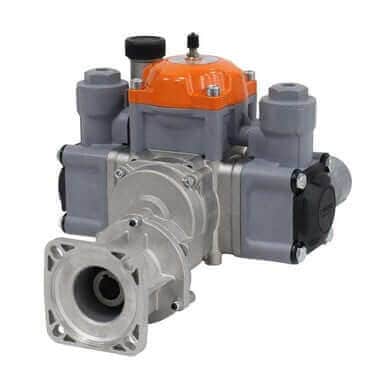 Comet BPX25 GR pump SKU: 150-0432 | 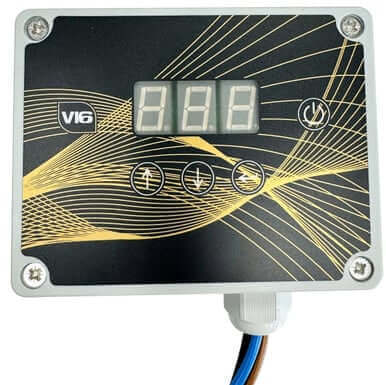 Controller, Pump 35 amp for 5 to 10gpm 12v Pumps V16HC SKU: 150-5454 | 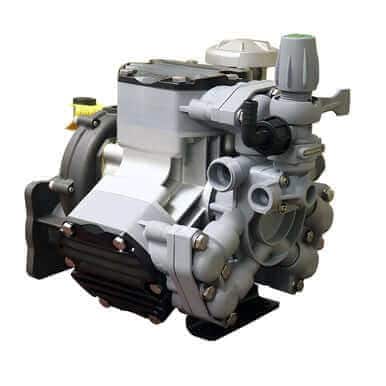 Comet P40 Diaphragm Pump SKU: 150-0428 |
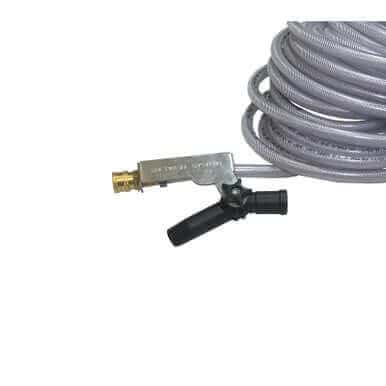 ProTool SoftWash Pole Gun Angle Adaptor SKU: 150-0951 | 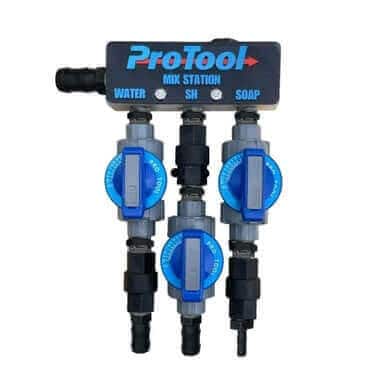 Soft Wash Metering Block SKU: 150-0454M | 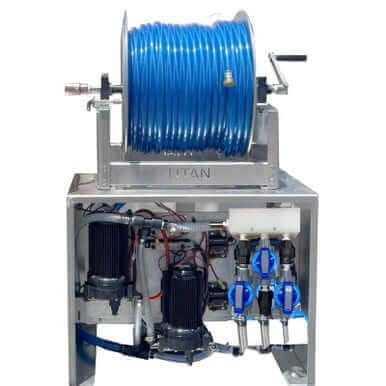 Soft Wash Metering System Reel Stand SKU: 150-0459 |
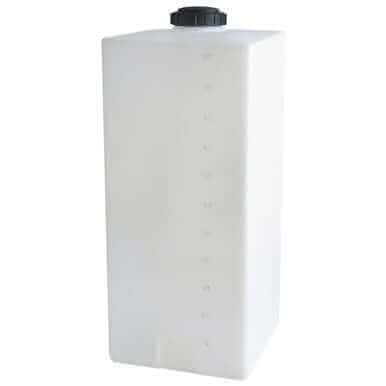 Tank 55 gal Vertical with Bulkhead SKU: 150-04380 | 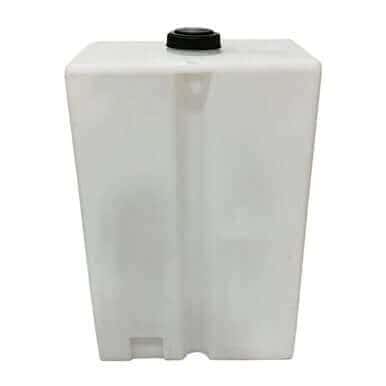 Tank 80 Gal Vertical w/ Bulkhead SKU: 150-0439 | 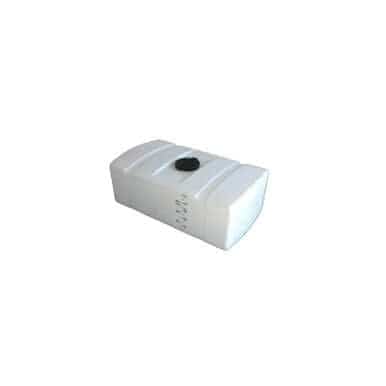 Tank 110gal LowProfile Rectangl 35x48x19 SKU: 150-04397 |
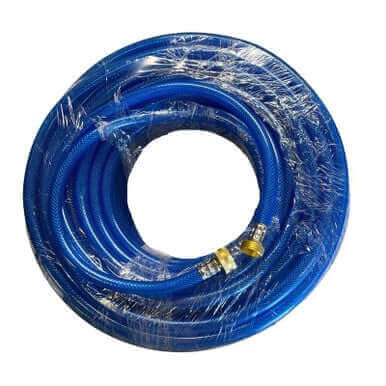 1/2in Blue Braided Hose SKU: 150-04M | 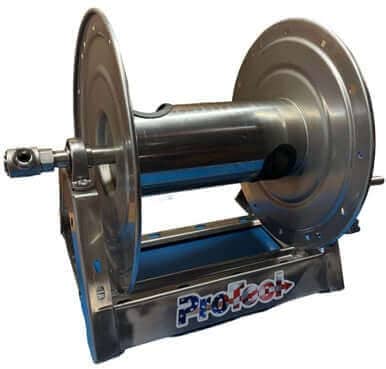 Reel 12v Electric Stainless Steel for 325ft 1/2in or 400ft 3/8in hose 4000ps SKU: 68-02 | 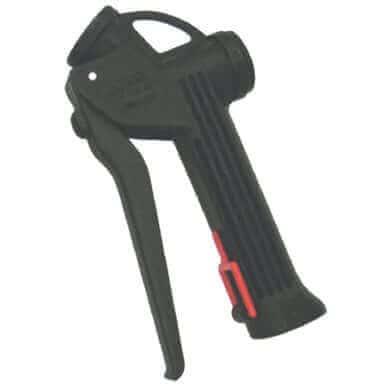 ProTool Poly Spray Gun 1/2in FPT-Viton SKU: 74-5203 |
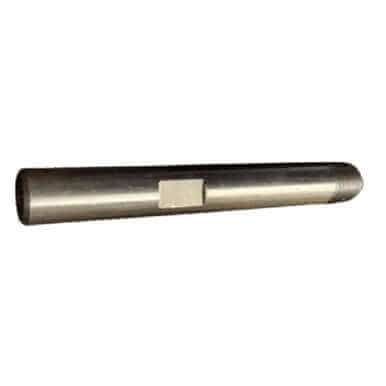 ProTool Shooter Tips Stainless Steel SKU: 75-57M | 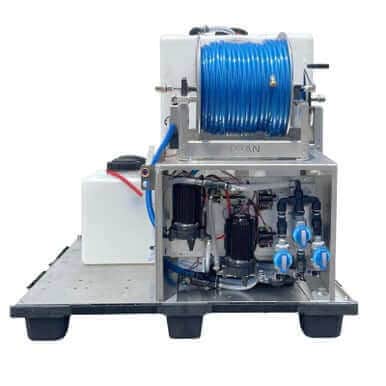 ProTool Soft Wash Skid 12V SKU: 150-047M | 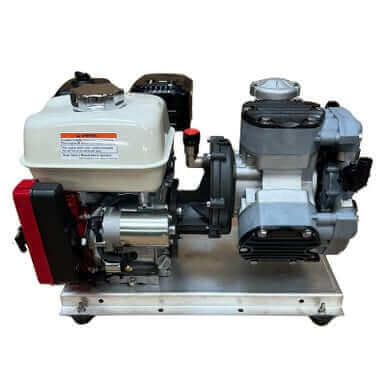 BPX25 - P40 Soft Wash Sprayer Skid SKU: 150-0432M |
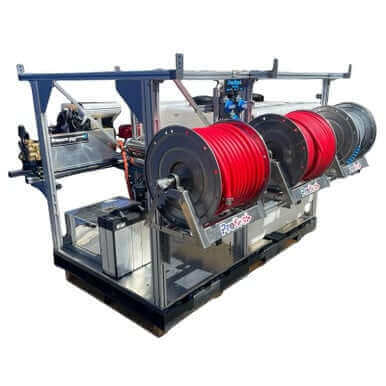 ProTool Mega Pressure Washing and Soft Washing Skid SKU: 150-0496 | 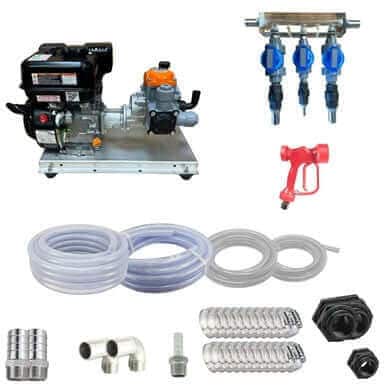 Gas Soft Wash Starter Kit SKU: 150-04582 | 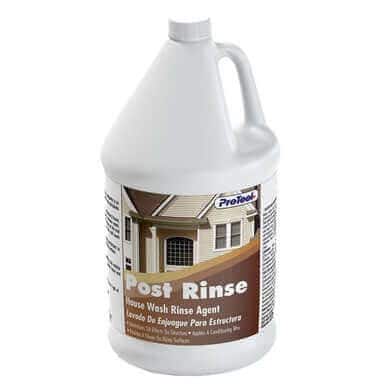 ProTool Post Rinse SKU: 83-03M |