Expert Advice

Cleaning Vinyl Windows with Microfiber: Pro Methods That Actually Work

Cleaning Vinyl Windows with Microfiber

Jay Racenstein Jay Racenstein
5 minute read

Listen to article
Audio generated by DropInBlog's Blog Voice AI™ may have slight pronunciation nuances. Learn more

Cleaning vinyl windows with microfiber is one of those tasks that sounds simple until you realize most people do it wrong — wrong towel, wrong technique, wrong order. For professional window cleaners handling vinyl-framed residential work, microfiber is a core tool, not an afterthought. Here's how to use it correctly and which products actually hold up on the job.

Why Microfiber Works on Vinyl

Vinyl frames scratch more easily than aluminum or wood — and they show it. Microfiber's split-fiber construction traps dirt particles inside the weave instead of dragging them across the surface. That matters on vinyl, where a coarse rag or paper towel can leave fine scratches that yellow over time.

The other advantage is chemical reduction. A good microfiber towel cleans vinyl frames with water alone for routine maintenance jobs. When you do need soap, you use less of it, which means less residue left on the frame — a common callback trigger on white vinyl.

The Right Microfiber for the Job

Not all microfiber is created equal. The cheap 10-packs from the auto parts store shed lint and lose absorbency after a few washes. Professional-grade towels hold up through hundreds of wash cycles and won't leave fibers behind on glass.

For vinyl frame wiping, you want a medium-weight towel — 300 to 400 GSM — in the 16×16 range. The ProTool Microfiber Towel hits this spec and comes in bulk packs that make economic sense for daily use. For glass detailing after squeegeeing, the Ettore MicroSwipe Towel is thinner and lint-free, built specifically for final wipe-downs.

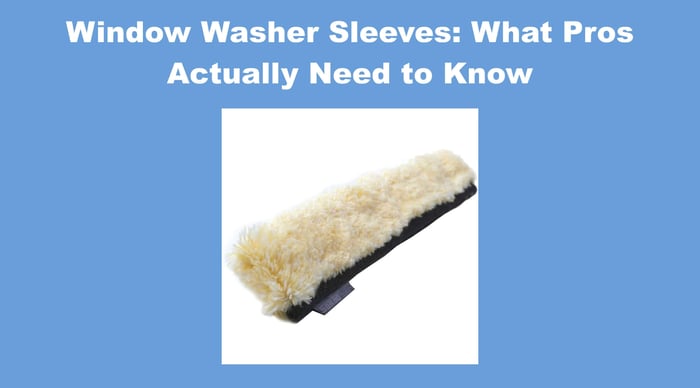
If you're using a washer sleeve on the glass before squeegeeing — and on residential vinyl work, you should be — a microfiber sleeve like the Pulex Microfiber Sleeve gives you better dirt pickup and soap distribution than a synthetic sleeve on most vinyl-frame residential glass.

Workflow: Frames First, Glass Second

Most callbacks on vinyl window cleaning come from one mistake: cleaning the glass first, then touching the frames, then dripping dirty frame water onto clean glass. Reverse it.

1. Dry-Wipe the Frames

Start with a dry microfiber towel on the vinyl frames. Hit the tracks, the sill, and the corners where cobwebs and dust collect. This step removes the loose grit that would otherwise turn your wet towel into sandpaper.

2. Wet-Clean the Frames

Dampen a second microfiber towel in a bucket of warm water with a few drops of Dawn or your preferred window soap. Wring it nearly dry — you want damp, not dripping. Work the vinyl frames, paying attention to the top rail and the weep holes at the bottom. For oxidized or stained frames, a dedicated vinyl cleaner or a light solution of ProTool Clean Up cuts through buildup without damaging the vinyl surface.

Stubborn spots — paint overspray, caulk residue, adhesive — respond to a ProTool Coconut Shell Scrub Pad used gently. It's abrasive enough to lift grime without scratching vinyl the way a green Scotch-Brite pad would.

3. Wash and Squeegee the Glass

With frames done, scrub the glass using your washer sleeve and squeegee as normal. On residential vinyl windows, a 14-inch or 18-inch setup works for most pane sizes. Detail the edges with a dry microfiber towel — one pass along each side of the rubber line, then a quick corner wipe.

4. Final Detail

Buff the frames and glass with a clean, dry microfiber towel. Check the glass at an angle against the light. On vinyl windows, you're also checking the frame-to-glass seal for any soap residue — white vinyl makes it obvious, and clients notice.

Microfiber Maintenance

A microfiber towel is only as good as its last wash. Machine wash in warm water (not hot) with a mild detergent — no fabric softener, ever. Softener coats the fibers and kills absorbency. Tumble dry on low or air dry. Separate your towels from cotton rags; cotton lint embeds in microfiber and won't come out.

Replace towels when they stop absorbing water quickly or start leaving streaks. For most pros, that's every 200–300 washes for a quality towel, and about 30 for a cheap one. The math favors buying better towels.

What About Washer Sleeves vs. Towels?

For the glass itself, a washer sleeve on a T-bar outperforms a hand-held microfiber towel on anything larger than a small fixed pane. The sleeve holds more solution, covers more area per stroke, and pairs with a squeegee for a faster, streak-free finish. Reserve microfiber towels for frame cleaning, detailing, and small touch-up panes where pulling out a full squeegee setup doesn't make sense.

Browse the full range of washer sleeves and microfiber towels to match your kit to the job.

Common Mistakes on Vinyl

  • Using ammonia-based cleaners on frames. Ammonia can degrade vinyl over time and leaves a haze. Stick to mild soap or purpose-built vinyl cleaners.
  • Pressure washing vinyl frames at close range. High pressure can drive water behind the frame seal and into the wall cavity. If you pressure wash vinyl siding, keep the wand off the window frames themselves.
  • Ignoring the weep holes. Vinyl windows have small drainage slots at the bottom of the frame. Clogged weep holes trap water and cause mold. A quick pass with a detail brush or compressed air clears them.
  • Skipping the dry wipe. Wet-cleaning a dusty vinyl frame grinds grit into the surface. The 30-second dry wipe prevents micro-scratches and callbacks.

Products Mentioned

« Back to Blog

Don't Miss Out